Music technology encapsulates the innovative tools, techniques, and processes that transform the way we create, produce, and distribute music. In today’s landscape, understanding what is music tech is essential for both aspiring artists and seasoned producers. Advances in digital platforms have revolutionised traditional music production, allowing for unprecedented creative expression. Companies like Ableton, Adobe, and Steinberg exemplify the forefront of innovations in music production, providing powerful software that inspires and enables musicians to realise their artistic visions.
Understanding Music Technology
In the realm of creative expression, music technology plays a crucial role in shaping how artists conceptualise and craft their works. Defining Music Tech involves examining the essential hardware and software that serve to facilitate this process. Over the decades, the Evolution of Music Technology has transformed the landscape, moving from analogue systems to advanced digital platforms that empower musicians like never before.
Defining Music Tech
Music technology encompasses a diverse range of tools, including synthesizers, digital audio workstations (DAWs), and audio interfaces. These elements work harmoniously to aid artists in composing, recording, and producing music efficiently. Understanding Defining Music Tech provides insight into the intricate relationship between creativity and technology that underpins modern music production.
The Evolution of Music Technology
The Evolution of Music Technology traces a remarkable journey, beginning with the pioneering analogue systems of the early 20th century. The arrival of computers sparked innovation, introducing samplers and sophisticated electronic devices that revolutionised how music is created. Innovations such as MIDI (Musical Instrument Digital Interface) transformed communication among electronic instruments, paving the way for a new era of collaboration and creativity in the music industry.

What Is Music Tech
Music technology forms the backbone of modern creativity, offering musicians an array of tools to express their artistry. Understanding the Key Components of Music Tech helps to appreciate how innovation influences the music creation process.
Key Components of Music Tech
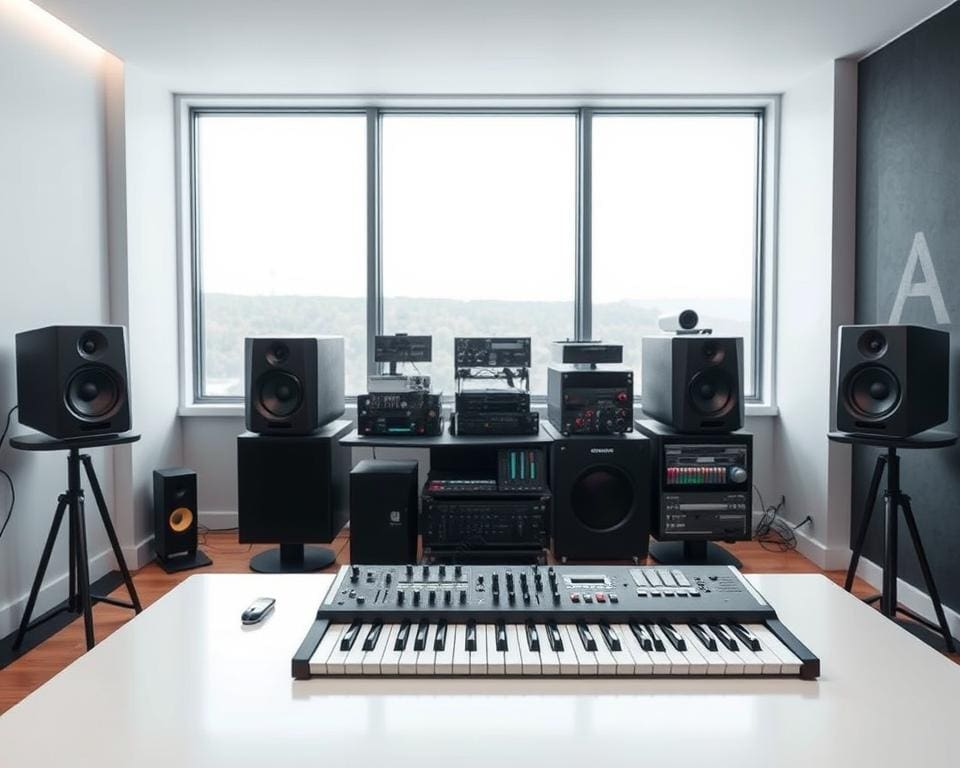
The landscape of music technology encompasses various essential elements. Digital Audio Workstations (DAWs) are at the forefront, providing musicians with powerful software to compose, record, and edit music. Beyond DAWs, hardware instruments such as synthesizers and drum machines continue to play a crucial role, allowing for unique sound creation. Production gear, including interfaces and monitors, is equally important, ensuring high-quality sound reproduction and mixing capabilities.
Current Trends in Music Technology
Recent developments have showcased exciting Current Trends in Music Technology. The integration of artificial intelligence in music production represents a significant shift, as platforms like LANDR leverage machine learning for automated mixing and mastering. This evolution highlights how technology acts not just as a tool but as an active partner in the creative process. Furthermore, mobile applications have revolutionised accessibility, enabling aspiring artists to produce quality tracks directly from their smartphones.
Exploring Music Production Tools
The world of music production is filled with innovative tools designed to empower creativity and streamline workflows. At the heart of this ecosystem are Digital Audio Workstations, pivotal for any producer. These platforms provide a comprehensive suite of features that accommodate both novice and experienced creators alike.
Digital Audio Workstations (DAWs)
Digital Audio Workstations like Ableton Live, FL Studio, and Pro Tools serve as the foundation for modern music creation. Each DAW offers a unique set of capabilities catering to various production styles. From intuitive sequencing to powerful mixing options, these platforms allow producers to manifest their artistic visions efficiently. The flexibility of DAWs promotes an atmosphere where musical ideas can flourish and evolve into polished tracks.
Essential Music Software for Producers
In addition to DAWs, a plethora of Music Software for Producers enhances the creative process. This software includes virtual instruments, audio plug-ins, and sound libraries, all designed to expand a producer’s sonic palette. Utilizing these tools enables composers to explore new musical landscapes and incorporate fresh sounds into their projects. Furthermore, the integration of software into DAWs ensures a seamless experience during the production process.
Role of MIDI Controllers in Production
A vital component in the studio setup is the MIDI Controller. These devices facilitate a tactile interaction with music software, allowing producers to manipulate sounds effortlessly. With features such as velocity-sensitive keys, pads, and knobs, MIDI controllers foster a dynamic environment for creating intricate compositions. By bridging the gap between hardware and software, they enhance performance flexibility and unleash the full potential of a producer’s creativity.
Insights into Music Gear
Choosing the right equipment can be a transformative experience for any music producer. This selection fundamentally influences the quality of your sound and the ease of your workflow. An essential piece in this arsenal is the Audio Interface, which acts as a bridge between your instruments and your Digital Audio Workstation. Brands such as Focusrite and PreSonus have developed user-friendly interfaces, making them ideal for both novices and seasoned professionals.
Choosing the Right Audio Interface
When selecting an Audio Interface, several factors require careful consideration:
- Sound Quality: Look for interfaces that offer high-resolution audio to capture every nuance of your performance.
- Input/Output Options: Ensure the interface has enough inputs for your instruments and outputs for speakers.
- Portability: If you plan to produce music on the go, choose lightweight options that are easy to transport.
Popular Music Gear for Beginners and Pros
In the realm of Music Gear for Beginners and Pros, several tools stand out as indispensable:
- Microphones: A good microphone is crucial for capturing vocals and instruments clearly. Brands like Shure and Rode offer high-quality options.
- Studio Monitors: Investing in accurate studio monitors ensures you hear your mixes as they are, allowing for better decision-making during production.
- Headphones: A reliable pair of headphones is vital for tracking and mixing, with models from Audio-Technica and Sony often praised for their performance.
The Impact of Music Tech on the Industry
The landscape of the Music Industry has undergone significant changes due to advances in technology. This evolution has reshaped how music is created, distributed, and consumed. With the rise of digital streaming platforms, emerging artists find themselves in a world where access to their work is instant, and reaching global audiences has never been more achievable.
Transformations in the Music Industry
Transformations in the Music Industry are evident in the shift from traditional physical sales to the dominance of digital streaming services like Spotify and Apple Music. This transition has not only altered how fans engage with music but has also influenced the revenue model for artists. Musicians now focus on enhancing their online presence and streaming performance to achieve financial sustainability.
Innovations Influencing Music Creation
Innovations Influencing Music Creation play a pivotal role in the connection between art and technology. The introduction of tools like blockchain offers new possibilities for transparency in copyright issues and fair royalty payments. As artists embrace these advancements, they can forge deeper connections with their listeners and define their unique sound. Social media platforms have become essential promotional tools, allowing musical talent to interact directly with fans, creating a community centered around their work.
The Future of Music Innovation
The landscape of music technology is on the brink of transformation, set to revolutionise the way we experience and interact with music. As we look towards the future of music innovation, the integration of augmented reality (AR) and virtual reality (VR) stands out. These immersive technologies promise to enhance live performances, creating dynamic environments where audiences can engage with artists and their music in unprecedented ways, unlocking a new level of connection and creativity.
Furthermore, advancements in artificial intelligence (AI) are positioned to significantly influence the production and composition of music. AI-driven tools are already making waves in music technology, streamlining workflows for producers while providing unique insights and recommendations. As these trends in music tech continue to evolve, we can expect a shift towards more accessible music creation tools that democratise the industry, allowing artists from various backgrounds to share their voices and stories.
The potential for diverse genres and styles to emerge in the music scene is immense. With lower barriers to entry, aspiring musicians can cultivate their craft and leverage technology to reach audiences across the globe. The future of music innovation, therefore, is not just about new tools and technologies; it’s a movement that champions inclusivity and artistic expression. As we embrace these changes, the music industry stands to reflect an even richer tapestry of human experience and creativity.