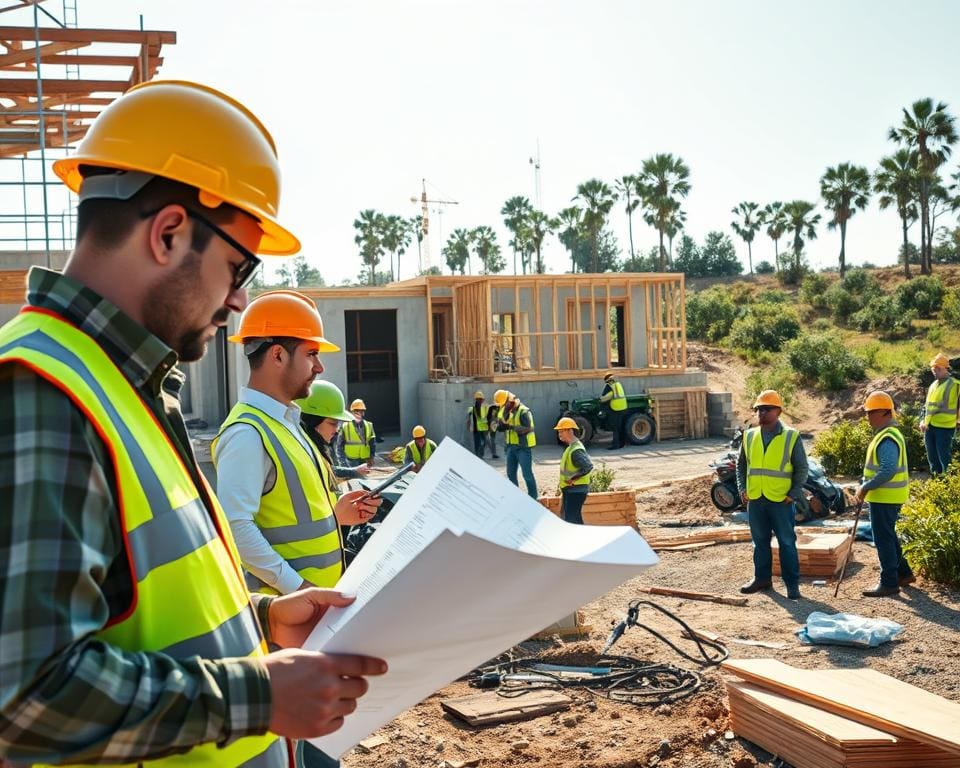
As the construction industry evolves in response to climate change, the demand for green construction roles is on the rise. Sustainable building professionals play a pivotal role in ensuring that eco-friendly construction jobs not only meet environmental standards but also enhance the overall efficiency and integrity of projects. Engaging a diverse range of specialists, including project managers, architects, engineers, contractors, and environmental consultants, is essential for fostering collaboration within the industry. These experts unite their skills and knowledge, driving the development of structures that honour sustainability while meeting the needs of the modern world.
The Importance of Green Construction
The future of the building industry in the UK hinges on the importance of green construction. As environmental concerns rise, embracing sustainable practices becomes essential for architects, engineers, and builders alike. Integrating methods that enhance energy efficiency, utilise renewable resources, and focus on waste reduction significantly contributes to a healthier planet.
Understanding Sustainable Practices
Sustainable practices encompass a variety of approaches aimed at minimising the environmental footprint of construction projects. Key elements include:
- Utilising energy-efficient technologies
- Implementing renewable energy solutions, such as solar panels
- Reducing material waste through innovative design and construction techniques
- Promoting conservation efforts and environmentally friendly materials
Adopting these practices not only fosters a more responsible industry but also meets the growing demand for eco-conscious living spaces.
Benefits of Green Building
The benefits of green building extend beyond environmental considerations. These advantages include:
- Lower operational costs due to energy efficiency
- Improved indoor air quality, enhancing the well-being of occupants
- Increased property value through sustainable features
- Greater resilience to environmental challenges, supporting long-term viability
As stakeholders recognise the multifaceted gains associated with green construction, a collective shift towards sustainable building practices emerges, aligning economic prosperity with ecological responsibility.
Project Managers in Green Construction
Project managers play a pivotal role in the successful execution of green construction initiatives. They are responsible for guiding projects from conception through to completion, ensuring sustainable practices are consistently applied along the way. Their influence shapes the ecological and economic outcomes of each undertaking.
Role and Responsibilities
The responsibilities of project managers in green construction encompass a wide array of tasks. These include:
- Coordinating project schedules to align with sustainable objectives.
- Managing budgets while also seeking cost-effective green materials and techniques.
- Liaising with various stakeholders, including clients, contractors, and local authorities, to promote transparency and collaboration.
- Ensuring compliance with environmental regulations and standards throughout the project lifecycle.
- Monitoring project progress and making necessary adjustments to ensure timely delivery.
Skills Required
To be effective, project managers in green construction must possess a unique set of skills. Key skills required include:
- Strong organisational capabilities to handle multiple tasks and deadlines.
- Proficiency in green building standards and practices for informed decision-making.
- Excellent communication skills to relay important information clearly to team members and other stakeholders.
- Ability to motivate and inspire diverse teams, fostering a collaborative environment focused on sustainability.
Architects and Sustainable Design
Architects play a crucial role in the evolution of eco-friendly buildings, guiding the vision for sustainability within the architectural realm. Their expertise not only shapes the aesthetics of structures but also significantly impacts energy efficiency and environmental harmony.
Key Contributions to Eco-friendly Building
By integrating principles of architects sustainable design, professionals in this field are adept at creating spaces that harmonise with nature. They focus on:
- Designing energy-efficient layouts that reduce waste and consumption.
- Maximising natural lighting, enhancing mood and lowering energy usage.
- Improving the overall environmental performance of structures through thoughtful planning.
Innovative Material Selection
The choice of materials can either enhance or undermine a building’s sustainability. Architects are increasingly opting for innovative materials, which include:
- Recycled products that minimise the extraction of new resources.
- Sustainably sourced wood, promoting responsible forestry practices.
- Eco-friendly insulation materials that improve energy efficiency.
These decisions substantially lower the carbon footprint of constructions, aligning with the goal of developing more sustainable communities. Architects ensure that every project meets user needs while prioritising the planet’s well-being.
What roles exist in green construction projects?
The global shift towards sustainability demands an effective collaboration in green construction, uniting experts from various fields to realise ambitious environmental goals. This teamwork is essential in harnessing diverse perspectives and skills, facilitating exceptional outcomes in sustainable building practices.
Collaboration between Professionals
In the realm of green construction, the synergy among professionals is paramount. Architects, engineers, project managers, and contractors form dynamic green project teams that streamline the construction process. Each member brings unique insights, ensuring that every decision aligns with sustainability objectives. The ability to communicate effectively and work towards shared goals fosters an environment rich in innovation.
Interdisciplinary Approach and Its Importance
An interdisciplinary approach has emerged as a cornerstone of successful green construction initiatives. This methodology not only enhances problem-solving but also supports the integration of cutting-edge technologies and sustainable practices. By promoting collaborations that bridge different expertise, teams are able to devise solutions that might not have been possible within a single discipline. As a result, projects achieve not only compliance with environmental standards but also exceed expectations in terms of creativity and performance.
Engineers Specialising in Green Technologies
Engineers specialising in green technologies are central to the advancement of sustainable construction. These professionals bring a wealth of knowledge to ensure that the integration of eco-friendly systems into building projects is both effective and innovative. Their expertise spans various disciplines, significantly contributing to the industry’s transition towards sustainability.
Mechanical and Electrical Engineers
Mechanical electrical engineers are pivotal in the development of energy-efficient systems within buildings. They focus on the implementation of renewable energy technologies, such as solar panels and wind energy systems. These engineers also design advanced heating, ventilation, and air conditioning (HVAC) systems that minimise energy consumption while maximising comfort within the built environment.
Civil Engineers and Sustainable Infrastructure
Civil engineering in sustainability plays a crucial role in shaping urban landscapes. Civil engineers design resilient infrastructure, emphasising the use of sustainable materials and techniques. Innovations like green roofs and permeable pavements exemplify their commitment to environmental stewardship. Through thoughtful planning and execution, they ensure that infrastructure supports ecological preservation and enhances community well-being.
Green Construction Contractors
Green construction contractors play a vital role in bringing sustainable building practices to life. Their expertise ensures that projects adhere to environmentally friendly principles while fulfilling the specific requirements outlined in project plans.
Main Responsibilities on Site
These contractors have a range of site responsibilities essential for the successful execution of construction projects. Key tasks include:
- Managing day-to-day construction activities
- Ensuring the safety of all personnel on site
- Coordinating with suppliers to procure eco-friendly materials
Ensuring Compliance with Sustainability Standards
The importance of sustainability compliance cannot be overstated. Green construction contractors must follow established sustainability standards, such as those set by BREEAM or LEED, to confirm that their projects meet environmental benchmarks. This ensures that the construction process and final structures uphold sustainable practices not just during development but throughout their life cycle. Furthermore, these contractors maintain precise documentation necessary for certification, solidifying their commitment to sustainability.
Environmental Consultants
Environmental consultants play a pivotal role in the field of green construction. They are essential for guiding projects towards sustainability while ensuring adherence to legal and environmental standards. Their expertise is invaluable in navigating the complexities of regulatory requirements and minimising ecological footprints throughout various stages of construction.
Assessing Environmental Impact
One of the primary functions of environmental consultants is conducting environmental impact assessments. These assessments evaluate the potential effects that construction activities may have on local ecosystems. By identifying risks and suggesting mitigation strategies, environmental consultants ensure that projects not only comply with existing laws but also contribute positively to environmental stewardship.
Regulatory Compliance and Guidance
In addition to assessments, environmental consultants provide essential compliance guidance. They assist organisations in understanding and adhering to local, national, and international environmental regulations. Their comprehensive knowledge helps to protect natural resources while promoting sustainable development principles. This collaborative effort fosters a more responsible approach to construction, setting the stage for innovative and environmentally conscious building practices.
Green Building Certifiers
Green building certifiers play a pivotal role in the realm of sustainable construction, ensuring that projects adhere to established standards for green buildings. These professionals evaluate and authenticate construction projects through well-respected frameworks such as BREEAM, LEED, and the Green Deal. By doing so, they contribute significantly to a building’s overall sustainability performance, serving as a benchmark for compliance with vital regulations and criteria.
The certification process provides assurance to stakeholders that a building meets high environmental standards. This, in turn, enhances the marketability of the property and appeals to a growing demographic of eco-conscious consumers. Certification bodies uphold the principles of transparency and accountability, allowing for greater trust in sustainable building initiatives.
Moreover, green building certification not only signifies compliance but also encourages innovation in eco-friendly practices. As consumers and businesses alike lean towards sustainability, the validation provided by certifiers becomes increasingly important, fostering a culture that values responsible building practices. Embracing the influence of these certifiers can ultimately pave the way for a greener, more sustainable future in the construction industry.