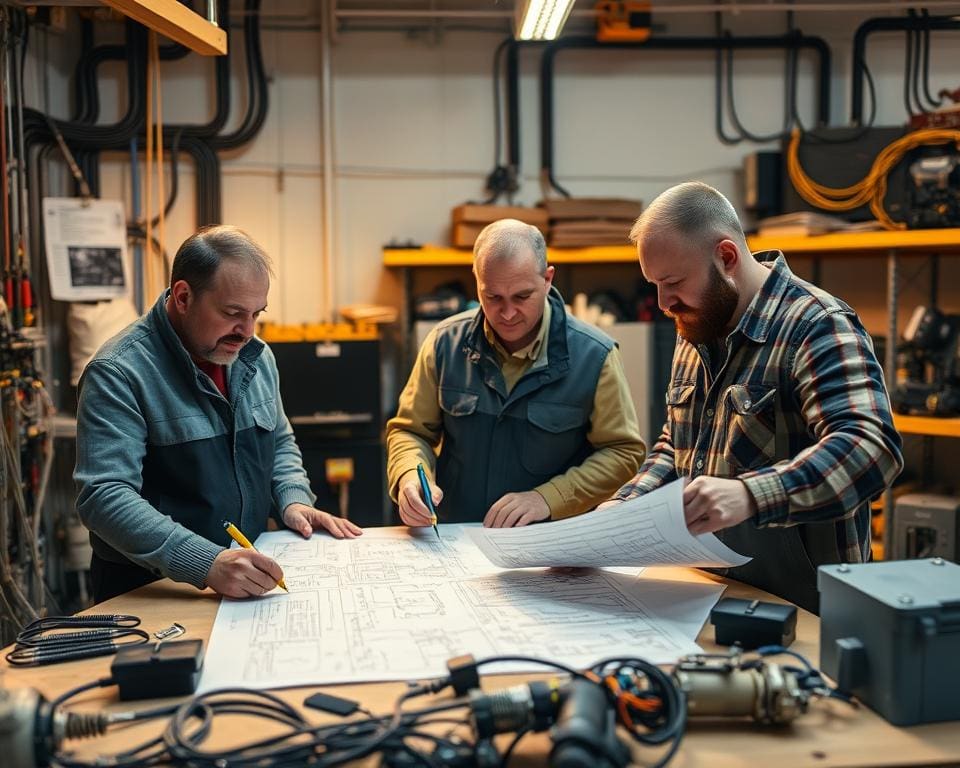
In today’s world, where climate change and rising energy costs are pressing concerns, the role of electricians in designing energy-efficient systems has never been more vital. In the context of UK homes, these skilled professionals employ innovative methods and philosophies to minimise energy waste while optimising power usage. Through their expertise, electricians not only help homeowners and businesses save money but also contribute to a more sustainable future by advancing energy efficiency. By implementing effective designs and state-of-the-art technologies, electricians are on the front lines of a significant shift towards greener energy solutions.
Understanding the Importance of Energy Efficiency
Energy efficiency plays a pivotal role in promoting sustainable living and reducing our carbon footprint. The way we consume energy impacts not only our monthly bills but also the overall health of our planet. Recognising this importance is essential for both environmental and economic reasons.
The Environmental Impact of Energy Consumption
Excessive energy use significantly contributes to greenhouse gas emissions, impacting climate change. According to the UK’s Department for Business, Energy & Industrial Strategy, a notable proportion of emissions stems from household energy consumption. By embracing energy efficiency, households can substantially reduce their environmental impact, fostering a healthier ecosystem for future generations.
Economic Benefits of Energy-Efficient Systems
Implementing energy-efficient systems yields substantial economic benefits. Homeowners can enjoy lower utility bills, which can accumulate into substantial savings over time. Various government incentives encourage investments in energy-saving technologies, offering further financial relief. Adopting these systems not only improves individual finances but also enhances energy resilience across communities.
Key Principles of Energy-Efficient Design
Energy-efficient design embodies the commitment to sustainability and the practical application of energy conservation. These principles not only reduce energy consumption but also promote a healthier environment for future generations. Understanding how to optimise resources effectively and integrate renewable energy sources is essential for creating sustainable structures.
Optimising Resource Use
Resource optimisation is a fundamental concept in energy-efficient design. Conducting thorough energy audits helps identify areas where energy consumption can be reduced. Implementing strategies such as efficient energy distribution practices ensures that power flows where it is needed most, thus minimising waste. By focusing on optimising resources, properties can significantly enhance their energy performance while contributing to broader sustainability goals.
Incorporating Renewable Energy Sources
The integration of renewable energy sources like solar panels and wind turbines plays a pivotal role in advancing energy-efficient design. These systems harness natural resources, reducing reliance on non-renewable energy and contributing to overall energy conservation. As technology progresses, more efficient designs allow these renewable systems to blend seamlessly into architectural structures, providing clean energy and helping to mitigate environmental impacts.
How do electricians design energy-efficient systems?
Electricians play a crucial role in the creation of energy-efficient systems by employing various methodologies that account for specific energy needs. Their expertise allows them to assess energy consumption patterns accurately, leading to the development of tailored solutions. Smart technology integration further enhances these systems, ensuring optimal performance and reduced energy usage.
Assessment of Energy Needs
An in-depth assessment of energy needs serves as the foundation for effective energy-efficient design. Electricians conduct a thorough evaluation of a property’s energy consumption habits. This process includes identifying peak usage times and understanding the types of appliances utilised. With this information, electricians can recommend systems that not only meet current requirements but also anticipate future demands.
Utilising Smart Technology
The incorporation of smart technology transforms traditional approaches to energy management. Devices such as smart thermostats enable real-time monitoring of energy usage, allowing homeowners and businesses to make informed decisions about their consumption. By analysing data from these systems, individuals can fine-tune their energy-efficient design, ensuring that their energy needs are met sustainably. This proactive management of energy resources fosters a more conscious approach to energy consumption, ultimately leading to significant savings and environmental benefits.
Choosing the Right Appliances and Fixtures
Making informed choices about appliances and fixtures significantly influences energy efficiency in homes and businesses. Selecting the right products not only conserves energy but also performs effectively, enhancing overall comfort and utility. Energy-efficient fixtures and appliances can lead to substantial cost savings and a reduction in carbon footprint.
Energy Star Rated Products
Energy Star rated products are engineered to use less energy while delivering comparable performance to standard models. By opting for these sustainable products, consumers can enjoy reduced energy bills without sacrificing quality. Energy Star certification ensures appliances meet stringent energy-efficiency guidelines, making them a smart investment for those prioritising sustainability.
LED Lighting and Its Benefits
LED lighting presents a remarkable alternative to traditional lighting options. These fixtures consume significantly less energy, translating into lower electricity costs over time. The longevity of LED lighting further enhances its appeal, as the lifespan often exceeds that of conventional bulbs. Making the switch to LED not only contributes to a greener environment but also offers enduring financial benefits through reduced replacement frequency and energy consumption.
Insulation and Its Role in System Design
Effective insulation is crucial for the development of energy-efficient systems. It plays a significant part in maintaining comfortable indoor environments while minimising energy consumption. Understanding the types of insulation materials available and the proper installation techniques can enhance home insulation, leading to significant energy savings.
Types of Insulation Materials
There are several insulation materials on the market, each offering unique benefits for home insulation. Some of the most popular include:
- Cellulose: Made from recycled paper, cellulose provides excellent thermal performance and is an environmentally friendly option.
- Foam: Rigid foam boards offer high insulation values and are often used in areas where space is limited for insulation.
- Fibreglass: This common insulation material is both cost-effective and highly effective, suitable for various applications within a home.
Installation Techniques for Maximum Efficiency
Installation techniques hold great importance in achieving the full potential of insulation materials. Proper application ensures that air leakage and heat loss are minimised, thus optimising energy-efficient systems. Key techniques include:
- Sealing gaps and cracks: This practice reduces air penetration, enhancing the insulation’s effectiveness.
- Layering materials: Combining different insulation materials can create a more robust thermal barrier.
- Employing spray foam: This method can fit snugly in hard-to-reach spaces, providing a comprehensive layer of insulation.
The Role of Smart Meters and Monitors
Smart meters and monitors play a pivotal role in energy management by providing essential data that empowers homeowners to make informed decisions about their energy usage. These advanced devices facilitate real-time monitoring of electricity consumption, which contributes significantly to energy efficiency efforts. Understanding how they operate can unlock their full potential for optimising energy usage.
How Smart Meters Work
Smart meters function by continuously tracking energy consumption and transmitting this information to homeowners instantly. Unlike traditional meters, smart meters offer detailed insights into usage patterns throughout the day. This real-time monitoring enables users to identify peak consumption times and adjust their habits accordingly. Furthermore, these devices often connect to online platforms, providing users with direct access to their data for enhanced visibility into their energy consumption.
Data Analysis for Energy Management
With the data collected from smart meters, homeowners can engage in effective data analysis to refine their energy usage patterns. Electricians can leverage this information to make tailored recommendations for energy saving and efficiency improvements. By analysing trends in energy consumption, individuals can adopt strategies that align with their specific needs, contributing to sustainable living practices. The insights gained from this data not only aid in reducing bills but also play a key part in promoting a greener future.
Creating Custom Solutions for Homes and Businesses
Electricians play a crucial role in developing custom solutions that address the varied needs of both residential and commercial settings. By understanding the specific requirements of each project, they create tailored designs that maximise energy efficiency and deliver significant savings. Personalised energy systems can adapt to different user behaviours, preferences, and environmental constraints.
Tailoring Designs to Specific Needs
Each home and business presents its own unique challenges and opportunities for energy management. Electricians assess factors such as building layout, usage patterns, and existing equipment. Through this evaluation, they can develop custom solutions tailored to optimise energy efficiency. These bespoke designs incorporate various elements, from smart technology to energy-efficient appliances. The result is a seamless integration of systems that enhance functionality and sustainability.
Case Studies of Successful Implementations
Several case studies illustrate the benefits of implementing tailored designs. For instance, a recent project in a residential neighbourhood involved fitting a series of energy-efficient upgrades, significantly reducing the household’s energy consumption. In commercial spaces, customised solutions such as advanced lighting systems not only cut costs but also improved the overall work environment. These real-world examples demonstrate how targeted approaches lead to substantial energy savings and contribute to a more sustainable future.
Future Trends in Energy-Efficient Electrical Systems
As the need for sustainable practices intensifies, future trends in energy-efficient systems are increasingly becoming a focal point for both industry leaders and consumers. One significant advancement lies in the development of battery storage systems, which promise to enhance energy management by storing excess energy generated from renewable sources. These systems not only improve overall energy efficiency but also enable homes and businesses to rely more on green technology.
The integration of artificial intelligence into energy management systems marks another major step forward in electrical innovation. AI can analyse energy consumption patterns, optimise usage, and predict future demands more accurately than traditional methods. This technology is set to reduce waste and elevate the standard of energy-efficient systems in residential and commercial settings.
As we look towards a greener future, electricians will undoubtedly play a critical role in implementing these innovations. Their adaptability and foresight will be essential in navigating the evolving landscape of energy consumption, ensuring that sustainability remains at the forefront of system design. Embracing these trends will lead to a more environmentally friendly approach that prioritises efficiency while meeting the growing demands of our societies.