
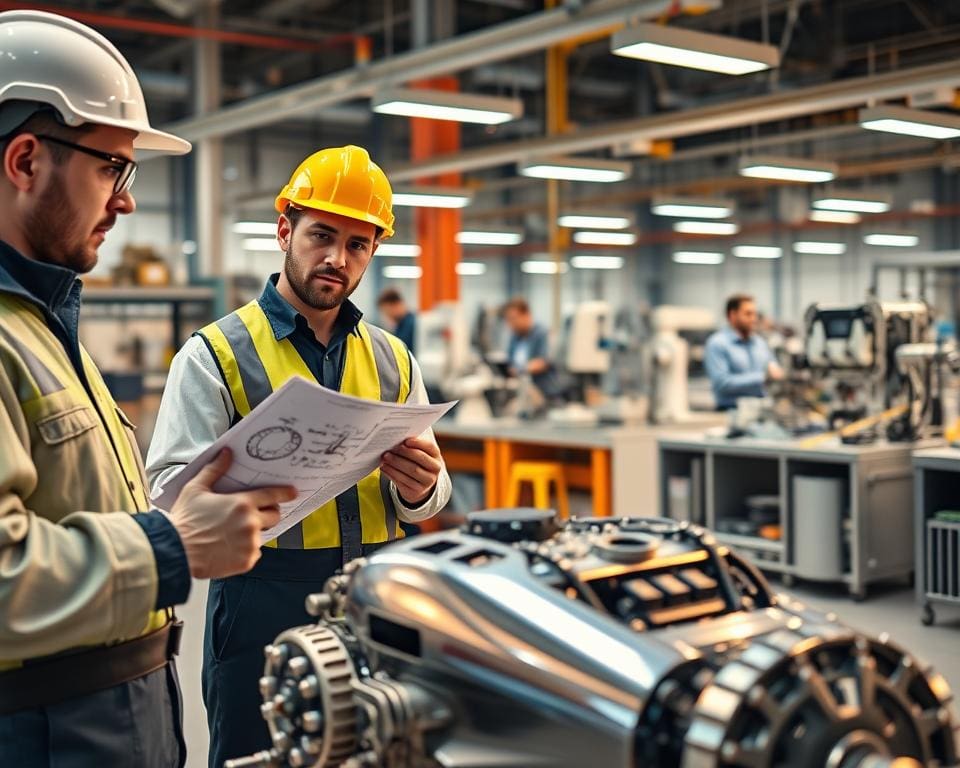
Mechanical engineers play a vital role in shaping the future through their commitment to innovation. As key players in the fields of design, analysis, and manufacturing, they are instrumental in propelling technological advancements that address complex challenges across diverse industries. The engineering impact made by mechanical engineers is profound; they not only enhance efficiency but also champion sustainable practices. By transforming innovative concepts into tangible realities, these professionals are paving the way for a better tomorrow.
The Role of Mechanical Engineers in Technological Advancement
The role of mechanical engineers is pivotal in driving the technological advancement of various industries. Their expertise spans multiple sectors, including automotive, aerospace, and renewable energy. By harnessing engineering innovation, they contribute significantly to creating state-of-the-art products that meet consumer demands while expanding the possibilities of modern technology.
In development processes, mechanical engineers are essential in designing and refining systems to enhance efficiency and functionality. Their analytical skills allow them to optimise structures and mechanisms, ensuring that every creation serves its purpose effectively. Engineers often collaborate with interdisciplinary teams, fostering a rich environment for exploring cutting-edge solutions.
Case studies from notable engineering consultancies reveal that over the years, mechanical engineers have pioneered projects that lead to significant breakthroughs. These initiatives showcase their ability to integrate advanced technologies, solidifying their status as key players in the pursuit of innovation.
Innovative Design Processes and Methodologies
Innovative design processes stand at the forefront of bringing ideas to life in mechanical engineering. This approach thrives on continuous evolution and involves various methodologies that enhance the journey from concept to production.
Iterative Design and Prototyping
Iterative design plays a crucial role in fine-tuning concepts. By continuously testing and refining designs, engineers can identify potential issues early in the process. This ongoing feedback loop allows for adjustments based on real-world applications, leading to more robust outcomes. Prototyping acts as a critical tool in this phase, providing tangible models that validate ideas before committing to full-scale production.
Computer-Aided Design (CAD) Techniques
Utilising advanced CAD techniques revolutionises the design landscape. Software like AutoCAD and SolidWorks empowers engineers to create highly precise models, fostering collaboration among teams. These tools streamline the design process, enabling efficient modifications and enhanced visualisation of products. By integrating innovative design processes with powerful CAD capabilities, teams can navigate complex projects while minimising errors and optimising performance.
How do mechanical engineers drive innovation?
Mechanical engineers play a pivotal role in driving innovation across various industries. Their ability to blend engineering creativity with technical expertise allows them to develop groundbreaking solutions that address emerging challenges. This creative problem-solving mindset is crucial in a world where technological advancements unfold at an unprecedented pace.
Insights from leading professionals in the field indicate that successful engineers are not just adept at using existing technologies but are also keen on exploring new methodologies that enhance their work. This approach leads to a vibrant landscape of mechanical engineering innovations, ranging from state-of-the-art machinery to advanced manufacturing processes.
The dynamic nature of the industry demands adaptability, enabling engineers to keep pace with fluctuations in market needs and consumer expectations. Statistical data illustrate the significant contributions of this field, highlighted by an increase in patent filings that capture the essence of driving innovation and technical advancement.
Collaboration across disciplines serves as a catalyst for fresh ideas and solutions. Working alongside professionals from various sectors, mechanical engineers merge their unique insights with diverse perspectives, fostering an environment rich in creativity and innovation.
Sustainable Engineering Practices
Sustainability is a driving force in contemporary mechanical engineering. As environmental challenges become increasingly pressing, the integration of eco-friendly practices into engineering processes has gained paramount importance. Mechanical engineers are at the forefront of this movement, ensuring that energy efficiency and green manufacturing techniques are central to their designs. This section explores the innovative approaches adopted by professionals in the field to embrace sustainable engineering.
Energy Efficiency in Mechanical Systems
Energy efficiency is a critical component of sustainable engineering. Mechanical engineers are designing systems that not only consume less energy but also harness renewable sources effectively. Cutting-edge technologies are being implemented to optimise performance, reduce waste, and lower carbon footprints. Innovations include:
- Smart sensors that monitor and adjust energy use in real time.
- Advanced materials that enhance thermal insulation and energy retention.
- Integration of renewable energy systems into existing mechanical frameworks.
These advancements demonstrate how energy efficiency can be achieved without sacrificing functionality, thus meeting both commercial needs and sustainability goals.
Green Manufacturing Techniques
Green manufacturing techniques focus on minimising environmental impacts while maximising resource efficiency. Companies such as Siemens are exemplifying this commitment through the adoption of practices that prioritise sustainability throughout the production process. Key strategies include:
- Utilisation of eco-friendly materials that reduce reliance on non-renewable resources.
- Implementation of waste reduction strategies, including recycling and reusing materials.
- Adoption of lean manufacturing principles to streamline processes and enhance product quality.
The shift towards green manufacturing not only benefits the environment but also offers economic advantages, making it a wise choice for companies dedicated to sustainable engineering.
Cross-Disciplinary Collaboration
In today’s rapidly evolving technological landscape, the importance of collaboration among various engineering disciplines cannot be overstated. Cross-disciplinary collaboration paves the way for innovative solutions by allowing professionals to share diverse perspectives and expertise. When mechanical engineers engage in partnerships that transcend their own field, they unlock pathways to groundbreaking advancements that might otherwise remain undiscovered.
Partnerships with Other Engineering Disciplines
Effective engineering partnerships among different specialisations lead to improved project outcomes and enhanced problem-solving capabilities. By sharing knowledge and skills, engineers can approach challenges from multiple angles. This collaborative spirit is vital in areas such as robotics, where mechanical engineers can work alongside electrical and software engineers to create integrated systems. Such teamwork fosters an environment where creativity flourishes and truly innovative solutions emerge.
Engagement with Industry and Academia
Industry engagement and academic collaboration play crucial roles in bridging the gap between theory and practice. Joint research initiatives between universities and industry partners enable the exploration of practical applications for emerging technologies, particularly in the renewable energy sector. These collaborations not only enhance students’ educational experiences but also drive innovation through shared insights and resources.
The Impact of Emerging Technologies
The landscape of mechanical engineering is undergoing a remarkable transformation, driven by emerging technologies that redefine traditional practices. The integration of artificial intelligence into design processes is a key aspect of this evolution, enhancing capabilities and improving operational efficiencies. With AI, engineers can leverage data analytics to optimise their designs, leading to innovations that were once thought impossible.
Artificial Intelligence in Mechanical Engineering
Artificial intelligence has become a pivotal tool in mechanical engineering, providing sophisticated analytical capabilities. By harnessing vast amounts of data, engineers can predict performance outcomes and refine designs with unprecedented accuracy. Not only does this lead to improved product quality, but it also accelerates the time from concept to market. The future lies in leveraging AI’s potential to create smarter, more responsive engineering solutions.
3D Printing and Additive Manufacturing
3D printing, a significant aspect of additive manufacturing, is revolutionising production methods. This technology allows for the creation of complex geometries that traditional manufacturing processes struggle to achieve. Companies adopting 3D printing report enhancements in production speed and flexibility. The versatility of additive manufacturing opens new avenues for innovation, allowing engineers to experiment and iterate designs rapidly without the limitations of conventional fabrication methods.
These advancements underscore a dynamic shift within the field, where emerging technologies such as artificial intelligence and additive manufacturing are not just trends but integral components of the engineering process. Embracing these innovations is essential for engineers aiming to stay ahead in an increasingly competitive landscape.
The Future of Innovation in Mechanical Engineering
The landscape of mechanical engineering is poised for transformative growth as it adapts to address modern challenges. As we look towards the future of engineering, it becomes evident that the evolution of digital technologies will play a pivotal role. Innovations such as advanced simulations and data analytics are anticipated to enhance design processes, streamlining workflows and ensuring precision. Industry forecasts suggest that these advancements will significantly reshape how engineers approach problem-solving, ultimately driving engineering innovation.
Moreover, sustainability remains a key priority as the demand for environmentally responsible practices escalates. The integration of sustainable materials and renewable energy systems is expected to dominate mechanical engineering trends moving forward. Engineers will increasingly focus on creating designs that minimise waste and energy consumption, aligning with global efforts to combat climate change. This focus not only enhances the performance of mechanical systems but also addresses the ethical considerations embedded in contemporary engineering practices.
Thought leaders in the industry foresee the synergistic effects of artificial intelligence and automation as they become prevalent in design and manufacturing. With data-driven decision-making becoming a norm, mechanical engineers will have the tools to foster innovation that is both rapid and adaptable. Market analysts predict emerging fields will thrive, particularly as collaborative platforms continue to evolve, enabling cross-disciplinary partnerships. As we venture into the next decade, the future of engineering beckons a wave of exciting opportunities that mechanical engineers will undoubtedly harness for the betterment of society.