
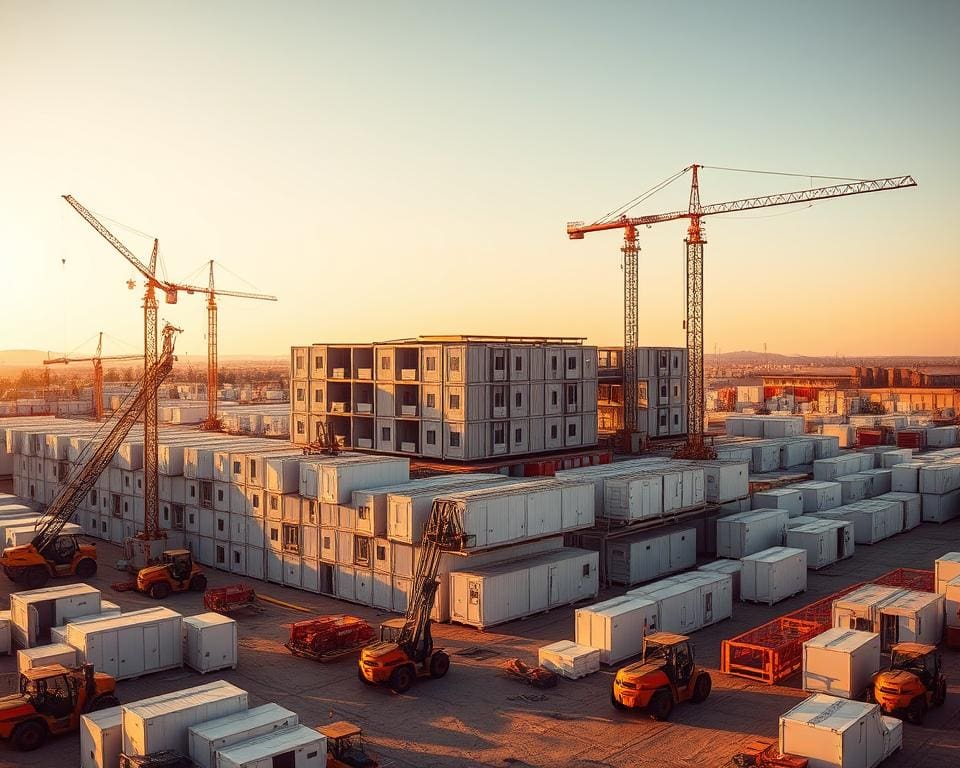
In today’s rapidly evolving landscape of the UK construction industry, modular building methods are increasingly recognised for their transformative potential. This innovative construction process involves creating buildings in controlled environments, off-site, which markedly contrasts with traditional methods. The benefits of modular building methods extend beyond mere efficiency; they promise significant advancements in speed, cost savings, sustainability, and adaptability. As the industry grapples with pressing issues such as housing shortages and the urgent need for environmental responsibility, embracing these methods presents an inspiring pathway forward for stakeholders and consumers alike.
Introduction to Modular Building Methods
Modular construction is an innovative approach to building that has gained popularity over recent decades. Its roots can be traced back to the early 20th century, where the concept of prefabrication began to take shape. The introduction of modular methods marked a transformative period in architecture, as they offered faster and more efficient ways to create structures.
Throughout history, various types of modular buildings have emerged, catering to the evolving needs of society. From simple, pre-fabricated homes to large commercial structures, these buildings exemplify flexibility and adaptability in design. The modern era has seen a resurgence in modular construction, as businesses and homeowners alike seek sustainable alternatives in the face of economic pressures and environmental concerns.
Understanding the wide array of modular building types enhances appreciation for their potential applications across multiple sectors. As this sector continues to evolve, it not only reshapes the architectural landscape but also sets the stage for the future of building practices in the UK.
Speed of Construction
In the realm of construction, time is often of the essence. Modular building methods stand out for their remarkable speed of construction, drastically altering traditional timelines. This approach allows for concurrent activities, where site preparation can occur alongside the fabrication of modules. Such time-saving strategies significantly shorten project turnaround times, delivering buildings at an impressive pace.
Time-Saving Advantages
The benefits of modular construction efficiency extend beyond mere speed. By streamlining processes, deadlines become more manageable. Key advantages include:
- Reduction in overall construction duration, often by up to 50%
- Enhanced scheduling flexibility, allowing for rapid adjustments
- Concurrent construction phases that optimise workflows
These time-saving advantages resonate deeply with developers who aim to satisfy urgent housing needs and adhere to strict timelines.
Quick Turnaround for Projects
As the demand for new developments continues to rise, quick turnaround for projects becomes a priority. Modular construction empowers builders with the tools necessary to meet these expectations. With shorter project timelines, stakeholders can swiftly respond to emerging market needs. The inherent efficiencies of this method ensure that constructions are completed not only faster but with the same level of quality traditionally associated with longer processes.
Cost Efficiency in Modular Construction
In the realm of construction, prioritising cost efficiency remains essential for successful project delivery. Modular construction offers significant advantages that positively impact budgeting in construction. By embracing innovative techniques, stakeholders can achieve considerable savings while maintaining quality standards.
Reductions in Labour Costs
Employing skilled workers within controlled factory environments streamlines the construction process. This focused approach reduces labour costs as on-site labour requirements diminish. The prefabrication of building components enhances not only efficiency but also consistency in workmanship, fostering a seamless flow from design to execution.
Lower Material Wastage
Another beneficial aspect of modular construction lies in the remarkable reduction of material wastage. Precise manufacturing processes enable accurate material estimates, which leads to optimal utilisation of resources. When resources are meticulously managed, overall project costs shrink. The integration of these practices strengthens the case for modular building methods within the industry.
What are the benefits of modular building methods?
In today’s world, the need for sustainable building practices cannot be understated. Modular building methods present a compelling solution, offering numerous environmental benefits while meeting the increasing demand for eco-friendly construction. By adopting these innovative approaches, developers and consumers alike can contribute positively to the planet.
Sustainability and Environmental Impact
Utilising energy-efficient modular buildings ensures that resources are used wisely throughout the construction process. The use of responsibly sourced materials, combined with efficient design principles, minimises waste. Furthermore, modular construction significantly reduces the carbon footprint associated with traditional methods, aligning closely with sustainability goals.
Energy-Efficient Designs
Energy-efficient modular buildings exemplify the future of construction. These designs incorporate eco-friendly technologies that enhance energy performance, resulting in lower operating costs. Well-insulated units and energy-efficient systems reduce reliance on non-renewable resources, bringing about significant savings for occupants. As more developers embrace these techniques, the impact on the environment becomes increasingly positive.
Flexibility and Customisation
Modular building methods stand out for their remarkable flexibility and customisation options. This approach enables a more collaborative process between builders and clients, ensuring that every project aligns closely with individual requirements. Unlike traditional construction, which often confines projects to predetermined designs, modular building adaptability allows for adjustments that cater to specific preferences.
Incorporating flexibility into the design process fosters a client-oriented design philosophy. Clients can engage actively in shaping their spaces, leading to a sense of ownership and satisfaction with the final result. The ability to modify layouts, materials, and finishes makes modular buildings suitable for diverse cultural and geographical contexts.
Adapting to Client Needs
The essence of customisation lies in understanding client needs. Each project can reflect distinct tastes, preferences, and functional requirements. Aspects such as open-plan layouts or eco-friendly features can be integrated seamlessly, emphasising the adaptability of modular construction. The user-driven nature of these designs ensures that the finished structures resonate more profoundly with their occupants.
This innovation has been demonstrated in numerous bespoke projects throughout the UK. From residential homes to commercial spaces, the inherent flexibility in modular construction proves its worth by bringing dreams to life. Clients are no longer limited by the constraints of conventional building, exploring a vast array of design choices tailored for them.
Enhanced Quality Control
Quality control stands as a paramount aspect of modular construction, providing a compelling case for its widespread adoption. The factory environment allows for rigorous adherence to modular building standards, creating a systematic approach to ensuring construction quality. Each module undergoes consistent quality checks throughout production, resulting in fewer defects and superior durability.
Statistics reveal that structures built using modular methods frequently exceed the longevity and reliability of traditional construction practices. By implementing a meticulous quality control process, builders can ensure that every component meets exacting standards. This leads to buildings that not only perform better but also require less maintenance over their lifespan.
Investing in quality control within modular construction translates to a more robust outcome, fostering confidence among developers and clients alike. With the assurance of superior construction quality, modular buildings can revolutionise the industry’s approach to reliability and effectiveness.
Improved Safety Standards
In the realm of construction, safety cannot be compromised. Modular construction stands out by adhering to enhanced safety standards that significantly elevate work environment safety. By shifting much of the building process to a factory-controlled setting, risks associated with unpredictable site conditions are greatly minimised, fostering a safer workspace for all involved.
Implementing robust modular construction safety protocols forms the backbone of this approach. Factories that specialise in producing modular buildings often enforce stricter guidelines to ensure compliance with regulations, leading to fewer workplace injuries. This commitment to safety is not merely a regulatory obligation but a fundamental value embraced by leading companies in the industry.
Safer Work Environments
By centralising the construction process, modular methods reduce exposure to common hazards found in traditional settings. Workers engage in tasks within a protected environment, which significantly lowers accident rates. Adopting these safety protocols demonstrates an unwavering dedication to not only the health of workers but also to the successful delivery of projects, ultimately enhancing the reputation of those involved in modular construction.
Organisations prioritising safety thrive in creating innovative solutions that ensure the well-being of personnel while achieving project goals effectively. As modular construction continues to evolve, its emphasis on improved safety standards stands at the forefront, paving the way for a more secure future in the building industry.
Reduced Environmental Footprint
Modular construction significantly lowers its environmental footprint compared to traditional building methods. One of the standout advantages stems from the fact that the assembly process requires less on-site activity, which results in minimal disturbance to local communities. This streamlined approach allows for construction that respects and coexists with the natural environment.
Less Disruption to Local Areas
The efficient assembly practices of modular buildings mean that less noise and pollution are generated during construction. This consideration is crucial for maintaining community harmony, particularly in residential zones. Fewer deliveries and reduced heavy machinery usage contribute to a lower local area impact, fostering goodwill among residents and enhancing the overall quality of life.
Recyclable and Sustainable Materials
Utilising recyclable materials and focusing on sustainable sourcing forms a cornerstone of modular construction. Many companies prioritise eco-friendly options, aiming to minimise waste and support the UK’s objectives to decrease landfill contributions. The choice of materials and methods reflects a commitment to preserving ecosystems and embracing a more sustainable future, aligning perfectly with modern environmental goals.
Innovative Technologies in Modular Construction
The exciting world of modular construction is rapidly evolving, driven by innovative technologies that enhance efficiency and sustainability. Leading this charge are developments such as Building Information Modelling (BIM) and 3D printing, which are transforming the traditional methods of designing and manufacturing modular buildings. These digitisation advancements not only streamline processes but also ensure that projects are completed with greater accuracy and precision.
Moreover, the integration of advanced robotics in the construction process significantly reduces the potential for human error, leading to higher quality outcomes. As these innovative technologies continue to evolve, they promise to reshape the future of modular construction, enabling a shift towards smart building solutions. These intelligent systems can create responsive environments that cater to the needs of modern occupants, enhancing comfort and functionality in ways previously unimagined.
Looking ahead, the future of modular construction holds immense potential. The seamless integration of smart technologies with modular design not only promotes enhanced energy efficiency but also encourages the development of sustainable living spaces. As the industry progresses, embracing these innovative technologies will be crucial in creating buildings that are not just structures but also adaptive, environmentally-friendly spaces for communities.