
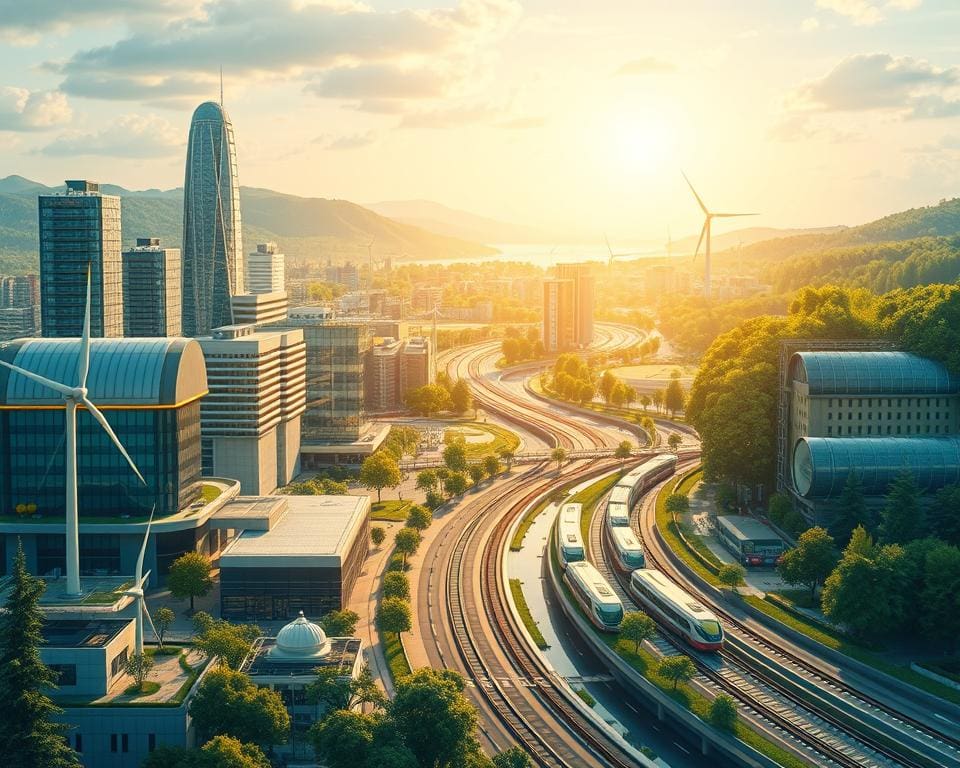
Sustainable engineering is an ever-evolving discipline that plays a pivotal role in addressing the pressing environmental challenges of our time. As the world grapples with climate change, rising energy demands, and resource depletion, innovative engineering trends are emerging to pave the way for a more sustainable future. This article delves into the significant trends shaping sustainable engineering, including the rise of renewable energy sources, the adoption of circular economy principles, and the implementation of green building initiatives. These transformative approaches are not merely technical adjustments; they represent a profound shift in how we design and utilise resources to foster sustainable development and combat climate change.
Introduction to Sustainable Engineering Trends
The realm of sustainable engineering is evolving rapidly, driven by a collective commitment to environmental sustainability. With the pressing challenges posed by climate change and resource depletion, engineers are embracing sustainable trends in their designs and practices. Engineering advancements have led to innovative solutions that optimise resource utilisation while minimising ecological footprints.
Green technology plays a crucial role in this transformation, offering tools and methodologies that enhance efficiency and promote sustainability. This trend is particularly significant for educators and students, as understanding its implications can shape future generations of engineers who prioritise eco-friendly practices. By incorporating sustainability into engineering curricula, we prepare professionals equipped to tackle the environmental challenges of tomorrow.
The Rise of Renewable Energy Sources
The shift towards renewable energy sources represents a significant milestone in the journey towards a more sustainable future. As global awareness of climate change intensifies, innovative approaches in both solar and wind energy are transforming the landscape of energy production. Stakeholders, including governments and private sectors, are investing heavily in solar innovations and wind energy technologies, gearing towards an energy transition that promises sustainability and efficiency.
Solar Energy Innovations
Cutting-edge solar innovations are enhancing the way solar energy is harnessed and utilised. Advancements in photovoltaic technologies, including bifacial solar panels and concentrated solar power systems, are increasing energy output while reducing costs. Furthermore, the development of more efficient solar thermal systems expands the potential for domestic and industrial applications. Energy storage solutions, such as lithium-ion batteries, are evolving to support solar energy, allowing for seamless integration into national grids.
Wind Energy Developments
In parallel with solar advancements, the sector of wind energy is undergoing remarkable transformations. Larger turbine capacities and offshore wind farms signify a commitment to harnessing wind as a sustainable energy source. These developments enable the generation of substantial power while minimising the land use impact. Companies like Siemens Gamesa have emerged as frontrunners in this field, pushing the boundaries of what wind energy can achieve in the quest for a greener planet.
What are the main trends in sustainable engineering?
The landscape of sustainable engineering is evolving, driven by innovative approaches that embrace both environmental stewardship and economic feasibility. Circular economy practices play a pivotal role in this transformation, advocating for systems that prioritise resource efficiency through recycling and reuse. These practices contribute to minimising waste generation and promote a sustainable future. As we explore these emerging trends, it becomes evident that integrating eco-friendly construction methods can significantly impact our built environments.
Circular Economy Practices
The implementation of circular economy practices in sustainable engineering encourages designs that are not only functional but also environmentally responsible. By closing the loop in product life cycles, engineers are able to reduce reliance on finite resources. This approach includes the use of reclaimed materials and energy recovery processes, fundamentally altering how we perceive waste. Such strategies enhance sustainable practices and pave the way for a more resilient and adaptable economy.
Green Building Initiatives
Green building initiatives are redefining modern architecture, with an emphasis on sustainable materials and energy-efficient designs that contribute to lower carbon footprints. Projects accredited through schemes like LEED and BREEAM highlight the importance of eco-friendly construction in urban development. These certifications reinforce a commitment to sustainable practices, ensuring that buildings are not only aesthetically pleasing but also environmentally beneficial. Embracing green building methods leads to sustainable urban landscapes that support both current and future generations.
The Role of Technology in Sustainable Engineering
Technology stands at the forefront of sustainable engineering, driving innovation and transformation across industries. Key advancements such as smart sensors, artificial intelligence, and data-driven design are shaping how projects are conceived, executed, and assessed for their environmental impact.
Smart Sensor Technologies
Smart sensors are pivotal in enabling real-time monitoring and analysis of various systems. This ensures that energy and resources are used efficiently. These devices collect valuable data, providing insights that help optimise operations, reduce waste, and enhance the overall sustainability of projects.
AI and Machine Learning Applications
The integration of AI in engineering is revolutionising design practices. By utilising predictive analytics and machine learning models, engineers can develop solutions that prioritise sustainability throughout project lifecycles. This not only minimises energy consumption but also encourages innovative approaches towards environmental conservation.
Data-Driven Design Approaches
Data-driven design has become essential in assessing the environmental impacts of engineering projects. Utilising sophisticated software platforms like Autodesk and EnergyPlus, professionals can simulate outcomes, ensuring that sustainability goals are met effectively. Such approaches enable better performance metrics and foster accountability in achieving desired results.
Policy Developments Influencing Sustainable Engineering
Significant shifts in engineering policy are revolutionising the sustainable engineering landscape. Governments are increasingly recognising the importance of green project incentives, thereby nurturing the growth of environmentally friendly technologies. Tax credits, funding initiatives, and various support schemes make the transition to sustainable practices more attractive. The UK government has made strides in this area, advancing legislation that encourages investments in renewable energy as part of a broader climate policy.
International agreements play a crucial role in driving sustainable engineering forward. Agreements such as the Paris Agreement and the UN’s Sustainable Development Goals establish ambitious targets for sustainability that many nations strive to meet. These sustainability agreements foster collaborative efforts among countries and industries, promoting the sharing of ideas and innovations that address pressing climate challenges. With engineering policy at the forefront, there is a vibrant potential for progress in sustainable engineering practices.
Future Trends and Innovations in Sustainable Engineering
The future of engineering is poised for remarkable advancements as innovative solutions emerge to address the pressing challenges of our time. As we look ahead, trends in sustainability will significantly influence design philosophies and the technologies utilised across the engineering landscape. Engineers will increasingly seek to harmonise industrial practices with the natural environment, fostering a dual focus on productivity and environmental stewardship.
Innovations such as blockchain technology may revolutionise supply chain management, enhancing transparency and accountability in sustainable practices. Furthermore, the principles of biomimicry are set to inspire new designs, enabling engineers to draw lessons from nature’s efficiency and resilience. These engineering innovations not only promise to elevate sustainability practices but also to redefine the relationship between humanity and the ecosystem.
As societal demands for sustainable solutions intensify, the responsibility falls on both emerging start-ups and established firms to provide creative, effective approaches. The dynamic interplay of creativity and technology will pave the way for a future where engineering is synonymous with sustainability, ultimately shaping a world that is both innovative and environmentally conscious.