
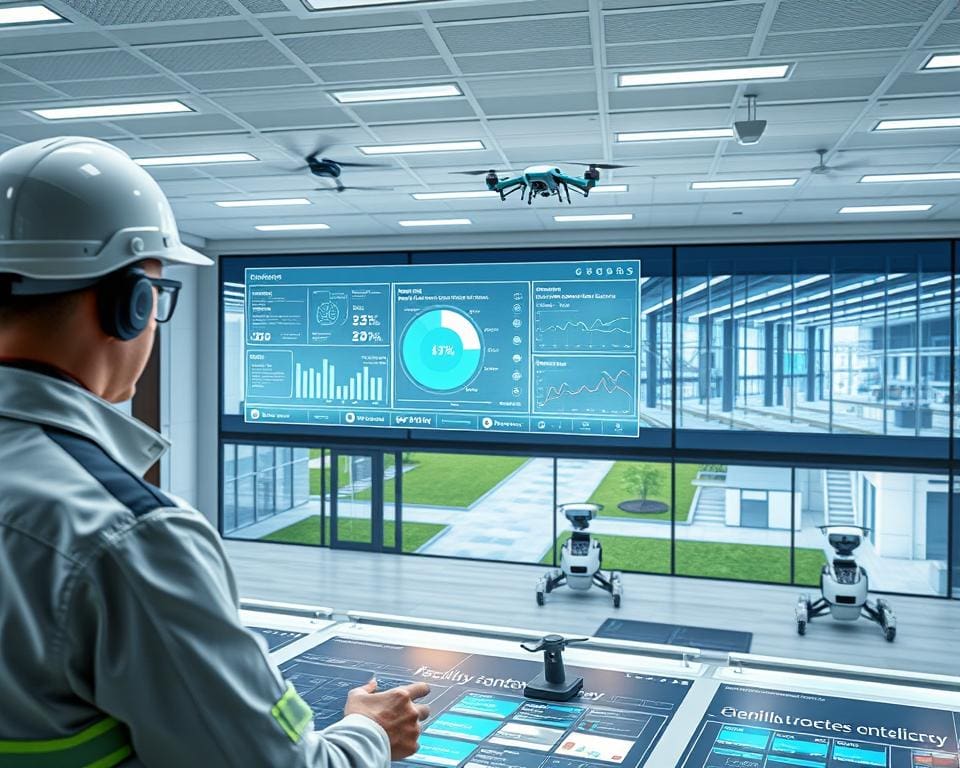
The Internet of Things (IoT) is revolutionising facility management, enabling a profound transformation in how buildings are operated and maintained. By connecting a multitude of devices, sensors, and systems, IoT facilitates seamless communication and real-time data collection, which are essential for informed decision-making. As we delve into the dynamic world of smart buildings, it becomes evident that IoT plays a crucial role in enhancing operational efficiency, reducing costs, and spurring innovation within the sector. Embracing these advancements is not just a trend but a strategic move towards a more effective and sustainable future in facility management.
The Rise of the Internet of Things in Facility Management
The rise of IoT technologies has ushered in a new era within facility management. As organisations embrace smart technology adoption, they increasingly rely on the Internet of Things to optimise operations. The proliferation of connected devices allows for enhanced monitoring and automation, transforming how resources are managed.
Facility management trends show a marked shift towards data-driven solutions. By utilising IoT devices, facilities can track performance metrics in real time, ensuring more effective decision-making. This approach not only improves operational efficiencies but also supports strategic planning initiatives.
Statistics from industry analysts indicate that a significant percentage of facilities are integrating IoT solutions into their systems. The traditional methods of management are being replaced by innovative strategies that leverage digital advancements. Remote monitoring capabilities, facilitated by cloud services, contribute to improved responsiveness and resource allocation.
Understanding the Core Benefits of IoT in Facilities
The integration of the Internet of Things (IoT) in facility management presents significant core benefits that enable organisations to enhance their operational excellence. The adoption of IoT technologies not only streamlines processes but also leads to remarkable resource optimisation and minimises downtime.
Enhanced Operational Efficiency
One of the primary IoT advantages is the potential for enhanced operational efficiency. Facilities equipped with smart devices and sensors can automatically track and manage resources, leading to a more fluid workflow. These technologies facilitate proactive maintenance, ensuring that equipment operates at peak performance levels. Enhancing operational efficiency not only lowers costs but also improves staff productivity, driving overall effectiveness in facility management.
Data-Driven Decision Making
Data-driven decisions are paramount in today’s dynamic operational environment. IoT devices generate real-time analytics that provide facility managers with actionable insights. This information enables informed choices, minimising risks and optimising workflows. Companies such as Siemens and Johnson Controls exemplify the power of data-driven strategies through their pioneering smart building projects. By leveraging these insights, organisations can effectively capitalise on IoT advantages, enhancing strategic planning.
How does IoT transform facility management?
The IoT transformation in facility management heralds a new era of operational efficiency and tenant satisfaction. With the implementation of facility management solutions that leverage IoT technologies, buildings can become more adaptive and responsive to the needs of their occupants. This shift not only streamlines operational processes but also enhances user experiences through improved interactions and services.
Smart technology benefits emerge from integrating IoT devices into various functionalities within facilities. For instance, sensors can monitor environmental conditions, adjust lighting, and even manage energy consumption in real-time. Such capabilities result in smarter facilities where both management and tenants enjoy heightened levels of comfort and efficiency.
Illustrating the power of IoT in action, various successful implementations reveal how this technology transforms spaces. The Edge, a leading example of sustainable office design, showcases the practical benefits of IoT integration for proactive facility management. Data-driven insights from this building exemplify the expansive potential of IoT, underscoring its ability to facilitate smoother operations and elevate tenant experiences.
Smart Building Technologies and Their Impact
In an era where efficiency and sustainability are paramount, smart building technologies represent a transformative force within facility management systems. These innovations harness the power of IoT integration to revolutionise how buildings operate. For instance, smart HVAC systems and intelligent lighting solutions optimise energy use while enhancing occupant comfort. Security systems equipped with IoT capabilities provide heightened surveillance and improved safety measures.
Integrating IoT Solutions into Existing Systems
Integrating IoT solutions into existing facility management systems can be a daunting task. Challenges include compatibility with legacy systems and ensuring a smooth transition without disrupting daily operations. Best practices for a seamless integration involve thorough planning, testing, and training. Learning from successful case studies from industry leaders such as Honeywell and Schneider Electric showcases the potential and practical steps of implementing these smart technologies.
Real-Time Monitoring and Predictive Maintenance
In today’s rapidly evolving landscape, real-time monitoring stands as a cornerstone of effective facility management. The integration of IoT sensors revolutionises how organisations track the performance of their equipment. These sensors continuously assess conditions, providing invaluable data that facilitates predictive maintenance.
Through the power of real-time monitoring, businesses can foresee potential failures before they escalate into significant issues. This proactive maintenance approach not only maximises the lifespan of assets but also mitigates costs associated with emergency repairs. For instance, in manufacturing, companies employ IoT sensors to monitor machinery health, enabling timely interventions that prevent costly downtime.
The healthcare sector also benefits immensely from predictive maintenance. Medical equipment equipped with IoT sensors ensures operational readiness, safeguarding patient care and reducing the likelihood of equipment failure during critical moments. By harnessing the capabilities of real-time monitoring, organisations across various industries achieve seamless operations, driving efficiency and reliability.
Energy Management and Sustainability through IoT Solutions
The integration of Internet of Things (IoT) technologies plays a pivotal role in advancing energy management and promoting sustainability within facilities. This transformative approach fosters an environment where organisations can track and manage energy consumption with exceptional precision. As companies strive to meet ambitious sustainability goals, the importance of carbon footprint reduction becomes evident.
Reducing Carbon Footprint
IoT solutions provide a pathway for facilities to significantly lower their carbon footprints. By utilising smart meters and integrated sensors, organisations can monitor real-time energy usage, identifying inefficiencies and habits that contribute to excessive energy consumption. This data-driven approach enables strategic adjustments, reinforcing sustainability practices and allowing facilities to make informed decisions aimed at minimising environmental impact.
Cost Savings through Energy Efficiency
In addition to fostering sustainability, implementing IoT-driven energy management systems leads to considerable cost savings. The automation of lighting systems and heating, ventilation, and air conditioning (HVAC) systems optimises energy use, reducing unnecessary expenditure. Facility managers can analyse patterns gathered through these smart technologies, which empowers them to implement energy-saving initiatives that result in substantial financial benefits alongside their commitment to sustainable practices.
Enhancing Security and Safety in Facilities
The integration of IoT security solutions transforms facility management by significantly enhancing security and safety protocols. Surveillance technologies equipped with smart features provide real-time monitoring capabilities. This advanced approach enables facility managers to respond swiftly to any potential security threats, ensuring a safer environment for both employees and visitors.
Utilising IoT security solutions, facilities can implement sophisticated alarm systems and access control technologies. These innovations help ensure that only authorised personnel can enter critical areas, reducing the risk of security breaches. With intelligent cameras and sensors, it becomes easier to detect unusual activities, allowing for proactive measures rather than reactive responses.
Notable examples, such as the smart camera deployment by Cisco Meraki, illustrate the effectiveness of these technologies. These solutions not only monitor physical spaces but also analyse data trends to identify security vulnerabilities over time. Such insights empower facilities to strengthen their overall safety protocols continually.
The Future of Facility Management with IoT Innovations
The landscape of facility management is on the brink of transformation, driven by cutting-edge IoT innovations. As future trends unfurl, we are poised to witness a significant integration of artificial intelligence and machine learning capabilities. These advancements are set to elevate operational efficiency and user experience to unprecedented levels. Smart technology is not merely a buzzword; it’s becoming a necessity for optimal facility management.
Industry experts predict that the evolution of smart cities will also greatly influence facility management advancements. The seamless connection between various smart devices will render real-time data more accessible, driving informed decision-making processes. This integration of IoT solutions into existing infrastructure will foster environments that can adapt to the dynamic needs of users while ensuring sustainability and safety.
As we move forward, the potential of IoT in reshaping facility management is limitless. Organisations must stay abreast of emerging technologies, harnessing the power of smart technology to maintain a competitive edge. With the promise of enhanced services and streamlined operations, the future of facility management is set to be defined by innovation and adaptability.