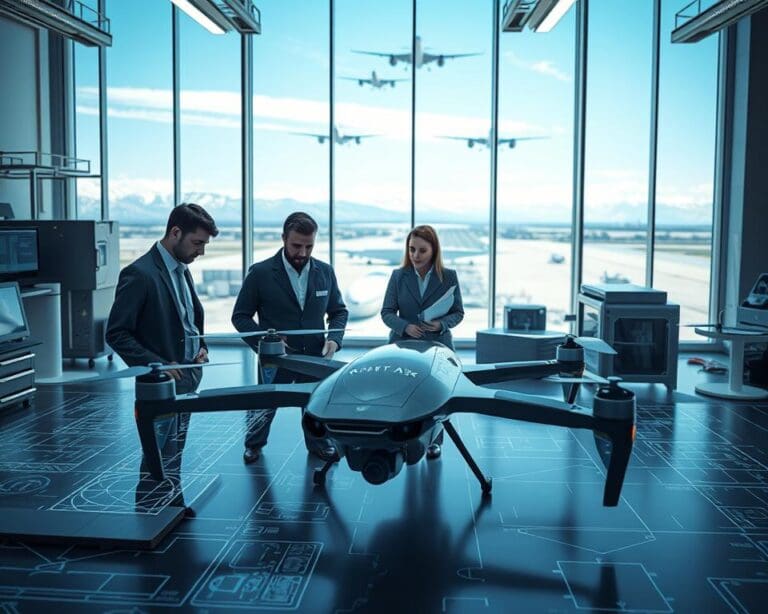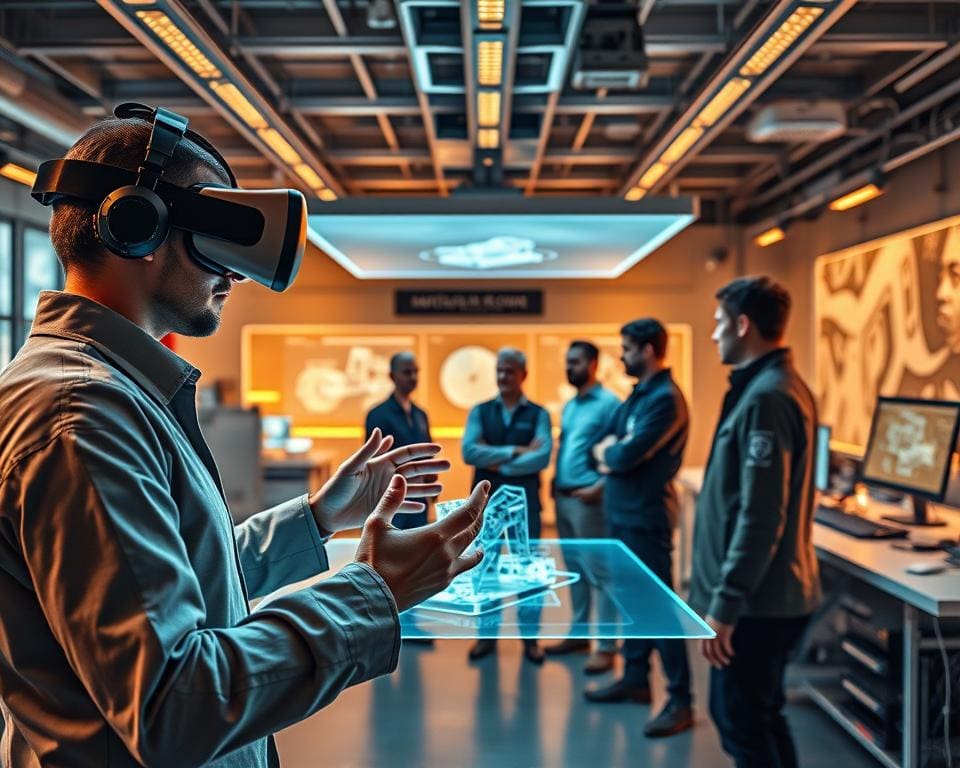
Virtual Reality in engineering is revolutionising how engineers approach both design and training. This innovative technology empowers engineers across various sectors to create immersive simulations, enhancing visualisation of complex concepts and designs. By leveraging VR design training, engineers can engage in highly interactive environments that not only stimulate creativity but also drive efficiency in problem-solving. As engineering innovations continue to evolve, VR technology in engineering has become a crucial asset, paving the way for future advancements in the field.
The Evolution of Virtual Reality in Engineering
The journey of Virtual Reality in engineering reflects a rich tapestry woven from creativity, technological advancement, and a vision for immersive experiences. The history of Virtual Reality showcases its inception in the 1960s with Ivan Sutherland’s pioneering work, which set the stage for the transformation of design methodologies in engineering. Various innovations and breakthroughs have catalysed the evolution of VR technologies, creating a platform for engineers to explore complex designs in unprecedented ways.
Historical Context and Development
The inception of VR can be traced back to the launch of the “Sword of Damocles,” the first head-mounted display system. This early framework provided a glimpse into what would later become a crucial tool for engineers. Over the decades, advancements in computer graphics and display technologies have further propelled the evolution of VR, leading to enhanced interactivity and realism in simulated environments. Engineers have since begun utilising these technologies to visualize and manipulate designs before real-world implementation.
Key Milestones in VR Technology
Among the significant milestones in VR, the introduction of immersive 3D environments has revolutionised engineering practices. Enhanced head-mounted displays brought VR closer to everyday applications, allowing engineers to experience projects from multiple angles and perspectives. Noteworthy innovations include:
- The launch of the Oculus Rift in 2016, which made VR more accessible and impactful in the design process.
- Advancements in software that enable seamless integration with CAD systems, promoting efficiency and accuracy.
- The development of collaborative VR spaces, which allow teams to participate in real time regardless of their physical locations.
Benefits of VR in Engineering Design
The introduction of virtual reality into engineering design has revolutionised the way professionals approach their projects. This technology enhances the design process with incredible visualisation capabilities and remarkably improves accuracy, ensuring that every detail is meticulously considered.
Enhanced Visualisation Capabilities
One of the primary advantages of VR in design is the ability to create immersive 3D models that bring concepts to life. Engineers can explore their designs in a virtual space, which makes it easier to spot potential issues before physical prototypes are developed. By employing VR visualisation tools, teams can engage in real-time collaboration, enabling stakeholders to experience the design as if it were already built. This level of immersive interaction helps to facilitate more informed discussions and decision-making processes.
Increased Design Accuracy
Furthermore, the integration of VR leads to improved design accuracy with VR by allowing engineers to make instant modifications based on feedback. Through interactive user interfaces, professionals can test various scenarios within virtual environments, ensuring that designs are optimised and functional. This capability not only enhances the final product but also significantly reduces the likelihood of costly revisions after the project reaches the implementation stage. The combination of enhanced visualisation and interactive feedback transforms engineering design into a more precise and efficient process.
How do engineers use VR for design and training?
Virtual Reality (VR) has revolutionised how engineers approach design and training, creating an immersive environment that facilitates engaging experiences. By seeking VR design feedback from stakeholders, engineers effectively ensure that everyone has a coherent vision of the project. This collaborative feedback loop leads to improved design outcomes, emphasising the importance of each contribution during design reviews.
Incorporating Feedback in Design Processes
Incorporating feedback into the design process is essential for creating successful engineering projects. VR allows multiple stakeholders to experience a project virtually, enabling them to provide real-time feedback in a shared space. This interaction fosters an environment of collective input, leading to enhanced accuracy and efficiency. By integrating VR design feedback, engineers make informed decisions that reflect the needs and insights of various team members.
Integrating VR with CAD Systems
CAD integration with VR has changed the landscape of engineering design. Software like Autodesk’s Revit and SolidWorks exemplifies how VR can complement traditional CAD systems. This integration provides engineers with a seamless transition from design to visualisation. The immersive nature of VR helps teams explore their designs three-dimensionally, identifying flaws or improvements before implementation. Engineering training VR programs further enhance these capabilities, ensuring that engineers acquire the skills needed to navigate these advanced technologies.
VR Applications in Engineering Training
Virtual reality is reshaping how engineering professionals undergo training by providing immersive experiences that replicate real-world situations. This innovative approach fosters hands-on learning without exposing individuals to hazardous environments. VR training simulations have emerged as a critical tool in preparing engineers for their roles, especially in fields where safety and precision are paramount.
Simulating Real-World Scenarios
With VR applications, engineers can practice complex operations and emergency protocols in a controlled setting. These realistic scenarios encourage proactive decision-making and improve problem-solving skills. By engaging in VR training simulations, learners experience the consequences of their actions without real-world risks, an invaluable aspect in engineering education.
Safety Training and Risk Assessment
Engineering safety training through VR not only enhances technical capabilities but also emphasises critical risk assessment skills. Companies like Siemens and Boeing utilise these immersive training modules to educate their workforce on hazard recognition and safety protocols. Participants engage in simulated emergency situations, learning to identify potential risks and respond effectively, thus creating a culture of safety-conscious professionals.
Influence of VR on Collaborative Engineering
The landscape of engineering is being transformed through the integration of virtual reality, profoundly affecting collaborative efforts within teams. In today’s interconnected world, effective collaboration is crucial, especially when team members are spread across various geographical locations. VR facilitates *remote engineering collaboration*, enabling engineers to engage in a virtual environment that mimics the shared experience of a physical workspace.
Remote Collaboration Tools
Several innovative tools have emerged that enhance *collaborative engineering with VR*. Platforms such as Spatial and Engage allow teams to brainstorm and solve problems in a dynamic virtual space. These tools empower engineers to interact in real time, presenting their ideas more vividly. The ability to visualise complex designs in these immersive environments streamlines the decision-making process.
Improving Team Dynamics and Communication
*VR for team communication* brings teams together, creating a platform where engineers can receive instant feedback in an immersive context. This interaction fosters a sense of unity, bridging the divides created by physical distances. By presenting ideas and concepts in VR, teams can engage more effectively, cultivating improved relationships and collaboration. The result is a more harmonious working dynamic that enhances productivity and innovation within engineering projects.
The Future of VR in Engineering
The future of VR in engineering promises to be transformative, with innovations on the horizon that have the potential to reshape design and training as we know it. Advancements in VR technologies, including artificial intelligence and cloud computing, are expanding how engineers interact with their projects, encouraging collaboration and creativity like never before.
Emerging Technologies and Innovations
Several emerging technologies are poised to revolutionise the landscape of VR in engineering. The integration of AI allows for smarter VR applications that can learn from user interactions, providing tailored experiences for design and training. Furthermore, cloud computing enables real-time collaboration across various locations, creating a seamless workflow among teams. These developments highlight the continuous evolution of VR technologies, making them increasingly essential for modern engineering practices.
Potential Challenges and Considerations
Despite the exciting potential, there are notable challenges in VR engineering that need addressing. High costs of implementation can deter small and medium-sized enterprises from adopting these innovative solutions. Additionally, software limitations may hinder the full capabilities of VR applications. User training remains a crucial element as well, ensuring that professionals can effectively utilise these sophisticated tools. Addressing these challenges will be vital in securing the widespread adoption of VR technologies within the engineering sector.
Case Studies of VR Implementation in Engineering
The evolution of VR in engineering is exemplified through a variety of compelling case studies that highlight its transformative power. One notable example is Boeing, which has successfully integrated VR into its assembly line training programmes. By simulating the work environment, new employees can gain hands-on experience without the associated risks or resource consumption, leading to a marked increase in efficiency and a significant reduction in training time. This is just one of several VR in engineering case studies that demonstrate how the technology can revolutionise traditional practices.
Another inspiring instance is Volvo’s utilisation of VR to enhance its vehicle design process. Engineers can engage with full-scale 3D models in a virtual environment, facilitating the testing and modification of designs long before a physical prototype is created. This approach streamlines workflows and helps avoid costly mistakes, showcasing the potential of real-world VR applications to improve design accuracy and innovation in engineering.
These engineering success stories not only illustrate the effectiveness of VR but also serve as a beacon for other companies aiming to harness this technology. As more organisations adopt similar strategies, the impact of VR on engineering practices is likely to continue growing, further emphasising the importance of these pioneering implementations in shaping the future of the industry.