
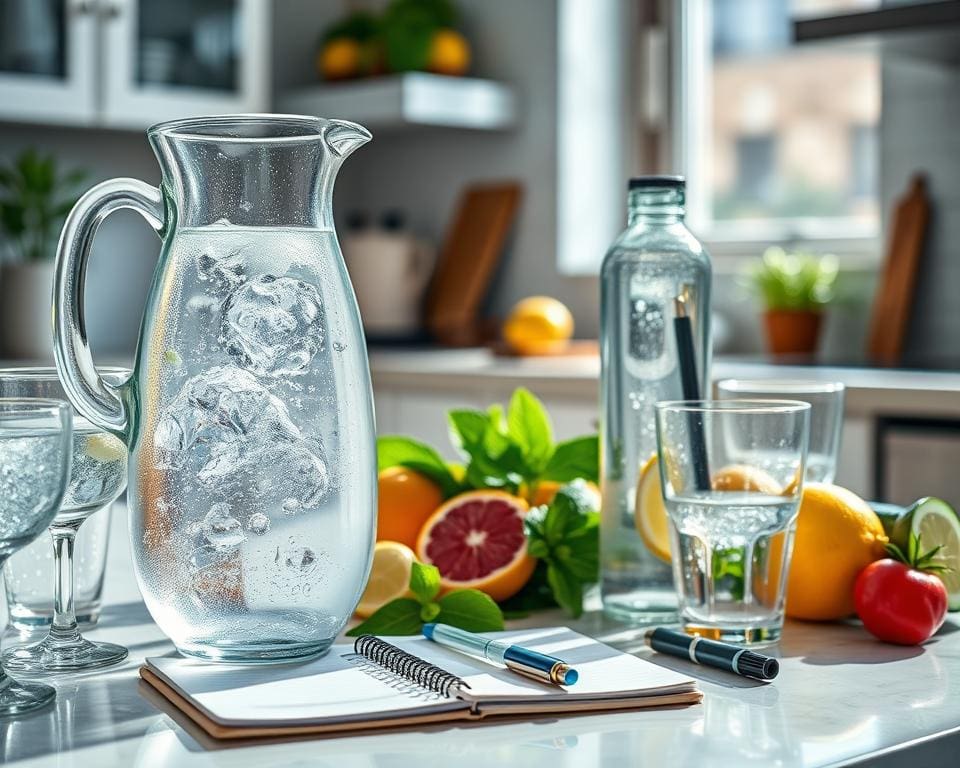
Hydration is a cornerstone of good health, influencing everything from energy levels to cognitive function. As we navigate our busy lives, it becomes increasingly important to explore effective hydration tips that can help maintain hydration consistently throughout the day. The benefits of hydration are numerous, encompassing improved organ function and joint lubrication, yet knowing how to achieve adequate daily water intake can often seem daunting.
This article will provide insightful methods and hydration products that can elevate your hydration game. From setting reminders to incorporate more fluid into your routine to understanding how much water you truly need, we will delve into the essentials that can help you thrive. By adopting small yet impactful changes, you can experience the life-changing effects of proper hydration.
Understanding the Importance of Hydration
Water is essential for life, playing a vital role in various bodily functions. The importance of hydration cannot be overstated, as it serves as the foundation for maintaining overall health and well-being. Proper hydration contributes to cellular processes, supports digestion, and aids in the transport of nutrients throughout the body. A deficiency in water can lead to a cascade of health issues, making it imperative to understand the signs and effects of dehydration.
The Role of Water in the Body
The role of water extends beyond merely quenching thirst. It is crucial for thermoregulation, acting as a coolant for the body during physical activities. Furthermore, water aids in the digestion and absorption of food, ensuring that essential nutrients reach their intended destinations. Regular intake of water helps to maintain homeostasis, preventing fatigue and confusion that may arise from a lack of adequate hydration.
Signs of Dehydration to Watch For
Recognising dehydration signs early can proactively address hydration issues. These signs often start subtly, with symptoms such as:
- Dry mouth
- Fatigue
- Dizziness
As dehydration progresses, symptoms can escalate, potentially resulting in more severe health problems. Being informed about these bodily functions of water is vital for ensuring optimal health and awareness in everyday life.
What helps you stay hydrated throughout the day?
Understanding how much water to consume daily plays a crucial role in meeting your hydration needs. Health organisations generally recommend a daily water intake of around 2.0 to 2.5 litres for the average adult. This amount may vary based on individual factors, encompassing activity levels, climate conditions, and overall health status. A tailored approach can significantly enhance your hydration strategy.
Daily Water Intake Recommendations
The guidelines for daily water intake suggest that it is essential to adjust consumption according to several personal and environmental factors. While the typical recommendation applies, variations in exercise intensity, climate, and personal health will dictate exact needs. Aiming for this range helps ensure that your body remains adequately hydrated throughout the day.
Factors Influencing Hydration Needs
Numerous factors affect hydration needs. Consider age, sex, and physical activity levels as prominent elements that influence how much water you require. For instance, younger individuals often have higher hydration demands, while physical exercise can increase fluid losses significantly. Additionally, environmental conditions, such as heat and humidity, play a vital role in determining your water requirements. Recognising these factors aids in creating a personal hydration strategy tailored to your lifestyle.
Practical Tips for Staying Hydrated
Incorporating hydration into your daily life can be a simple yet transformative practice. Taking small steps and using available tools can significantly enhance your water intake. Here are some effective strategies to help you stay on track with your hydration goals.
Setting Reminders to Drink Water
Setting hydration reminders throughout the day ensures you stay mindful of your water intake. Consider using alarms on your phone or sticky notes in visible places to prompt you to take a sip regularly. These practical hydration tips can break the habit of forgetting to drink water during busy moments.
Using an App to Track Your Intake
Water tracking apps are an excellent way to monitor your hydration habits. Many apps allow you to input your daily goals and log your water consumption, providing insights into your habits. Choosing an app that suits your style makes staying accountable for hydration easier.
The Benefits of Drinking Water First Thing in the Morning
Starting the day with a glass of water brings numerous morning hydration benefits. It helps kick-start your metabolism, rehydrates your body after sleep, and contributes to a productive morning routine. Making this a habit can positively influence your overall health and energy levels.
Flavouring Your Water: Making Hydration Enjoyable
Staying hydrated can sometimes feel like a chore, but by incorporating flavouring water with natural ingredients, it transforms into a delightful experience. Discovering appealing fruit infusion recipes not only enhances the taste of plain water but also adds nutrition, making hydration a pleasure rather than a task.
Natural Fruit Infusions
Infusing water with fresh fruits elevates its flavour and infuses it with vitamins. Consider combinations such as lemon and mint for a refreshing zing, or cucumber and basil for a crisp taste. Other delightful options include:
- Strawberries with a hint of rosemary
- Orange slices with a dash of ginger
- Blueberries and lime for a zesty twist
These fruit infusion recipes can be prepared quickly by simply adding the fruits to a pitcher of water and letting it steep in the refrigerator for a few hours. This process allows the flavours to meld and create a refreshing drink that keeps you coming back for more.
Herbal Teas as a Hydrating Alternative
Herbal teas present another enjoyable hydration option, offering unique herbal tea benefits on top of their comforting flavours. Herbal brews can be enjoyed warm on cooler days or cold as iced teas. Popular choices include:
- Chamomile, known for its calming effects
- Peppermint, perfect for digestion
- Rooibos, rich in antioxidants
Blending these herbal ingredients into your hydration routine not only diversifies your drink options but also contributes to your daily water intake effortlessly. Incorporating these enjoyable hydration tips can make reaching your hydration goals much simpler.
Hydration Products Worth Considering
In a world where staying hydrated is crucial for wellness, choosing the right hydration products can significantly impact your everyday routine. The market offers a variety of options, from bottled water to innovative hydration packs and reusable water bottles, each with unique benefits. Understanding the differences between these hydration products can guide you in making informed decisions that suit your lifestyle.
Bottled Water vs. Tap Water: Which is Better?
When debating bottled water vs. tap water, consider factors such as access, environmental impact, and cost. Bottled water provides convenience, particularly on-the-go. It often ensures safe drinking water available in various flavours. On the other hand, tap water is typically less expensive, eco-friendly, and readily accessible in most places. Assessing these elements will help in selecting the optimal hydration source for your needs.
Hydration Packs and their Benefits
Hydration packs have garnered popularity, especially among athletes and active individuals. These convenient bags offer a hands-free way to stay hydrated during workouts or outdoor adventures. With their lightweight design and integrated reservoirs, hydration packs provide easy access to water without interrupting your activities. They enable efficient hydration, which is essential for performance and recovery.
The Best Reusable Water Bottles for Everyday Use
Embracing reusable water bottles contributes to sustainability and personal health. Several brands such as Hydro Flask and CamelBak offer features like double-walled insulation, which keeps beverages cold or hot for extended periods. Look for bottles made from safe materials, ensuring no harmful chemicals leach into your drinks. Ease of cleaning and portability are key considerations for everyday use, especially for those who maintain an active lifestyle.
The Role of Food in Hydration
Food plays a vital role in maintaining adequate hydration levels in the body. Incorporating hydrating foods into your daily meals can enhance your overall health and well-being. Among these, fruits and vegetables are standout options due to their high water content. As part of a well-rounded food hydration strategy, they can complement your fluid intake significantly.
Fruits and Vegetables High in Water Content
Many fruits and vegetables are not only packed with essential nutrients but also contribute to hydration. Consider the following options:
- Cucumbers
- Watermelon
- Oranges
- Strawberries
These hydrating foods are refreshing choices, making them perfect for snacking or incorporating into meals. Their natural sweetness and juiciness help keep hydration levels balanced while providing vitamins and minerals that are essential for health.
Healthy Snacks that Contribute to Hydration
In addition to fruits and vegetables, certain healthy snacks can further aid in hydration. These snacks can be both pleasurable and nourishing:
- Yogurt
- Smoothies
- Broths
These options often contain a high moisture content and complement the enjoyment of maintaining hydration. Including such healthy snacks in your diet not only helps to achieve hydration goals but also adds variety and flavour to your meals.
Staying Hydrated During Exercise
Hydration during exercise plays a crucial role in achieving peak performance. Understanding the right strategies to stay hydrated can significantly impact your overall workout experience. Both pre-workout hydration and proper post-workout recovery contribute to maintaining optimal energy levels and ensuring your body functions efficiently during physical activity.
Pre- and Post-Workout Hydration Strategies
Effective pre-workout hydration involves ensuring your body is adequately prepared for exercise. This typically includes drinking water or a suitable sports drink about 30 minutes prior to your workout. Staying hydrated not only boosts your endurance but also improves cognitive function, keeping you focused on your goals.
After completing your workout, post-workout recovery relies heavily on replenishing lost fluids. This involves rehydrating with water or sports drinks that contain electrolytes, aiding in a more effective recovery process. Listening to your body’s signals is essential to determine how much fluid you need to restore balance after vigorous activity.
Choosing the Right Sports Drinks for Hydration
The market is flooded with various sports drinks that promise hydration during exercise. Selecting the best sports drinks requires evaluating each option’s ingredient label. Look for drinks that are low in added sugars and high in electrolytes, as these are crucial for rehydrating after intensive workouts. Brands like Gatorade and Powerade offer a range of products designed to support hydration during exercise while promoting recovery.
Tips for Specific Lifestyles and Environments
Understanding hydration tips for lifestyles is essential, especially when considering the multitude of environments in which we live and work. For outdoor enthusiasts, having the right hydration gear—such as insulated water bottles or hydration packs—ensures that you remain adequately hydrated during your adventures. Always be mindful of the fluid intake in warm weather, as this is crucial in preventing dehydration and maintaining energy levels.
Individuals working in hot climates face unique challenges that necessitate tailored hydration strategies. Opting for lightweight, breathable clothing can help regulate body temperature, but pairing this with consistent water consumption is vital. Set reminders to maintain fluid intake throughout the day, and utilise techniques like drinking small amounts regularly rather than waiting until you feel thirsty.
Office workers also face their own hydration dilemmas, often sitting for long periods. Building habits for water consumption in sedentary jobs is crucial—keeping a water bottle on your desk can serve as a constant reminder. Integrating these environmental hydration strategies into your daily routine will equip you with the tools to overcome any hydration challenges, ensuring that you remain refreshed and revitalised throughout your day, no matter your lifestyle.