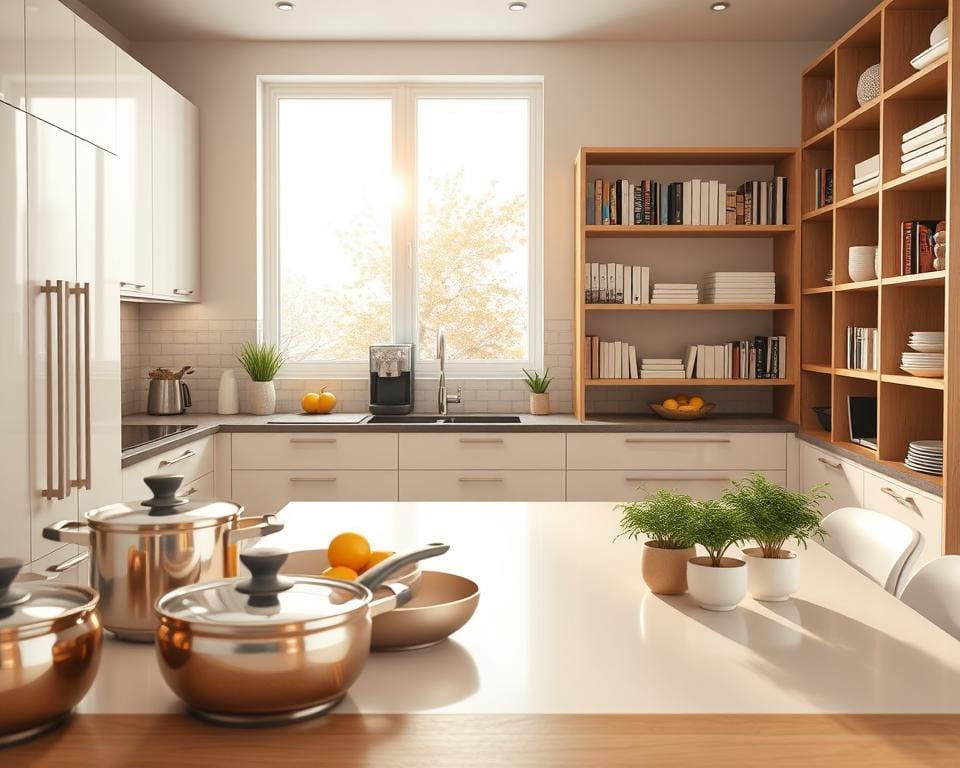
Creating a kitchen that is both functional and stylish is a rewarding challenge that blends modern kitchen aesthetics with practicality. As the heart of the home, a well-designed kitchen should cater to your cooking and dining needs while reflecting your personal style. This section introduces essential kitchen design tips to help you navigate the intricacies of functional kitchen design. By understanding the elements that contribute to both efficiency and elegance, you can cultivate a space that resonates with your tastes and enhances your everyday life.
Understanding the Essentials of a Functional Kitchen
Designing a kitchen that is both functional and stylish begins with a solid understanding of several key factors. From kitchen space evaluation to identifying personal cooking habits, every detail plays a vital role in creating an effective design. By exploring these elements, homeowners can ensure their kitchen will meet both aesthetic and practical purposes.
Evaluating Your Space
A comprehensive kitchen space evaluation involves assessing dimensions, layout, and potential obstructions. Begin by measuring walls and existing appliances to form a clear picture of the available area. This sets the foundation for an efficient kitchen layout that aligns with your needs. Consider traffic patterns, entry points, and the flow of movement as you plan your design.
Determining Your Needs
Identifying your functional kitchen needs greatly influences the final design. Consider your cooking style, frequency of meals prepared, and how many people typically use the kitchen at once. This information helps in determining essential features such as storage solutions and countertop space. Tailoring the kitchen layout essentials to suit your habits results in a more harmonious and practical environment.
Incorporating Effective Layouts
Creating a kitchen that enhances both style and functionality relies heavily on effective kitchen layouts. A well-designed space not only promotes ease of use but also supports a delightful cooking experience. Key concepts for achieving this include the work triangle, the choice between open-plan kitchens and traditional kitchen designs, and zoning for efficiency.
The Work Triangle Concept
The work triangle serves as the foundation of functional kitchen layouts. This design principle connects the three most important work areas: the sink, stove, and refrigerator. By positioning these elements in a triangular formation, cooks can move seamlessly between tasks, significantly enhancing their workflow. An efficient work triangle minimises unnecessary steps, making cooking a more enjoyable and less stressful endeavour.
Open-plan vs. Traditional Designs
Open-plan kitchens have surged in popularity for their benefits in fostering social interaction. They encourage a communal atmosphere, allowing family and friends to gather while meals are prepared. In contrast, traditional kitchen designs offer elements of privacy and separation, catering to individuals who prefer a more focused cooking environment. Both styles have their merits, and the choice depends on personal preference and lifestyle needs.
Zoning for Efficiency
Efficient kitchens incorporate zoning, which creates designated areas for different activities. This approach allows for the segregation of cooking, preparation, and socialising spaces, facilitating smoother transitions between various tasks. By clearly defining these areas, homeowners can maximise usability and ensure that the kitchen remains an inviting space for both culinary pursuits and gatherings.
How do you design a functional and stylish kitchen?
Creating a kitchen that marries style with function presents an exciting challenge for homeowners. Achieving a cohesive design demands careful consideration of colour palettes, materials, and practicality. A stylish kitchen design should not only look appealing but also support the daily activities that take place within these vital spaces.
Balancing Aesthetics and Practicality
When designing your kitchen, one must focus on balancing aesthetic appeal with practical usage. Selecting a colour scheme that uplifts the overall ambience while ensuring that the environment remains conducive for cooking and entertaining is essential. Remember that style does not have to be sacrificed for efficiency.
Choosing the Right Materials
Opting for aesthetic kitchen materials that are durable and easy to maintain can significantly enhance your kitchen’s functionality. Materials like quartz and granite offer not only robustness but also elevate the kitchen’s visual appeal. Thoughtfully chosen materials will withstand the rigours of daily use while contributing to a chic overall look.
Integrating Stylish Features
The inclusion of stylish kitchen features can transform your kitchen from ordinary to extraordinary. Consider statement lighting fixtures that capture attention and add a touch of elegance. Accents like trendy backsplashes or innovative appliances can also bring character while maintaining the kitchen’s practical necessities. A thoughtful approach to design ensures your kitchen appears as stylish as it is functional.
Maximising Storage Solutions
In a functional kitchen, effective storage plays a vital role in maintaining order and enhancing usability. By implementing clever designs, you can seamlessly integrate storage into your space. Start by considering various techniques to optimise the areas you have available.
Utilising Vertical Space
One of the most effective methods for maximising storage solutions is to take advantage of vertical space. Installing wall-mounted shelves allows for easy access to everyday items, freeing up counter space. Tall cabinets can reach up to the ceiling, providing room for rarely used equipment while keeping your essentials within reach.
Innovative Cabinet Designs
When it comes to innovative cabinetry, options such as pull-out pantries and corner units are excellent choices. These designs maximise every inch of your kitchen, making previously underutilised areas functional. With intelligent organisation systems, you can ensure your kitchen remains clutter-free while enhancing its overall aesthetic.
Incorporating Multi-functional Furnishings
Multi-functional furnishings, like kitchen islands, serve numerous purposes. They can act as additional storage and a seating area, perfectly blending style with practicality. Such space-saving furnishings allow you to create an inviting, open environment without sacrificing functionality, making your kitchen a true hub of activity.
Choosing Appliances that Blend Style and Function
When selecting kitchen appliances, balancing style and functionality becomes paramount. The right combination will not only enhance the aesthetics of your space but also improve daily usage. Energy-efficient appliances stand out as a crucial consideration, providing significant long-term savings while reducing environmental impact.
Energy Efficiency Considerations
Opting for energy-efficient appliances can significantly lower energy bills and decrease the carbon footprint of your household. Look for appliances with high energy ratings, as they often utilise advanced technology to conserve power while delivering excellent performance. Brands such as Bosch and Neff offer a range of energy-efficient appliances that not only save energy but also attractively fit into various kitchen designs.
Matching Appliances to Your Design Theme
It is essential to select stylish kitchen equipment that complements your overall design theme. Whether your kitchen embraces a modern, rustic, or industrial style, the right appliances will create a harmonious look. For contemporary settings, sleek stainless steel options from Smeg can enhance the minimalist aesthetic. Conversely, if your kitchen leans towards a more traditional vibe, consider retro-inspired appliances that offer both charm and functionality.
Lighting: A Key Component for Style and Functionality
Creating the perfect ambiance in your kitchen requires careful consideration of lighting options. The interplay of light not only serves practical purposes but also enhances the aesthetic appeal. Effective kitchen lighting ideas often embrace a layered lighting design, which combines various types of lighting to achieve optimal functionality and beauty.
Layering Different Types of Lighting
Incorporating ambient, task, and accent lighting creates a well-balanced atmosphere. Ambient lighting provides overall illumination, essential for everyday tasks. Task lighting focuses on specific areas, ensuring that cooking and preparing meals is easy and safe. Accent lighting adds a touch of elegance, highlighting design features such as artwork or cabinetry. Combining these elements results in a harmonious flow, transforming the kitchen into an inviting space.
Natural Light Considerations
Maximising natural light in kitchens is crucial for creating a warm and open environment. Consider using large windows or skylights to draw in sunlight, making the space feel larger and more inviting. Strategies such as using lighter paint colours can further reflect natural light, enhancing the overall brightness. Intelligently designed spaces that allow for ample daylight contribute positively to mood and productivity within the kitchen.
Add Personal Touches to Elevate Your Kitchen
Creating a personal kitchen design involves infusing your unique style and personality into the heart of your home. From choosing unique kitchen decor to selecting bespoke features, every element can contribute to a space that resonates with your character. Consider incorporating heirlooms, vibrant accessories, or local artwork that reflects your tastes, transforming your kitchen into a warm and inviting haven.
Textiles also play a significant role in personalising your kitchen. Opt for curtains, tablecloths, or cushions that not only enhance functionality but also add a layer of comfort and charm. Integrating custom cabinetry or a unique colour palette can provide that much-needed cohesion while exemplifying your individuality, ensuring that your culinary space stands out as a true reflection of who you are.
Inspiration is everywhere, and by exploring various facets of kitchen style inspiration, you can curate a look that is both functional and expressive. For guidance on redesigning your kitchen for improved workflow, check out this insightful resource that champions personalisation as a means to elevate your cooking environment: redesigning your kitchen for better workflow.