Lighting effects play a crucial role in shaping the ambience of any interior space. The right combination of lights can evoke emotions, enhance mood, and establish a welcoming atmosphere. Research has shown that various types of interior lighting can influence not only how we perceive space but also how we interact within those spaces. This emotional impact of light significantly affects our productivity, creativity, and even our relationships, transforming ordinary rooms into vibrant, functional areas that resonate with comfort. To truly appreciate this concept, exploring the methods of lighting design, including the subtle nuances that can amplify mood enhancement, is essential. For a deeper dive into how wall colours can further brighten darker spaces, you can explore more here.
The Science Behind Lighting and Mood
The connection between lighting and human emotions is both fascinating and profound. The right lighting can act as a powerful tool for setting the mood within any space. Studies in the field of psychology have demonstrated the significant psychological effects of light on individuals. From warm light that provides comfort to cool light that stimulates energy, the choice of illumination can transform our feelings and behaviours.
The Psychological Impact of Light
Lighting impacts our psychological state in various ways. Warm light benefits individuals by fostering relaxation and encouraging social interaction. It creates an inviting atmosphere, perfect for family evenings or cosy gatherings with friends. In contrast, when it comes to cool light, its impact can lead to heightened alertness and focus. Many workplaces benefit from cool lighting as it helps improve productivity. Understanding these emotional responses to lighting allows individuals to strategically choose the luminosity they surround themselves with.
Warm vs Cool Light and Their Effects
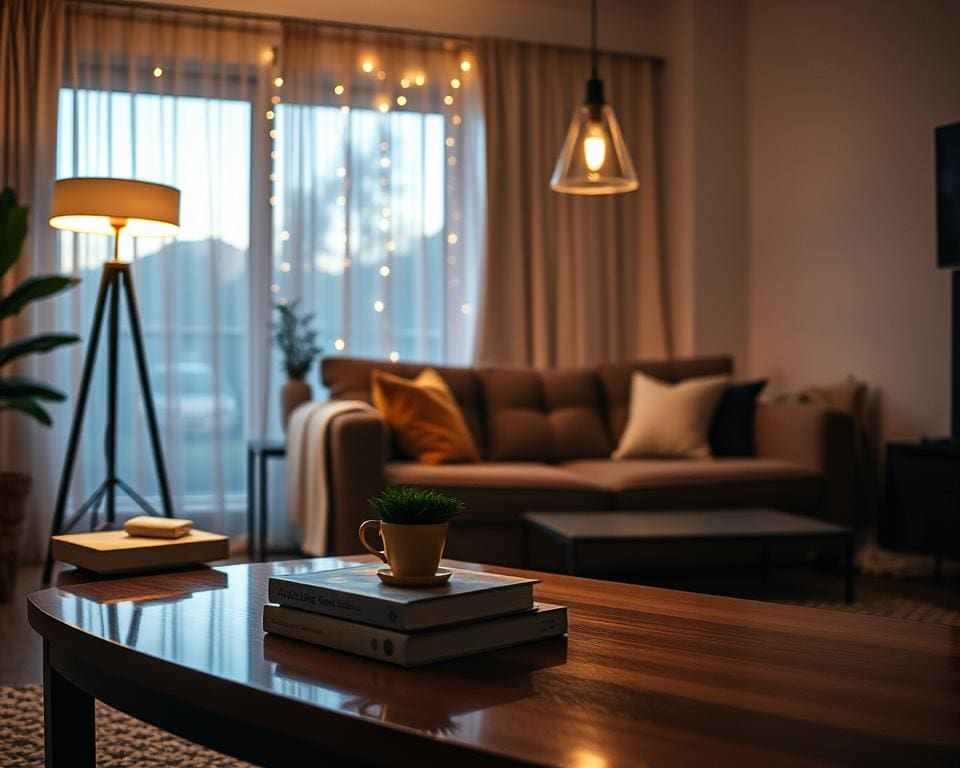
Choosing between warm and cool light involves understanding their distinct effects. Warm light is often associated with comfort and warmth, making it ideal for areas where relaxation is crucial. It can evoke memories of calming sunsets or soft candlelight. This connection triggers emotional responses that promote peace and tranquillity. On the flip side, cool light tends to invigorate individuals, fostering motivation and clarity. It is often utilised in spaces where concentration and alertness are paramount. Balancing these two types of light can significantly enhance the overall mood lighting in any environment.
Why does lighting change the feel of a room?
Lighting possesses a profound capability to transform the emotional resonance within a space. The lighting influence on rooms can be examined through various aspects, including brightness, colour temperature, and fixture types. These elements contribute significantly to the overall interior atmosphere, creating environments that either uplift or dampen the spirit.
Consider the psychological effects of different lighting styles. For instance, soft, warm lights tend to foster a sense of comfort and relaxation, making them ideal for living rooms and bedrooms. In contrast, bright, cool lights invigorate, which is essential in workspaces or kitchens. Such considerations highlight how elements of design intertwine with lighting choices to construct our daily experiences.
The interplay between light and shadow can accentuate architectural features or create an inviting nook within a larger room. Effective lighting directs attention and influences how we perceive space, revealing a hidden layer of depth and character. This dynamic interaction ensures that interior atmosphere can shift dramatically with variations in lighting.
In essence, understanding how to manipulate light enriches one’s ability to curate personalised spaces that resonate emotionally with their occupants. The symbiotic relationship between light and room design invites creativity and encourages thoughtful choices in creating an inviting and harmonious environment.
The Role of Natural Light
In the realm of interior design, the role of natural light cannot be overstated. Its ability to enhance spaces goes beyond just aesthetic appeal; it significantly influences our health and well-being. Embracing the benefits of daylight in interiors transforms how we experience our environments, fostering a sense of vitality and calm.
Benefits of Daylight in Interior Spaces
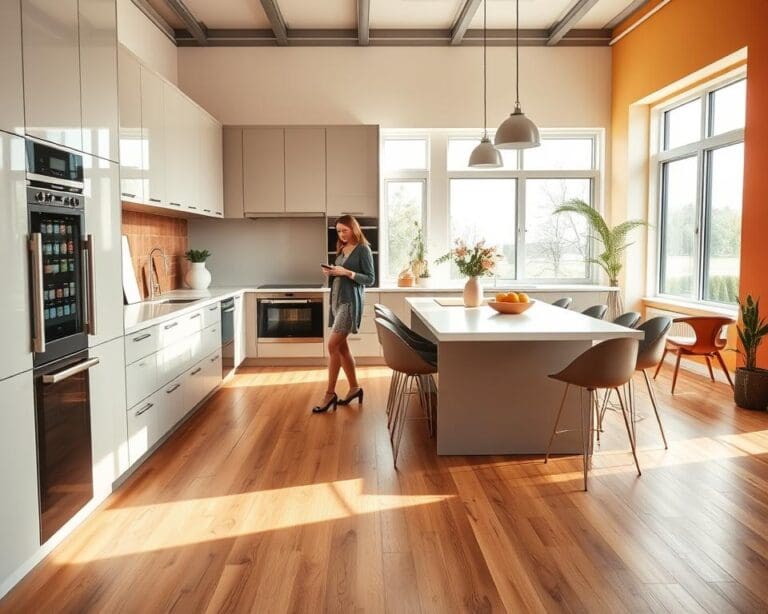
Natural light benefits are multifaceted, impacting mood, productivity, and even physical health. Exposure to daylight can improve sleep patterns, boost energy levels, and elevate overall happiness. A well-lit space encourages better social interactions and enhances creativity. Incorporating windows and light optimisation strategies is essential for reaping these advantages, allowing sunlight to flood a room and create a welcoming atmosphere.
How to Maximise Natural Light
To maximise sunlight within your interior spaces, consider the following strategies:
- Choose lighter colours for walls and furnishings to reflect light effectively.
- Position mirrors strategically to enhance the reach of daylight.
- Opt for sheer window treatments that allow light to filter through while maintaining privacy.
- Use glass doors or partitions to create an illusion of openness and facilitate light movement.
By thoughtfully designing your spaces with natural light in mind, you can significantly elevate the ambiance of your home or office. Let the sunlight work its magic, turning ordinary interiors into inspirational environments that nurture the spirit and enhance daily living.
Types of Lighting Fixtures and Their Impact
Understanding the various types of lighting fixtures allows for informed decisions regarding fixture selection. Each type offers unique advantages that can enhance interior design. Properly chosen fixtures can significantly affect the overall atmosphere and functionality of a space.
Choose the Right Fixtures for Your Space
When selecting lighting fixtures, consider the specific needs of each room. Here are some common types to explore:
- Ceiling Fixtures: Ideal for general lighting, these are perfect for creating ambient lighting throughout the room.
- Wall Sconces: These fixtures provide both function and style, doubling as accent lighting while enhancing the room’s aesthetic appeal.
- Table and Floor Lamps: Excellent for task lighting, these fixtures facilitate focused illumination for reading or other activities.
- Track Lighting: Versatile and adjustable, track lighting can be tailored to highlight artwork or architectural features, serving as effective accent lighting.
Layering Light: Ambient, Task, and Accent Options
To create a well-rounded lighting scheme, layering different types of lighting is essential. Consider the following strategies:
- Ambient Lighting: This foundational layer provides general illumination, ensuring the entire space feels welcoming.
- Task Lighting: Focused on specific areas, this type enhances functionality. Examples include desk lamps or under-cabinet lighting in kitchens.
- Accent Lighting: Used to draw attention to artwork, plants, or architectural details, this layer adds depth and visual interest to the overall design.
Colour Temperature and Interior Design
Understanding colour temperature can transform the way we approach interior design. Measured in Kelvins, lighting plays a vital role in setting the mood and enhancing the aesthetics of a space. Selecting the right colour temperature allows designers to create inviting environments that resonate with the intended use of the room.
Understanding Kelvins in Lighting Design
Kelvins in lighting provide a spectrum that ranges from warm to cool tones. Warm light, typically between 2700K and 3000K, evokes a sense of comfort and intimacy, ideal for living rooms and bedrooms. Cool light, ranging from 4000K to 6500K, can energise and focus, making it suitable for workspaces or kitchens. Understanding this scale is essential for leveraging the impact of colour on design to achieve desired effects in various environments.
Impact of Colour on Room Aesthetics
The impact of colour on design extends beyond mere preference; it influences perceptions and emotions. Different shades can alter how a room is viewed in terms of space, warmth, and mood. For instance, neutral colours paired with the right colour temperature can enhance lighting and aesthetics, making a room appear larger or more inviting. Thoughtfully balancing these elements yields spaces that not only look good but also feel harmonious.
Creating Atmosphere with Lighting
The right lighting can dramatically alter the atmosphere of any room, crafting spaces that resonate with various emotions and activities. By understanding different lighting styles, one can enhance ambience, ensuring it aligns perfectly with the intended mood.
How Different Lighting Styles Influence Room Vibe
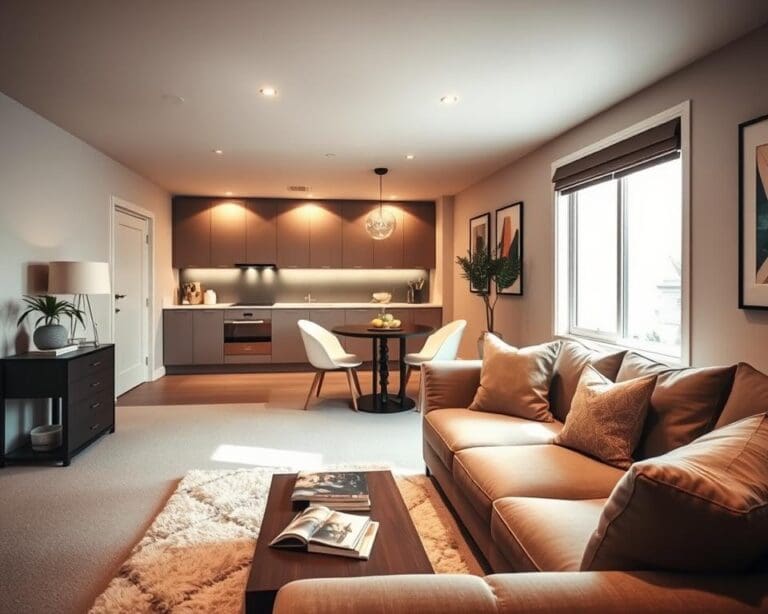
Lighting styles play a crucial role in atmosphere creation. For instance, soft, warm lights can foster a sense of intimacy, making spaces perfect for relaxation or small gatherings. In contrast, bright, cooler lights are ideal for stimulating focus and productivity, particularly in workspaces. Incorporating a mix of ambient, task, and accent lighting allows for a versatile environment that can adapt to any occasion.
The Power of Dimmers and Smart Lighting
Dimmers provide exceptional flexibility in controlling lighting intensity, facilitating seamless transitions between different atmospheres. For example, a dining setting can shift from bright and lively during courses to a softer glow for dessert. Smart lighting technology takes this a step further, offering programmable settings that can change based on the time of day or specific activities. Integrating dimmer switches and smart systems not only enhances convenience but also enriches the overall experience within a space.
Lighting Trends for Modern Homes
As homeowners seek ways to enhance their living spaces, the spotlight shines on modern lighting trends that elevate both aesthetics and functionality. Innovative solutions provide a means to achieve specific moods and designs while maintaining a focus on environmental responsibility. The latest trends in lighting reflect a growing demand for not only style but also sustainability.
Innovative Lighting Solutions for Enhancing Space
Today’s homeowners increasingly turn to innovative lighting solutions that redefine space. Smart lighting technology allows for customisation and flexibility, enabling users to control brightness and colour schemes with ease. Integrated lighting designs, such as pendant lights and recessed fixtures, create a seamless look while accommodating various interior styles. These adaptations lead to an overall improvement in how rooms feel and function.
Eco-Friendly Lighting Options to Consider
Eco-friendly lighting presents an exciting opportunity to combine aesthetics with sustainability. Energy-efficient LEDs are at the forefront of modern lighting trends, dramatically reducing energy consumption while offering long lifespans. Sustainable fixtures made from recycled materials or those designed for easy disassembly promote environmental consciousness. Homeowners can make a statement about their commitment to the planet, all whilst enjoying beautiful illuminating features that enhance their interiors.
Practical Tips for Choosing the Right Lighting
Choosing the right lighting can transform your space and enhance its overall mood. When considering lighting selection tips, it’s essential to evaluate the room size and natural light availability. Larger spaces may benefit from multiple sources of light, while smaller rooms might effectively utilise concentrated fixtures to create warmth.
Another aspect to contemplate is the existing colour scheme. Different hues can dramatically alter how light reflects in a room. For instance, warmer colours may radiate a cosier atmosphere under softer lighting, whereas cooler shades can feel more refreshing with brighter, whiter light. Keep in mind that your choice of light fixtures plays a significant role in achieving the desired ambience, making the process of choosing fixtures a blend of aesthetics and functionality.
Incorporating practical advice into your lighting design ideas can further elevate your interior space. Selecting adjustable fixtures or smart lighting options allows for flexibility, letting you transition from bright task-focused light to soft, ambient settings effortlessly. By thoughtfully considering these factors, you can tailor your lighting choices to create an inviting and personalised atmosphere in any room.