The design and layout of our homes play a crucial role in influencing our mental health and overall well-being. Research indicates that a thoughtfully arranged living space can promote comfort, security, and happiness. By understanding the intricate relationship between home layout and emotional health, we can create environments that enhance our daily experiences.
Key elements such as spatial organisation and natural light contribute significantly to how we feel within our homes. A well-structured home layout not only supports our physical needs but also enhances sensory engagement, fostering a positive state of mind. To delve deeper into the ways in which we can harmonise comfort with aesthetics, explore how home design can transform your living, leading to richer emotional satisfaction.
The Connection Between Home Layout and Mental Health
Understanding the relationship between home layout and mental health reveals profound insights. The arrangement of spaces and furnishings has a direct impact on mood, behaviour, and overall well-being. By focusing on concepts such as spatial psychology, individuals can enhance their living environments and promote mental health.
Understanding Spatial Psychology
Spatial psychology studies how the layout of a space influences individual behaviours and emotional responses. Thoughtfully designed homes can create an atmosphere that fosters positivity, reduces anxiety, and encourages productivity. For instance, open spaces can facilitate social interactions, while well-placed furniture offers comfort and stability. The home design benefits extend beyond mere aesthetics, as an intentional layout nurtures a sense of belonging and security.
The Role of Natural Light in Home Design
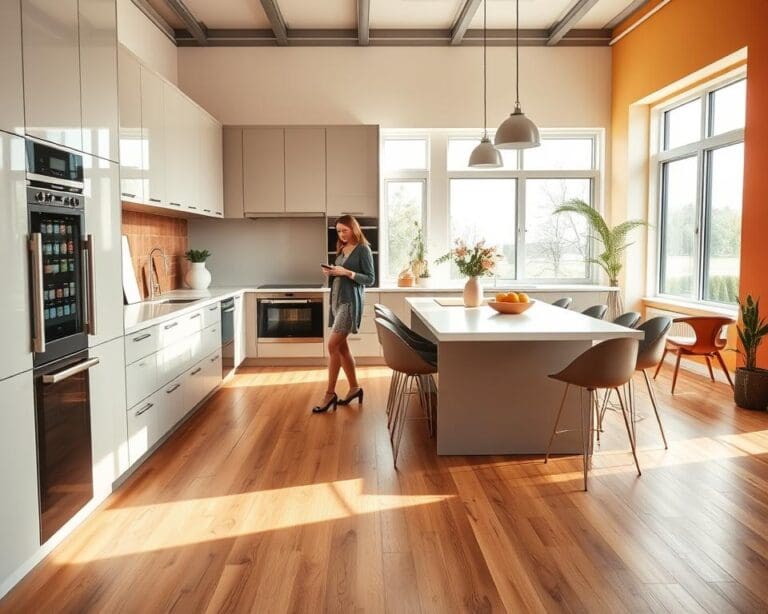
Natural light plays a crucial role in enhancing mental health. Proper illumination from windows and skylights can uplift spirits and increase alertness. Exposure to daylight helps regulate circadian rhythms, which is vital for restful sleep. Research highlights that homes filled with natural light contribute significantly to feelings of happiness and well-being. A well-lit home not only creates a warm ambience but also establishes a harmonious link to the outside world.
Why does home layout affect well-being?
The layout of a home significantly influences emotional well-being and overall mental health. A thoughtfully arranged residential space can evoke positive feelings, creating a sense of safety and belonging. In contrast, poorly designed environments may induce stress and discomfort, highlighting the home layout impact on daily life.
Good residential space organisation fosters an atmosphere that nurtures relaxation and productivity. Elements such as open floor plans or thoughtful zoning can enhance connectivity and movement within the home. This type of design effects provide flow, allowing residents to feel at ease in their surroundings.
Research indicates that individuals residing in well-organised spaces tend to report higher levels of life satisfaction. The architecture and interior design choices play a crucial role in shaping these experiences. Properly aligned areas and aesthetically pleasing layouts can diminish feelings of anxiety, leading to improved emotional well-being.
Creating a Harmonious Environment
Designing a harmonious environment within your home can significantly enhance daily life. The thoughtful arrangement of spaces not only fosters well-being but also promotes a sense of tranquillity. Achieving this balance involves understanding the dynamics of space flow and the effects of colours on mood. By focusing on these elements, you can create a living space that nurtures both mind and body.
The Importance of Flow and Movement in Space
Effective space flow is pivotal in shaping how individuals interact within a home. A well-planned layout promotes smooth transitions between areas, encouraging movement and enabling relaxation. Open pathways create a sense of freedom, enhancing daily routines and providing a calm atmosphere. This fluidity facilitates natural interactions, aiding productivity while contributing to a harmonious environment.
How Colour Schemes Influence Mood
Colour psychology plays a vital role in mood enhancement. Different colours evoke various emotional responses, influencing overall feelings within a space. Warm hues such as yellow and orange can energise the atmosphere, stimulating activity and creativity. In contrast, cool tones like blue and green instil a sense of peace, ideal for relaxation. Integrating these colours into your home design allows for a comprehensive sensory experience, ensuring a nurturing environment that uplifts the spirit.
Maximising Comfort through Home Arrangement
Creating a space that prioritises comfort involves thoughtful home arrangement that caters to individual needs. By focusing on practical design, homeowners can transform their environments into soothing retreats, enhancing day-to-day living. Effective use of furniture placement plays a crucial role in achieving personal space optimisation. Consider how different arrangements encourage or discourage conversation, relaxation, and utility.
Research from space planners indicates that a layout prioritising comfort fosters a sense of ease and flow. For instance, positioning seating in a circular formation can create more intimate spaces within broader areas, facilitating deeper connections among inhabitants. Maintaining enough distance between furniture allows for smooth movement, contributing to overall comfort.
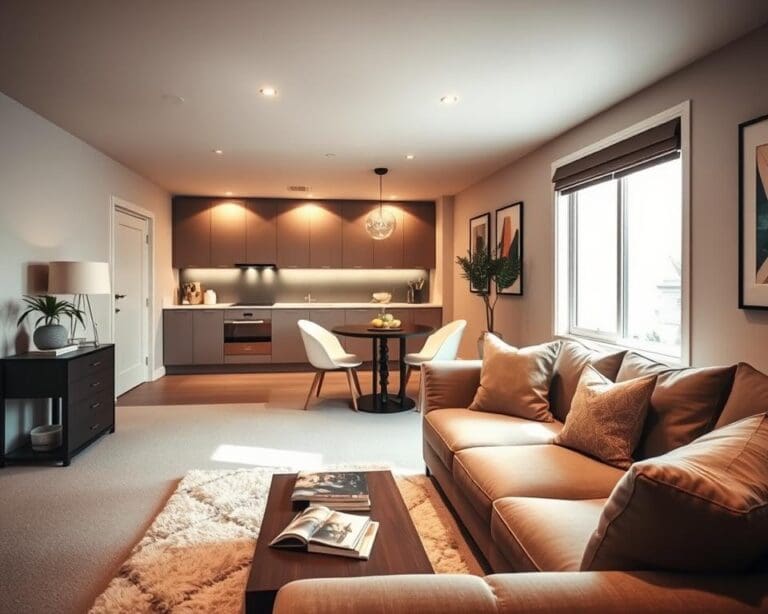
The incorporation of natural materials and textures not only beautifies a room but also helps to create an inviting atmosphere. Items such as area rugs and soft furnishings can define distinct areas while adding warmth. As part of a holistic approach to home arrangement, adding personal touches and meaningful decor enhances the emotional resonance of the space.
Decluttering surfaces and employing storage solutions contributes to a truly comfortable environment. Regularly reassessing layouts and experimenting with different designs can lead to surprising results. For further inspiration on transforming your home through simple decor, check out practical strategies that elevate both comfort and functionality.
Incorporating Nature into Your Home Design
Integrating natural elements into your home design can significantly transform your living space and enhance your well-being. The approach known as biophilic design focuses on reconnecting people with nature within interior environments. This philosophy encourages the use of materials and forms inspired by the natural world, promoting feelings of calmness and relaxation.
Biophilic Design Principles
At the heart of biophilic design lies the idea of fostering a direct relationship with the natural environment. Principles include:
- Natural materials: Utilising wood, stone, and other organic materials creates a tactile connection to nature.
- Water features: Installing water installations can produce calming sounds and enhance air moisture.
- Vegetation: Incorporating greenery through plants or vertical gardens brings life and vibrancy to interiors.
Embracing these principles leads to numerous health benefits of green spaces, such as decreased stress levels and improved mood.
The Impact of Indoor Plants on Well-being
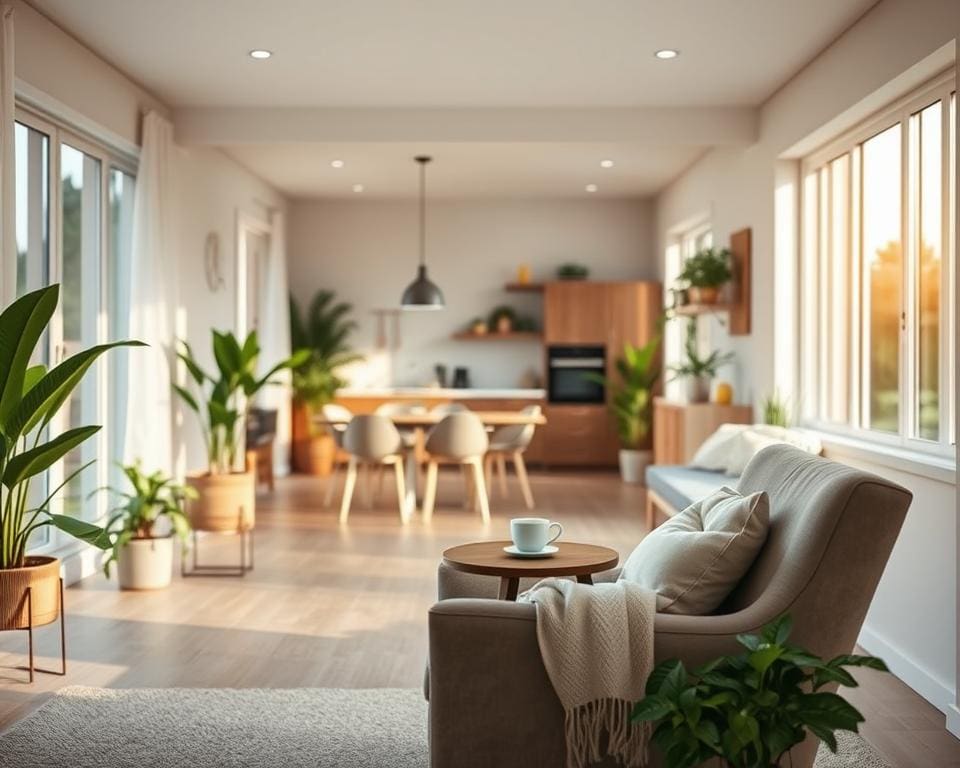
Indoor plants offer an array of advantages beyond mere aesthetics. Present in various studies are the compelling findings that plants enhance indoor air quality, a vital factor in maintaining health. Their ability to absorb toxins and produce oxygen contributes to a fresher environment. Furthermore, indoor plants significantly influence mental health, reducing feelings of anxiety and fostering a sense of tranquillity. Introducing these green companions into your home not only elevates your décor but also enriches your overall quality of life.
Child Development and Home Layout
The way a home is organised can play a pivotal role in child development, shaping a welcoming and nurturing atmosphere. Creating spaces that prioritize safety while encouraging exploration and creativity significantly impacts a child’s growth. It is essential to consider the home layout for children when designing these spaces.
Creating Safe Play Spaces
Safe play areas are crucial for children’s physical and emotional well-being. A thoughtfully designed layout enables children to explore and engage in activities without fear of injury. Incorporating soft furnishings, age-appropriate toys, and sufficient open space promotes active play. Consider designated play zones within the home that are easily visible to parents, allowing for supervision while fostering independence.
Promoting Learning through Design
In addition to promoting safety, the home layout for children can greatly enhance their educational environment. Establishing clear, dedicated areas for study and creative projects encourages focus and inspiration. Natural light plays a vital role, bringing warmth and positivity into learning spaces. Arranging furniture to reduce distractions and provide comfort can significantly support children in their academic pursuits. Insights from developmental psychologists highlight that when children have their needs met through intentional design, they are more likely to thrive both educationally and emotionally.
Health and Well-being: The Practical Benefits of Thoughtful Design
Embracing thoughtful home design offers a myriad of health benefits that extend far beyond mere aesthetics. Strategic layout coupled with careful selection of colours and materials can significantly influence an individual’s overall well-being. For instance, well-organised living spaces enhance functionality and minimise clutter, which in turn reduces stress levels. From the placement of furniture to the integration of natural elements, every choice contributes to living space optimisation, making the home a sanctuary for relaxation and rejuvenation.
Moreover, thoughtful design actively promotes positive habits. Spaces that encourage social interaction, such as open-plan kitchens and cosy communal areas, foster connections among family and friends. This social engagement is crucial, as strong relationships are linked to improved mental health outcomes. The physical environment has proven to be a catalyst for encouraging healthier lifestyles, with features like inviting dining areas that motivate communal meals or designated relaxation zones that entice residents to unwind and recharge.
Empirical evidence underscores the tangible well-being improvements associated with intentional home design. Individuals who invest in creating harmonious and functional spaces often report higher satisfaction levels and enhanced mental clarity. As homeowners re-evaluate their living environments, they discover that the combined effect of practical and emotional advantages shapes a holistic approach to health. Thus, by prioritising thoughtful home design, one can cultivate not only a more beautiful space but also a nurturing environment that significantly elevates quality of life.