In the realm of interior decor, the quest for timelessness is an enduring pursuit. Homeowners and designers alike seek styles that not only resonate with current trends but also offer a sense of permanence over the years. Timeless interior styles encapsulate a blend of elegance and functionality that transcends fleeting fads, establishing a serene atmosphere in any home.
This article delves into the world of enduring design, spotlighting various interior styles that have successfully maintained their charm through decades, if not centuries. By understanding the core characteristics and appeal of these styles, readers can discover ways to enhance their own spaces, fostering an aesthetic that promises long-lasting satisfaction.
Understanding Timelessness in Interior Design
Timelessness in interior design embodies the essence of styles that continue to enchant and serve their purpose long after their inception. This enduring quality results from applying thoughtful interior design philosophies that prioritise harmony, balance, and proportion. These fundamental principles create spaces that evoke lasting beauty and functionality, appealing to generations of individuals.
Design trends vary over time, yet certain elements remain constants within the evolving landscape. Understanding how these trends develop while maintaining their core characteristics reveals the threads that connect modern aesthetics with historical roots. Elements such as natural materials, uncluttered spaces, and a focus on craftsmanship contribute to a design narrative that transcends fleeting fashions.
To create truly timeless interiors, one can align their vision with these enduring tenets. By embracing these concepts, individuals can cultivate environments that reflect their personal styles while standing the test of time.
Classic Elegance: The Enduring Appeal of Traditional Style
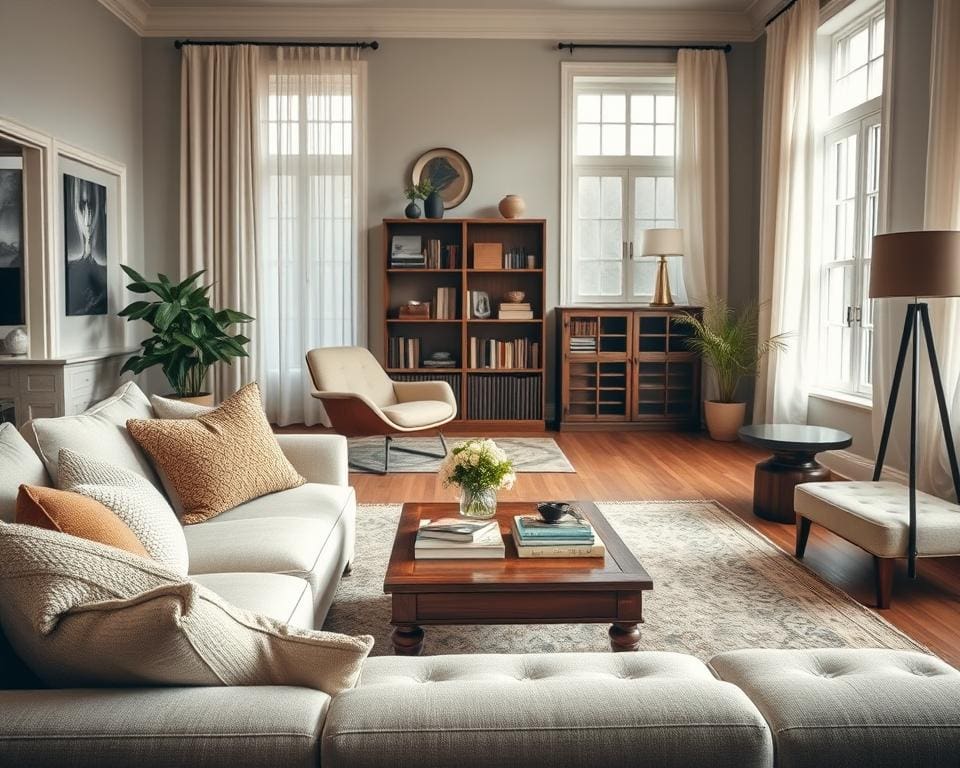
The traditional style of interior design continues to capture hearts with its blend of sophistication and warmth. Characterised by its timeless features, this aesthetic remains a popular choice for those desiring classic elegance in their homes. Understanding its key characteristics can enhance appreciation for this revered design approach.
Key Characteristics of Traditional Interiors
Several defining traits characterise traditional interiors. These include:
- Symmetrical layouts that create harmony and balance within a space.
- Ornate furnishings that elevate the sense of formality and refinement.
- Rich woods and intricate mouldings that add depth and texture.
- Classic patterns, such as paisley and damask, that enhance visual interest.
Material Choices and Colour Palettes
When discussing the materials used in traditional style, one often encounters a focus on durability and elegance. Common interior materials include:
- Dark, polished woods for furniture and flooring that provide a sense of warmth.
- Luxurious fabrics for upholstery such as velvet, silk, and brocade, which amplify comfort.
- Marble and stone accents that evoke prestiged craftsmanship.
Colour palettes play an essential role in achieving the inviting atmosphere synonymous with traditional design. Preferred shades often include:
- Muted tones like creams and soft blues, which contribute to a calm environment.
- Deep greens and burgundies offering a rich backdrop that evokes a homely feel.
What interior styles stand the test of time?
In the ever-changing landscape of interior design, certain styles demonstrate an impressive continuity in design. These enduring styles not only retain their visual appeal but also adapt gracefully to modern tastes. The roots of these designs often trace back to significant historical movements, yet they maintain their relevance in contemporary settings. Understanding these styles involves recognising the timeless elements that define them.
Defining the Continuity of Design Trends
Continuity in design emerges from a blend of classic aesthetics and practical functionality. These trends embrace a sense of cohesion that resonates through various spaces. By honouring traditions while welcoming innovative ideas, these styles create environments that feel both familiar and fresh. This continuity is evident in the recurrent use of certain materials, shapes, and layouts that resonate with the essence of good design.
Examples of Timeless Design Elements
Timeless elements can be seen in numerous facets of interior design, often transcending trends. Consider these examples:
- Classic furniture shapes, characterised by elegance and functionality, find their place in diverse settings.
- Consistent colour palettes that evoke tranquillity and sophistication provide a harmonious backdrop.
- Durable materials such as wood, stone, and metal showcase a balance of aesthetics and resilience, ensuring longevity.
These enduring styles combine to create spaces that invite comfort and beauty, reflecting the true essence of thoughtful interior design. The incorporation of these timeless elements encourages a long-lasting relationship with one’s environment, inspiring individuals to curate spaces that truly resonate with them.
The Versatility of Contemporary Design
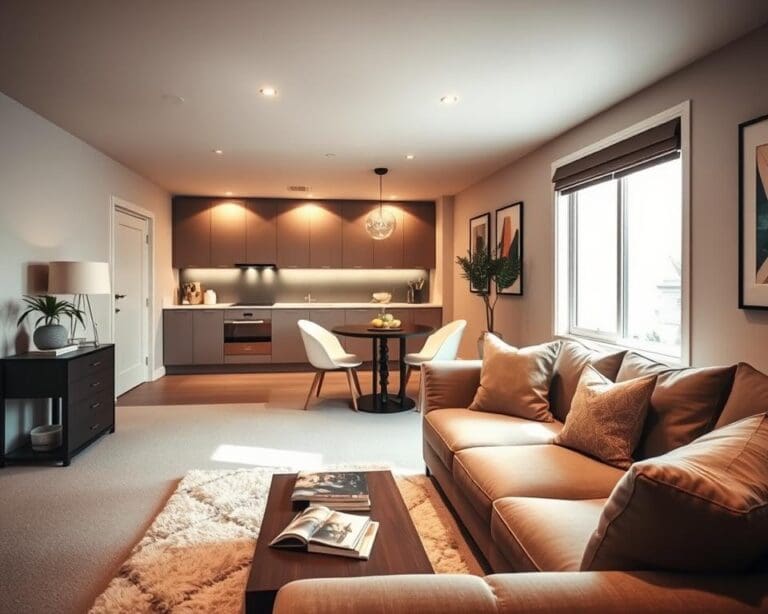
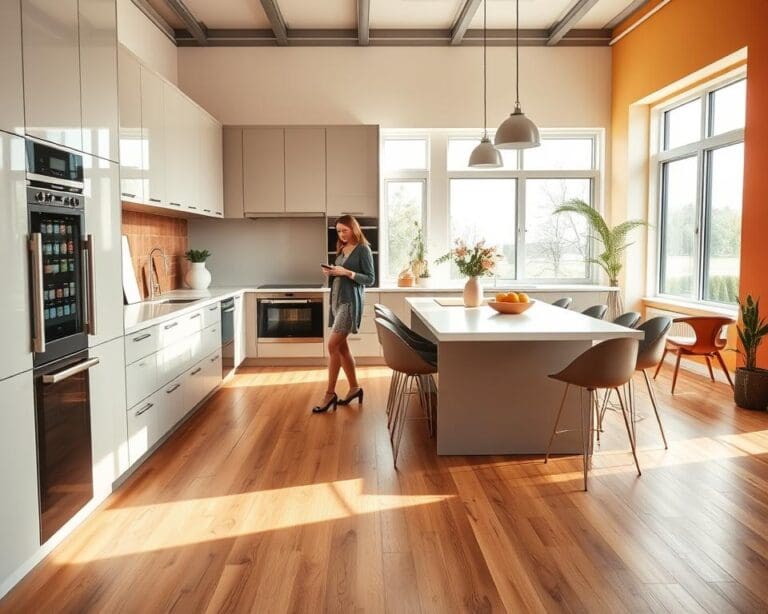
Contemporary design stands out for its ability to meld minimalism with practicality. This style embraces clean lines, open spaces, and a focus on functionality. As we explore the balance between minimalist aesthetics and required functionality, it becomes clear how contemporary elements seamlessly integrate into various environments, enhancing both beauty and usability.
Balancing Minimalism and Functionality
Incorporating contemporary design into your home requires a thoughtful approach to achieving harmony between style and utility. Emphasising minimalist aesthetics, this design approach prioritises sleek furniture and unobtrusive decor. Key strategies for maintaining functional decor without sacrificing style include:
- Choosing multi-purpose furniture that optimises space.
- Employing a neutral colour palette that enhances natural light.
- Utilising hidden storage solutions to reduce clutter.
How to Incorporate Contemporary Elements into Any Space
Transforming your space with contemporary design can be both exciting and straightforward. By embracing the principles of modern aesthetics, you can create an inviting atmosphere without overwhelming your senses. Consider these tips:
- Start with statement pieces, like a striking sofa or a unique light fixture.
- Integrate large windows or mirrors to amplify natural light.
- Use clean lines and geometric shapes to create visual interest.
By blending these elements into your home, you can cultivate a stylish, functional space that reflects contemporary design’s timeless appeal.
The Rustic Charm of Farmhouse Interiors
Farmhouse interiors radiate a sense of simplicity and comfort, drawing inspiration from the countryside’s warmth and inviting atmosphere. This design style embraces natural materials such as wood and stone, creating a rustic charm that is both timeless and appealing. Key features of farmhouse décor often include exposed beams, weathered wood, and vintage accents, each contributing to a homely aesthetic that encourages relaxation and connection.
Identifying the Key Features of Farmhouse Décor
Elements that define farmhouse interiors focus on practicality and comfort, resulting in a balanced look. Common characteristics include:
- Open spaces that promote natural light.
- Neutral colour palettes allowing textures to take centre stage.
- Incorporation of vintage furnishings harmoniously paired with modern elements.
- Large, welcoming porches that bridge indoor and outdoor living.
Each detail plays a pivotal role in creating a space that feels alive and authentic. Integrating these features establishes an environment where nostalgia meets contemporary needs, exemplifying the essence of modern farmhouse style.
The Role of Sustainability in Timeless Design
Sustainable design has become increasingly prominent, with many homeowners seeking eco-friendly materials and practices. This focus aligns seamlessly with the rustic charm inherent in farmhouse interiors. Options such as reclaimed wood, bamboo flooring, and organic textiles not only enhance the aesthetic but also support a healthier planet.
Utilising sustainable materials fosters a connection between the home and its environment, allowing for a timeless design that respects nature. The enduring appeal of farmhouse interiors lies not just in their visual charm but also in their capacity to adapt to sustainability, proving that comfort and eco-consciousness can beautifully coexist.
Mid-Century Modern: A Lasting Love Affair
Mid-century modern design embodies a unique blend of innovation and elegance, making it a beloved style that continues to resonate with homeowners and designers alike. This era, which flourished between the 1940s and 1960s, is renowned for its iconic designs, which often feature clean lines, organic forms, and an emphasis on functionality. As you explore the beauty of mid-century modern aesthetics, consider the timeless pieces that have inspired generations.
Iconic Furniture Designs that Inspire
Renowned designers such as Charles and Ray Eames and Hans Wegner crafted furniture pieces that not only reflect functionalism but also artistic flair. The Eames Lounge Chair, with its sleek contours and luxurious materials, stands out as a symbol of mid-century modern elegance. Wegner’s Wishbone Chair is another classic, celebrated for its ergonomic design and craftsmanship. These iconic designs embrace simplicity while delivering sophistication, showcasing the enduring appeal of this design movement.
Colour Schemes and Patterns that Endure
The colour schemes associated with mid-century modern style often blend bold hues, earthy tones, and textured materials. Think of vibrant oranges and greens paired with warm browns to create a dynamic yet grounded aesthetic. Such enduring colour schemes invite creativity, allowing homeowners to experiment with patterns that evoke nostalgia while remaining contemporary. Incorporating these elements into your space can transform any room into a tribute to mid-century modern charm.
Scandi Style: The Nordic Influence
The Scandi style encapsulates the essence of simplicity, creating spaces that are both inviting and functional. This Nordic design philosophy embraces *minimalist functionality*, which prioritises clean lines and open spaces, steering away from clutter and excess. With an emphasis on practicality, Scandi interiors allow individuals to focus on what truly matters, transforming homes into serene sanctuaries.
Minimalism Meets Functionality in Scandi Design
At the heart of Scandi style lies an intriguing blend of aesthetic appeal and practical living. Incorporating light wood finishes and neutral colour palettes, this approach creates an atmosphere that feels spacious and airy. The use of smart storage solutions further enhances *minimalist functionality*, allowing for a seamless flow of everyday life without sacrificing style.
Complementing Nature with Organic Materials
Scandi design excels in connecting indoor environments with the natural world. The integration of *organic materials* like stone, wool, and linen brings warmth and texture into spaces, fostering a calm, mindful ambiance. Large windows invite in an abundance of natural light, enriching the overall experience of each room. To effortlessly incorporate these elements, consider adding handcrafted furniture, natural textiles, and plants that reflect the beauty of the outdoors.
Bringing It All Together: Mixing Styles for Timeless Appeal
Embracing the art of mixing styles can yield extraordinary results, transforming ordinary spaces into homes that reflect your unique personality. Whether you favour the subtle charm of traditional elements or the sleek sophistication of contemporary designs, successfully combining these styles creates a beautiful synergy. The essence of eclectic decor lies in its ability to harmonise contrasting aesthetics, allowing you to curate a personalised environment that still adheres to the principles of timeless appeal.
One effective approach to mixing styles is to select a dominant theme while allowing secondary styles to accentuate the overall design. Consider intermingling classic furnishings from notable brands like Ercol with modern pieces from Muji. This balance not only enriches the design but also introduces warmth and character, resulting in spaces that resonate with both comfort and elegance. Infusing rustic details, such as reclaimed wood accents or vintage textiles, into a contemporary setting enhances the inviting nature of your home while celebrating the beauty of diversity in design.
The key to successfully blending various elements is to maintain a cohesive colour palette, allowing each piece to complement rather than clash with its surroundings. Subtle shades and natural tones can serve as a unifying backdrop, making it easier for your eclectic decor to shine. Inspiration can be drawn from diverse styles, but the ultimate goal is to foster creativity, ensuring that your home not only serves its purpose but also remains aesthetically pleasing and full of life for years to come.