Adapting your home to life changes is essential for creating a space that truly fits your evolving needs. Whether it’s welcoming a new family member, transitioning to remote working, or accommodating the elderly, home modifications play a crucial role in ensuring your living environment remains functional and comfortable. As life unfolds, embracing flexible living spaces can inspire resilience and adaptability, making your home a sanctuary tailored to your unique journey.
Understanding Life Changes and Their Impact on Your Home
Life changes are inevitable, shaping our journeys in profound ways. Events such as marriage, divorce, childbirth, or caring for elderly parents significantly influence our living environments. Each of these transitions brings about emotional and physical spaces that need to be re-evaluated for comfort and functionality.
The home impact of these circumstances often reflects the stages of our lives. A young couple may thrive in a cosy flat, while a growing family may require more room to accommodate children. The emotional weight of these adjustments can create stress if the dwelling no longer aligns with current needs. Foresight in adapting to change is crucial, as homes should be a sanctuary that evolves with personal journeys.
Understanding the necessity for adjustments in living spaces helps alleviate the tension that life transitions can create. By recognising how our environments relate to our emotional states, it becomes clearer how best to adapt our homes to serve both our practical needs and emotional wellbeing.
How do you adapt your home to life changes?
Life is a journey marked by continual evolution and transformation. Adapting your home to these changes involves a proactive approach in identifying life changes that may influence your living environment. Evaluating specific scenarios, such as welcoming a new family member or preparing for retirement can highlight necessary adjustments. Alongside this reflection, it is essential to assess your current space, ensuring that every area meets your current and anticipated needs.
Identifying Key Life Changes
Recognising significant milestones can facilitate the process of making practical home modifications. Consider the following aspects:
- Family growth or downsizing
- Health changes requiring specialised features
- Shifts in work situations, such as remote opportunities
- Preparing for older age and potential mobility challenges
By identifying life changes, you can better prepare your home to accommodate both the present and future, ensuring a comfortable living experience.
Assessing Your Current Space
Meticulous assessment of your current space is crucial. Evaluate each room based on:
- Functionality: Does the room serve its intended purpose?
- Comfort: Are there elements that make you feel relaxed and welcomed?
- Accessibility: Can everyone move freely, especially those with physical limitations?
These factors will inform the necessary tailored adaptations needed to enhance your living space. Focusing on these areas will facilitate smoother transitions during significant life changes.
Transforming Spaces for Growing Families
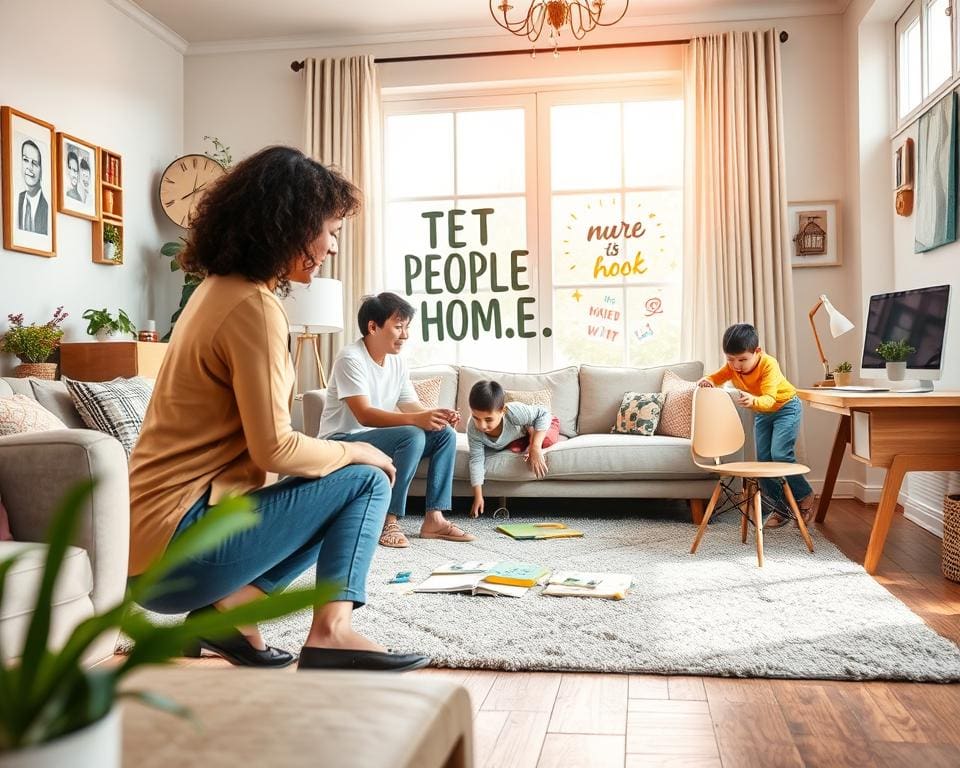
Creating a nurturing environment for growing families requires careful planning and innovative design. Family-friendly homes must be versatile, adapting to meet the evolving needs of children and parents alike. Incorporating flexible room layouts allows spaces to serve multiple functions, enhancing usability while ensuring comfort and safety.
Creating Flexible Room Designs
Flexible room layouts provide the foundation for a dynamic home. Think about how each space can transform with the addition of modular furniture or convertible pieces. Incorporating items like expandable tables and multi-purpose storage solutions can make a room function as a play area or a guest room with ease, ideal for growing families. Emphasising adaptability ensures that rooms remain useful as children and their needs progress.
Incorporating Child-Friendly Features
Safety is paramount when designing for children. Embrace child-safe designs by selecting furniture with rounded edges and opting for non-toxic materials. Such choices can create environments that are not only visually appealing but also enhance safety for your little ones. Furthermore, creating designated areas for activities, such as reading nooks or play corners, promotes both order and enjoyment. For more practical insights on establishing a child-friendly living space, consider this guide that focuses on making homes safer and more functional.
Adapting Your Home for Working from Home
The need for a dedicated workspace has surged as more professionals embrace remote working. A well-thought-out home office design plays a crucial role in creating a supportive environment that enhances productivity while ensuring a healthy work-life balance. An efficient workspace can inspire creativity and focus, allowing individuals to thrive in a remote setting.
Designing a Productive Workspace
When designing remote working spaces, prioritising comfort and functionality is essential. Key elements include:
- Choosing ergonomic chairs that provide adequate support during long hours of work.
- Selecting desks that accommodate both standing and sitting positions to promote movement.
- Incorporating ample natural light and proper lighting to reduce eye strain.
- Arranging decor that inspires motivation and aligns with personal tastes.
Establishing clear boundaries in the workspace helps distinguish work from personal life, contributing to a positive work-life balance.
Necessary Technology Upgrades
Equipping the home office with reliable technology for productivity is vital for remote workers. Consider implementing the following upgrades:
- Ensuring a strong, stable internet connection to facilitate seamless communication and access to resources.
- Investing in smart devices, such as noise-cancelling headphones and high-quality webcams, to enhance virtual meetings.
- Utilising productivity software designed to streamline tasks and manage time efficiently.
- Incorporating organisational tools to keep the workspace tidy and efficient.
These technological enhancements can transform a basic home office into a thriving hub of productivity, accommodating the diverse needs of remote work.
Designing for Ageing in Place
As we age, the need for a home that accommodates our changing needs becomes paramount. Ageing in place allows individuals to remain in their familiar environment, promoting not only comfort but also independence. Implementing accessible home design features can play a significant role in achieving this goal.
Accessibility Modifications
Key modifications can enhance the livability of a space for older adults. Installing grab bars in bathrooms and widening doorways are essential steps. These elder-friendly adaptations make movement easier and safer, allowing individuals to navigate their homes with confidence. Incorporating an accessible home design can further improve comfort and functionality across living areas.
Safety Enhancements Around the Home
Alongside accessibility, focusing on safety features becomes crucial. Improved lighting can significantly reduce the risk of falls, while non-slip surfaces in areas prone to moisture are vital for preventing accidents. Evaluating your home for potential hazards and making necessary adjustments not only benefits older adults but also enhances overall safety for all occupants.
Embracing Minimalism During Life Transitions
Life transitions often prompt reflection on possessions and the spaces we occupy. Engaging with minimalism offers a powerful way to streamline belongings, facilitating a lighter, more organised environment. This approach becomes particularly beneficial during significant changes, helping to reduce overwhelm and create a sense of calm.
Decluttering Techniques
Implementing effective decluttering strategies can transform your space. Consider the “one in, one out” rule, where every new item introduced requires the removal of an existing one. This method encourages informed decision-making about what truly adds value. Additionally, reassessing each belonging by asking if it serves a purpose or brings joy can further aid in the decluttering process.
Maximising Space with Multi-Functional Furniture
Utilising multi-functional furniture is a key aspect of space optimisation. Pieces such as sofa beds, ottomans with storage, and extendable tables not only save space but also enhance the functionality of any room. This type of furniture allows for flexibility, accommodating changing needs while maintaining a tidy and inviting atmosphere, essential during times of transition.
Using Smart Technology to Adapt Your Home
In today’s fast-paced world, smart technology offers innovative ways to modify your living space, making it more adaptable to changing needs. Home automation now brings an unparalleled level of convenience while ensuring that homes are not just modern but also energy-efficient.
Smart Home Devices for Convenience
Integrating smart home devices is pivotal for enhancing daily living. Automated lighting systems can be controlled remotely or programmed to adjust according to your schedule, providing both ease and ambiance. Smart security systems enhance safety, allowing homeowners to monitor their properties via smartphones, ensuring peace of mind whether at home or away.
Energy Efficiency and Cost Savings
Implementing energy-efficient solutions through smart technology reduces utility costs significantly. Smart thermostats can learn your habits and adjust heating or cooling accordingly, optimising energy use. Such systems not only benefit the environment but also translate to tangible savings on monthly bills, making smart home automation a wise investment for the future.
Finding Inspiration for Your Home Adaptations
Transforming your home to reflect significant life changes can be a rewarding journey. To unearth unique home design inspiration, delve into various resources such as home design blogs, social media platforms, or inspiring interior design shows. These avenues often showcase innovative adaptation ideas that provide not only aesthetic appeal but also functional solutions tailored to individual needs.
Consider also consulting with professionals like interior designers or architects who can offer creative solutions that resonate with your personal lifestyle. Their expertise can help you envision and create personalised spaces that perfectly marry practicality and style, ensuring that your home truly reflects your life’s journey.
Embracing your creativity is essential in this process. Allowing yourself to explore various adaptation ideas will foster a sense of ownership over your living environment. By incorporating elements that resonate with you, your home will not only adapt to change but also serve as a canvas for your ever-evolving story.