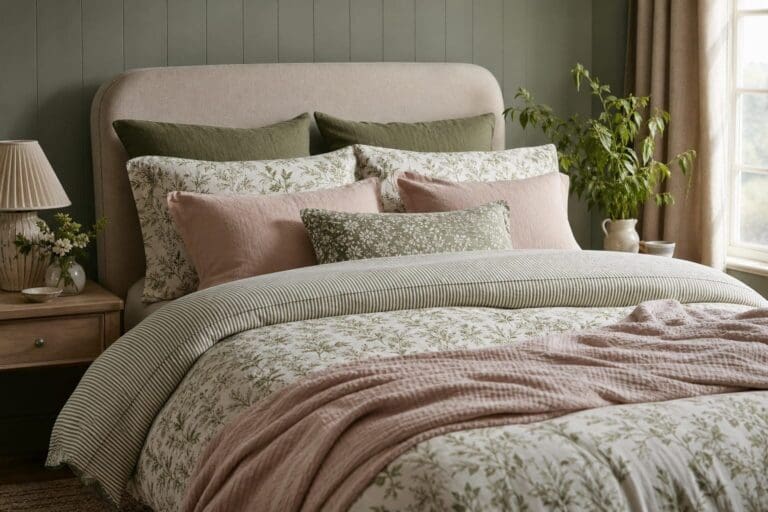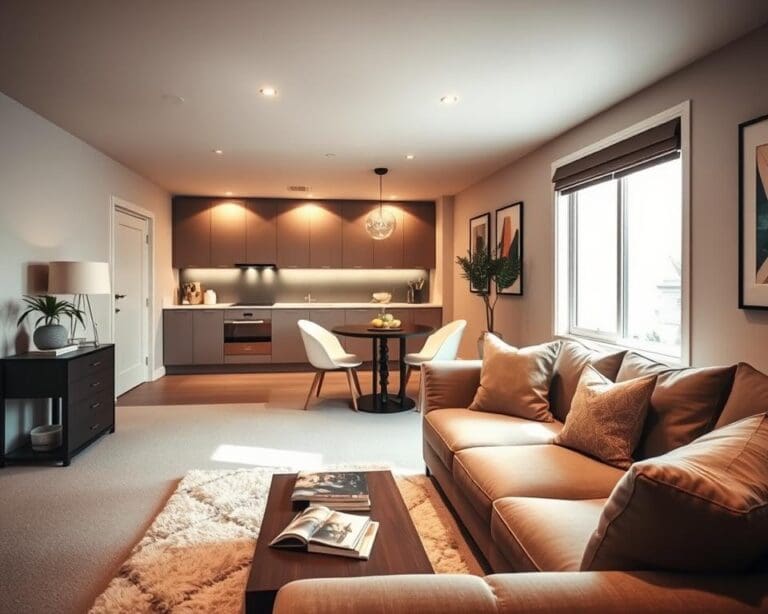
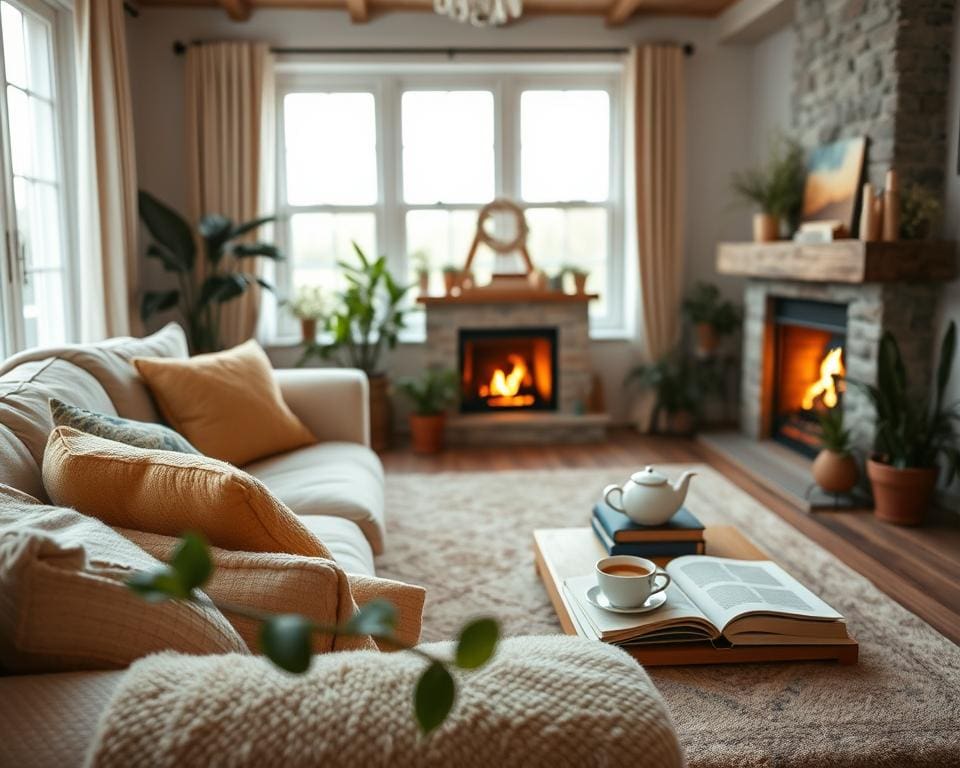
Home comfort plays a crucial role in shaping our overall well-being. A comfortable living space serves as a sanctuary, where moods and mental states evolve in harmony with our surroundings. The importance of comfort cannot be understated; studies indicate that a well-designed home environment can considerably enhance quality of life. Improved home comfort is linked to decreased stress levels, heightened happiness, and even better physical health outcomes. According to research from the National Association of Home Builders, fulfilling the need for relaxation within our homes can lead to reduced healthcare costs in the long run.
The Importance of Home Comfort
Creating a comfortable home is more than just aesthetic appeal; it involves emotional and physical elements that significantly affect how one feels on a daily basis. The significance of home comfort encompasses various factors such as warmth, light, and overall environment. A well-designed space inspires relaxation and offers refuge from the outside world, contributing positively to overall health and well-being.
Understanding Home Comfort
Home comfort is fundamentally about the atmosphere one cultivates within their living space. It includes the temperature regulation, lighting quality, and interior aesthetics that foster a sense of belonging and ease. These elements culminate to form a home environment that is not only inviting but also conducive to mental health. The design and layout play a crucial role in fostering comfort, allowing individuals to unwind and recharge after a long day.
Why It Matters for Your Health
The implications of home comfort on personal health cannot be overstated. Studies reveal a direct correlation between a comfortable home environment and various health benefits, including reduced levels of stress and anxiety. When individuals feel secure and at peace in their surroundings, they are more likely to experience improved mental health outcomes. This sense of well-being is crucial for achieving relaxation, leading to better sleep quality and enhanced overall life satisfaction.
Emotional Well-being and Home Environment
A thoughtfully designed home can act as a personal sanctuary, playing a pivotal role in nurturing emotional well-being. The environment we create within our living spaces significantly affects our mental health and overall sense of peace. Crafting a safe space for relaxation not only helps individuals unwind but also establishes a supportive backdrop for personal growth and self-discovery.
Creating a Sanctuary for Relaxation
To develop a sanctuary at home, begin by focusing on decluttering. A clean and organised space promotes feelings of calm and serenity. Incorporating soft textiles, soothing colours, and natural elements enhances the inviting atmosphere, making it easier to engage in relaxation techniques. By integrating tranquil decor and comfortable furnishings, each corner of the home can transform into a comforting retreat.
The Link Between Comfort and Mental Health
Creating a comfortable environment has proven mental health benefits. Research indicates that relaxed individuals are more inclined to experience emotional stability and creativity. A well-designed home fosters an ambiance where stress dissipates, allowing personal reflection and rejuvenation. Ultimately, the correlation between comfort and mental health vitality underlines the importance of building a home that not only shelters but nurtures the spirit.
Why is home comfort essential for well-being?
Comfort at home plays a pivotal role in supporting physical health. The environment where one resides can significantly impact well-being, influencing key health metrics. Studies illustrate that maintaining comfortable living conditions can lower cholesterol levels, reduce blood pressure, and bolster the immune system—factors crucial for healthy living.
Physical Health Benefits
Creating a space that prioritises comfort and health can yield remarkable benefits. Individuals residing in comfortable conditions often experience various comfort-related health benefits. Beyond aesthetic pleasure, thoughtful home design can enhance physical well-being. Consider the following aspects:
- Temperature regulation: Maintaining an optimal temperature improves overall comfort and aids in better sleep patterns.
- Air quality: Clean air contributes to respiratory health, allowing for easier breathing and reducing the likelihood of allergies.
- Ergonomic furniture: Proper support during sitting or sleeping can prevent chronic pain and promote better posture.
Prioritising these elements can transform a dwelling into a sanctuary of wellness at home. Awareness of how home comfort directly influences physical health can encourage many to embrace changes that enhance their living environments.
Factors Contributing to Home Comfort
Achieving a comfortable home environment requires attention to several critical comfort factors. Among these, temperature control plays a pivotal role in ensuring an inviting atmosphere. Appropriate temperatures can enhance mood and overall productivity, making it essential to create a space that remains serene across changing seasons.
Temperature Control
Effective temperature control not only affects how warm or cool your space feels but also its overall ambience. A well-regulated home environment encourages relaxation and focus, while erratic temperatures can lead to discomfort. Investing in smart thermostats or energy-efficient heating systems can create a soothing climate, easily tailored to the preferences of all occupants.
Interior Design and Layout
Thoughtful interior design and layout for comfort significantly influence how one experiences a living space. Research suggests that open spaces and natural light instil feelings of tranquillity. Personalised design choices that reflect individual lifestyles enhance the home’s aesthetic and emotional appeal. Incorporating elements such as soothing colour palettes and ergonomic furniture creates a sanctuary that nurtures happiness and well-being.
Creating a Comfortable Living Space
Crafting a comfortable living space requires intentional efforts to integrate various elements that enhance overall well-being. Key components play a vital role in establishing an inviting environment that reflects personal taste and fosters relaxation.
Essential Elements of Comfort
An array of essential comfort elements contributes significantly to creating a vibrant atmosphere. High-quality furnishings provide the foundation for physical comfort, while plush textiles add layers of warmth. Selecting a thoughtful colour palette can invigorate or soothe, impacting mood and overall ambiance. Integrating elements like soft cushions and throws allows spaces to appear more welcoming and encourages interaction.
Incorporating Personal Touches
Personalisation fills a space with character and authenticity. Incorporating family photos, unique artwork, and vintage decor can evoke positive memories and emotions. These personal touches bolster the feeling of belonging and transform a mere house into a home. Home aesthetics reflect individual styles and preferences, making each space a true extension of oneself.
Maximising Natural Light
Natural light serves as a key ingredient in enhancing mood and encouraging relaxation. Positioning mirrors strategically can reflect light, amplifying its presence in smaller areas. Large windows or light curtains allow sunshine to flood the space, promoting productivity and improving sleep patterns. The National Sleep Foundation supports the necessity of managing light to create a soothing atmosphere, ideal for unwinding after a long day.
The Role of Furnishings in Home Comfort
Furnishings play a pivotal role in shaping home comfort. When chosen thoughtfully, they create an inviting atmosphere that caters to both aesthetic preferences and practical needs. Opting for comfortable furniture enhances relaxation while ensuring the space remains visually appealing.
Choosing the Right Furniture
Selecting the right furnishings involves a careful balance of style and functionality. Ergonomically designed furniture promotes better posture and prevents discomfort, while adequately sized pieces optimise the available space. It is crucial to consider how each item contributes to the overall ambience of the room. Comfortable furniture not only enhances physical relaxation but also enriches the emotional well-being of the inhabitants.
Investing in Quality Textiles
Quality textiles are vital for achieving a sense of home comfort. Luxurious fabrics for cushions, throws, and upholstery add warmth and tactile pleasure to any living area. Natural textiles such as cotton, linen, and wool are particularly effective, as they regulate temperature and improve overall comfort. Layering various textiles can create a deeper visual texture, making the space inviting. For more insights on combining comfort and style effectively in home design, refer to this guide.
Sound and Scent: Atmosphere Matters
Creating a serene home environment requires attention to both sound and scent. These elements play a crucial role in achieving atmospheric comfort and ensuring an inviting atmosphere. Managing noise can lead to a more peaceful living space, while the right fragrances can enhance relaxation.
The Impact of Noise Control
Effective noise control significantly contributes to a calming sound environment. Features like acoustic panels, soundproof curtains, or strategically placed rugs can diminish unwanted disturbances. An improved noise environment not only supports relaxation but also promotes productivity and overall well-being.
Utilising Aromatherapy for Comfort
Aromatherapy benefits extend beyond mere pleasantness; the right scents for relaxation can transform your atmosphere. Essential oils, such as lavender and chamomile, have been scientifically backed for their calming properties. Incorporating these fragrances into your daily routine can foster tranquillity and ease stressful moments, further enhancing the comfort of your home.
Maintaining a Comfortable Home Year-Round
To ensure your living environment remains a sanctuary of comfort throughout all seasons, it’s essential to be proactive. Seasonal home comfort hinges on adjustments tailored to each period of the year. For instance, insulating your home during winter can help retain warmth, while proper ventilation in the summer months ensures that heat doesn’t stifle your peace. By making these seasonal changes, you can significantly enhance your year-round comfort, creating a welcoming atmosphere no matter the weather outside.
Regular maintenance is another critical aspect of providing comfort. This includes servicing heating and cooling systems, which can prevent unexpected breakdowns and maintain efficiency. Simple maintenance tips, such as checking filters and ductwork, can lead to noticeable improvements in indoor air quality and comfort levels. Emphasising a routine check-up not only prolongs the life of your systems but optimises their performance, ensuring your home remains a haven.
In addition to mechanical maintenance, consider decluttering your space regularly and refreshing home fragrances to uplift the ambience. These minor adjustments contribute greatly to your overall satisfaction with your surroundings. Consistent décor styling that resonates with your personal taste can further enhance your home’s aesthetic appeal, nurturing a sense of harmony and relaxation. By incorporating these strategies, you’ll not only promote seasonal home comfort but also foster an enduring atmosphere of warmth and joy throughout the year.