
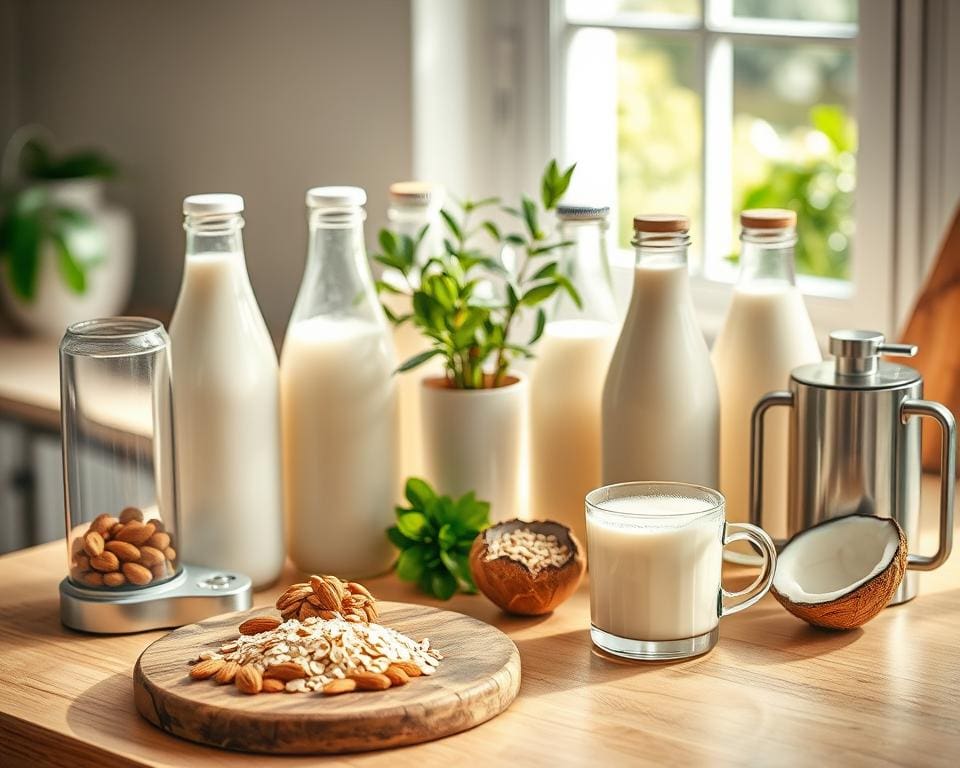
In today’s health-conscious world, the demand for plant-based milk alternatives is surging. Consumers are increasingly aware of the benefits of plant-based milk, recognising that these sustainable milk choices not only support their personal health goals but also promote a more environmentally friendly lifestyle. As more people embrace the shift towards plant-based diets, understanding the advantages of these alternatives becomes crucial. Making informed decisions about milk can lead to a compassionate lifestyle that aligns with modern values and dietary preferences.
Understanding Plant-Based Milk Alternatives
Plant-based milks have gained significant popularity as a versatile alternative to traditional dairy products. These beverages, derived from a variety of plant sources, cater to the dietary needs of many individuals while offering unique flavours and nutritional benefits. Exploring the definitions of plant-based milks reveals their foundation in natural ingredients, providing an excellent source of hydration and nourishment.
What Are Plant-Based Milks?
Plant-based milks are non-dairy alternatives made from various plant sources, including nuts, grains, and legumes. Often enriched with vitamins and minerals, these substitutes mimic the texture and taste of cow’s milk while accommodating a range of dietary preferences, including vegan and lactose-free lifestyles. The definitions of plant-based milks encompass a variety of formulations, generally containing a base component and water, with optional sweeteners or flavourings added.
Popular Types of Plant-Based Milks
Several types of plant-based milks are widely consumed, each offering distinct flavours and nutritional compositions. Here are some of the most popular options:
- Almond milk: A creamy and slightly nutty beverage rich in vitamin E, this milk is low in calories and energy.
- Soy milk: Made from whole soybeans, this milk is high in protein and often fortified with additional nutrients, making it a well-rounded choice.
- Oat milk: With a naturally sweet flavour and smooth texture, oat milk is increasing in popularity, praised for its sustainable production methods.
- Coconut milk: Featuring a rich, tropical taste, this milk lends creaminess to both beverages and dishes.
- Rice milk: A lighter option, rice milk is particularly suitable for those with nut or soy allergies, providing a gentle sweetness.
Consumer preferences continue to evolve in the UK market, with trends indicating a growing favour towards oat milk due to its environmental benefits and delicious flavour. Understanding the types of plant-based milks available empowers consumers to make informed choices based on their individual dietary needs and lifestyle preferences.
The Health Benefits of Plant-Based Milks
Exploring the health benefits of plant-based milks reveals a multitude of advantages that appeal to a broad range of consumers. These alternatives offer an attractive nutritional content while providing solutions for those with dietary restrictions.
Nutritional Advantages
Plant-based milks often exhibit a lower fat content compared to traditional dairy options. Most of these alternatives are free from cholesterol, making them a heart-healthy choice. Many brands fortify their products with essential nutrients like calcium and vitamin D, which are crucial for bone health. Additionally, options like almond and soy milk deliver proteins, while oat milk is high in fibre, contributing to better digestive health.
Allergy-Friendly Options
Another significant benefit lies in the allergy-friendly nature of these milk alternatives. For individuals with lactose intolerance or milk allergies, plant-based milks serve as safe substitutes. Options such as coconut milk and rice milk are particularly gentle on the digestive system, allowing those with sensitivities to enjoy their beverages without discomfort. This versatility makes plant-based options not only accessible but also appealing to a wider audience.
Environmental Impact of Dairy vs. Plant-Based
The choice between dairy and plant-based milks has significant ramifications for the environment. A deep dive into the environmental impact of these two options reveals critical differences in resource use and emissions. As the world shifts towards sustainable practices, understanding how each type of milk affects our planet is essential.
Reducing Carbon Footprint
Plant-based milks often provide a path to lower carbon footprints. The production of dairy products typically involves high greenhouse gas emissions, largely due to livestock farming. Alternatives such as almond, soy, and oat milks generally require less land and emit fewer pollutants. Research by respected institutions indicates that producing plant-based milks ranks lower in carbon emissions compared to dairy, illustrating a proactive step towards mitigating climate change.
Sustainability of Plant-Based Sources
Plant-based milk alternatives offer enhanced sustainability when placed alongside dairy options. They generally demand fewer natural resources including water and land. For example, the water consumption for growing almonds is significantly lower compared to that required for raising dairy cows. Continuing this trend toward sustainable agriculture can support ecological preservation and generous resource allocation for future generations. The shift towards plant-based alternatives signifies more than a dietary choice; it represents a commitment to fostering a healthier planet.
Why choose plant-based milk alternatives?
The shift towards plant-based milk has become a defining trend in contemporary dietary practices. Many consumers are embracing the reasons for plant-based milk due to both health benefits and ethical considerations. Replacing traditional dairy with plant-based options not only caters to dietary needs such as lactose intolerance but also supports a healthier lifestyle.
Among the numerous benefits of plant-based options, their lower calorie counts and higher levels of essential nutrients stand out. Almond, oat, and soy milks provide various vitamins and minerals, allowing for a nourishing alternative that aligns well with many health goals. These alternatives can enhance a balanced diet while paving the way for sustainable dietary choices.
The environmental impact of dairy farming has led many to rethink their consumption patterns. Plant-based milk alternatives require significantly less water and land, helping to mitigate the carbon footprint associated with traditional dairy production. By making informed dietary choices, individuals contribute positively to ecological preservation.
A growing body of research indicates that embracing plant-based diets may reduce chronic disease incidence and enhance overall well-being. Many individuals have shared testimonies highlighting improvements in energy levels and digestion after transitioning to these alternatives. The movement towards plant-based options speaks not only to personal health but also to a commitment to ethical consumption that benefits the planet.
Cultural and Ethical Considerations
The rise of plant-based milk alternatives has sparked a significant shift in cultural and ethical consumption patterns. These changes reflect deeper values that resonate with many individuals who are increasingly aware of the origins of their food. As consumers explore ethical farming practices, the contrast between plant-based agriculture and traditional dairy methods becomes more pronounced.
Ethical Farming Practices
Ethical consumption prioritises the treatment of animals and sustainable agricultural methods. Many plant-based brands advocate for transparency and humane practices, focusing on eco-friendly production. This commitment to ethical values resonates with those who are keen on reducing their impact on the environment. An increasing number of consumers are making conscious choices that support brands promoting ethical farming, considering the benefits of plant-based lifestyles.
Influence of Cultural Dietary Trends
Cultural trends throughout the UK reveal a growing acceptance and enthusiasm for plant-based diets. Influencers and social media campaigns highlight the diverse culinary possibilities of plant-based milks, making them more appealing to a wider audience. Veganism and vegetarianism are no longer seen as niche; they embody a movement that aligns with modern ethical standards and cultural values. As more individuals embrace these dietary changes, the influence of lifestyle choices on societal norms becomes unmistakable.
The Taste Factor: Are They Really That Good?
Many consumers wonder about the taste of plant-based milks and how they can elevate culinary dishes. Understanding the various flavour profiles enables one to make informed choices when selecting the right type for different recipes. The allure of plant milks lies in their diverse tastes, which accommodate both sweet and savoury dishes.
Flavour Profiles of Different Plant Milks
Each type of plant milk offers a unique taste experience. For instance, almond milk has a subtly sweet flavour, making it an ideal match for smoothies and desserts. Oat milk, on the other hand, imparts a creamy texture and is perfect for coffee and cereals. Soya milk boasts a more robust profile, which can complement hearty dishes. Here are some common options:
- Almond Milk: Light and nutty.
- Oat Milk: Smooth and sweet, with a hint of earthiness.
- Soya Milk: Rich and creamy, often used in savoury recipes.
- Coconut Milk: Tropical and fragrant, excellent for desserts.
How to Use Plant Milks in Cooking and Baking
Cooking with plant milks opens a world of creativity. Begin by experimenting with substitutions in your favourite recipes. For example, replacing cow’s milk with oat or almond milk in pancakes can yield delicious results. Consider these practical tips for incorporating plant-based milks:
- Use oat milk when baking to achieve moist and fluffy results.
- Incorporate coconut milk into curries for a tropical twist.
- Try almond milk in smoothies for a refreshing base.
- Utilise soya milk in creamy soups to enhance flavour.
With these insights, you can confidently explore the world of plant-based milks. Each type brings something special to your kitchen, transforming the ordinary into extraordinary.
Transitioning to Plant-Based Milk: Tips and Tricks
Making the shift to plant-based milks can be an empowering journey that enhances both your health and the environment. One of the most effective tips for switching to plant-based is to introduce these alternatives gradually into your diet. Start by swapping traditional dairy with a plant milk in your morning cereal or coffee. Almond, oat, and soy milks are popular choices that many find versatile for various uses.
It’s also a great idea to explore different brands and flavours available on the market. Each plant milk has its unique taste profile; for instance, coconut milk offers a tropical sweetness while cashew milk provides a creamy texture that can enrich various recipes. Engaging in plant milk substitution can unlock exciting new flavours and culinary possibilities, making the transition feel less daunting and much more enjoyable.
Finally, consider embracing a little experimentation in your cooking and baking. Recipes that traditionally use dairy can often be adapted with plant-based milks to create equally delicious results. Don’t shy away from trying alternatives in sauces, mashed potatoes, or even desserts. With these practical tips, transitioning to plant-based milks can be a smooth, enjoyable experience, paving the way for a healthier lifestyle.