
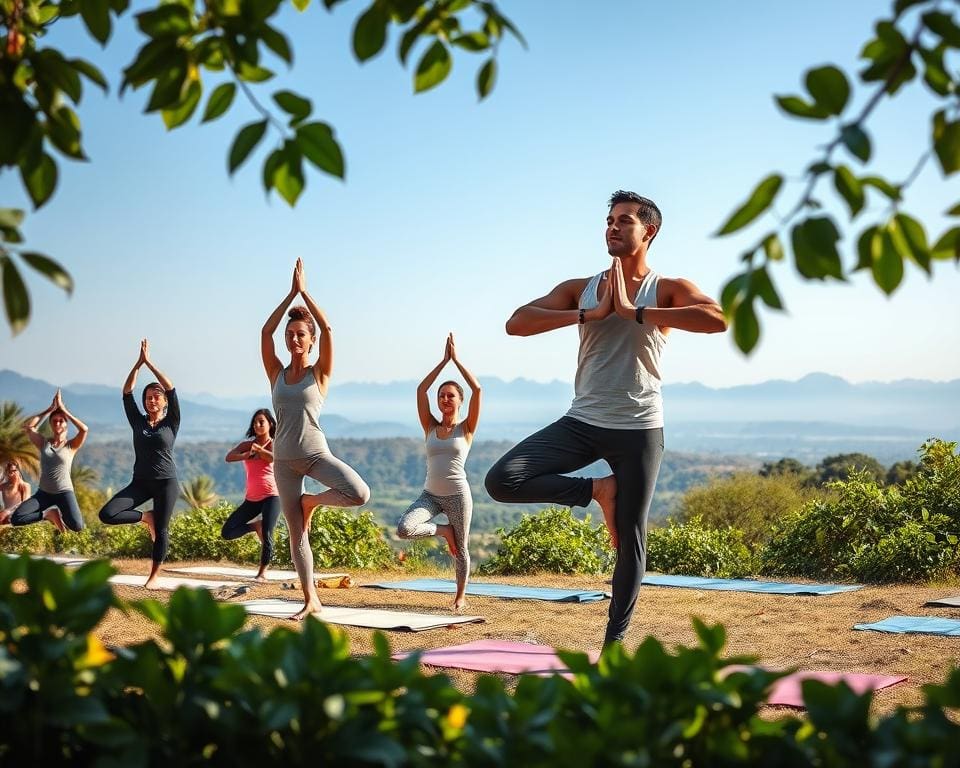
In recent years, the popularity of yoga has surged, captivating individuals across the UK seeking both physical balance and mental balance. This ancient practice not only nurtures physical health but also promotes profound mental clarity, making it a holistic solution for contemporary life’s challenges. With its roots deeply embedded in history, yoga offers transformative health benefits that resonate with diverse demographics. As more people recognise the importance of overall wellbeing, the appeal of yoga as a pathway to achieve equilibrium has never been more pronounced.
The Rise of Yoga in Modern Society
The history of yoga spans thousands of years, rooted in ancient Indian traditions that formulated a profound system of physical and spiritual practices. This ancient discipline began to gain traction in the Western world during the 20th century. As a result, yoga in the 21st century is experienced by millions across various cultures, serving not only as a physical workout but also as a means of mental and emotional well-being.
Historical Background of Yoga
The evolution of yoga is closely tied to spiritual texts such as the Yoga Sutras, which outline the philosophical foundations and ethical principles of the practice. These texts have shaped the understanding of yoga as more than mere physical postures, inviting practitioners to explore deeper states of consciousness and inner peace. The wisdom enshrined in the history of yoga continues to inspire modern practitioners, connecting them to a legacy that transcends time.
Yoga’s Integration into Western Culture
The Western adoption of yoga accelerated in the 20th century, thanks to influential teachers such as Sri Pattabhi Jois and B.K.S. Iyengar. Their teachings spread awareness and accessibility, allowing people from diverse backgrounds to embrace this ancient practice. The cultural integration of yoga expanded its appeal, fostering a community where individuals seek balance, strength, and mindfulness in their lives. In contemporary society, yoga studios and wellness centres flourish, signalling the increasing recognition of yoga’s myriad benefits.
Why is yoga popular for physical and mental balance?
Yoga has emerged as a holistic practice benefiting both the body and mind. People increasingly turn to yoga for its physical health benefits and mental health benefits, appreciating how this discipline engages multiple aspects of well-being. With numerous styles and approaches, yoga promotes a unique blend of fitness and mindfulness, making it a favourite among many.
Benefits for Physical Health
Engaging in yoga enhances flexibility, strength, and balance. These physical health benefits play a pivotal role in injury prevention while improving overall fitness levels. Regular practice aids in strengthening muscles and increasing stamina, allowing individuals to perform everyday activities with greater ease. Additionally, yoga encourages better posture and aligns the body, which can alleviate physical discomfort and tension.
Benefits for Mental Wellbeing
The mental health benefits of yoga are equally compelling. Many practitioners find yoga for stress relief to be particularly effective, as it promotes relaxation and mindfulness. Breathing exercises and meditative forms within yoga can help manage anxiety and elevate mood through the release of endorphins and serotonin. Moreover, the practice fosters exercise and mental clarity, providing a space for individuals to connect with their inner selves and cultivate resilience against life’s challenges.
The Science Behind Yoga’s Effectiveness
The exploration of yoga’s impact extends far beyond personal experience, delving into the intricate mind-body connection that explains the physiological effects of yoga. Current scientific research sheds light on how different practices can elicit significant changes in both mental and physical health.
The Connection Between Mind and Body
The mind-body connection is a foundational element of yoga, linking emotional states to physical responses. When individuals engage in yoga, they initiate mechanisms that promote relaxation and emotional balance. The calming effects observed during and after practice are primarily due to decreases in cortisol levels and increases in neurotransmitters associated with feelings of happiness. These physiological effects of yoga not only enhance relaxation but also foster a greater sense of awareness and emotional clarity.
Research Studies Supporting Yoga’s Benefits
A plethora of yoga research studies underscore the tangible benefits of practice on mental health. Clinical trials have demonstrated that regular engagement in yoga can lead to reduced symptoms of anxiety and depression. Specifically, research reveals that participants who practiced yoga regularly reported improvements in mood and overall emotional wellbeing. Additionally, scientific evidence for yoga benefits extends to enhancements in cognitive function, illustrating that consistent yoga practice can improve focus and mental agility.
Diverse Yoga Styles for Everyone
The world of yoga offers a variety of styles, making it accessible for all practitioners, regardless of their experience level. Understanding different yoga styles can aid in finding the right yoga style that resonates with individual preferences and goals. Among these, Hatha yoga and Vinyasa yoga stand out as popular options, each with unique characteristics and benefits.
Hatha Yoga for Beginners
Hatha yoga serves as an excellent introduction for those new to the practice. This style emphasises postures and breath control, allowing practitioners to build a solid foundation. The slower-paced classes provide ample time to understand each position, making it ideal for beginners looking to enhance flexibility and strength.
Vinyasa for Flow and Strength
On the other hand, Vinyasa yoga presents a dynamic approach to practice, combining movement with breath in a fluid sequence. This style encourages strength-building and endurance, attracting those wanting a more vigorous workout. The variety of sequences keeps practitioners engaged, promoting both physical and mental well-being.
Meditative Practices in Yoga
Beyond physical postures, meditation in yoga plays a vital role in achieving mental clarity and mindfulness. Integrating meditative practices within various yoga styles enhances the overall experience, allowing individuals to connect with their inner selves. Emphasising breath awareness and presence fosters a deeper connection to the practice.
Creating a Sustainable Yoga Practice
To experience the full benefits of yoga, it’s essential to cultivate a sustainable yoga practice that seamlessly fits into your daily life. Start by setting realistic goals that are both challenging and achievable — this approach helps in building a yoga habit that encourages long-term commitment. Rather than focusing solely on advanced poses, emphasise the importance of enjoying each session, whether it’s a gentle Hatha class or a vigorous Vinyasa flow.
Consistency in yoga is key; aim to practice regularly, but also be flexible with your schedule. Incorporating short, manageable sessions throughout the week can often be more effective than sporadic, intense practices. Remember, it’s about yoga for lifestyle integration, making sure that your practice enhances your everyday existence rather than becoming an obligation you dread. Finding joy in the process will foster a deeper connection to yoga, encouraging you to return to your mat.
Moreover, explore different classes and styles that resonate with you. This exploration is vital for maintaining enthusiasm and preventing burnout. Once yoga becomes a cherished part of your routine, you’ll discover the cumulative benefits in both physical and mental balance. A sustainable practice not only nurtures your body and mind but also enriches your overall quality of life.