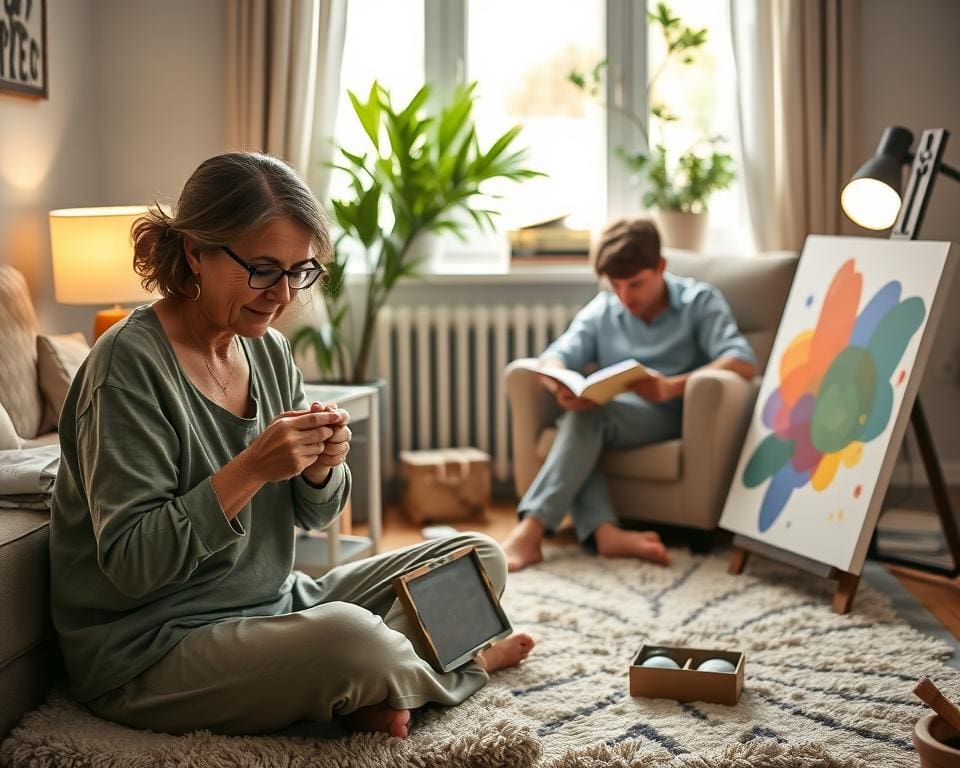
In today’s fast-paced world, the need for post-work relaxation is paramount. Engaging in hobbies provides an excellent avenue to reduce stress and promote mental health. Various studies consistently highlight how leisure activities can significantly enhance overall well-being, allowing individuals to unwind after a demanding day. By fostering joy, creativity, and personal satisfaction, hobbies serve as powerful tools for achieving a healthier work-life balance. Whether it’s painting, gardening, or indulging in musical pursuits, dedicating time to these activities can transform your evenings into moments of tranquillity and restoration.
The Science Behind Stress and Relaxation
Understanding the intricate relationship between the stress response and relaxation can provide valuable insights into how effective leisure activities truly are. The stress response, characterised by physiological changes, prepares the body for perceived threats. During this process, an individual may experience increased heart rate, heightened cortisol levels and faster breathing. Recognising these effects emphasises the need for effective countermeasures.
Understanding the Stress Response
This natural reaction can serve a purpose in certain scenarios. Yet, prolonged exposure to stress can lead to detrimental health effects. Chronic stress impacts mental health, contributing to issues such as anxiety and depression. Awareness of the stress response allows individuals to seek methods that promote relaxation and balance, thereby enhancing overall well-being.
Impact of Leisure Activities on Mental Health
Engaging in leisure activities provides critical mental health benefits that counteract stress. Hobbies, whether artistic, athletic, or social, act as powerful tools for relaxation. Studies show that individuals who dedicate time to leisure activities often report enhancements in mood and reductions in symptoms related to anxiety and depression. For those navigating the complexities of daily life, these activities offer a reprieve, fostering resilience and reinforcing positive mental health.
Why do hobbies reduce stress after work?
Engaging in hobbies offers profound psychological benefits that help individuals unwind after a long day. The act of participating in a pastime allows for a form of self-expression and creativity, which can contribute significantly to stress relief. When immersed in an enjoyable activity, the mind shifts focus, enabling a break from daily pressures and creating a healthier mental space.
The Psychological Benefits of Engaging in Hobbies
Hobbies not only provide an avenue for relaxation, but also boost one’s sense of achievement. Completing a project or mastering a new skill imparts a feeling of fulfilment. This is crucial for fostering positive mental health. Engaging in such activities regularly helps cultivate resilience against life’s challenges.
How Hobbies Distract from Daily Stresses
Immersion in hobbies creates a wonderful distraction from everyday stressors. As individuals focus on their interests, they often experience a state of flow, where the outside world fades away. Such deep engagement can lead to notable relaxation and provides an essential mental break from routine worries. The act of losing oneself in a creative endeavour or a favourite pastime acts as a gateway to escape, fostering a sense of peace and serenity.
Popular Hobbies that Help Alleviate Stress
Many individuals seek various hobbies for stress alleviation, turning to creative pursuits and physical activities to break free from the pressures of daily life. Engaging in art, music, or writing offers a fulfilling way to express emotions, while sports and outdoor activities provide necessary exercise and enjoyment. These pastimes not only enhance well-being but also support mental health by introducing joy and creativity into everyday routines.
Creative Pursuits: Art, Music, and Writing
Creative hobbies play a significant role in reducing stress. Activities such as painting, playing a musical instrument, or writing can serve as outlets for self-expression and emotional exploration. Engaging in these creative pursuits allows individuals to channel their thoughts and feelings into something tangible, promoting a sense of accomplishment and satisfaction. Art, in particular, has been shown to encourage mindfulness, drawing one’s attention away from everyday anxieties and into the present moment.
Physical Activities: Sports and Outdoor Pursuits
Physical activities also contribute significantly to stress alleviation. Participating in sports, yoga, or hiking not only offers physical exercise but stimulates the release of endorphins, the body’s natural mood enhancers. These activities create opportunities for social interaction, teamwork, and personal achievement, further enhancing their stress-reducing benefits. Exploring the great outdoors through hiking or engaging in team sports fosters a sense of community, adds novelty to life, and keeps both the mind and body active.
The Role of Routine in Stress Reduction
Creating a structured routine that focuses on post-work hobbies significantly enhances stress reduction. A regular schedule allows individuals to transition smoothly from the demands of their professional life into a more relaxed state. Engaging consistently in leisure activities not only promotes relaxation but also instils a comforting sense of normalcy each day. Let us explore how establishing a routine around hobbies and the importance of consistency can foster better mental health.
Establishing a Post-Work Hobby Routine
Integrating hobbies into a daily routine provides a structured way to unwind after work. Consider activities such as gardening, painting, or playing a musical instrument. These post-work hobbies serve as effective relaxation techniques, offering an escape from the pressures of daily life. By designating specific times for these activities, individuals can cultivate an environment conducive to relaxation and emotional release.
Consistency and Its Importance for Relaxation
Maintaining a consistent hobby routine is crucial for maximising the benefits of relaxation. Engaging in hobbies regularly reinforces the habit, making it easier to partake and derive joy from these activities. Over time, this consistency leads to improved stress reduction, emotional well-being, and even skill development. Embracing a ritualised approach to leisure not only alleviates mental strain but contributes to overall life satisfaction.
Community Engagement through Hobbies
Engaging in hobbies extends beyond personal enjoyment. It fosters community engagement, paving the way for meaningful social connections. When individuals pursue shared interests, they often find themselves connecting with like-minded people, creating an enriching environment for stress relief.
Building Connections with Like-Minded Individuals
Participating in hobby-related activities can significantly enhance social connections. Joining clubs, classes, or group events centred around a specific hobby allows individuals to meet others who share similar passions. This interaction initiates friendships and opens doors to support networks that contribute to emotional well-being. Recognising the value of these connections is essential for anyone seeking to mitigate stress.
Support Networks and Their Impact on Stress
Support networks build resilience in the face of stress. As individuals engage in activities with others, they develop bonds that can provide invaluable emotional support. Strengthening these social connections introduces a layer of stress relief, as sharing experiences and challenges offers comfort and understanding. Research consistently shows that a robust support network can act as a buffer against life’s pressures, enhancing overall mental health and well-being.
Balancing Hobbies and Work Life
Achieving a harmonious work-life balance requires thoughtful consideration, particularly regarding personal interests. As work commitments can often overshadow leisure, deliberate effort must be made to allocate time for hobbies. Engaging in enjoyable activities not only enriches life but also serves to counterbalance work-related stress. Effective time management plays a critical role in ensuring that one does not sacrifice leisure pursuits amidst professional demands.
Setting Aside Time for Personal Interests
Incorporating personal interests into a daily routine fosters emotional well-being. To attain this, setting aside dedicated time for hobbies is essential. Here are some strategies to consider:
- Prioritise hobbies by scheduling them in your calendar.
- Establish boundaries to protect personal time from work interruptions.
- Explore new activities that excite and invigorate your spirit.
All these efforts contribute to a fulfilling routine that sustains motivation. Without proper time management, one’s interests may fade into the background, leading to physical and emotional fatigue.
Avoiding Hobby Burnout: Quality over Quantity
While engaging in various hobbies can seem appealing, spreading oneself too thin often leads to hobby burnout. It is crucial to focus on the quality of experiences rather than the quantity. Emphasising a select few activities allows for deeper engagement and reduced stress. To maintain enthusiasm, consider these tips:
- Rotate hobbies regularly to keep things fresh and exciting.
- Listen to your body and mind; take breaks when feelings of fatigue arise.
- Reflect on what brings joy and fulfilment in your pursuits.
Remember, the aim is to enhance overall well-being through enjoyable activities. Nurturing a work-life balance does not just depend on managing time, but also on ensuring that every hobby pursued enriches life and nurtures the spirit.
Incorporating Mindfulness into Your Hobbies
Mindfulness is a powerful tool that can greatly enhance the benefits of engaging in hobbies, allowing for deeper relaxation and improved mental well-being. By practising mindfulness techniques, individuals can fully immerse themselves in their chosen leisure activities, whether it’s painting, gardening, or hiking. This intentional focus fosters a sense of presence that can lead to profound stress reduction, enabling one to escape the demands of daily life.
When you practice mindfulness while engaging in hobbies, you are not just performing a task; you are experiencing it. Take the time to genuinely enjoy the strokes of a paintbrush on canvas or the rhythm of your feet hitting the trail. These moments of awareness can significantly amplify your enjoyment and the therapeutic effects of these activities. Techniques like mindful breathing or simply being present can transform passive participation into an enriching experience.
Incorporating mindfulness into your hobbies can also improve your ability to manage stress in the long run. As you develop a habit of intentional engagement, you’ll find yourself naturally more attuned to the calming benefits of your leisure time. Whether you are finding joy in creative pursuits or enjoying the peace of nature, being mindful during these moments not only enhances your skills but also strengthens your overall mental health, providing a sustainable approach to stress management.