
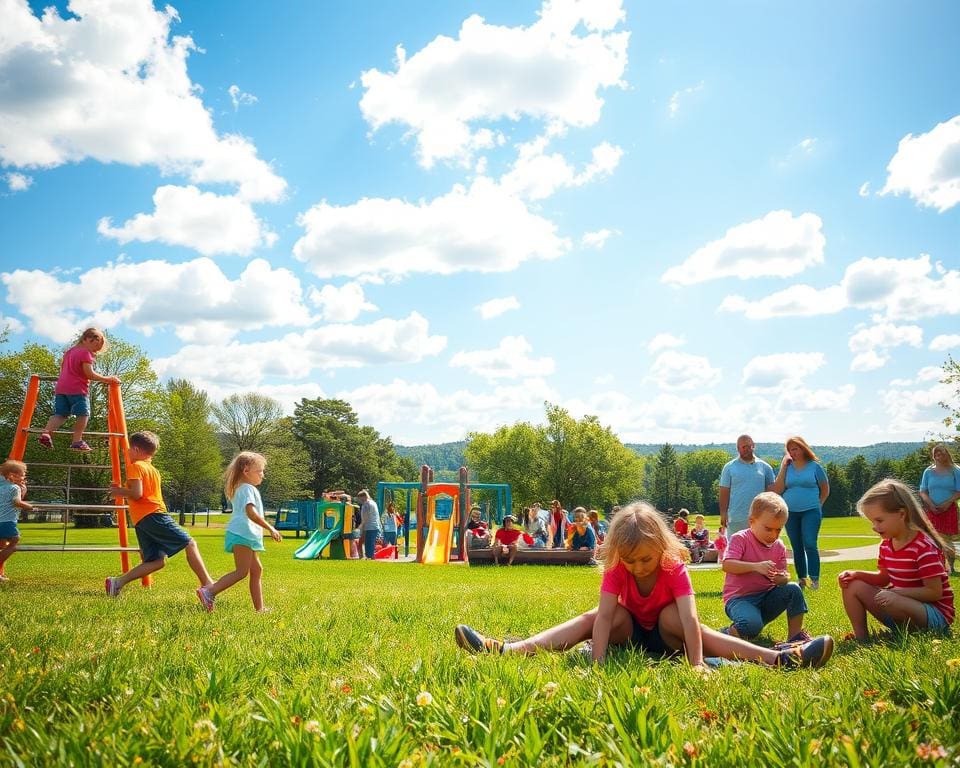
In today’s digital age, outdoor play has become increasingly vital for promoting child development. Engaging in outdoor activities not only encourages physical activity but also serves as a foundation for overall child well-being. Children discover the numerous benefits of outdoor play, as it fosters cognitive skills, enhances creativity, and nurtures social relationships. As they interact with their surroundings, youngsters learn resilience and adaptability, vital traits for tackling future challenges. This section highlights the necessity of outdoor exploration as an essential element of childhood.
The Importance of Outdoor Play for Child Development
Outdoor play plays a vital role in the comprehensive development of children. Engaging with nature fosters growth in various dimensions: cognitive, physical, and social. Exploring the natural world provides children with enriching experiences that enhance their overall development.
Cognitive Benefits of Nature
Nature experiences stimulate child cognitive development by nurturing curiosity and enhancing problem-solving skills. When children interact with the environment, they question, explore, and learn, which sharpens their analytical abilities. The outdoor setting encourages sustained attention, helping children improve their focus and academic performance over time.
Physical Development Through Play
Active play outdoors promotes essential physical growth in children. Climbing trees, running across open fields, and engaging in team sports boost coordination, balance, and overall fitness. These activities not only strengthen muscles but also contribute to cardiovascular health, forming a strong foundation for a healthy lifestyle.
Social Skills Fostered Outdoors
Outdoor play significantly enhances outdoor social skills. In collaborative games and activities, children learn to navigate relationships with peers, negotiate rules, share resources, and resolve conflicts. These interactions develop their emotional intelligence, teaching them the importance of empathy and teamwork in social settings.
Understanding the Role of Nature in Learning
Nature acts as an extraordinary classroom for children, enriching their learning experiences through direct engagement with the environment. By exploring the natural world, children gain invaluable insights into ecological systems while fostering a sense of curiosity and wonder. This exposure provides a solid foundation for understanding complex concepts related to biodiversity and environmental education.
Exploring the Natural Environment
Venturing into the natural environment allows children to experience firsthand the intricacies of various habitats. Nature-based learning encourages observational skills and critical thinking as children encounter diverse flora and fauna. Hands-on experiences such as building shelters or identifying different species cultivate an appreciation for the delicate balance of ecosystems.
Sensory Experiences and Learning Opportunities
Sensory development thrives in outdoor settings, where children may touch, see, and hear the wonders around them. Engaging with textures of leaves, vibrant colours of flowers, and the soothing sounds of water contributes to a rich tapestry of learning opportunities. These sensory experiences deepen their connection to the world and enhance cognitive development, offering insights often missed within traditional indoor learning environments.
Why is outdoor play essential for children today?
The debate surrounding indoor vs outdoor play highlights the numerous advantages that outdoor activities provide for children’s overall development. Children benefit significantly from engaging with natural environments, which fosters not just physical growth but also emotional well-being. The contrasting benefits of indoor activities pale in comparison to those derived from time spent outdoors.
Comparing Indoor and Outdoor Activities
Indoor activities often focus on cognitive development through structured learning experiences. Yet, they frequently lack the crucial social and physical components essential for holistic child growth. In contrast, outdoor play encompasses a wide range of spontaneous and free-spirited activities. These can include climbing trees, playing sports, and simply exploring the world around them. Each of these interactions contributes to:
- Enhanced physical fitness
- Improved social skills
- Better coordination and motor skills
Such experiences are vital in fostering resilience among children, as they learn to navigate challenges and take risks in a safe environment.
Impact on Mental Health and Well-Being
Outdoor play is a powerful tool for promoting mental health benefits. Time spent in nature provides essential stress relief for children, allowing them to unwind and recharge. This exposure to the outdoors correlates with decreased anxiety and improved mood, significantly enhancing emotional well-being. Studies suggest that children who engage in outdoor activities exhibit lower rates of depression and hyperactivity symptoms. The therapeutic effects of nature are undeniable, making it essential for parents and educators to prioritise outdoor play as a vital component of a child’s daily routine.
Outdoor Play and Physical Health
The growing focus on childhood obesity has led to an increased awareness of the vital role outdoor play plays in promoting physical health. Engaging in regular outdoor exercise is fundamental, not just for maintaining a healthy weight but also for enhancing overall physical fitness. The myriad benefits of outdoor play encourage children to lead more active lifestyles while having fun.
Benefits of Regular Exercise
Outdoor exercise is crucial for children’s development. The advantages include:
- Improved cardiovascular health: Activities like running, cycling, or playing ball games strengthen the heart and lungs.
- Muscle development: Climbing, jumping, and pushing play equipment build strength and coordination.
- Enhanced mood: Physical activity releases endorphins, leading to improved emotional well-being.
- Social interactions: Group games foster teamwork and communication skills.
Reducing Childhood Obesity
In the fight against childhood obesity, outdoor play offers effective solutions. Encouraging children to take part in physical activities outdoors can significantly diminish the risk of weight-related issues. By replacing sedentary screen time with active play, children develop healthier habits that last a lifetime. Access to parks and open spaces serves as a natural catalyst for creative, energetic play, reinforcing the importance of active play in children’s routines.
Outdoor Play as a Tool for Creative Expression
Outdoor play serves as a remarkable medium for creative expression, blending imagination with the natural environment. Children thrive when they interact with nature, as it opens the door to endless imaginative possibilities. Engaging in outdoor art activities fosters a unique freedom that allows children to invent games, craft stories, and explore artistic pursuits tailored to their surroundings.
Nurturing Imagination Through Nature
The beauty of the outdoors fuels children’s imagination. They find inspiration in the vibrant colours of flowers, the rustling leaves, and the shapes of clouds. Activities such as storytelling under a tree or acting out scenarios with their peers cultivate creative expression. Nature becomes more than a backdrop; it transforms into a rich source of inspiration that allows children to dive deep into their imaginative worlds.
Artistic Activities Inspired by the Outdoors
Engaging in nature-inspired play, such as painting with leaves or creating sculptures from twigs and stones, provides an excellent opportunity for artistic exploration. These outdoor art activities not only enhance fine motor skills but also encourage innovation and critical thinking. Children experiment with textures, colours, and forms, leading to unparalleled creative expression. Through these imaginative experiences, they learn to appreciate the artistic possibilities that lie within their environment.
The Social Aspect of Outdoor Play
Outdoor play serves as an essential platform for children to engage in meaningful social interactions. Through shared experiences in natural settings, children are given numerous opportunities for friendship building. Cooperative play not only encourages teamwork but also promotes the development of valuable interpersonal skills.
Building Friendships Through Cooperative Games
Participating in cooperative games nurtures a sense of belonging among peers. These activities require children to work together towards collective goals, reinforcing their connections. As they engage in cooperative play, friendships blossom through shared laughter and challenges. Children learn the importance of collaboration, which is critical in forming lasting bonds.
Conflict Resolution in Natural Settings
Navigating conflicts is another vital aspect of social development during outdoor play. When faced with disagreements, children can employ conflict resolution techniques that are often absent in indoor environments. Outdoor settings provide a natural backdrop for children to develop negotiation skills, helping them learn to express their feelings constructively. This ability to resolve disputes amicably is integral not only to their social circles but also to their emotional intelligence.
Encouraging Independence Through Outdoor Exploration
Outdoor exploration plays a vital role in encouraging children to embrace independence and develop important life skills. As they engage in various activities, youngsters encounter opportunities for risk-taking in play, enabling them to assess their surroundings and make informed decisions. This interactive experience is crucial for cultivating decision-making skills, which are essential for navigating challenges both now and in the future.
Risk Assessment and Decision Making
While exploring the outdoors, children face numerous scenarios that require careful consideration of risks. Whether it involves climbing a tree or exploring a new trail, these activities prompt children to evaluate the safety and feasibility of their choices. This process of risk assessment not only contributes to their independence but also equips them with the decision-making skills necessary for life’s obstacles.
Fostering Confidence in Children
As children navigate the outdoors and successfully complete challenging tasks, they experience a wonderful progression in building child confidence. Each new skill mastered—be it balancing on a log or successfully crossing varied terrain—reinforces their sense of achievement. This boosted self-esteem plays a pivotal role in shaping resilient individuals, ready to meet any challenge with assurance.
Creating Safe Spaces for Outdoor Activities
The establishment of safe outdoor play spaces is essential for fostering an environment where children can engage in imaginative and physical activities. This involves thoughtful design and maintenance, ensuring that areas are equipped with age-appropriate play structures and soft surfacing to minimise injury risks. Collaborating with local communities, educators, and parents can lead to the creation of vibrant outdoor spaces that prioritise child safety while still encouraging exploration and play.
Effective risk management practices must be implemented to address potential hazards during outdoor activities. This includes adhering to child safety guidelines, which serve both to protect young adventurers and to offer peace of mind to caregivers. Regular inspections and maintenance are crucial in upholding the integrity of play equipment, ensuring that every child has the opportunity to revel in the joy of play without undue concern for their safety.
Promoting safe play does not diminish the thrill of adventure; rather, it enhances it by allowing children to push their boundaries in a secure environment. By prioritising safety while also embracing the spirit of exploration, we can cultivate a generation of confident, independent children who understand their surroundings and relish the beauty of the natural world. It is vital that we work collectively to expand and improve these safe outdoor play spaces, laying the groundwork for a safer, healthier future for all children.