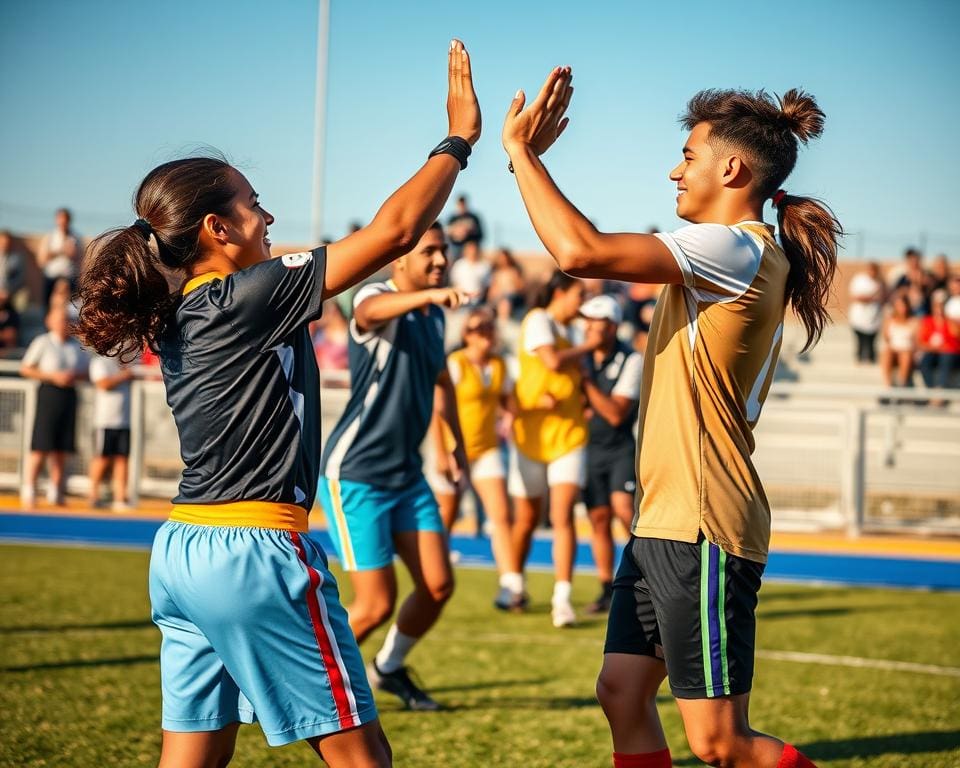
Team sports offer a unique platform for individuals to cultivate essential social skills that go beyond physical fitness. Engaging in teamwork requires players to communicate effectively, fostering an environment where empathy thrives. The intricate dynamics of team sports encourage collaboration, allowing participants to develop interpersonal skills that are vital in everyday life. As research highlights, the benefits of teamwork extend far beyond the game, providing invaluable lessons in social interaction that can be applied in various aspects of life. Within this framework, we uncover how the essential elements of teamwork and communication enhance social skills, setting the foundation for stronger relationships.
The Power of Teamwork in Sports
Team sports serve as remarkable platforms for building social skills. The essence of teamwork lies in the intricate dance of team dynamics, where understanding each member’s role and contributions can significantly enhance interpersonal relationships. Every team acts as a micro-community, fostering opportunities to navigate complexities in relationships while working towards a common goal.
Understanding Team Dynamics
Team dynamics play a pivotal role in the success and cohesion of any sporting group. Players quickly learn that their actions impact the overall performance, leading to a natural development of trust in sports. This awareness encourages open communication, as individuals become more aware of the importance of their contributions. When team members feel secure in their roles, it cultivates an environment ripe for collaboration and mutual respect.
Collaboration and Trust
Effective collaboration is the backbone of successful teams. Players rely on one another, fostering trust that empowers them to perform at their best. Studies illustrate that teams which emphasise collaboration not only excel in their sporting endeavours but also see a marked increase in member satisfaction. Establishing trust in sports enables players to communicate more effectively, ensuring everyone is working towards the same objectives.
Why do team sports build strong social skills?
Team sports serve as a dynamic platform for developing crucial social skills, particularly in the areas of communication and collaboration. Athletes learn to convey thoughts and strategies effectively, which is essential for achieving shared objectives. This exchange is not limited to tactical discussions; it encompasses expressing emotions, concerns, and celebrating achievements.
Communication as a Key Element
Effective communication skills are vital for any successful team. Athletes must articulate their ideas clearly and listen attentively to their peers. This fosters an environment where everyone feels valued and understood. Teams that prioritise open lines of communication can enhance cohesion and increase their chances of success.
Active Listening and Feedback
Active listening is a cornerstone of effective teamwork. Participants who engage in active listening demonstrate a commitment to understanding their teammates, thereby improving empathy and relational dynamics. Incorporating constructive feedback in teamwork can accelerate personal and group development. By creating a culture where feedback is shared respectfully, teams can adapt and evolve in response to challenges.
By honing these skills during competitions, athletes prepare for a range of social situations, both on and off the field. The emphasis on communication, active listening, and feedback enriches their interpersonal connections, leaving a lasting impact beyond the realm of sports.
Developing Empathy through Sports
Team sports offer a unique opportunity to cultivate empathy among players. As individuals engage in shared experiences, they begin to form relationships that encourage understanding and support. This process is essential for building social bonds that can last a lifetime.
Building Relationships with Teammates
Through teamwork, players learn to appreciate different perspectives and backgrounds. This awareness fosters emotional support within the group, strengthening their connections. As teammates collaborate, they develop a sense of belonging, which can significantly enhance their social skills.
Coping with Wins and Losses Together
Experiencing both triumphs and defeats as a unit creates an environment rich in emotional resilience. Sharing these moments allows players to develop effective coping mechanisms. Supporting one another during challenging times not only reinforces relationships but also cultivates a sense of community that can be beneficial beyond the sporting arena.
The Role of Leadership in Team Sports
Leadership serves as a cornerstone in the realm of team sports, impacting both the collective dynamics and individual player development. Effective leaders within sports teams cultivate an environment that prioritises trust, respect, and robust communication. These qualities are essential for achieving team success.
Leadership Skills for Players
Players are often given opportunities to step into leadership roles, even in informal capacities. This encourages them to develop essential skills such as:
- Decision-making: Learning to make quick and informed choices during high-pressure situations.
- Motivation: Inspiring fellow teammates to perform at their best fosters a sense of unity.
- Accountability: Understanding that one’s actions affect the entire team helps to build a sense of responsibility.
Fostering an Inclusive Environment
Team inclusiveness is crucial for creating a welcoming atmosphere. Leaders play a pivotal role in ensuring that every team member feels valued. This not only enhances individual confidence but also strengthens community ties. Inclusive practices include:
- Encouraging diverse participation, ensuring all voices are heard.
- Providing constructive feedback that supports growth without discouragement.
- Creating team activities that promote bonding and mutual respect.
Conflict Resolution and Team Sports
In the realm of team sports, conflict can often arise, whether it is related to tactics, playing styles, or personal interactions. Learning to navigate these disagreements is a vital skill that every player develops, leading to stronger relationships and enhanced teamwork. Engaging in constructive criticism during conflicts allows teams to address issues positively and collaboratively.
Addressing Disagreements Constructively
When conflicts emerge, it is essential for team members to approach them with a mindset geared towards resolution rather than escalation. Open dialogue fosters an environment where players can express their concerns and viewpoints. Emphasising \emph{constructive criticism} encourages individuals to provide feedback that focuses on solutions, which promotes healthier interactions.
Finding Common Ground as a Team
Effective conflict resolution hinges on the ability to find mutual understanding. Teams that practice open communication often discover shared goals despite initial disagreements. This process not only strengthens bonds among players but also cultivates resilience within the group. Celebrating successes together enhances team spirit and solidifies social ties as members learn to appreciate each other’s perspectives.
The Social Benefits Beyond the Game
Engaging in team sports offers more than just athletic competition; it opens doors to various social benefits that can enrich one’s life significantly. Through shared experiences on the field, participants form lasting friendships and create invaluable social connections that extend well beyond the boundaries of the game.
Networking Opportunities
Team sports facilitate networking opportunities, allowing individuals from diverse backgrounds to come together and build rapport. These connections often lead to professional relationships and collaborations, enriching personal and career growth. Players frequently find themselves in environments where shared goals and challenges pave the way for lasting bonds.
Creating Lifelong Friendships
The essence of community thrives in the friendships cultivated through team sports. Experiences shared during practice sessions, games, and celebrations foster a sense of belonging, creating memories that players cherish for years. Participants often look back on their time together, recognising the importance of these friendships in their lives.
Building Confidence through Team Participation
Engaging in team sports serves as an effective avenue for confidence building among athletes of all ages. The shared experience of striving towards common goals fosters a sense of achievement that significantly enhances self-esteem. The recognition of individual contributions within the team dynamic plays a pivotal role in developing a positive self-image.
Self-Esteem Boosts from Group Success
Winning as a team provides a profound boost to self-esteem. Players relish the triumphs achieved collectively, which reinforces their belief in their abilities. Each success story contributes to the formation of a robust self-image, essential for personal growth. The encouragement received from teammates during both victories and setbacks cultivates an environment that nurtures confidence.
Encouragement and Support Systems
The establishment of strong support systems within teams significantly contributes to personal development. Teammates often uplift one another during challenging times, providing essential reassurance that fosters courage and resilience. This encouragement leads to risk-taking and experimenting with new skills, further enhancing confidence levels. Such support systems play a crucial role in shaping athletes’ social abilities and bolstering their self-esteem across various aspects of their lives.
The Impact of Coaching on Social Skill Development
Coaching plays a pivotal role in the enhancement of social skill development among athletes. Coaches are more than just trainers; they function as mentors and role models who impart essential interpersonal skills. Through effective coaching, individuals learn to navigate team dynamics, fostering cooperation, respect, and effective communication. These aspects are crucial, not only on the field but also in life beyond sports.
Research indicates that athletes who engage in strong coaching relationships tend to exhibit enhanced social skills, which can be pivotal as they transition into their personal and professional lives. A coach’s ability to recognise and nurture individual talents while promoting teamwork ensures that athletes feel valued and understood. This supportive environment encourages personal growth, enabling athletes to develop confidence in their social interactions.
Furthermore, a coach’s influence extends beyond technical training, instilling a sense of community among team members. By emphasising the importance of mentorship, coaches equip athletes with the skills necessary to collaborate effectively. As athletes learn to express their thoughts and listen to others, they cultivate relationships that last well beyond their sporting careers, highlighting the profound impact of coaching on their overall social skill development.