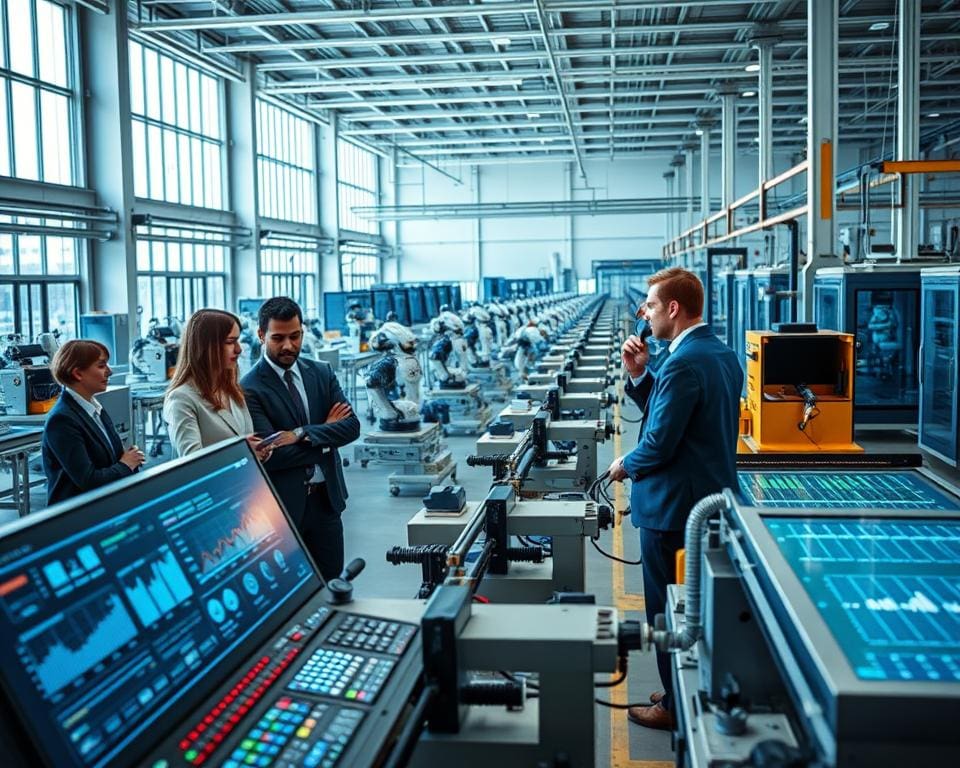
In the fast-paced realm of manufacturing, the integration of technology plays a pivotal role in driving downtime reduction. As industries increasingly adopt innovative solutions, the potential for enhanced efficiency and productivity comes to the fore. By embracing advanced tools and methodologies, organisations can minimise idle time, ensuring that production environments operate smoothly and consistently. This article will delve into how cutting-edge technology not only lessens downtime but also fosters resilience and progress within manufacturing.
Understanding Production Downtime
Production downtime is a critical concept that plays a pivotal role in the operational efficiency of manufacturing processes. The definition of downtime encompasses periods when production is halted due to various reasons, such as equipment failures, maintenance tasks, or unforeseen disruptions. This multifaceted nature requires a deep understanding, as it can profoundly impact a company’s overall performance.
What is Downtime?
Downtime refers to instances when machinery or equipment is not operational, preventing the production of goods. The definition of downtime may vary across industries, yet its implications remain universally significant. By identifying the root causes of downtime, businesses can initiate strategies that aim to minimise disruptions while optimising resource allocation.
The Impact of Downtime on Productivity
The effects of downtime can lead to substantial productivity loss, reflecting negatively on both output and financial metrics. Reports indicate that downtime can cost manufacturers thousands of pounds per hour. This figure highlights the importance of recognising downtime as a critical factor in business performance. Companies that understand these effects are more motivated to explore innovative solutions to maintain and boost productivity levels.
Innovative Technologies Transforming Production
The landscape of manufacturing has undergone significant transformation through the introduction of advanced technologies. Automation and robotics play a critical role in streamlining processes, while IoT and smart sensors provide the necessary data insights for operational excellence.
Automation and Robotics in Manufacturing
Automation in manufacturing has redefined production efficiency. With the incorporation of robotics, manufacturers can handle repetitive tasks with unparalleled precision. This reduction in human intervention decreases the likelihood of error and maximises output. Subsequently, productivity is enhanced, paving the way for more complex tasks that require human intellect.
IoT (Internet of Things) and Smart Sensors
The integration of IoT and smart sensors revolutionises data collection within manufacturing environments. These interconnected systems allow for real-time monitoring of equipment and processes, providing valuable insights into operational efficiency. Smart sensors facilitate the quick identification of potential issues, enabling proactive maintenance strategies. Such advancements empower manufacturers to make informed, data-driven decisions that significantly reduce downtime.
How does technology reduce downtime in production environments?
In the realm of modern manufacturing, the integration of technology plays a pivotal role in minimising downtime. Innovations such as predictive maintenance and real-time monitoring are at the forefront of this transformation, enhancing efficiency and productivity within production environments.
The Role of Predictive Maintenance
Predictive maintenance utilises data analytics and machine learning algorithms to anticipate equipment failures before they happen. This proactive approach allows companies to schedule maintenance tasks at convenient times, significantly reducing unexpected breakdowns. By identifying patterns and trends in machine behaviour, organisations can optimise their operations and prevent costly disruptions.
Real-Time Monitoring Systems
Real-time monitoring systems provide instantaneous feedback on machine performance, creating an environment where adjustments can be made swiftly. This immediate access to data empowers teams to address issues as they arise, thus minimising downtime. Businesses employing such technology in production environments often realise improved operational efficiencies and a notable decrease in overall downtime.
The Benefits of 5G in Production Settings
5G technology marks a significant leap forward in production environments, providing enhanced connectivity and driving numerous production benefits. The ability to facilitate faster and more efficient data transfer transforms how systems communicate and operate. Manufacturers can harness these advancements to improve overall efficiencies and reduce downtime.
Increased Data Transfer Speeds
The hallmark of 5G technology is its remarkable data transfer speeds. This ultra-fast connectivity empowers a multitude of devices to exchange information in real-time. Such swift communication allows companies to respond promptly to any operational challenges. By leveraging higher data transfer rates, organisations can streamline processes and optimise productivity.
Enhancing Remote Asset Management
Remote management becomes a more manageable task with the support of 5G technology in production settings. Operators can monitor and control machinery and operations from virtually anywhere. This capability not only enables continuous oversight but also minimises the need for physical presence on the shop floor. Enhanced remote management leads to more effective issue resolution and better resource allocation.
Software Solutions to Minimise Downtime
In the fast-paced world of production, maximising efficiency and minimising downtime have become top priorities for organisations. Effective software solutions play a crucial role in achieving these goals. Specifically, the integration of ERP systems and cloud computing technologies significantly enhances operational capabilities and streamlines processes.
Enterprise Resource Planning (ERP) Systems
ERP systems are designed to integrate various functions within an organisation, from inventory management to production scheduling. By providing a centralised platform for data sharing, these systems foster collaboration across departments. This integration results in improved visibility into operations, leading to informed decision-making. Notably, the effective use of ERP systems can lead to reduced lead times and a smoother production flow, contributing directly to downtime minimisation.
Cloud-Based Solutions for Scalability
Cloud computing offers unparalleled scalability, allowing businesses to adjust their resources based on demand. This flexibility is crucial for adapting to fluctuating production needs. By implementing cloud-based solutions, organisations can efficiently manage their IT infrastructure without facing the costs associated with traditional systems. These software solutions not only support rapid scaling but also enhance accessibility, making it easier for teams to collaborate and respond swiftly to potential downtime issues.
Case Studies of Successful Implementations
Examining real-life case studies reveals significant outcomes from successful technology implementations in various industries reducing downtime. Leading manufacturers have adopted innovative solutions to enhance operational efficiency and minimise disruptions.
Real-Life Examples of Reduced Downtime
In the automotive sector, manufacturers have integrated IoT sensors into their machinery. This technology facilitates predictive maintenance, allowing for earlier detection of potential failures. As a result, companies have reported a remarkable 40% reduction in unplanned outages. Another example can be seen in the retail industry, where advanced inventory management systems have optimised supply chain processes, drastically reducing delays.
Lessons Learned from Leading Industries
These case studies offer vital lessons regarding the integration of advanced technologies. Successful technology implementations necessitate a cultural shift within organisations, emphasising collaboration and adaptability among employees. Furthermore, comprehensive training programs are essential for ensuring staff can effectively utilise new systems and maximise their benefits.
Future Trends in Technology and Downtime Reduction
As the landscape of manufacturing continues to evolve, future trends in technology promise exciting advancements that could significantly enhance downtime reduction strategies. The integration of AI-driven analytics is set to transform how organisations interpret data, allowing for proactive measures that anticipate equipment failures before they occur. This foresight empowers businesses to fine-tune their operational processes and optimise productivity.
Alongside AI innovations, enhanced robotics are expected to play a pivotal role in minimising downtime. Next-generation robotic systems, equipped with advanced sensory technology, can perform more complex tasks efficiently while working alongside human operators. This collaboration between humans and machines not only streamlines workflows but also reduces the risk of errors that often lead to production halts.
Moreover, the rollout of next-generation 5G applications will undoubtedly bolster connectivity in production environments. Improved data transfer speeds will enable real-time communication between machines and monitoring systems, facilitating immediate responses to potential outages. To remain competitive, companies must actively embrace these technology advancements, investing in smart production systems that will redefine traditional approaches to downtime management.