
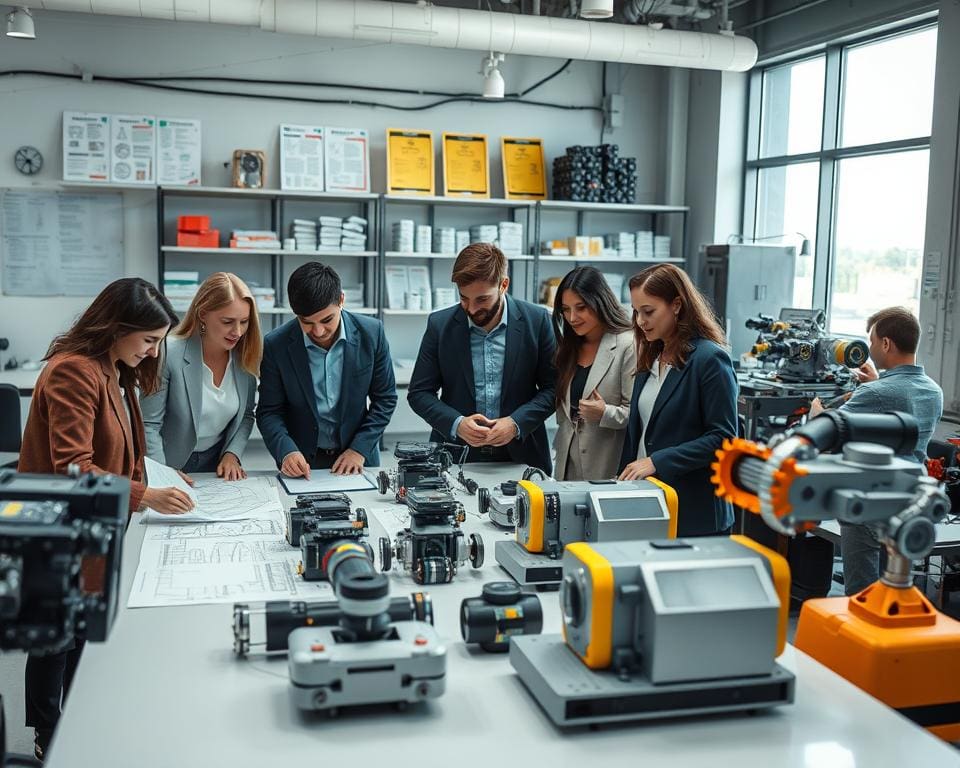
In the realm of contemporary machinery design, functional safety emerges as a fundamental concern, ensuring that systems operate not only efficiently but also safely. With the increasing reliance on automated processes, the need for critical safety measures has never been more pressing. Statistics reveal alarming rates of machinery-related incidents, highlighting the urgency for robust safety protocols. By weaving functional safety into the design process, engineers can safeguard human life and uphold the integrity of operations, ultimately fostering a safer working environment.
The Importance of Functional Safety in Machinery
Functional safety plays a crucial role in the design and operation of machinery, ensuring reliability and effectiveness while preventing hazards. By defining functional safety, one can comprehend its significance in maintaining uninterrupted operations, which directly correlates with the importance of safety across various industries. The adherence to safety standards not only mitigates risks but also fosters trust among users and stakeholders.
Understanding Functional Safety
Functional safety refers to the part of safety that specifically addresses the correct functioning of safety-related systems. This encompasses the mechanisms and protocols in place to prevent dangerous failures. Emphasising the importance of safety, functional safety helps in identifying potential hazards and implementing measures to eliminate or reduce them. Notably, robust methodologies govern this field, ensuring that machinery operates within defined safety parameters.
Historical Context of Safety Standards
The evolution of safety standards has shaped the landscape of functional safety in machinery design. Historic events have prompted the establishment of comprehensive safety frameworks, including ISO 26262 for automotive systems and IEC 61508 for industrial applications. These frameworks are built on lessons learned from past incidents, demonstrating the importance of safety through rigorous guidelines that emphasise risk reduction. Today, adherence to these safety standards is not merely a recommendation but a necessity for compliance, influencing design practices and operational protocols in manufacturing.
Why is functional safety critical in modern machinery design?
In an era where machinery plays a pivotal role in various industries, ensuring functional safety has never been more crucial. The intersection of regulatory compliance, industry standards, and the imperative to protect human safety illustrates the responsibilities facing manufacturers and designers. Understanding these elements helps to foster a culture where safety is paramount.
Regulatory Compliance and Industry Standards
Regulatory compliance serves as a cornerstone for the operational framework within which modern machinery operates. Failing to adhere to established guidelines can lead to significant legal repercussions, including financial penalties and liability concerns. The stringent requirements set forth by the European Union Machinery Directive and ISO standards make it essential for companies to continually assess and adapt their practices. Compliance with these regulations not only mitigates risk but also demonstrates a commitment to maintaining high industry standards.
Protecting Human Life and Well-being
At the heart of functional safety lies the fundamental ethical obligation to safeguard human life. Machinery operates in environments where human interactions are inevitable. Case studies of past accidents reveal the dire consequences when safety measures are overlooked. By prioritising human safety, manufacturers can prevent tragedies and ensure that their machinery supports, rather than endangers, the operators and the community. The obligation to consider human well-being extends beyond mere compliance; it is an enduring value that shapes the future of machinery design.
Key Concepts and Principles of Functional Safety
The foundation of functional safety lies in a comprehensive understanding of safety principles, which guide the design and management of machinery systems. An effective risk assessment process is imperative, enabling engineers and safety professionals to identify potential hazards, analyse risks, and implement appropriate control strategies. This proactive approach safeguards human life and enhances overall operational reliability.
Risk Assessment and Management
Effective risk assessment involves rigorous hazard identification and thorough risk analysis to understand the implications of potential failures. Employing a systematic methodology allows organisations to evaluate risks accurately, facilitating the development of risk control strategies. Incorporating safety principles into this process ensures that safety is not merely an afterthought but is embedded within the entire design framework. By fostering a culture of safety, organisations empower teams to make informed decisions that align with their safety objectives.
Safety Life Cycle in Design
The safety life cycle encapsulates all stages of a system’s existence, from concept to decommissioning. Each phase requires continuous assessment to ensure that safety principles are upheld. Throughout the safety life cycle, collaboration among cross-disciplinary teams becomes vital. Insights from engineering, safety experts, and regulatory bodies weave together a robust tapestry of safety measures that inform and enrich the design process. Engaging stakeholders at every stage not only enhances safety outcomes but also ensures compliance with industry standards, ultimately leading to safer machinery operation.
Impact of Technology on Functional Safety
In the ever-evolving landscape of modern machinery, technology plays a pivotal role in reshaping functional safety protocols. The integration of automation and robotics into manufacturing environments has the potential to enhance safety measures significantly. These advancements not only improve operational efficiency but also introduce a range of new challenges. Understanding the balance between innovation and risk is crucial for maintaining safety in automated settings.
Advancements in Automation and Robotics
The rise of automation and robotics has revolutionised how machinery operates. With smart robots handling complex tasks, human involvement decreases, which can reduce the risk of accidents. Advanced automation systems can continually monitor conditions, detect issues early, and respond instantaneously, thereby minimising hazards. The use of sophisticated sensors and artificial intelligence creates an environment where safety becomes an integral aspect of everyday operations.
Integration of Safety Systems in Software Design
As machinery becomes increasingly reliant on software safety systems, the need for robust and fail-safe algorithms intensifies. These systems must be designed to ensure that automated processes can operate without compromising safety. Real-time monitoring is essential, allowing for immediate responses to potential failures. Incorporating rigorous safety protocols in software design streamlines the functionality of automation, safeguarding against risks associated with malfunctions or unexpected behaviours.
Case Studies Highlighting Functional Safety Failures
The examination of past events serves as a crucial reminder of the implications stemming from safety failures within various industries. Learning from the unfortunate consequences that emerge from inadequate functional safety helps shape better practices moving forward. Through compelling case studies, both historical incidents and contemporary successes reveal the importance of implementing robust safety measures.
Lessons Learned from Historical Incidents
Incidents such as the Three Mile Island nuclear accident demonstrate the catastrophic fallout from safety failures. Mismanagement and overlooked safety protocols led to significant hazards, compelling authorities to re-evaluate existing regulations. These historical case studies highlight the necessity of stringent safety standards to prevent loss of life and environmental damage. A thorough understanding of past mistakes emphasises the importance of learning from such events to foster a culture of safety awareness.
Modern-day Examples of Safety Successes
In contrast, the automotive industry has emerged as a benchmark for safety success stories. Manufacturers implementing comprehensive safety protocols have seen substantial improvements in accident prevention and risk management. The use of advanced technology, such as automatic braking systems and collision avoidance features, showcases how well-executed safety standards can significantly reduce the potential for harm. These success stories inspire ongoing advancements in machinery design, further underscoring the vital role of functional safety.
Challenges in Achieving Functional Safety
In the rapidly evolving landscape of machinery design, the quest for functional safety encounters significant challenges. These difficulties often stem from the increasing complexity of modern machinery systems. Engineers face the daunting task of identifying potential hazards amidst a multitude of interacting components and systems.
Complexity of Modern Machinery Systems
The integration of advanced technologies, such as automation and robotics, introduces further intricacies. Each additional component increases the likelihood of unforeseen risks, complicating the safety assessment process. This complexity necessitates rigorous analysis and continual adaptation to ensure safety protocols are not only implemented but also effective in mitigating associated risks.
Balancing Cost and Safety in Design
Finding the equilibrium between cost and safety poses another significant challenge for manufacturers. Investment in safety features can seem daunting against tight budgets and aggressive financial targets. Without a doubt, the ongoing debate around cost vs safety revolves around whether long-term benefits justify the initial expenditures. The consequences of inadequate safety measures can lead to catastrophic events, emphasising the importance of prioritising safety in the design process despite financial constraints.
Future Trends in Functional Safety for Machinery Design
The landscape of functional safety is evolving rapidly, with significant advances anticipated in the coming years. Central to these future trends is the integration of AI and machine learning technologies, both of which promise to transform how safety is approached in machinery design. Emphasising predictive safety measures will become increasingly crucial, enabling more granular risk assessment and targeted solutions.
The Role of AI and Machine Learning
AI has the potential to revolutionise safety practices by enhancing data analysis capabilities and enabling proactive safety management. With it, engineering teams can leverage vast amounts of data to identify and mitigate risks before they escalate. Machine learning algorithms will assist in developing safety systems that adapt autonomously, responding to real-time conditions within operational environments.
Sustainable Practices in Safety Enhancement
In parallel, the integration of sustainable safety practices is becoming essential as industries strive for eco-friendly solutions. This involves designing machinery that not only safeguards human life but also adheres to environmental standards. Emphasising green technologies within safety solutions will ensure that future designs reflect a commitment to sustainability, offering operational efficiency without compromising on safety.
Best Practices for Implementing Functional Safety
In the realm of machinery design, demonstrating best practices for implementing safety is paramount to ensuring functional safety. A proactive approach involves cultivating a robust safety culture within organisations, where every member is engaged and committed to upholding safety standards. This culture should be grounded in clear communication and collaboration, promoting an environment where safety is seen not just as a requirement, but as a core value.
Training and ongoing education are vital components in this framework. By investing in regular safety training, organisations equip their workforce with the knowledge and skills necessary to navigate complex safety systems effectively. This continuous education reinforces the understanding of functional safety among employees, empowering them to identify and mitigate risks before they escalate.
Moreover, establishing clear safety policies and procedures aligned with industry standards is essential. These guidelines should encompass risk management strategies that anticipate potential hazards and address them proactively. When manufacturers adopt these best practices, they not only ensure compliance but also create machinery that prioritises the safety of users and operators, fostering a secure operational environment where everyone can thrive.