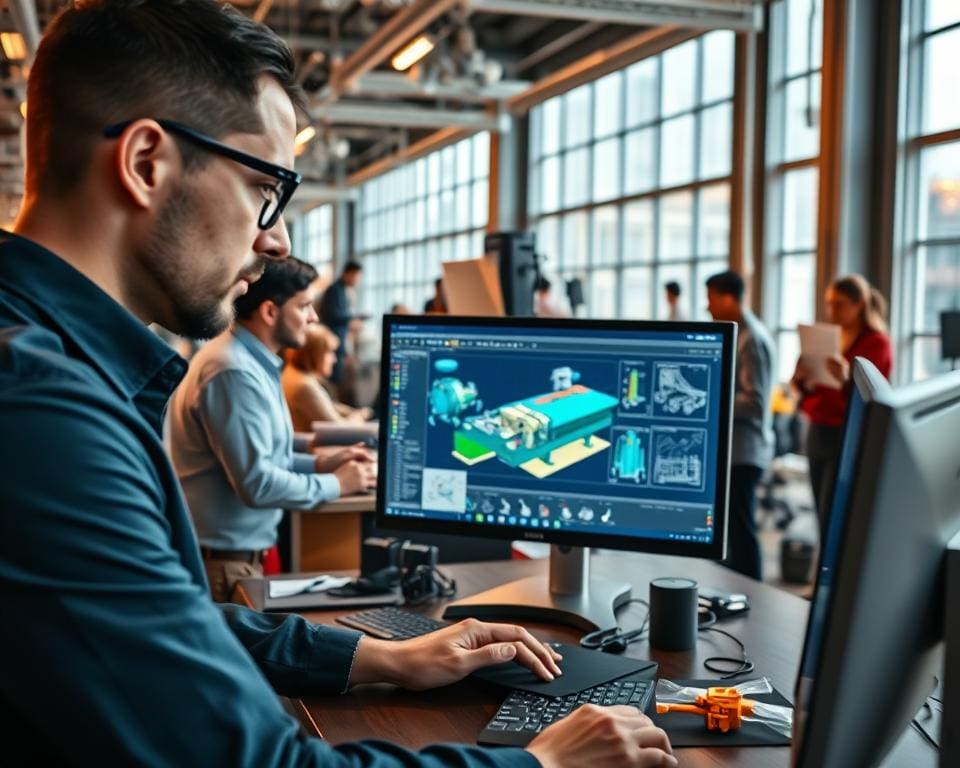
In the dynamic field of machine development, simulation software has emerged as an essential tool that empowers engineers and designers to enhance their design processes through meticulous optimisation. This cutting-edge engineering technology allows teams to create, test, and refine concepts within a virtual realm, accurately mimicking real-world conditions. By leveraging the computational power inherent in simulation software, the reliance on physical prototypes is significantly reduced, thereby minimising costs and development time. Ultimately, this innovative approach fosters greater efficiency and creativity in the design cycles, paving the way for advanced machinery that meets evolving market demands.
The Importance of Simulation Software in Engineering
In the rapidly evolving world of engineering, simulation software plays a pivotal role in ensuring that designs not only meet expectations but exceed them with impeccable engineering precision. As advancements unfold, the reliance on efficient simulation tools has grown, significantly enhancing design accuracy and optimising the entire product lifecycle.
Enhancing Design Accuracy
Achieving superior design accuracy is vital, as even the slightest imperfections can lead to substantial setbacks. Simulation software facilitates rigorous testing of designs against various conditions, offering insights that inform necessary adjustments. Industries like aerospace and automotive exemplify this trend, leveraging powerful simulation tools like CAD and Finite Element Analysis (FEA) to simulate critical factors such as stress and strain. This capability strengthens the final designs, fostering trust and assurance among key stakeholders.
Reducing Development Time
The speed of product development has a profound impact on maintaining market competitiveness. By harnessing simulation software, engineers can rapidly iterate multiple design concepts without the need for extensive physical prototypes. This aspect of rapid prototyping allows for exploration of diverse options, ultimately shortening development time and enhancing overall efficiency. Embracing these innovative capabilities not only streamlines the design process but also spurs innovation, paving the way for groundbreaking advancements.
How does simulation software support machine development?
Simulation software plays a vital role in transforming innovative ideas into tangible products. The initial stages involve extensive concept validation, where engineers assess their designs through virtual scenarios, thus avoiding potential pitfalls down the road. This approach forms the backbone of effective prototyping that utilises virtual environments to test and refine ideas before any physical model is created.
Validating Concepts Before Physical Prototyping
Through virtual testing, engineers can conduct crucial analyses that confirm their designs meet the required specifications. This method not only streamlines the development process but also acts as a safeguard against significant errors that could arise during physical construction. Industry leaders like Autodesk and ANSYS provide sophisticated tools that facilitate thorough exploration of designs, allowing for effective concept validation prior to committing resources to manufacturing.
Identifying Potential Issues Early
Early issue identification is essential in the journey of machine development. Simulation software employs predictive analysis to uncover potential failures or weaknesses within a design. This preemptive strategy enhances risk management by ensuring that any flaws are addressed before they escalate into costly problems. By embracing this proactive approach, engineers can optimise their workflows and create high-quality machines that meet market demands.
Types of Simulation Software Used in Machine Development
In the realm of machine development, various simulation software tools play pivotal roles. These programmes assist engineers in conducting analyses that ensure machine components operate efficiently and safely. Below, we explore key types of simulation software, highlighting their unique capabilities and contributions to engineering simulation.
Finite Element Analysis (FEA)
Finite Element Analysis, commonly known as FEA, serves as a cornerstone for structural analysis in machine development. This method enables engineers to evaluate the integrity of components under varying conditions. Advanced software such as Abaqus and COMSOL Multiphysics allow for the dissection and examination of materials’ behaviours when exposed to different forces and temperatures. These insights are invaluable, as they guide engineers on how materials respond in real-world scenarios, enhancing the reliability of mechanical systems.
Computational Fluid Dynamics (CFD)
Computational Fluid Dynamics, or CFD, represents a crucial aspect of fluid analysis in engineering. It is indispensable for designing machines that involve fluid movements, including pumps and turbines. Software options like ANSYS Fluent are tailored to simulate fluid flows with precision, enabling engineers to optimise designs for enhanced efficiency and performance. By delving into aspects such as thermal dynamics and airflow patterns, designers can make informed decisions that lead to improved operational outcomes.
Multi-Body Dynamics (MBD)
Multi-Body Dynamics, often referred to as MBD, focuses on the interactions and movements of interconnected bodies within mechanical systems. Tools such as Adams and Simpack facilitate dynamic simulations that predict how these bodies interact under various conditions. This type of analysis proves essential for examining complex systems, where traditional testing may fall short. With MBD, teams gain the ability to anticipate system behaviours, ultimately elevating the overall design and functionality of machines.
Benefits of Using Simulation Software
Simulation software offers myriad advantages for companies striving to enhance their operations in machine development. These benefits not only contribute to cost reduction but also promote financial efficiency, improve collaboration, and enhance safety and compliance standards.
Cost Reduction through Virtual Testing
One substantial benefit of simulation software is cost reduction achieved through virtual testing. By enabling multiple tests and iterations without the necessity for physical prototypes, businesses can significantly cut down on material and labour expenses. This kind of financial efficiency is vital in industries where profit margins are often narrow, allowing organisations to focus resources on innovation rather than remedial costs.
Streamlining Collaboration Among Teams
Simulation tools facilitate collaboration among varied engineering teams. By providing a unified platform for testing and sharing ideas, these tools enhance design integration and communication. Applications such as Siemens Teamcenter allow for real-time data sharing and visualisation, ensuring that feedback flows freely among different departments. The result is a more cohesive work environment, where engineers collectively advance their projects, fostering an atmosphere of innovation.
Improving Safety and Compliance
Compliance with safety standards is increasingly crucial in various industries. Simulation software serves as a key instrument in ensuring that designs meet these required regulations. By allowing engineers to simulate and assess safety features and compliance protocols early in the development process, companies can perform effective risk assessments. This proactive approach not only helps avoid costly legal repercussions but also protects end-users from potential hazards.
Future Trends in Simulation Software for Machine Development
The future trends in simulation software for machine development are set to transform the landscape of engineering. With the rapid advancement of artificial intelligence-driven simulations, engineers can expect even greater predictive capabilities. These innovations enhance the accuracy and reliability of simulations, enabling developers to make more informed decisions in the creation of complex machines.
Technological advancements also herald the rise of cloud-based platforms, which facilitate seamless collaboration across teams. This evolution allows for the sharing of resources and data in real-time, breaking down geographical barriers and fostering a more integrated approach to machine development.
Moreover, the incorporation of virtual and augmented reality technologies provides engineers with immersive environments to explore designs interactively. This not only leads to an intuitive understanding of machine dynamics but also enhances the overall design process. Additionally, as the Internet of Things (IoT) becomes increasingly intertwined with simulation software, the capacity for real-time data analysis will refine simulations in accordance with live operating conditions, paving the way for machines that are not only innovative but also highly efficient.