
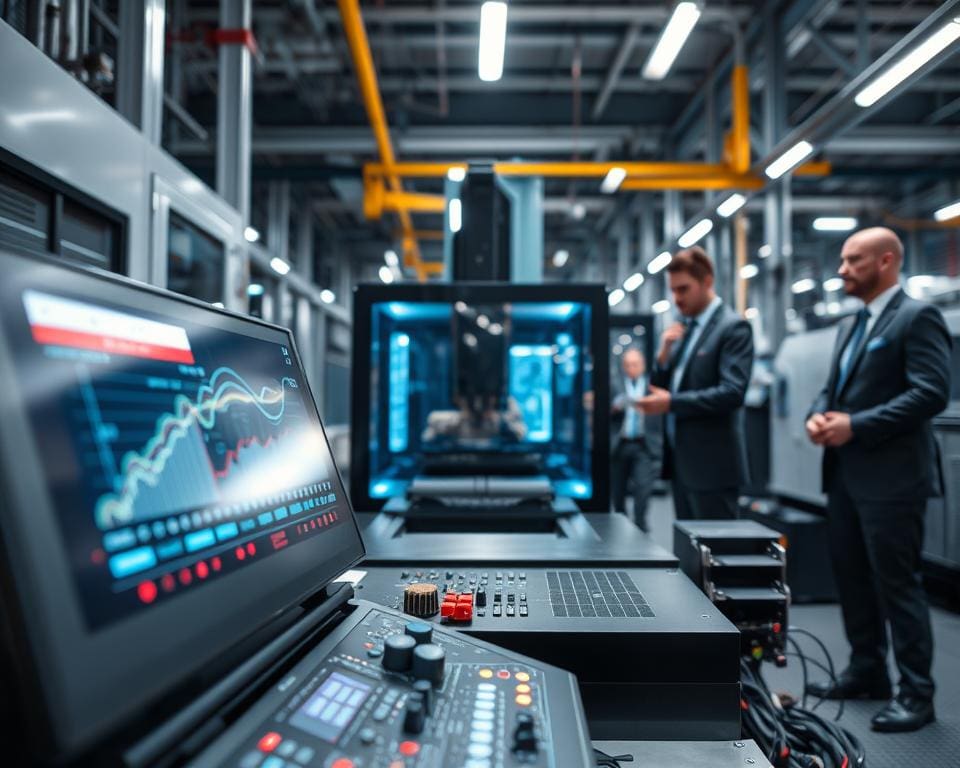
In today’s fast-paced industrial landscape, control systems play a pivotal role in enhancing machine performance and operational efficiency. These sophisticated systems not only facilitate automation but also empower businesses to achieve unparalleled precision control. By optimising processes, control systems are instrumental in driving improvements in machine efficiency, ensuring that machinery operates at peak performance while minimising resource waste.
This article will delve into the significance of control systems in modern machinery, highlighting how they help businesses navigate the complexities of automation. Expect to uncover insights into the various components and functions that contribute to enhanced performance, setting the stage for a deeper understanding of the transformative power of precision control.
The Importance of Control Systems in Modern Machinery
Control systems play a crucial role in the functionality of modern machinery. They serve as the backbone of operations, ensuring that various components work together seamlessly. Understanding the importance of control systems allows us to appreciate how they optimise processes and enhance overall machinery performance.
Understanding Control Systems
A control system can be defined as a set of devices or algorithms that manage, command, or regulate the behaviour of machines or processes. These systems monitor outputs and adjust inputs to achieve desired outcomes. In the context of modern machinery, the importance of control systems cannot be overstated, as they enable precise control over operations while maintaining safety and reliability.
The Role of Automation in Machine Performance
Automation has revolutionised the landscape of industrial operations by minimising human intervention. Through the use of control systems, automation enhances operational efficiency by enabling machines to perform tasks with greater speed and accuracy. This shift not only reduces the likelihood of human error but also increases the capacity for continuous production. As a result, businesses can achieve remarkable improvements in their production capabilities and overall performance.
Key Components of Control Systems
Understanding the components of control systems is essential for anyone involved in machine operation. At the heart of these systems lie two crucial elements: sensors and actuators. Each of these components plays a specific role in ensuring smooth and efficient functionality.
Sensors: The Eyes of Control Systems
Sensors act as the vital eyes of control systems. They are designed to gather critical data from their environment, ensuring that the system remains aware of various parameters. This information can range from temperature and pressure to position and speed. By continuously monitoring conditions, sensors enable control systems to respond appropriately, significantly enhancing machine operation. Their precision affects not just functionality but overall effectiveness in diverse applications.
Actuators: The Hands of Machinery
Conversely, actuators serve as the hands that bring the system’s decisions into reality. These devices respond to the control signals generated by sensors, transforming them into concrete actions that manipulate machinery. Whether adjusting a valve, moving a robotic arm, or controlling the speed of a motor, actuators play an indispensable role in machine operation. Their effectiveness directly correlates with the reliability of control systems, enhancing overall performance through timely and precise movements.
How do control systems enhance machine performance?
Control systems are fundamental in optimising the performance of machinery across various sectors. By offering precise command and regulation, these systems significantly enhance machine performance, leading to notable efficiency gains. One of the primary control system benefits is the capability to maintain accuracy in operations. It ensures that machines function within their designed parameters, reducing variations that can affect output quality.
Faster response times represent another pivotal feature, enabling machines to react swiftly to changes in their environment or operational demands. This responsiveness is crucial in dynamic settings such as manufacturing lines, where any delay can ripple through the process, affecting overall productivity.
Moreover, control systems are designed to operate effectively under varying conditions, from temperature fluctuations in manufacturing plants to the demanding environments of aerospace applications. This versatility is essential for sustained output, allowing companies to utilise their machinery to its fullest potential without compromising safety or effectiveness.
Employing advanced algorithms and real-time monitoring, these systems continuously analyse performance data, identifying areas for improvement. Such proactive management leads not only to enhanced operational efficiency but also fosters a culture of continuous improvement within organisations, ultimately driving higher productivity.
Boosting Efficiency Through Precision Control
In the realm of modern machinery, precision control serves as a cornerstone for enhancing efficiency. This approach not only maximises operational performance but also aligns with the growing emphasis on meticulous automation systems.
Minimising Human Error through Automation
Automation plays a pivotal role in the quest for human error reduction. By leveraging advanced technologies, organisations can eliminate inaccuracies that arise from manual intervention. This shift results in more consistent outcomes, allowing businesses to focus on critical tasks rather than micromanaging operations. As automation solutions proliferate, the reliability of machine performance becomes increasingly evident, showcasing the advantages of reducing human involvement.
Real-time Data Processing for Optimised Decisions
Integrating real-time data processing within control systems highlights the importance of data-driven decision-making in dynamic environments. Accessing accurate data instantaneously allows operators to assess conditions and make informed choices, driving operational efficiency. With comprehensive insights at their fingertips, teams can swiftly adapt to fluctuations, ensuring that machines operate at peak performance levels. Such responsiveness ultimately leads to enhanced productivity and a competitive edge in various industries.
Enhancing Reliability and Consistency
Control systems play a pivotal role in enhancing the reliability and consistency of machinery across various industries. By implementing advanced techniques like predictive maintenance, manufacturers can prevent potential breakdowns and improve operational continuity.
The Impact of Predictive Maintenance
Predictive maintenance signifies a proactive approach to machinery upkeep, focusing on identifying and resolving issues before they escalate. This strategy optimises equipment reliability, ensuring operations remain uninterrupted. Utilising data analytics and real-time monitoring, companies can anticipate failures and schedule maintenance at optimal times. Such foresight leads to significant improvements in equipment consistency, reducing the likelihood of unexpected downtimes.
Reducing Downtime with Control Systems
Control systems are essential for implementing effective strategies aimed at downtime reduction. Through automated monitoring and control, these systems enable instant detection of anomalies, facilitating quick responses that mitigate potential disruptions. Techniques such as fault detection algorithms and regular performance assessments contribute to a seamless operation, reinforcing both reliability and consistency in production environments. Prioritising downtime reduction not only enhances productivity but also lowers operational costs, making it an integral focus for manufacturers aiming for excellence.
Applications of Control Systems in Various Industries
The applications of control systems span a multitude of sectors, underscoring their vital role in enhancing operational effectiveness and safety. Two prominent domains where these systems shine are manufacturing and aerospace. Each industry has tailored the implementation of control technologies to address specific challenges and optimise performance.
Manufacturing: Streamlining Production Lines
In manufacturing, control systems are pivotal in streamlining production lines. They facilitate real-time monitoring and adjustments, ensuring processes remain efficient and consistent. Key benefits include:
- Increased throughput by automating repetitive tasks.
- Enhanced product quality through precise control measures.
- Reduction in resource wastage due to optimised operations.
These industry-specific implementations result in significant savings and improved competitive advantage, allowing manufacturers to meet market demands swiftly and effectively.
Aerospace: Ensuring Safety and Performance
The aerospace sector heavily relies on control systems to ensure safety and optimal performance. These systems monitor various parameters in-flight, contributing to:
- Enhanced aircraft stability and responsiveness.
- Real-time data processing for critical decision-making.
- Increased fuel efficiency through intelligent flight planning.
Their successful application has transformed aerospace engineering, continually setting benchmarks for safety, reliability, and efficiency. By embracing advanced control systems, the aerospace industry not only enhances its performance but also builds trust in aviation technology.
Future Trends in Control Systems Technology
The landscape of control systems technology is on the brink of transformative disruptions, shaped by emerging future trends that integrate cutting-edge advancements such as artificial intelligence, machine learning, and the Internet of Things (IoT). These technologies are not merely enhancements; they represent a paradigm shift, enabling control systems to operate with unprecedented precision and adaptability.
As automation continues to evolve, the ability of control systems to process real-time data will play a pivotal role in optimising machine performance and productivity. Industries are beginning to harness these advancements, with applications that were once theoretical now becoming practical realities. The integration of AI-driven algorithms allows for self-optimising machinery that learns and adjusts to its environment, increasing efficiency while minimising risks.
Looking ahead, we can anticipate a future where these trends will not only revolutionise existing systems but also unlock new opportunities across various sectors. From smart factories that leverage IoT connectivity to predictive maintenance solutions, the implications of these advancements on machine performance will be profound. As we embrace these innovations, the future of control systems technology promises a more automated, efficient, and responsive industrial landscape.