
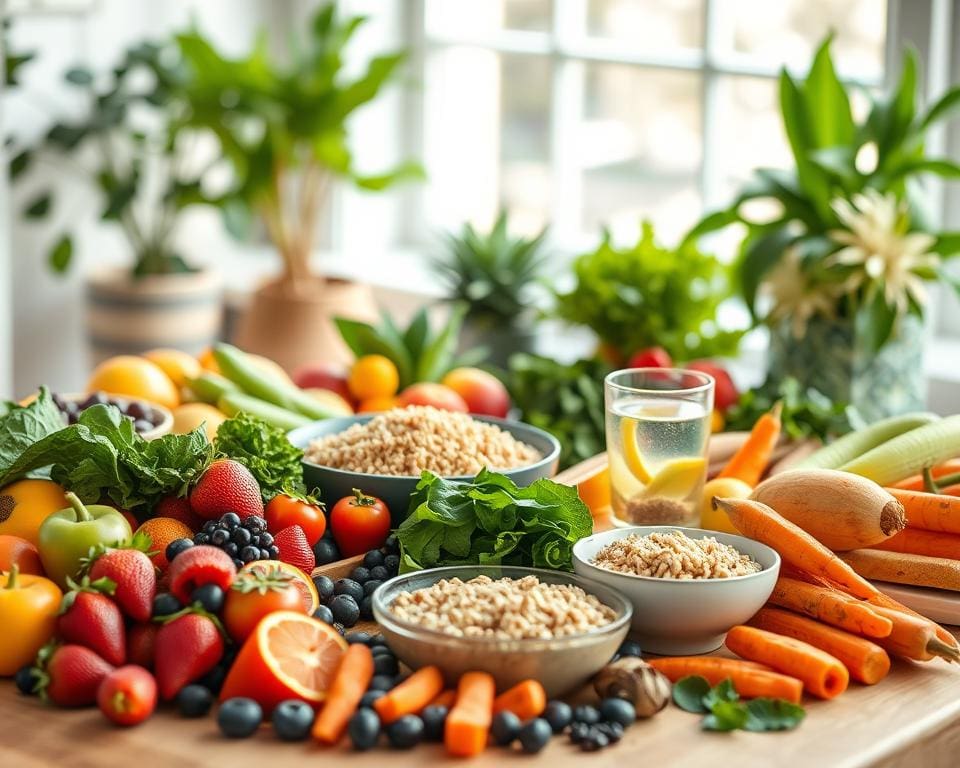
This short introduction explains which foods support a healthy lifestyle for readers across the United Kingdom. It sets out a practical, inspirational healthy eating guide UK that focuses on real supermarket choices and accessible meals to boost wellbeing.
Public health guidance from the NHS Eatwell Guide and UK Government recommendations stress variety, balance and minimising ultra‑processed foods. Evidence from reviews of the Mediterranean and DASH patterns links these dietary approaches to a diet for longevity and better daily energy.
Key terms used in this article are defined up front. Whole foods means minimally processed fruit, vegetables, whole grains, pulses, nuts, seeds, lean proteins and oily fish. Nutrient‑dense foods are those high in vitamins, minerals, fibre or healthy fats per calorie. Ultra‑processed describes products high in added sugar, salt, hydrogenated fats and additives.
The article will review top nutrient‑dense foods and practical foods for wellbeing, suggest fruits, nuts and seeds to include each week, highlight foods to limit, and offer shopping and meal‑planning tips for UK shoppers. It will finish by explaining how diet works with sleep, activity and stress management to support long‑term health.
Which foods support a healthy lifestyle?
Choosing the right mix of foods matters more than searching for a single miracle ingredient. Research from large cohort studies and meta‑analyses shows that broad dietary patterns for longevity lead to lower rates of cardiovascular disease, type 2 diabetes and improved cognitive outcomes.
Overview of dietary patterns that promote longevity and vitality
Evidence favours patterns such as the Mediterranean diet UK adaptations, the DASH diet and plant‑forward approaches over emphasising isolated “superfoods”. Core features include generous vegetables and fruit, whole grains, pulses, nuts and seeds, olive oil or other unsaturated fats, regular oily fish, modest dairy and limited red and processed meat.
Large reviews report lower mortality and fewer chronic illnesses when people follow these patterns. British staples like oats, root vegetables, seasonal greens, salmon and mackerel adapt well to these eating styles and make how to eat healthy UK practical for many households.
How whole foods differ from ultra‑processed options
Ultra‑processed foods often contain additives, emulsifiers, high salt, added sugar and refined starch. Systematic reviews and UK analyses link high intake of these items with weight gain and metabolic disease.
Whole foods supply fibre, micronutrients and intact food matrices that slow glucose absorption and increase fullness. This contrast between whole foods vs processed items explains why nutrient‑dense meals keep energy steady and reduce snacking.
Simple swaps illustrate the point: choose whole oats instead of sugary breakfast cereal, a baked potato or wholegrain bread rather than crisps and ready‑made snacks.
Practical tips to integrate supportive foods into daily meals
- Use the plate method: half vegetables and fruit, a quarter protein and a quarter whole grains.
- Batch‑cook soups or stews with pulses for quick lunches and frozen portions for busy weeks.
- Swap refined carbs for wholegrain alternatives and add a portion of leafy greens to every meal.
- Add small habits: a handful of frozen berries to porridge, tinned sardines or grilled mackerel for omega‑3s, mixed nuts for snacks.
- Shop seasonally and use frozen veg to save money and reduce waste while practising how to eat healthy UK.
Following patterns like the Mediterranean diet UK version or the DASH diet need not be complicated. Small, consistent changes to favour whole foods over processed choices build lasting benefits for vitality and long‑term health.
Top nutrient‑dense foods to include every week
Choosing nutrient‑dense foods keeps meals vibrant and supports long‑term health. Aim to build plates around a mix of vegetables, proteins and wholegrains that offer vitamins, minerals and satisfying energy. The notes below highlight simple choices and practical ways to eat better every week in the UK.
Leafy greens and cruciferous vegetables
Dark salad leaves, kale and spinach rank high for leafy greens benefits because they supply vitamin K, folate, vitamin C and fibre. Broccoli, cauliflower and Brussels sprouts add glucosinolates linked with lower cancer risk and better cardiovascular markers.
Seasonality matters: sprouts and brassicas peak in autumn and winter, while spinach and salad leaves are available year‑round via greenhouse or frozen options. Serve them steamed, quickly stir‑fried with garlic and olive oil, wilted into pasta or blended into soups and smoothies. Try to include at least one dark leafy or cruciferous portion in 2–3 daily vegetable servings.
Fatty fish and lean proteins
Oily fish such as salmon, mackerel, sardines and trout provide fatty fish omega‑3 in the form of EPA and DHA, nutrients tied to heart health and cognitive support. Poultry, eggs and plant proteins supply essential amino acids needed for muscle maintenance and repair.
The NHS suggests two portions of fish each week, one being oily, with a portion around 140 g cooked weight. Choose baking, grilling or poaching rather than deep‑frying. Tinned options like sardines and pilchards are budget‑friendly, rich in omega‑3s and a source of calcium. Vegetarians can use algae‑based DHA or ALA sources such as flaxseed and chia, bearing in mind limited conversion to EPA/DHA.
Whole grains and pulses
Whole grains and pulses deliver fibre, B vitamins, iron and magnesium while helping blood‑sugar control and gut health. Examples include oats, barley, brown rice, wholewheat pasta, lentils, chickpeas and beans.
Use porridge topped with fruit and seeds for breakfast, lentil dahl or bean stews for dinner, and hummus as a snack or condiment. Buy rolled oats, wholegrain pasta and dried or tinned pulses for cupboards that support easy, budget‑wise cooking. Combining whole grains and pulses across the week balances meals and boosts the profile of whole grains and pulses in your diet.
When planning the best foods weekly UK shoppers should rotate these groups to keep plates varied, nutrient‑rich and affordable. Small, consistent swaps make healthy eating achievable and enjoyable.
Fruits, nuts and seeds that boost health and wellbeing
Fresh fruit, nuts and seeds add colour, texture and nutrients to everyday meals. Choose locally grown produce where possible for flavour and lower food miles. Frozen options keep vitamins and make it easy to enjoy antioxidant rich fruits year-round.
Seasonal fruit choices for vitamins and antioxidants
Apples, pears and plums are staples in British gardens and shops, supplying fibre and vitamin C. Summer berries — strawberries, raspberries and blackberries — offer concentrated polyphenols and flavonoids linked to heart health. Grapes add quick natural sweetness and useful antioxidants.
Buy seasonal fruit UK when possible for better taste and value. Off-season, frozen fruit retains nutrients and suits porridge, smoothies or yoghurt without waste.
Nuts and seeds for healthy fats and sustained energy
Almonds, walnuts and hazelnuts provide unsaturated fats, vitamin E and plant protein. Walnuts stand out for ALA omega-3s. Seeds such as chia, flaxseed, pumpkin and sunflower add magnesium, fibre and texture.
Follow portion guidance: a small handful (about 30 g) helps control calories while delivering the nuts and seeds benefits. Grind or soak flaxseed to aid absorption. Store opened packs in the fridge to prevent rancidity.
For households with young children, take care with whole nuts and consider chopped or paste forms. Mixed packs reduce cost while keeping variety high.
Simple snack and breakfast combinations
- Porridge with berries and a tablespoon of chia or ground flaxseed for fibre and antioxidant rich fruits.
- Greek yoghurt with honey and a sprinkle of toasted almonds or walnuts.
- Apple slices with unsweetened peanut butter or wholegrain toast topped with smashed avocado and sesame seeds.
- On-the-go options: mixed nut packs, banana with nut butter, tinned fruit in juice (drained) or homemade seed and oat energy balls.
Pair carbohydrates with protein or healthy fat to keep energy steady. These combos form satisfying healthy snacks UK that support appetite control and concentration through the day.
Foods to limit or avoid for sustainable health
Small changes to what you buy can protect long‑term health and keep meals enjoyable. This short guide points out common pitfalls in supermarket aisles and offers practical choices that fit a busy UK life.
Understanding added sugars and hidden salts in packaged foods
Many ready meals, sauces, breakfast cereals and drinks hide high levels of sugar and salt. These added ingredients push up calories, raise blood pressure and speed dental decay. Check the label for values “per 100 g” for sugar and salt to compare products easily.
Use the Department of Health salt targets and UK front‑of‑pack traffic light labelling to pick lower‑salt or no‑added‑sugar options. Watch flavoured yoghurts, breakfast bars, some smoothies, tinned soups and jarred sauces for unexpected sugar and salt.
Processed meats, excessive alcohol and their long‑term impacts
Processed meats such as sausages, bacon and cured slices carry documented risks. The International Agency for Research on Cancer classifies processed meats as carcinogenic, linking regular intake to higher colorectal cancer rates. For red meat, aim for moderation and keep averages around 70 g cooked per day to lower risk.
Alcohol raises the risk of liver disease, certain cancers and mental‑health strain when consumed above recommended limits. UK Chief Medical Officers advise keeping to no more than 14 units per week, spread over several days. Choose lower‑alcohol drinks and pause drinking on several days each week to help protect your health.
Healthier swaps to reduce harmful ingredients without sacrificing flavour
Simple swaps make a big difference and keep food tasty. Replace sugary drinks with sparkling water and lemon or chilled herbal tea. Swap refined breakfast cereals for wholegrain versions and reach for tinned fish or beans instead of processed ready meals.
Use herbs, spices, citrus and vinegars to add depth rather than relying on salt. Try oven‑roasted vegetables with smoky paprika or cumin, homemade tomato sauces with no added sugar, and dressings made from olive oil and vinegar for bright flavours.
Supermarkets now stock own‑brand lower‑salt soups, low‑sugar cereals and alcohol‑free beers that fit modern routines. Food scanning apps can flag hidden sugars and salt so you can shop with confidence and choose healthier swaps that suit your taste and budget.
Practical shopping, meal planning and budget tips
Smart shopping starts with knowing what to look for. Learn to read food labels UK by checking front‑of‑pack traffic‑light colours for fat, saturates, sugar and salt. Compare like products using the per 100 g values and scan ingredient lists; the first items are the largest by weight. Use Food Standards Agency guidance and supermarket apps to find healthier alternatives and current offers.
Prioritise wholefood ingredients. Fresh produce, frozen veg, tinned pulses and wholegrains give the best nutrition per pound. Check labels for long lists of additives or E‑numbers if you prefer minimal processing. Own‑brand ranges at Aldi, Lidl and Tesco often match quality at a lower price, a useful starting point for shopping tips UK.
Make meal planning healthy simple with a clear structure. Build dishes around a protein, a vegetable and a wholegrain or pulse. Prepare versatile sauces such as tomato, tahini or yoghurt‑based dressings to change flavours quickly. A short weekly plan and a single shopping list cut decision fatigue and reduce impulse buys.
Batch cooking saves time and keeps meals on track. Cook soups, stews and grains once or twice a week and freeze single portions for busy days. Use slow cookers or Instant Pots to produce hearty family meals without constant attention. Chop veg in one session so snacks, salads and stir‑fries take minutes to assemble.
Stretch a food budget without losing nutrition. Stock economical staples: oats, frozen vegetables, tinned tomatoes, tinned fish, dried or tinned pulses, potatoes and wholegrain rice or pasta. These items last well and form the backbone of budget healthy eating UK.
Choose affordable protein sources such as eggs, canned tuna or sardines, tofu, lentils and chickpeas. Use loyalty cards, supermarket seasonal deals and local greengrocers to find bargains. Store food correctly and repurpose leftovers — roast veg becomes salads or frittatas, and cooked grains turn into quick bowls.
Keep meal prep realistic with small habits. Prep breakfasts like overnight oats or chia puddings, portion snacks into boxes and label freezer meals with dates. A simple routine reduces waste and makes it easier to stick to meal planning healthy.
Use tools and resources from the NHS and British Heart Foundation for recipes and planners that suit British kitchens. With clear label reading, reliable meal prep techniques and mindful spending, healthy eating becomes manageable and affordable across the UK.
How diet works with lifestyle factors to enhance wellbeing
Diet is one pillar of wellbeing, but it has the greatest long‑term impact when paired with movement, sleep, stress management and social connection. Evidence shows that Mediterranean‑style and plant‑forward diets link to lower rates of depression and better cognitive outcomes, and nutrients such as omega‑3s, B vitamins, iron and vitamin D play clear roles in mood and brain function. For anyone aiming for diet and lifestyle wellbeing, combining food choices with other daily habits multiplies benefits.
Physical activity complements nutrition. The UK Chief Medical Officers recommend at least 150 minutes of moderate activity per week, and timing protein and carbohydrates around exercise supports muscle recovery and sustained energy. Simple pairings work well: a banana and natural yoghurt before or after a session for quick fuel and protein, or salmon with sweet potato to aid recovery and replenish glycogen.
Sleep and circadian rhythm affect appetite, metabolism and mental clarity. Limiting caffeine late in the day, avoiding heavy late meals and including magnesium‑rich foods such as leafy greens and nuts can improve sleep quality. Managing stress through regular meal patterns, adequate protein and complex carbohydrates helps keep blood sugar steady and mood more even, while mindful eating and shared meals strengthen social support and reduce anxiety.
Personalise changes to match health needs and seek professional advice when required. People with diabetes, chronic kidney disease or severe allergies should consult a registered dietitian or NHS services for tailored plans. Trusted UK resources such as NHS Live Well and the British Dietetic Association offer evidence‑based guidance to help you merge diet exercise sleep stress management into a sustainable, healthy lifestyle UK approach that supports both body and mind.