
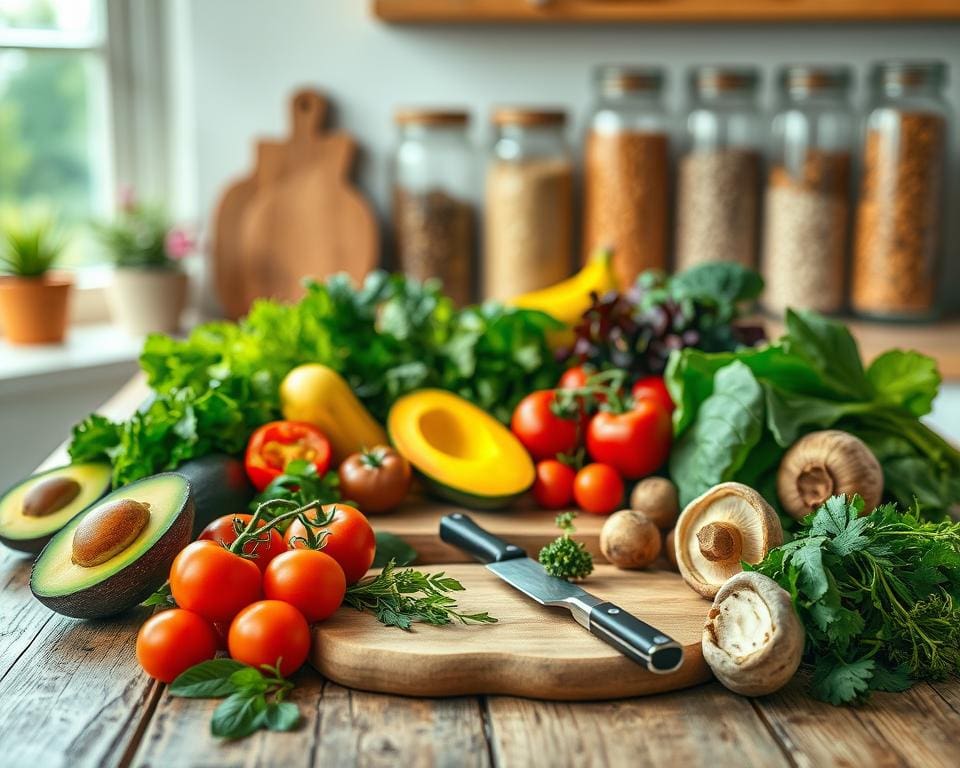
This plant-based guide is a practical, inspirational introduction for readers across the United Kingdom who want to explore plant-based foods UK. It sets out the purpose and scope of a long-form, product-led resource that blends plant-based nutrition, shopping tips, seasonal ideas and impartial plant-based product review. Expect clear advice on fortified choices, supplements and everyday swaps from brands such as Oatly, Alpro, Tesco Wicked Kitchen, Morrisons Plant Pioneers and the Linda McCartney range.
The target audience includes curious shoppers, flexitarians, vegetarians, vegans seeking variety and athletes after plant-based recovery options. This guide aims to inform food choices, debunk common myths and recommend reliable fortified products available in the UK. Practicality and inspiration sit at its heart: meal balance, label reading, pantry essentials and simple recipes will all be covered.
Later sections will define plant-based terms, explain key nutrients and show how to read labels. You will find seasonal shopping lists, comparisons of supermarket alternatives and evidence-based product reviews that judge taste, nutrition, price and availability across major UK retailers. By the end, readers will have a confident roadmap to eat well, shop smart and choose plant-based foods that fit their lifestyle.
What should you know about plant-based foods?
Plant-based eating has become part of everyday conversation in Britain. At its heart lies a simple idea: centre meals on plants. This short section breaks down what that looks like, how it differs from vegetarian and vegan approaches, and why so many people in the UK are choosing it.
Definition and scope of plant-based foods
The plant-based definition commonly used by nutritionists and chefs means foods primarily or entirely from plants. Think vegetables, fruits, wholegrains, legumes, nuts, seeds, fungi and algae.
The term is flexible. Some people follow a whole-food, minimally processed approach. Others include processed alternatives such as meat-free burgers and dairy-free milks. Popular UK examples include lentils, chickpeas, tofu, tempeh, seitan and oats. Brands such as Oatly, Alpro and Quorn make plant-centred choices easy to find.
Differences between plant-based, vegetarian and vegan
Labels can confuse shoppers. A vegetarian diet excludes meat but may include eggs and dairy. A vegan diet avoids all animal products.
Plant-based sits alongside those categories rather than replacing them. It highlights the emphasis on plants without always ruling out animal products. A person may follow a plant-based lifestyle UK while still having small amounts of dairy or fish on occasion.
Product labels matter. Terms like “suitable for vegetarians”, “vegan” and “plant-based” carry different meanings and help manage consumer expectations in the UK market.
Reasons people choose plant-based diets in the UK
Motivations vary. Health ranks highly: many opt for plant-led diets to lower saturated fat intake, support heart health and manage weight.
Environmental concern is a strong driver. Studies show plant-focused eating can cut greenhouse gas emissions and reduce water use. Ethical reasons also feature, with animal welfare influencing choices.
Taste and variety play their part. British supermarkets and restaurants now stock more options from Tesco, Sainsbury’s and Asda. Brands like Beyond Meat and The Meatless Farm reflect rising demand. Affordability and ease of access make the plant-based lifestyle UK achievable for many people.
Nutrition essentials for plant-based eating
Strong plant-based nutrition starts with clear, simple choices. Focus on whole foods that supply macronutrients and key vitamins. Small changes make meals more satisfying and resilient for daily life in the UK.
Key macronutrients
Protein comes from lentils, chickpeas, beans, tofu, tempeh, seitan, edamame, peas, nuts and seeds. Combine grains and legumes across the day for complementary proteins. Look for plant-based protein UK options from Cauldron, Meridian peanut butter and Vivera when you want ready-made sources. Alpro soya yoghurt works well as a snack or breakfast boost.
Carbohydrates should be mainly wholegrains such as oats, brown rice, barley and wholemeal pasta. These provide steady energy and fibre for digestion. For healthy fats, choose avocados, rapeseed oil, flaxseed, chia and walnuts to supply omega-3 precursors and heart-friendly calories.
Micronutrients to watch
Iron in plants is non-haem and absorbs best with vitamin C. Pair beans or lentils with peppers, citrus or tomatoes. Avoid tea or coffee close to meals to help absorption.
Vitamin B12 is scarce in whole plant foods. Vegans should rely on fortified products or supplements. The NHS recommends B12 for vegans, so check intake and pick a reliable supplement if needed.
Calcium can come from fortified plant milks, tofu set with calcium sulphate, kale, broccoli and tahini. Fortified plant milks are an easy swap to support daily needs.
Vitamin D is limited by UK sunlight for much of the year. Consider fortified foods and a supplement during autumn and winter in line with NHS guidance for adequate levels.
Fortified foods and supplements suitable for a UK audience
- Fortified plant milks such as Oatly and Alpro offer calcium, B12 and vitamin D in familiar forms.
- Fortified cereals and Marmite provide extra B12 for some people.
- Trusted suppliers like Holland & Barrett and Boots sell vegan B12 supplements tailored to varying needs.
Always check labels for nutrient amounts and choose UK-approved brands, especially for pregnant women, children and those with restricted diets.
Balancing meals for sustained energy and recovery
A practical plate model helps: half vegetables and fruit, a quarter wholegrains or starchy carbs, and a quarter protein-rich plant foods, plus a drizzle of healthy fats. This plant-based meal balance keeps energy steady and supports recovery.
Active people can use example meals such as chickpea and quinoa salad with roasted veg and tahini, tofu stir-fry with brown rice, or lentil shepherd’s pie topped with mashed sweet potato. For post-exercise recovery aim for a 3:1 or 4:1 carbohydrate-to-protein ratio, using lentils, tofu or pea-based proteins alongside wholegrains.
Taste, variety and how to shop for plant-based products
Choosing plant-based foods can feel like a small adventure in taste and colour. Start with simple swaps and let curiosity guide you when shopping plant-based UK. A few thoughtful purchases change weeknight meals and make new flavours easy to love.
How to read labels and spot hidden animal ingredients
When you read food labels UK, look beyond front-of-pack claims. Check ingredient lists and allergen panels for whey, casein, gelatine, rennet and isinglass.
Some E-numbers and colourings like cochineal (E120) are animal-derived. Seek products certified by The Vegan Society or labelled “suitable for vegetarians”. Veganuary and The Vegan Society offer clear guidance for shoppers who want reliable verification.
Best plant-based staples to keep in your pantry
Stocking plant-based pantry staples makes meal planning straightforward. Keep dried and canned beans, lentils, tinned tomatoes, coconut milk and oats on hand.
Add wholegrain pasta, brown rice, quinoa, nut butters such as Meridian or Whole Earth, nutritional yeast, miso, tamari and vegetarian stock cubes. Seeds and frozen veg or berries extend variety and save time.
Seasonal produce in the UK and recipe inspiration
Buying seasonal UK produce boosts flavour and supports local growers. Spring brings asparagus, rhubarb and new potatoes.
Summer offers berries, courgettes and vine-ripened tomatoes. In autumn, choose pumpkins, apples and root vegetables. Winter features Brussels sprouts, kale and parsnips.
Try mushroom Wellington, a roast vegetable shepherd’s pie or rhubarb crumble with an oat topping. Swap sausages for plant-based versions like Linda McCartney to make bangers and mash that honour British classics.
Comparing plant-based alternatives to traditional products
A fair plant-based alternatives comparison looks at taste, texture, nutrition and price. Test oat versus soya milks, for example Oatly and Alpro, to find your preferred flavour and fortification.
Try small packs of plant-based mince and burgers from Beyond Meat, The Meatless Farm or Tesco Plant Chef before committing. Check dairy-free spreads and cheeses from Violife or Pure, and compare salt and saturated fat on labels.
Smart shopping plant-based UK means sampling, reading nutrition lists and choosing fortified items when you need extra vitamins and minerals.
Sustainability and environmental impact of plant-based choices
Choosing what we eat shapes landscapes and climate. The sustainability of plant-based diets is a key reason many shoppers in Britain rethink meals. Simple swaps from red meat to pulses often cut greenhouse gas emissions and water use. Life-cycle assessments show wide variation, so picking whole, minimally processed foods tends to keep impacts low.
How plant-based diets reduce carbon and water footprints
On average, plant-based meals demand less land and water than diets heavy in beef or lamb. Pulses, grains and vegetables usually have smaller footprints. Some items, such as air-freighted berries or highly processed meat alternatives, raise the tally. Look for simple ingredients and seasonal produce to reduce your plant-based carbon footprint UK.
Local sourcing, food miles and seasonal eating in Britain
Buying UK-grown fruit and veg trims food miles and supports farmers at markets and through Community Supported Agriculture schemes. In winter, root vegetables and brassicas are reliable. In summer, locally grown berries and salad leaves shine. Note that heated greenhouses can use more energy, so weigh the benefits case by case when judging food miles UK.
Ethical considerations and animal welfare
Many people choose plant-based eating because it reduces direct harm to animals. Ethical plant-based choices extend beyond animal welfare to include fair pay, land stewardship and biodiversity. For imports such as coffee or cocoa, look for recognisable standards like Fairtrade or Rainforest Alliance to check labour and sourcing practices.
Practical steps to act on impact
- Prioritise whole plant foods and seasonal buys to lower your plant-based carbon footprint UK.
- Shop at farmers’ markets and seek British-grown labels to reduce food miles UK.
- Check packaging and brand sourcing statements when aiming for ethical plant-based choices.
Practical tips for transitioning and product reviews
Start small when you transition to plant-based: try one or two meat-free meals a week, such as Meat-free Monday, then swap cow’s milk for a fortified oat or soya option. Replace a single animal product at a time, experiment with simple recipes and convenience items, and plan meals to avoid nutrient gaps. Use trusted UK resources like The Vegan Society, Veganuary and NHS guidance, and consult a registered dietitian for personalised advice if you are pregnant, feeding children or training intensely.
For a fair plant-based product review UK, assess taste and texture, nutritional profile (protein, salt, saturated fat, fortification), ingredient quality and level of processing, price and availability across Tesco, Sainsbury’s, Asda, Morrisons, Waitrose and Ocado. Include environmental and ethical credentials and be transparent about testing—note if a tasting was blind, served heated or paired in a recipe. Use a clear rating scale and state serving sizes so readers can compare results easily.
Curate tests around popular best plant-based products UK: oat milks such as Oatly Barista and Alpro Oat, Alpro soya yoghurt, Violife cheese, Flora Plant spread, Beyond Meat and The Meatless Farm mince, Linda McCartney sausages, Wicked Kitchen and Tesco Plant Chef ready meals. For each item list pros and cons—Oatly Barista, for example, is creamy and barista-friendly but can be higher in saturated fat than some rivals; Alpro soya is higher in protein and often fortified with calcium and B12. These specifics help readers prioritise purchases when switching to plant-based tips are needed.
Finish with practical next steps: a sample weekly shop with oat milk, fortified yoghurt, canned chickpeas, tofu, brown rice, mixed seeds and seasonal veg. Try two starter recipes—chickpea curry with brown rice and a tofu and vegetable stir-fry with mixed seeds—and keep favourite comfort dishes plant-based. Small experiments, guided by reliable reviews and mindful meal-planning, make the transition to plant-based both enjoyable and sustainable for body and planet.