
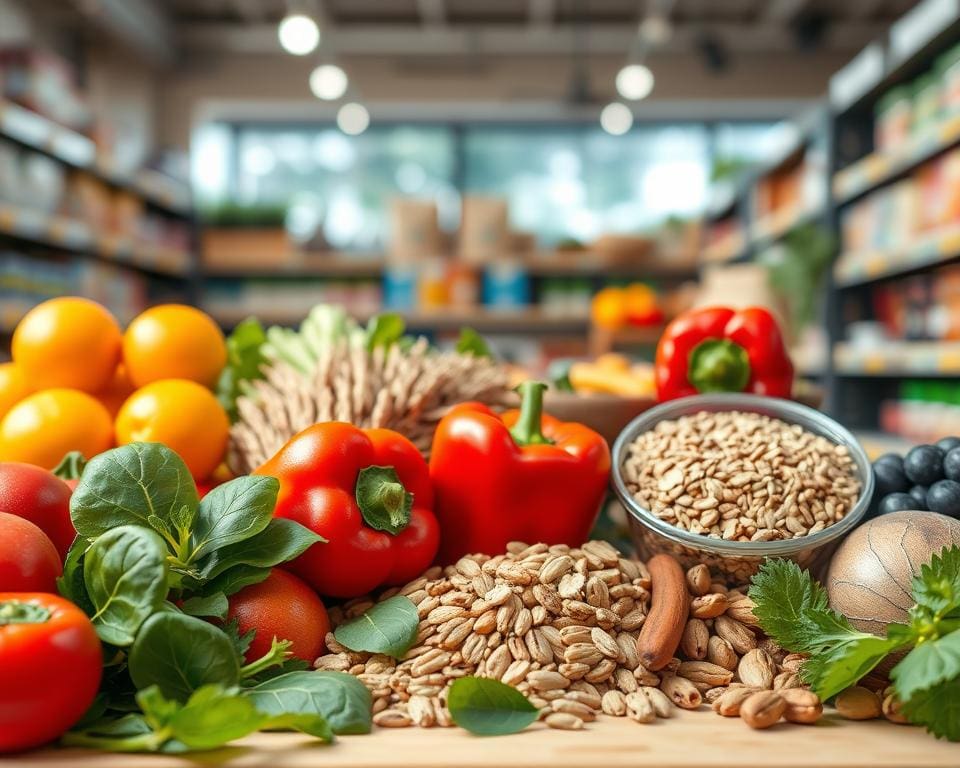
Vitamins are small, powerful nutrients that keep the body working well. For adults in the United Kingdom, knowing what vitamins are essential in daily food helps you make choices that support energy, immunity and bone health. This guide explains essential daily vitamins and how they fit into everyday meals.
Daily vitamin requirements are modest but vital. Fat‑soluble vitamins—A, D, E and K—play long‑term roles in vision, bone strength and antioxidant defence. Water‑soluble vitamins, such as vitamin C and the B‑complex, fuel energy production and support mood and cognition.
We will draw on NHS advice, the British Nutrition Foundation and peer‑reviewed research to offer practical steps. Expect clear food strategies, simple ways to assess intake and guidance on vitamins for health UK so you can plan meals with confidence.
What vitamins are essential in daily food?
Everyday choices shape long-term health. This short guide gives an essential vitamins overview, explains the roles of vitamins and offers practical steps to assess vitamin intake UK residents can use.
Overview of essential vitamins and their roles
Vitamins split into fat-soluble (A, D, E, K) and water-soluble groups (B-complex and C). Each vitamin has specific functions. Vitamin A supports vision and skin. Vitamin D helps regulate calcium for bone strength. Vitamin E protects cell membranes as an antioxidant. Vitamin K aids blood clotting and bone metabolism.
B vitamins drive energy metabolism and support the nervous system. B12 and B6 contribute to nerve health. Folate helps with cell division and foetal development. Vitamin C boosts immune defence and helps form collagen.
Food variety matters. Leafy greens, oily fish, eggs, dairy, nuts, seeds, wholegrains, legumes, fruit and fortified items such as cereals, plant milks and spreads provide key nutrients that cover the roles of vitamins in the body.
Why daily intake matters for long-term health
Regular intake keeps enzymes and tissues operating well. Water-soluble vitamins are not stored in large amounts and leave the body in urine, so daily supply is important.
Fat-soluble vitamins can accumulate in the body. Consistent, balanced intake prevents deficiency without risking excess. Long-term shortfalls link to conditions such as bone weakness from low vitamin D, anaemia from inadequate B12 or folate, scurvy from low vitamin C and vision problems from insufficient vitamin A.
Certain UK groups face higher risk. Older adults may absorb less B12. People with darker skin or limited sun exposure often need more vitamin D. Vegans may lack B12 unless they use fortified foods or supplements. Those with malabsorption or restrictive diets should take extra care.
How to assess your current vitamin intake
Start with a food diary or a 24-hour recall to map what you eat over several days. Use validated apps and compare intake to UK RNIs to spot gaps. Keep entries honest and include fortified foods and spreads.
When dietary review suggests shortfalls, clinical tests can help. Blood checks for 25(OH)D, B12 and folate offer objective data. Speak with a GP or a registered dietitian for interpretation and personalised advice.
Screen for symptoms and lifestyle factors that affect status. Look out for persistent fatigue, hair thinning, mouth ulcers, easy bruising or night blindness. Note medications such as metformin or proton pump inhibitors that can lower absorption. Consider sun exposure habits, alcohol use and food access when you assess vitamin intake UK.
- Use varied meals and fortified products to fill gaps.
- Record symptoms and medications to discuss with clinicians.
- Test when risk factors or persistent symptoms appear.
Key fat-soluble vitamins: A, D, E and K for wellbeing
Fat-soluble vitamins play a quiet but vital role in daily health. They store in body tissues and support vision, bones, cell protection and clotting. A balanced diet helps keep levels steady through changing seasons.
Vitamin A — vision, immune function and food sources
Vitamin A underpins night vision and keeps epithelial surfaces healthy. It bolsters immune responses and aids reproduction.
Good vitamin A sources include liver, oily fish, eggs and dairy for preformed retinol, while carrots, sweet potato and spinach offer provitamin carotenoids that the body converts to retinol. Pregnant people should limit liver due to high retinol concentrations. Vegans can rely on high‑carotenoid vegetables and consider dietary planning to meet needs.
Signs of low intake include poor night vision and increased infections. Aim for variety across animal and plant foods to balance availability and safety.
Vitamin D — bone health, mood and sunlight versus dietary sources
Vitamin D helps regulate calcium and phosphate, essential for bone mineralisation and structural strength. Emerging studies link status with mood and immune modulation.
Skin makes vitamin D after UVB exposure, so vitamin D sunlight is crucial for many people during spring and summer. In the UK, skin synthesis falls short during autumn and winter, and groups with darker skin, older adults or those who spend most time indoors may not make enough.
Dietary sources are limited. Oily fish such as salmon and mackerel, fortified spreads and some cereals, plus eggs, help. Many people benefit from a daily supplement in the colder months to sustain bone health and reduce deficiency risk.
Vitamin E — antioxidant protection and healthy fats
Vitamin E acts as a lipid protector in cell membranes, reducing oxidative damage and supporting immune health. It works best within foods that contain healthy fats.
Sources include vegetable oils, almonds, sunflower seeds and leafy greens. Deficiency is rare in well-nourished populations, but people with fat malabsorption disorders may need medical advice.
Excessive supplement intake can affect blood clotting by interacting with vitamin K. Use caution with high-dose supplements and seek professional guidance if you take blood-thinning medicines.
Vitamin K — blood clotting and bone support
Vitamin K is essential for activating clotting factors and for bone proteins that help mineralisation. It therefore links to both haemostasis and skeletal health.
Leafy greens such as kale, spinach and broccoli deliver phylloquinone (K1). Fermented foods and certain cheeses contain menaquinones (K2), which the gut microbiota also produce. Long courses of broad‑spectrum antibiotics or fat malabsorption can lower levels, raising bleeding risk.
People on warfarin or similar anticoagulants should manage vitamin K intake under medical supervision to avoid fluctuating effects on medication.
Essential water-soluble vitamins: B-complex and vitamin C
Water-soluble vitamins are vital for daily function and cannot be stored long term in the body. They support energy production, immune defence and tissue repair. A varied diet keeps levels steady and reduces the need for routine supplementation.
Vitamin C — immunity, skin health and best sources
Ascorbic acid acts as a potent antioxidant and helps build collagen, which supports skin and connective tissue. It aids wound healing and boosts iron absorption from plant foods. Good vitamin C sources include citrus fruits, kiwifruit, strawberries, bell peppers, broccoli, Brussels sprouts and potatoes.
Freshness matters for vitamin C content. Light cooking or steaming preserves more than prolonged boiling. In the UK, scurvy is rare. Early signs are gum bleeding, fatigue and slow wound healing. Adults typically aim for around 40 mg/day, with higher needs for smokers and certain health conditions.
B vitamins overview — energy, brain function and mood support
B vitamins work together as coenzymes in energy-yielding metabolism and neurotransmitter synthesis. They support cognitive function, mood regulation and methylation pathways that affect DNA repair.
A diet rich in wholegrains, legumes, nuts, seeds, meat, fish, eggs, dairy and fortified cereals usually supplies adequate B-complex benefits. People on restrictive diets should plan carefully to avoid gaps. Adequate B intake helps keep homocysteine levels in check for heart and brain health.
Individual B vitamins: B12, B6, folate and their dietary importance
Vitamin B12 is essential for the nervous system, DNA synthesis and red blood cell formation. Primary sources are meat, fish, dairy and eggs. Fortified plant milks and breakfast cereals can help vegans. Absorption depends on intrinsic factor; older adults and people on metformin risk deficiency. Low B12 can cause megaloblastic anaemia and neuropathy and may need testing and treatment.
Vitamin B6 supports amino acid metabolism, neurotransmitter creation such as serotonin and GABA, haem synthesis and immune health. It is found in poultry, fish, potatoes, bananas and chickpeas. High-dose supplements may lead to neuropathy, so dietary intake is the safer route.
Folate is crucial for one-carbon metabolism and DNA synthesis, vital in early pregnancy to reduce neural tube defects. Rich sources are leafy greens, legumes, liver and fortified cereals. UK guidance recommends 400 µg folic acid for women planning pregnancy. Folate deficiency can mirror B12 deficiency, so clinicians must interpret tests carefully.
- Eat varied whole foods to cover water-soluble vitamins daily.
- Include vitamin C sources with plant iron to boost absorption.
- Consider fortified foods or supplements when following vegan or restricted diets to protect vitamin B12 folate B6 status.
Practical daily meal plans to supply essential vitamins
Start each day with a simple plan that covers both fat‑ and water‑soluble vitamins. Thoughtful menus make it easy to meet needs without complex recipes. Use variety, colour and a little planning to turn healthy choices into habits.
Breakfast, lunch and dinner examples rich in key vitamins
Porridge made with fortified oat milk, topped with chopped almonds, sliced kiwi and orange segments plus a spoonful of pumpkin seeds gives vitamin D (if fortified), B12, vitamin E and vitamin C in one bowl.
For a savoury start, try scrambled eggs on wholegrain toast with spinach. Eggs supply B12 and vitamin A precursors while spinach adds vitamin K and folate.
At lunch, a mixed-leaf salad with roasted sweet potato and smoked mackerel or grilled salmon supplies vitamin K, folate, beta‑carotene and vitamin D. Dress with olive oil and lemon to boost absorption of fat‑soluble vitamins and add vitamin C.
Dinner could be a stir‑fry of tofu or chicken with broccoli, bell peppers and mushrooms served with brown rice. Add a side of steamed kale and a small portion of fermented cheese or natto where available for extra vitamin K2.
Snack ideas to fill nutritional gaps
A portion of mixed nuts and seeds is a quick way to raise vitamin E and B6 between meals. Plain yoghurt with berries gives B vitamins and vitamin C.
Carrot sticks with hummus, a hard‑boiled egg or a tin of sardines on wholemeal crackers work well as portable options. Fortified cereal with milk or a fruit salad with citrus and kiwi are good for boosting vitamin D and vitamin C when chosen thoughtfully.
Shopping list of vitamin-rich foods for a week
- Oily fish: salmon, mackerel
- Eggs and dairy or fortified plant milks (soya, oat)
- Leafy greens: kale, spinach
- Cruciferous veg: broccoli, Brussels sprouts
- Colourful veg: carrots, bell peppers
- Citrus fruits, berries, bananas, kiwifruit
- Potatoes, wholegrains: oats, brown rice, quinoa
- Legumes: lentils, chickpeas
- Nuts and seeds: almonds, sunflower seeds, pumpkin seeds
- Fortified breakfast cereal and fermented foods: yoghurt, kefir, tempeh, natto if available
- Liver in moderation
Keep frozen vegetables and berries on hand to preserve vitamin C and cut waste. Choose whole foods over processed options for better nutrient density. For vegans, prioritise B12‑fortified items and consider vitamin D sources if sun exposure is limited.
Use these vitamin-rich meal plans as a template. Rotate ingredients from the shopping list vitamins UK to keep menus fresh. Plan daily vitamin meals and include vitamin-rich snacks to fill gaps and support steady energy and long‑term wellbeing.
When supplements are sensible: choosing quality vitamin products
Supplement decisions sit between daily diet and medical care. Many people benefit from careful use of vitamin supplements UK, especially after blood tests or during life stages such as pregnancy or breastfeeding. A clear plan helps you know when to take supplements and which formats work best.
Look for clinical signals before starting a regimen. Confirmed deficiencies such as low vitamin D, B12 or iron, persistent fatigue, neuropathy or anaemia should prompt testing. Vegans commonly need B12. Pregnant women require folic acid and many breastfeeding infants need vitamin D as per NHS guidance.
When to consult a healthcare professional
Speak to a GP, practice nurse or registered dietitian before taking therapeutic doses or combining multiple products. These clinicians can order relevant blood tests and advise on appropriate forms and titration. Seek urgent advice for severe symptoms like bone pain, jaundice or neurological changes that could signal toxicity or severe deficiency.
How to evaluate vitamin supplements
Choose products with clear labelling and third‑party testing. Look for seals from USP, NSF or similar testing bodies and prefer UK or EU regulated brands stocked by reputable pharmacies such as Boots or LloydsPharmacy. Clinical brands like Holland & Barrett and BetterYou provide transparent information on forms and batch testing.
Potency, forms and bioavailability
Opt for active forms when clinically indicated. Methylcobalamin can suit B12 needs, methylfolate may suit specific folate requirements and vitamin D3 (cholecalciferol) usually performs better than D2. Read labels to check amounts per dose against UK RNIs and tolerable upper limits.
Specialist delivery methods
Sublingual B12 or sprays for vitamin D can help when absorption is limited. High‑potency or prescription-strength formulations should be used only under clinician supervision. Choose products without unnecessary additives or unproven herbal blends.
Safe vitamin dosing and interactions
Respect upper limits for fat‑soluble vitamins since they accumulate. Avoid chronic excess of preformed vitamin A in pregnancy. Disclose supplement use if you take medicines like warfarin, metformin or anticonvulsants to prevent harmful interactions. Follow guidance on safe vitamin dosing and stop any supplement that causes unusual symptoms.
Practical dosing tips
For maintenance, a low‑to‑moderate multivitamin or targeted single‑nutrient product often suffices. Take fat‑soluble vitamins with meals containing fat for better absorption. Split water‑soluble vitamin doses if you have stomach upset. Keep a record of brand, dose and daily timing so your clinician can review your regimen easily.
Reporting adverse effects and purchase advice
If you experience severe abdominal pain, yellowing of the skin, unexplained bruising or neurological symptoms, stop the supplement and seek medical help. Buy from reputable UK retailers to reduce contamination risk and to support transparent batch testing when choosing quality vitamins.
Lifestyle tips to maximise vitamin absorption and long-term vitality
Simple food pairings and gentle cooking make a big difference. Eat vitamin C-rich foods like oranges or strawberries with plant-based iron sources such as lentils or spinach to boost non-haem iron uptake. Add a drizzle of olive oil, slices of avocado or a handful of nuts to meals to improve absorption of fat-soluble vitamins A, D, E and K. These vitamin absorption tips are easy to follow at breakfast, lunch or dinner.
How you prepare food matters. Steaming or quick stir-frying preserves vitamin C and B vitamins, while using minimal water reduces nutrient loss. Freeze surplus fruit and vegetables soon after purchase to lock in vitamins. These small habits support a lifestyle for nutrient absorption UK households can sustain year-round.
Gut health and daily habits underpin long-term vitality. Maintain fibre intake and include fermented foods such as natural yoghurt or kefir to support the gut microbiome. Follow NHS guidance on safe sun exposure for vitamin D and consider seasonal supplementation when sunlight is limited. Regular weight-bearing activity, good sleep and stress management all help nutrient use and recovery, while moderating alcohol protects B vitamin status.
Adopt a food-first, Mediterranean-style approach and personalise it over time. Use trusted UK resources and consult a registered dietitian when life stages change or if you have conditions like coeliac disease or inflammatory bowel disease. Small, consistent steps — meal planning, simple swaps and routine checks — will maximise vitamin absorption and sustain long-term vitality.