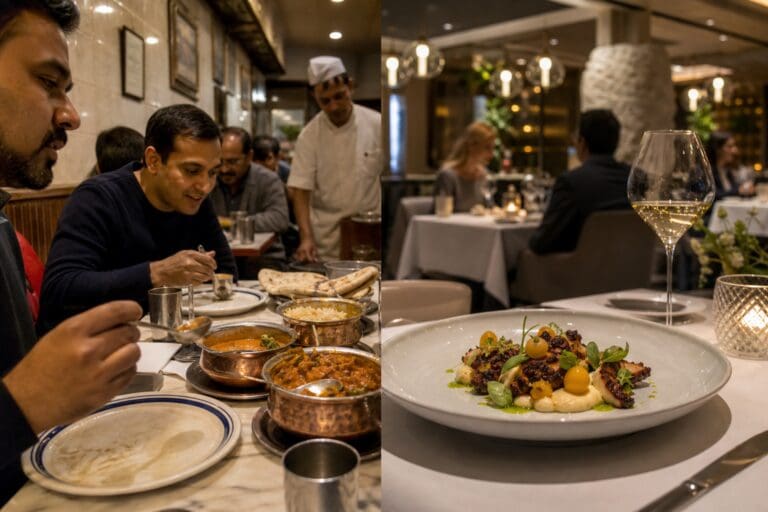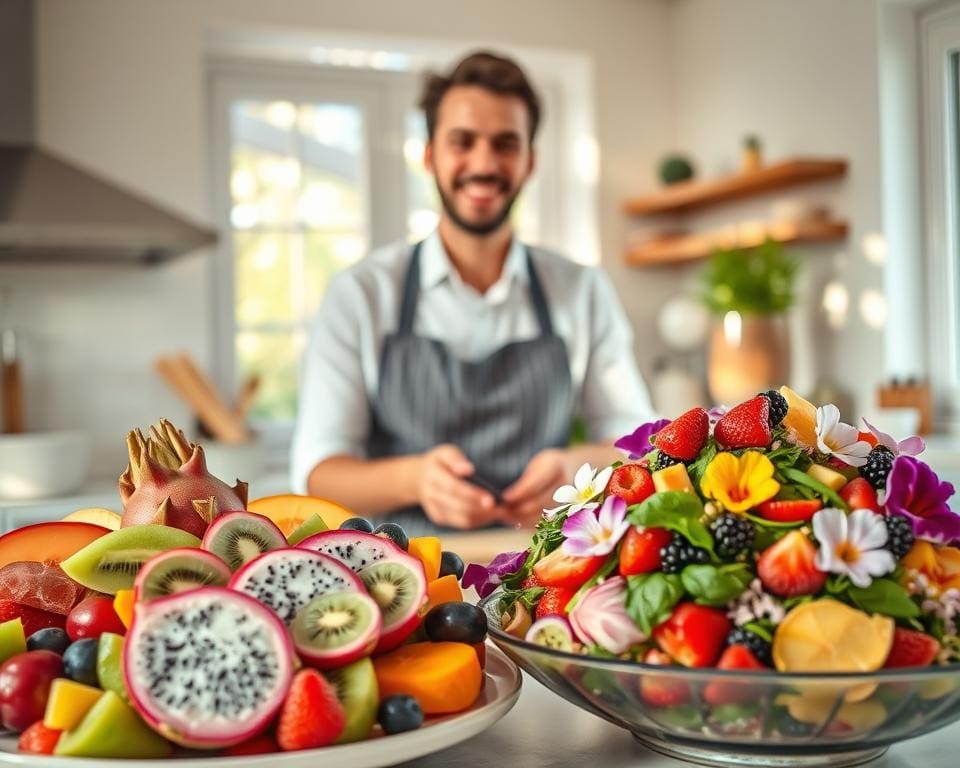
This article explores how do you balance enjoyment and healthy eating? It is written for readers across the United Kingdom who want practical, evidence-informed ways to pair pleasure and nutrition in daily life.
Interest in balanced eating has risen with growth in health-focused products from Riverford, Gousto and Mindful Chef, and with national guidance such as the NHS Eatwell Guide. At the same time, food remains central to British culture — from pub meals to weekend baking and afternoon tea — so healthy indulgence must respect enjoyment as much as nourishment.
Our approach blends mindful eating UK principles, psychology research and public health evidence from NHS and Public Health England. The piece takes a product-review lens, assessing apps like MyFitnessPal and Calm, and services such as Olio and BBC Good Food recipes, alongside practical tools for planning and batch-cooking.
Section 1 sets the scene. Later sections offer step-by-step guidance: mindful strategies, weekly templates with treats, nutritious swaps, social tactics and recommended kitchen staples. The tone is inspirational and supportive, aimed at busy families, professionals and anyone who wants pleasure and health to coexist at the table.
How do you balance enjoyment and healthy eating?
Finding a middle way between pleasure and nutrition feels possible when you know what to aim for. Use simple principles to bring taste, culture and wellbeing together. The NHS Eatwell Guide offers a clear visual of nutrient balance and portion ideas that help pair delight with daily needs.
Understanding enjoyment versus nutrition
Enjoyment covers sensory delight, cultural meaning and social connection. Nutrition focuses on macronutrients, vitamins and energy balance. These are not opposites; you can plan meals that meet nutrient needs while giving strong flavour and texture.
Think about energy density and nutrient density when you choose foods. The Eatwell Guide suggests half your plate be fruit and veg, a quarter protein and a quarter starchy food. Leave room for small, high-pleasure elements. That way occasional higher-calorie foods fit within an overall balanced pattern.
Psychological benefits of food pleasure
Regular, planned enjoyment lowers stress and boosts mood. Research in psychology links rewarding eating experiences to dopamine pathways that support positive habits rather than restriction and rebound overeating.
Shared meals strengthen social bonds and mental wellbeing. Letting yourself enjoy a favourite dish without guilt makes healthy change stick. That is a core part of intuitive eating UK approaches that value body signals and food satisfaction.
Practical examples of balanced meals that satisfy
Concrete templates help turn theory into everyday plates. Aim for half vegetables and fruit, a quarter lean protein, a quarter wholegrain or starchy carbohydrate, plus a small portion of a high-enjoyment item such as cheese, sauce or dark chocolate.
- Grilled salmon with lemon-butter, roasted seasonal veg and a small scoop of creamy mash. This pairs omega-3 rich fish with comforting texture for satisfying healthy meals.
- Wholegrain pasta tossed with tomatoes, basil, olives and a grating of Parmesan. Fibre, flavour and healthy fats create balance and pleasure.
- Roast chicken with herb gravy, roasted root veg and a planned slice of sticky toffee pudding as a treat. Controlled portion and timing make the indulgence compatible with nutrition goals.
- UK favourites adapted: oven-baked chips with battered cod and mushy peas, or a jacket potato topped with tuna and sweetcorn. Small swaps keep familiar dishes enjoyable and more nutritious.
Use these templates with the principle of moderation. When you combine taste, culture and the Eatwell Guide framework you get long-term results that feel good and work well for health.
Principles of mindful eating to enhance pleasure and health
Mindful eating invites us to slow down and notice each bite. It asks for full attention to flavour, texture, aroma, hunger and satiety. People across the mindful eating UK community report greater enjoyment, less guilt and clearer appetite signals when they practise these habits.
What mindful eating means and why it matters
At its heart, mindful eating is paying non-judgemental attention to the eating experience. The body learns to recognise fullness sooner. Scientific reviews link mindful approaches with improved eating behaviours and support for weight management.
Psychological gains arrive quickly. Emotional eating often eases when people savour food. Pleasure rises because each mouthful is noticed. This reduces the drive to overconsume and lessens food-related shame.
Simple mindfulness exercises at the table
Short, practical routines make mindful eating exercises easy to use. Try one-minute breathing before a meal to centre attention. Use a five-bite rule to savour a treat and stretch its pleasure.
Use a sensory checklist: identify five flavours or textures on the plate. Slow the pace by resting cutlery between bites. For busy households, pause for three slow chews or take a sip of water between mouthfuls.
Connect with UK rituals such as savouring a first sip of tea before porridge or appreciating the aroma of fresh bread. Small rituals help embed intuitive eating practices into daily life.
How mindful portions support long-term habits
Portion control grows from awareness, not restriction. Use smaller plates and pre-portion snacks into ramekins. Visual cues help: a fist for carbs, a palm for protein and a thumb for fats.
The hand method works well for on-the-go meals. Pair mindful portions with regular mealtimes and non-judgemental tracking to build stable habits. Plan occasional treats to reduce impulsive choices and maintain balance.
Tools speed learning. Kitchen scales teach serving sizes. Portion-control containers and plateware that cue balanced composition make it simpler to keep mindful portions steady over time.
Designing a weekly meal plan that includes treats
Start with a simple promise: most meals nourish, some meals delight. A weekly meal plan with treats gives permission to enjoy food while staying on track. Use a flexible framework that suits family routines, work shifts and social life rather than strict rules that spark guilt.
Using a flexible framework instead of rigid rules
Try an 80/20 or 90/10 approach where the majority of meals are nutritious and a few are chosen for pleasure. Set basic rules such as one treat meal per day or two indulgences per week, then adapt them for busy weeks or celebrations.
Flexible meal planning lets you swap dinners, scale portions and include children’s favourites without undoing progress. This keeps meal prep for enjoyment, not punishment.
Sample week with balanced meals and planned indulgences
Below is a weekly menu sample for a UK household. Portions aim for one adult plate unless noted. Prep times are approximate.
- Day 1 — Breakfast: porridge with berries and a spoonful of honey (5 mins). Lunch: lentil soup with a wholegrain roll (15 mins). Dinner: tofu stir-fry with brown rice (25 mins).
- Day 2 — Breakfast: yoghurt with oats and apple (5 mins). Lunch: roasted veg and quinoa salad (20 mins). Dinner: roast cod, new potatoes and steamed greens (35 mins).
- Day 3 — Breakfast: scrambled eggs with smoked salmon on seeded toast (10 mins). Lunch: chickpea and spinach curry with brown rice (25 mins). Dinner: vegetable lasagne (40 mins).
- Day 4 — Breakfast: banana smoothie with peanut butter (5 mins). Lunch: tuna and bean salad (10 mins). Dinner: slow-cooker beef stew with root veg (prep 15 mins, slow-cook 6 hrs).
- Day 5 — Breakfast: overnight oats with mixed seeds (5 mins night before). Lunch: jacket potato with cottage cheese and chives (10 mins). Dinner: stir-fried prawns with noodles and veg (20 mins).
- Day 6 — Breakfast: toast with avocado and chilli flakes (5 mins). Lunch: tomato and basil soup with cheese toast (20 mins). Dinner: roast chicken, roast veg and gravy (60 mins). Treat: portioned takeaway on Saturday night, savoured slowly.
- Day 7 — Breakfast: pancakes with berries (20 mins). Lunch: mixed grain salad with roasted beets (20 mins). Dinner: baked salmon, new potatoes and asparagus (30 mins). Treat: midweek slice of cake with afternoon tea (portion controlled).
Vegetarian swaps: replace meat with tempeh, extra pulses or halloumi. Pescatarian swaps: add oily fish like mackerel for omega-3s.
Shopping lists and batch-cooking tips for ease
Use one consolidated shopping list split by category to save time in stores or when ordering online from Tesco, Sainsbury’s, Waitrose, Riverford or Gousto meal kits.
- Produce: berries, bananas, apples, mixed salad leaves, root veg, onions, garlic, asparagus, new potatoes.
- Proteins: tofu, eggs, salmon, cod, chicken breasts, tinned tuna, lentils, chickpeas.
- Storecupboard: brown rice, quinoa, oats, wholegrain rolls, pasta, tinned tomatoes, stock cubes.
- Dairy/alternatives: milk, Greek yoghurt, cottage cheese, butter, plant milk.
- Treats: dark chocolate, a preferred cake slice, ready-made curry or a modest portioned takeaway.
Batch-cooking ideas for batch cooking UK homes: tray-roast a large pan of mixed vegetables to use across salads and dinners. Cook grains in big batches and freeze in portions. Make slow-cooker stews for midweek and freeze soup portions for quick lunches.
Label freezer bags with dates and portion sizes. Use local farmers’ markets for seasonal veg to boost flavour and joy. These steps make meal prep for enjoyment simple, reduce evening stress and keep your weekly meal plan with treats realistic and sustainable.
Choosing pleasurable but nutritious substitutes
Small swaps can lift a meal from plain to pleasurable while trimming calories and boosting nutrition. Think of substitutions as creative moves that keep texture and taste front and centre. Use examples you can find in UK shops and adjust portions to suit hunger, not habit.
Swapping ingredients to boost flavour and nutrition
Replace crème fraîche with Greek yoghurt such as Yeo Valley Greek yoghurt or Alpro for a tangy, creamy finish with less fat. Use avocado or a small spoonful of peanut butter instead of butter in toast or baking to add healthy monounsaturated fats. Swap white pasta for wholegrain options from Barilla or De Cecco to raise fibre and keep you full longer.
For mash, blend mashed cauliflower with a little potato to keep creaminess and cut calories. Trade sugary sodas for sparkling water with a splash of fruit juice, or soda water with mint and cucumber for a refreshing lift. Choose low-sugar chocolate from Green & Black’s or Hotel Chocolat lighter ranges for treats that still taste indulgent.
Recipes that feel indulgent without excess calories
Create a dark chocolate avocado mousse sweetened with a touch of honey and a pinch of sea salt for depth. Try an oven-baked banana and porridge traybake using rolled oats, mashed banana and a few chopped walnuts for crunch. Serve seared scallops on a pea purée with a scatter of crispy pancetta; use a small amount of pancetta purely as a flavour accent.
Make a grilled halloumi salad with warm roasted beets and walnuts, dressing it with lemon and olive oil. These healthy indulgent recipes rely on quality ingredients, bright seasonings and sensible portions. Focus on using healthy fats sparingly and choosing cooking methods such as grilling, roasting or baking to lower added calories.
How to use herbs, spices and textures to increase satisfaction
Layering flavour and contrasting textures creates a sense of luxury without heavy sauces. Add crunchy nuts, toasted seeds or a scattering of pomegranate to give each bite a textural lift. Combine silky purées with zesty dressings to balance richness with brightness.
- Try smoked paprika and cumin for warm, smoky depth.
- Use lemon zest with parsley for fresh, bright notes.
- Pair cinnamon with nutmeg in fruit desserts for cosy sweetness.
Grow basil or chives on a windowsill for immediate fragrance and a visual reward. Fresh herbs and thoughtfully chosen spices are simple flavour boosting swaps that make dishes feel complete. Keep a modest pantry of these seasonings to transform everyday meals into memorable plates.
Managing social occasions and dining out without guilt
Eating well need not mean missing out on good company. Use practical social eating strategies that keep you connected while helping you make mindful choices. A little planning, clear communication and simple tactics turn nights out into pleasant, balanced experiences.
Check menus before you go. Many UK chains publish nutrition details online, so you can pick grilled or steamed dishes, swap chips for seasonal veg and ask for sauces on the side. Carluccio’s and Côte often list lighter choices. Choosing a child’s portion or sharing a starter reduces portions without losing variety.
When at the pub, aim for grilled fish or lean cuts. For a Sunday roast, request extra vegetables and fewer roast potatoes. These small swaps show how dining out healthier UK can fit familiar British habits.
Strategies for making healthier choices at restaurants
- Scan the menu early and pick options with veg, whole grains or lean protein.
- Ask for dressings and sauces on the side to control calories and flavour.
- Share desserts or order one to enjoy between two, savouring each bite.
- Request half portions where available or opt for a starter as a main.
How to enjoy celebrations while maintaining balance
Plan a deliberate treat so you can enjoy it without guilt. Balance your other meals that day and choose a single indulgence to savour. Make an “indulgence moment” — the first glass of wine or a signature pudding — and focus on conversation and connection rather than eating continuously.
For alcohol, select dry wine, lower-ABV craft beers or slimline mixers. Pace drinks with water between them. Returning to your usual routine the next day restores balance quickly when you embrace a one-off treat.
Communicating dietary preferences with hosts and friends
Say your needs positively and offer solutions. Try: “I love your gatherings — could I bring a big salad to add more veg?” or “I’m aiming for lighter meals at the moment; could we include extra greens?” Offering to help with preparation makes requests feel collaborative.
Keep language flexible and warm. Framing preferences around what you will enjoy reduces awkwardness and preserves conviviality. These social eating strategies help you stay true to your goals while keeping celebrations joyful and easy to share.
Tools and products that make balanced eating easier
Practical tools can turn good intentions into joyful routines. A few well-chosen items and services save time, cut stress and make home cooking feel rewarding rather than a chore.
Kitchen gadgets that save time and encourage home cooking
Choose reliable brands that suit a British kitchen. A Crock-Pot slow cooker is excellent for set-and-forget dinners. Air fryers from Philips or Ninja give crisp results with less oil, which supports healthier cooking methods. Kenwood and Magimix food processors speed chopping and pureeing, while Braun immersion blenders make creamy soups in minutes. Digital scales from Salter ensure portion control. Multicookers like Instant Pot or Morphy Richards combine functions to reduce appliance clutter.
These kitchen gadgets UK items vary by price and feature. You can buy them at Argos, John Lewis, Currys or Amazon UK. Consider energy use: slower, longer cooking can be efficient; high-heat rapid cooking may use more power but saves time.
Recommended pantry staples for quick, tasty meals
Stock a versatile pantry to turn simple ingredients into satisfying plates. Keep wholegrains such as brown rice, quinoa and wholewheat pasta, plus canned legumes: chickpeas, lentils and haricot beans. Tinned tomatoes and low-salt stock form speedy bases. Extra virgin olive oil, mustard and quality vinegars lift flavour.
Herbs and spices like smoked paprika, cumin, turmeric and mixed herbs add depth without calories. Store nuts and seeds, canned fish such as Princes tuna or sardines, and a bar of 70%+ dark chocolate for mindful treats. British brands to consider include Branston, Baxters and Duchy Originals, or Waitrose own-brand for reliable staples.
To reduce waste, rotate stock, label opened tins, keep dry goods in airtight jars and store nuts in the fridge. Proper storage extends shelf-life and saves money.
Apps and trackers that support enjoyable healthy habits
Use digital tools as friendly companions, not strict judges. MyFitnessPal, Yazio and Lifesum offer food diaries and databases tuned to UK foods. Headspace and Calm guide short mindful practices that pair well with mealtimes. Meal planning apps and recipe services such as Gousto, HelloFresh and BBC Good Food inspire new dishes. Olio helps share surplus food locally.
When choosing meal planning apps UK or trackers, check interface clarity, UK database accuracy and wearable integration. Free tiers are useful; premium plans add features and privacy options. Treat these healthy eating tools as aids for awareness, not rigid rules, and use product review mindful eating notes to pick what feels supportive.
To get started, pick one gadget, stock a core list of pantry staples and try a single app for a month. Small steps create lasting change and keep pleasure at the heart of balanced eating.
Maintaining motivation and tracking progress with joy
Set goals that celebrate pleasure and values, not punishment. Aim to enjoy a variety of colourful meals or master a favourite recipe rather than fixating on cuts. Framing targets this way helps with maintaining motivation healthy eating and keeps effort sustainable.
Notice non-scale victories like better sleep, more energy and easier movement. Record small wins — learning a new technique, a mindful meal or a week with more home-cooked dinners — to build momentum. These moments are as important as numerical changes and reinforce sustainable healthy habits UK.
Use gentle tracking methods to support, not shame. A photo food journal, weekly reflections on mood and energy, and a simple habit tracker for vegetable servings and mindful meals make tracking progress with joy practical and kind. Treat data as a tool for adjustment, not a verdict.
Find accountability that energises you: join a cooking class, a community group, or an online forum such as the BBC Good Food community, or pair up with a friend. Reassess goals every four to eight weeks, tweak treat frequency and meal structure, and create a supportive environment by stocking tasty healthy foods and investing in one useful gadget. Balanced eating is a creative, flexible practice — combining mindful habits, practical planning and occasional indulgence lets people across the UK enjoy nourishing food that sustains body and spirit.