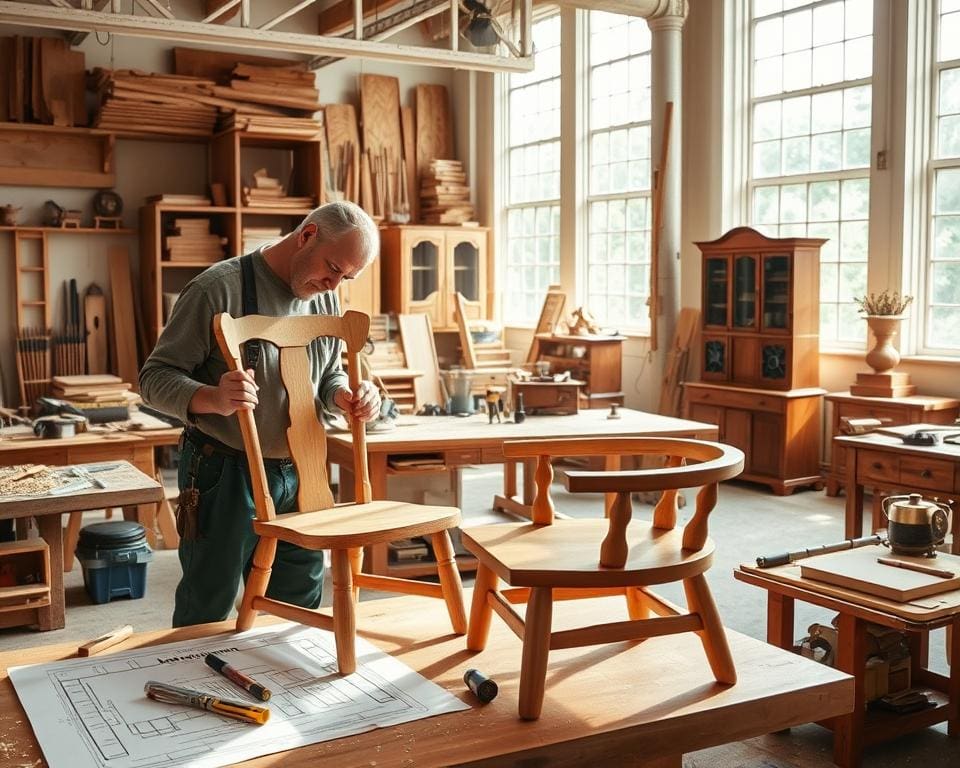
Choosing bespoke carpentry over mass-produced options answers both practical and emotional needs. Homeowners often seek custom furniture UK to create a distinctive interior, to solve awkward room proportions, or to commission heirloom pieces that will age gracefully.
Hiring a carpenter means a collaborative process. It begins with an on-site consultation and measuring, moves through design proposals and material selection—solid hardwoods such as oak, walnut and ash, engineered plywood or reclaimed timber—and finishes with workshop production, delivery and fitting.
Carpenters bring technical skill in joinery, from dovetail and mortise-and-tenon to precise finger joints, and can offer finishes like French polishing, oiling or bespoke hardware sourcing. These elements underline the custom-made furniture benefits: better fit, superior construction and the chance to choose sustainable materials.
With rising interest in sustainability and growing frustration with disposable furnishings, bespoke home furniture now represents value as well as style. This article will explore why hire a carpenter for custom home furniture?, compare bespoke pieces to flat-pack alternatives, and guide readers through choosing the right maker in the United Kingdom.
Why hire a carpenter for custom home furniture?
Choosing a skilled carpenter turns ideas into pieces that fit your life. A short conversation about routines, storage and entertaining shapes the plan. This approach to personalised furniture design begins with how you use each room, not with off‑the‑shelf sizes.
Personalised design tailored to your lifestyle
A carpenter will ask about family meals, hobbies and accessibility before drawing a proposal. For example, a dining table sized for family gatherings, built-in shelving shaped to display a collection, or wardrobes laid out for specific shoe and clothing needs make daily life easier.
Measurements for irregular rooms, skirting boards, alcoves and ceiling coves remove awkward gaps. That careful measuring delivers a seamless result you rarely get with standard furniture.
Expert craftsmanship and materials knowledge
Professional training brings deep materials knowledge carpentry uses every day. Carpenters select timbers for strength, stability and look, accounting for seasonal movement and moisture content.
Joinery choices such as dovetails for drawers and mortise‑and‑tenon for frames add durability and beauty. Tradespeople often source sheet materials from James Latham or Finsa and choose finishes from Ronseal, Osmo or Liberon to match the intended use.
Longevity, repairability and sustainable choices
Bespoke pieces are built to be repairable furniture: panels can be re‑sanded, loose joints re‑glued and hardware updated without replacing the whole item. That extends life and keeps items out of landfill.
Sustainable furniture choices include using FSC‑certified or reclaimed timber and designing for refurbishment. In the UK, rising interest in circular‑economy furniture has led many workshops to offer take‑back or refurbishment services, making bespoke furniture design UK a greener long‑term choice.
Benefits of bespoke furniture versus flat-pack alternatives
Choosing bespoke furniture over flat-pack changes how a room feels and functions. A carpenter can turn personal influences into tangible details, making unique furniture pieces that truly reflect your home and tastes. This approach emphasises careful proportion, joinery and finishes rather than one-size-fits-all solutions.
Unique pieces that reflect your home and tastes
Mass-produced ranges rarely capture a homeowner’s style. A joiner can craft a walnut sideboard with hand-cut finger joints and a live-edge top, or a built-in window seat with concealed storage and tailored upholstery. Clients often request heirloom timber or family fabrics so the piece holds both use and memory.
Better fit for unusual spaces and architectural features
Flat-pack furniture struggles in homes with sloping ceilings, irregular alcoves or exposed beams. Carpenters measure around Victorian cornicing, sash-window reveals and skirting lines to create fitted furniture for unusual spaces. They leave ventilation gaps for appliances and ensure doors and drawers operate smoothly in tight or awkward openings.
Examples are common in UK properties such as Victorian terraces, Georgian townhouses and converted barns. A made-to-measure bookcase that follows a curved wall looks coherent and avoids the awkward gaps that flat-pack units leave behind.
Higher resale and sentimental value
Well-executed fitted storage and kitchen joinery can raise a buyer’s impression of a property. Quality joinery often features in estate agent listings as a selling point, which speaks to the custom furniture value it adds. Documentation of materials and a maker’s certificate strengthens provenance and buyer confidence.
Sentimental value grows with use. A family dining table or a bespoke library often becomes a future heirloom. These pieces retain worth in ways flat-pack items rarely do, offering both practical benefit and long-term emotional reward.
How to choose the right carpenter in the United Kingdom
Finding the right tradesperson shapes the success of any bespoke project. Start with a clear brief, then check background and workmanship before committing. Use local visits and written records to compare options and protect your investment.
Checking credentials, portfolio and local reviews
Verify professional memberships and certifications such as the Federation of Master Builders or recognised local guilds. Look for CSCS cards where site work is relevant and confirm insurance for public liability and employer’s liability.
Ask to see a bespoke furniture portfolio that shows consistent quality. Request photographs of completed details like dovetailed drawers, mitred joints and surface finishes. Visit a showroom or workshop when possible to inspect workmanship at close range.
Read carpenter reviews on platforms such as Google Reviews and Trustpilot to gauge reputation. Request references and contact past clients about timelines, cleanliness and how issues were handled.
Assessing communication, site visits and written estimates
Good communication begins with the first enquiry. Note responsiveness, the quality of questions asked and whether the carpenter suggests practical alternatives.
Insist on an on-site visit for accurate measurements and to identify hidden complications like uneven floors or wiring. A visit reduces surprises during installation.
Obtain detailed written estimates carpentry that include scope of works, materials specification (species and grade), hardware, finishes, warranty terms and lead times. The estimate should state deposit and payment schedule, agreed tolerances and a formal change-order process. Avoid vague quotes or large up-front payments without a contract.
Understanding warranties, timelines and aftercare
Expect realistic timelines: small items often take 2–6 weeks, fitted joinery and kitchens may need 6–16 weeks depending on complexity and material lead times.
Discuss factors that can delay progress such as special-order materials, site preparation and building-control needs. Secure dates for manufacture, delivery and installation in writing.
Agree aftercare before work starts. Understand finish curing times, recommended cleaning products and maintenance schedules like oiling or re-waxing. Confirm what the warranty covers, including structural faults and hardware failures, and insist on written guarantees plus a snagging schedule and site-clearing responsibilities.
When you weigh carpenter credentials UK, examine the bespoke furniture portfolio, check carpenter reviews and get thorough written estimates carpentry you gain clarity. This makes it easier to choose a carpenter UK who delivers lasting value and beauty.
Cost considerations and value for money when commissioning custom pieces
Understanding bespoke furniture cost UK starts with the basics: materials, joinery complexity, size and bespoke fittings. Solid hardwoods such as oak or walnut command higher prices than veneered MDF, while dovetail or mortise-and-tenon joinery adds labour time. A small side table or bedside cabinet might cost a few hundred pounds, fitted bookcases or wardrobes typically range from £1,000–£5,000, and full bespoke kitchens or large fitted schemes can run from several thousand to tens of thousands. These examples illustrate typical custom furniture pricing and underline the importance of written, itemised quotes.
When judging value for money bespoke carpentry, look beyond the headline price. Consider lifecycle costs: durability, ease of repair, and the potential to refinish rather than replace. A well-made bespoke kitchen often outlasts cheaper fitted alternatives and can boost resale appeal. Ask carpenters for material specifications, examples of past work and expected maintenance. Obtaining multiple quotes lets you compare scope and quality rather than just lowest cost of custom furniture.
Practical budgeting for bespoke pieces means planning payments and contingencies. Typical deposit levels range from 20–40% with staged payments on delivery and completion, and many trades retain a small completion retainer until snagging is finished. Allowances for hardware, appliances and a contingency of 10–15% for unexpected site issues will prevent shocks. Explore specialist home‑improvement finance if needed and weigh sustainability choices, as certified timber can cost more but often holds value long term.
Commissioning bespoke pieces is an investment in character and function. With clear quotes, realistic budgeting for bespoke pieces and attention to long-term performance, you gain unique furniture that supports daily life and can be cherished for generations. Thoughtful planning turns custom furniture pricing into lasting value for money bespoke carpentry.