Renovating a bathroom in a Victorian, Edwardian, interwar or mid-century home is about more than fresh tiles. Thoughtful bathroom renovations older properties can revive original features while adding modern comfort and efficiency.
Typical period bathrooms suffer from small layouts, outdated plumbing, poor insulation and limited hot-water. Many retain original sash windows, cornices or a claw-foot bath that owners want to keep. The challenge is to modernise period bathroom proportions and systems without erasing character.
Homeowners often want better circulation and usability, easier access for ageing in place, lower running costs with water-efficient fittings and a boost to resale value. En suite conversions are a common aim, creating practical private spaces from spare rooms or rearranged layouts.
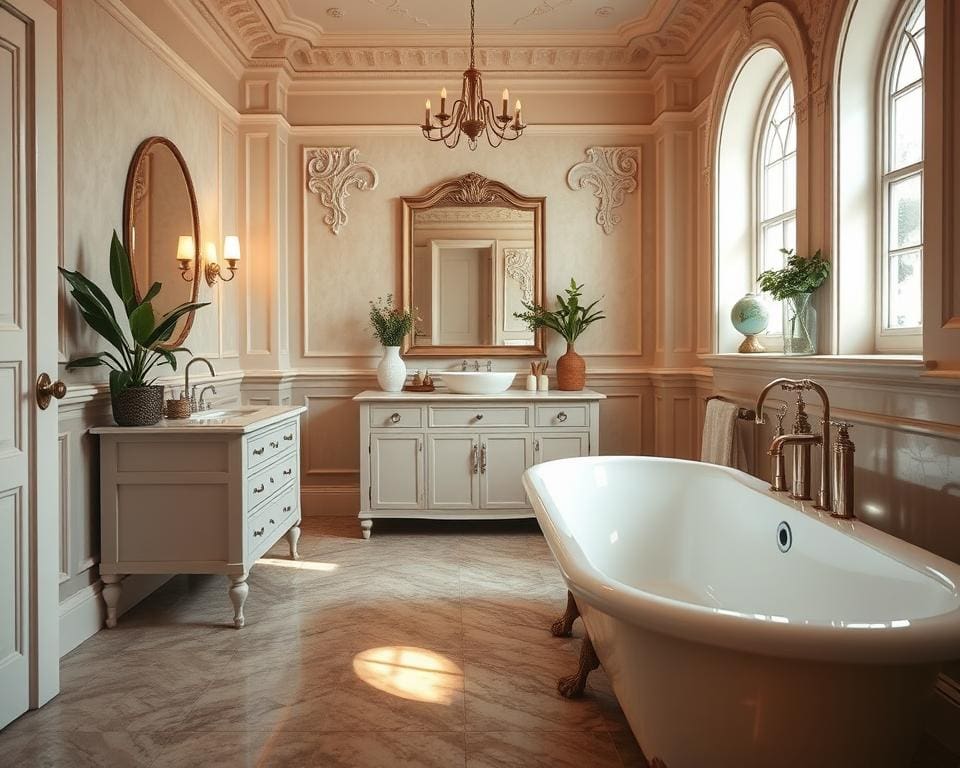
Each era brings its own constraints: Victorian bathroom refurbishment may highlight high ceilings and mouldings, while mid-century properties tend to have compact, built-in arrangements. A sensitive heritage bathroom update recognises these differences and adapts solutions accordingly.
In the UK, conservation areas and listed buildings need careful, compliant work. Many projects require consent and specialist advice, so balancing regulation with contemporary conveniences is essential.
This article will be inspirational and product-review focused. It will cover layout and functionality, fixtures and fittings, practical checks such as surveys and permissions, and design ideas with UK-focused product suggestions like electric showers, water-efficient WCs and heated towel rails.
Expect tangible benefits from a well-executed job: better daily usability, lower energy bills, improved thermal comfort, increased market appeal and longer-lived finishes when trades and materials are chosen wisely.
How do bathroom renovations modernise older properties?
Refreshing a period bathroom should lift daily life while honouring original character. Careful changes can adapt the space to modern needs, improve energy use and add storage without erasing charm. The suggestions below offer practical ways to update older homes with style and sensitivity.
Improving functionality and layout
Reconfiguring walls often creates en suites or larger family bathrooms that make better use of floor plans. Removing non-structural partitions, relocating sanitaryware and opening sightlines improves circulation.
Wet-room and walk-in shower installation save space and create a contemporary feel, especially where level-access solutions are needed. Consider low-threshold trays from Merlyn or Smart Sanitaryware for safe, neat transitions.
Open-plan en suite ideas include glass screens, half-walls or pocket doors paired with planned ventilation to control moisture. Accessibility upgrades such as stainless steel grab rails from Croydex, lever taps and anti-slip tiles from Porcelanosa or Johnson Tiles keep the room both practical and durable.
Built-in bathroom storage transforms cluttered rooms. Recessed shelving in alcoves, vanity units that hide plumbing and mirrored cabinets by Neptune or B&Q add neat solutions while preserving visual flow.
Introducing modern fixtures and fittings
Water-efficient products reduce bills and environmental impact. Dual-flush WCs from Ideal Standard or Roca, low-flow taps by Grohe and Hansgrohe, and eco-friendly bathroom fittings such as Water Label and WRAS-backed showers cut usage without sacrificing performance.
Contemporary basins and baths refresh aesthetics. Freestanding tubs from Victoria + Albert or Burlington give a modern silhouette while roll-top styles can be updated with new materials. Thin-edged countertop basins lighten the look of a period interior.
Smart technology adds comfort. Digital showers from Aqualisa or Mira, thermostatic valves and programmable underfloor heating from Nu-Heat give consistent warmth. Sensor lighting and humidity-sensing extractor fans improve convenience and moisture control.
Designer hardware in finishes like brushed brass, matt black or nickel offers an immediate style uplift. New taps, showerheads and towel rails are an efficient way to modernise without structural work.
Preserving period character while updating
Salvaging original features preserves heritage value. Restoring cast-iron radiators, cornices and reclaimed tiles keeps personality. Combine these with new materials that echo period detail, such as subway tiles or encaustic-look patterns.
For listed properties, reversible approaches are preferable. Use surface-mounted services instead of chasing historic fabric and consult conservation officers early. Guidance from Historic England helps plan sensitive interventions.
Balance is key. Subtle additions like underfloor heating, modern sanitaryware and carefully chosen finishes can enhance comfort without overpowering mouldings or flooring. Thoughtful heritage bathroom restoration appeals to buyers who want character alongside convenience.
Practical considerations for successful bathroom renovations in older homes
Careful bathroom renovation planning transforms an ambitious idea into a smooth project. Older homes hide quirks such as rotten joists, lead pipework and dated wiring. Early checks reduce surprises and guide decisions about design, cost and timing.
Surveying and planning before work begins
Commission a structural survey older homes to identify rot, subsidence and timber decay. Ask a chartered surveyor or a renovation plumber with experience in historic properties to inspect drainage and cast-iron stacks. Electrical checks are essential if circuits predate modern standards.
Contact the Chartered Institute of Building or the Chartered Institute of Plumbing and Heating Engineering for reputable professionals. Early engagement with local authority planning and conservation officers helps clarify the need for listed building consent bathroom or conservation area approvals.
Ventilation, insulation and vapour control must form part of the brief. Install mechanical extractor fans with humidity sensors where mould risk is high. Insulate behind new plasterboard and add vapour control layers so finishes stay dry and durable.
Budgeting and cost-effective choices
Set a realistic renovation budget UK and prioritise high-impact updates such as new sanitaryware and better lighting. These changes often refresh a space for less than major structural work.
Choose durable finishes like porcelain tiles and water-resistant paint to match period charm without overspending. Consider porcelain subway tiles from value suppliers such as Topps Tiles or B&Q for cost control, or buy specialist encaustic-look tiles only where authenticity matters.
Allow a contingency of 10–25% of the overall spend. Older-property works commonly reveal hidden defects that extend timescales and raise costs, from rotten joists to asbestos removal.
Choosing professionals and tradespeople
Hire plumber electrician builder with the right qualifications. Use Gas Safe for gas appliances and NICEIC or NAPIT for electrical work. Choose certificated plumbers for unvented cylinder installations and installers registered with manufacturers like Aqualisa to protect warranties.
Collaborate with architects or interior designers who understand period properties. They can propose reversible designs and guide applications for listed building consent bathroom when required. Check portfolios and client references before commissioning work.
- Request multiple written quotes with a clear scope and payment schedule.
- Check reviews on Trustpilot and Checkatrade and ask for proof of insurance.
- Agree a realistic timeline that includes time for discovery and remedial works.
Design inspiration and product reviews to modernise older bathrooms
Timeless schemes anchor a successful retrofit. Choose neutral palettes—warm greys, off-whites or muted greens—and add contemporary accents in matt black or brushed brass. Farrow & Ball and Dulux both offer period-appropriate colours with durable bathroom formulations that withstand moisture and frequent cleaning.
Tiles set the tone. Encaustic-look patterned tiles from Mandarin Stone or Fired Earth give a Victorian feel, while classic subway tiles from Topps Tiles or Walls & Floors provide a cleaner, timeless backdrop. Patterned porcelain works well for high-traffic floors; contrasting grout emphasises pattern, while subtle grout creates a seamless, pared-back look.
Practical product choices matter in older properties. For homes with limited hot-water systems, consider compact options such as the Mira Sport or Triton T80 Pro when searching for the best electric showers older homes. Check flow rates, thermal cut-out safety features and ensure the consumer unit has suitable RCD protection. For water savings, read a thorough water-efficient WC review and compare close-coupled dual-flush models from Ideal Standard or Roca and concealed-cistern systems from Geberit; Water Label ratings show typical savings over single-flush WCs.
Heating and finishing lift comfort and longevity. Electric ladder rails from Dizal or Reina suit easy installs, while plumbed rails offer greater efficiency when connected to central heating. For underfloor heating review, compare Nu-Heat’s wet systems with Warmup’s electric mats—consider floor buildup, installation complexity and running costs. Repaint skirting and architrave in a contrasting tone with moisture-resistant eggshell or satin for visual impact, and layer lighting—task, ambient and accent—while ensuring adequate ventilation.
Small interventions often yield big results. Short case-study notes show how new sanitaryware, fresh tiles and improved lighting transformed cramped Victorian bathrooms, and how full reconfigurations created accessible wet-room layouts. Budget ranges help planning: small refreshes £2,000–£6,000; medium renovations £6,000–£15,000; full strip-outs £15,000+. These are indicative and vary by location, materials and trades.
When choosing products, prioritise accredited, water-efficient and UK-tested options. Visit showrooms such as Victorian Plumbing or Bathstore to view finishes in person, check manufacturer warranties and confirm installer credentials. Thoughtful selection of one dominant heritage feature, consistent metal finishes and sympathetic modern fittings lets period bathroom design ideas shine while improving comfort and efficiency.