Minimalist interiors are an intentional blend of design and lifestyle that prize simplicity, purposeful objects and uncluttered space. For many UK households, this approach answers a clear question: why are minimalist interiors popular in modern homes? The short answer is that minimalism makes rooms feel calmer, more functional and better suited to contemporary life.
Several cultural and practical forces have driven the trend in cities such as London, Manchester and Glasgow. Urbanisation and smaller living footprints push owners and renters to choose multifunctional furniture from retailers like IKEA, Heal’s and John Lewis & Partners. At the same time, remote and hybrid working means living rooms must double as workspaces, so clear surfaces and flexible layouts are prized.
Environmental awareness and shifting consumer priorities also help explain why are minimalist interiors popular in modern homes. Many buyers now prefer quality over quantity and favour sustainable materials and long-lasting pieces that reduce waste. Scandinavian and Japanese influences, frequently featured in UK design magazines, have normalised pared-back palettes and honest materials.
This article will both explain the appeal and review the products, materials and finishes that support minimalist living. It has a UK focus, taking into account local climate, typical home types—from terraced houses to modern flats—and brands available to British buyers. Expect practical guidance on minimalist home benefits, the psychological and practical gains, and clear steps to adopt the style with product recommendations across budget and luxury ranges.
Why are minimalist interiors popular in modern homes?
Minimalist interiors attract attention because they promise calmer, clearer living. A restrained palette, clean sightlines and considered furniture help families and professionals feel less distracted. These qualities feed into wider trends such as the minimalist lifestyle UK, where people adopt pared-back homes to match busier lives.
Psychological benefits of minimalism
Reduced visual clutter cuts stress. Studies link tidy environments with lower cortisol levels and better sleep, so the psychological benefits of minimalism reach beyond mere aesthetics. When decorative noise is reduced, decision fatigue fades and daily routines require less mental effort.
Clear surfaces, organised storage and soft, muted tones support focus. Home workers gain from minimal setups because distractions are fewer and concentration improves. Publications such as The Guardian and The Telegraph have highlighted these effects while Wallpaper* has showcased simple schemes that calm the mind.
Intentional curation of possessions boosts emotional wellbeing. Borrowing from traditions like hygge and wabi-sabi, many people in the UK find contentment by keeping things that matter and letting the rest go.
Practical advantages for modern living
Fewer items mean easier maintenance. With less to clean, households spend less time on chores and have more time for hobbies. Investing in reliable pieces from John Lewis & Partners, Habitat or Made.com can extend lifespans and reduce waste.
Small flats and terraced homes benefit from space optimisation. Built-in storage, foldaway tables and multifunctional furniture expand usable space. Such solutions show how minimalist home practicality solves common constraints in urban British properties.
Thoughtful buying also saves money over time. Choosing a solid-timber dining table or a well-made sofa reduces replacement cycles and lowers cumulative costs compared with frequent low-cost purchases.
How minimalism shapes lifestyle choices
Consumers are shifting from accumulation to quality. Many now favour second-hand and vintage finds from charity shops, eBay and local marketplaces. This trend supports a minimalist lifestyle UK by valuing craftsmanship over quantity.
Minimalism often aligns with sustainability. Repair, reuse and donate habits mirror circular-economy thinking promoted by local upcycling workshops and independent carpenters. These practices reduce waste and encourage longer product lives.
Design that prioritises flexibility helps remote working. Concealed storage, cable management and ergonomic seating create multifunctional rooms that serve both work and relaxation. Such layouts combine style and function, proving that minimalist home practicality works for modern routines.
Design principles, materials and product choices that define modern minimalist interiors
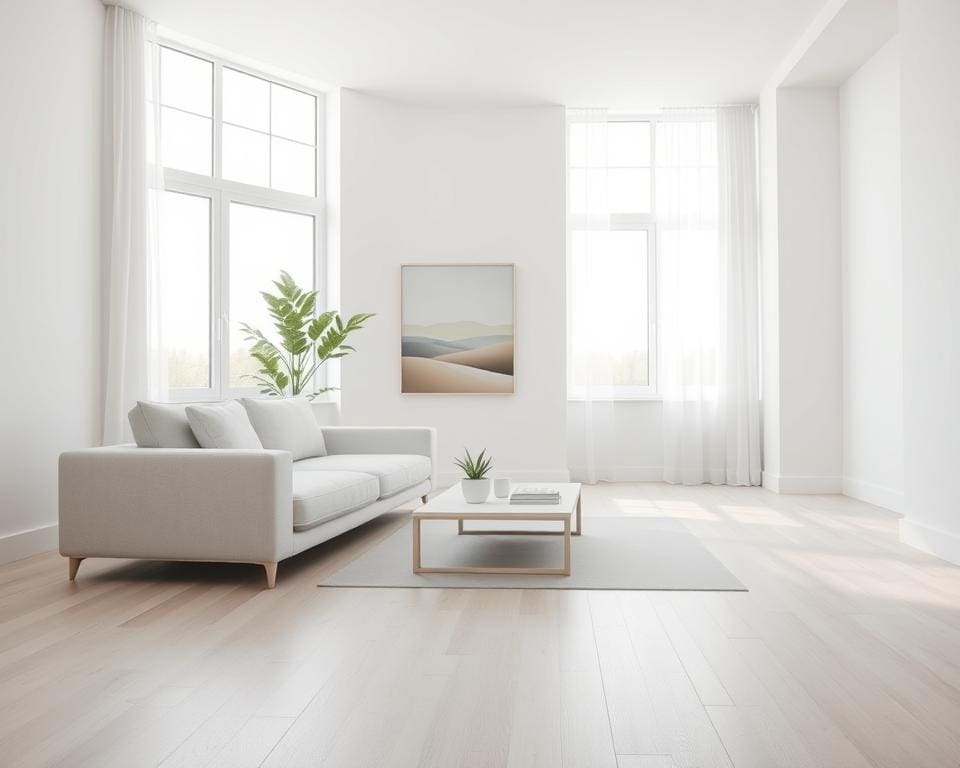
Minimalist interiors begin with a clear set of choices. Start by editing possessions with a simple 3-in-1 rule: keep, store, remove. Limit colour accents to one or two pieces and allow negative space to shape the room. These minimalist design principles help rooms breathe and make function visible at a glance.
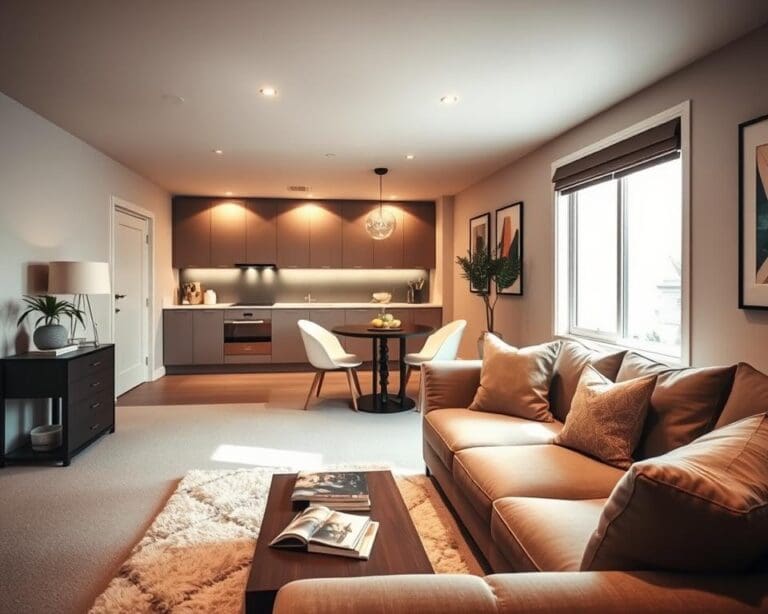
Choose neutral palettes and work with light to create atmosphere. Warm neutrals, soft greys, off-whites and muted earth tones pair well with natural daylight and considered artificial lighting. Use tonal layers to add depth without decoration. Clean lines and open sightlines maintain visual flow. Where possible adopt open-plan arrangements and match flooring or colour bands to guide movement through a space.
Natural materials bring quiet luxury to minimal schemes. Oak and ash age with character, honed stone reads calm, and leather offers longevity. Brushed brass and matte black metals add restraint and warmth. Select materials for minimalist interiors that are durable and suited to UK conditions, such as moisture-resistant timbers for kitchens and easy-clean fabrics for damp-prone rooms.
Textural contrast prevents sterility while keeping things simple. Layer wool rugs, linen cushions and matte ceramics to create comfort without clutter. Brands like Loaf, The White Company and House of Fraser supply textiles and accessories that suit this restrained palette and tactile approach.
When evaluating items, focus on multipurpose solutions. Sofa-beds, extendable tables and storage ottomans extend function in smaller homes. Review model specifications for durability and comfort. Look for UK-available lines at IKEA and Habitat, which offer practical pieces suitable for compact living and open-plan layouts.
Storage must be invisible to retain a minimalist feel. Flush-built cabinetry, sliding doors and concealed shelving preserve smooth sightlines. Consider modular units from John Lewis & Partners or B&Q bespoke options, or commission custom joinery for seamless integration.
Lighting shapes mood more than ornament. Prefer warm LED temperatures between 2700–3000K and combine recessed, track, pendant and task fittings to layer light. Anglepoise designs work well for task lighting, Flos pieces add sculptural calm, and LED ranges from Screwfix or Lighting Direct provide efficient choices for ambient layers.
For buyers seeking guidance, use concise minimalist product recommendations when comparing items. Prioritise build quality, warranty and aftercare suited to UK homes. Balance function, finish and texture to achieve a pared-back interior that feels lived-in rather than empty.
How to adopt minimalist interiors in your UK home — practical steps and inspirational examples
Begin with a clear, room-by-room audit to learn what you own and why. Make three labelled piles—daily use, sentimental, and disposable—then set intent-driven goals such as “create a calm living and working area” and a simple timeline for decluttering. This methodical approach helps you focus on practical, achievable changes rather than a sweeping, stressful overhaul.
Prioritise function and invest where it matters. Allocate budget to lasting pieces such as a quality sofa, mattress or dining table and save on decorative accessories. Consider retailers like IKEA and Dunelm for essentials, Made.com and Habitat for mid-range design, and Heal’s or Loaf when you want a longer-term investment. For storage, use labelled boxes, vacuum bags and under-bed units from The Range or John Lewis & Partners to keep surfaces clear.
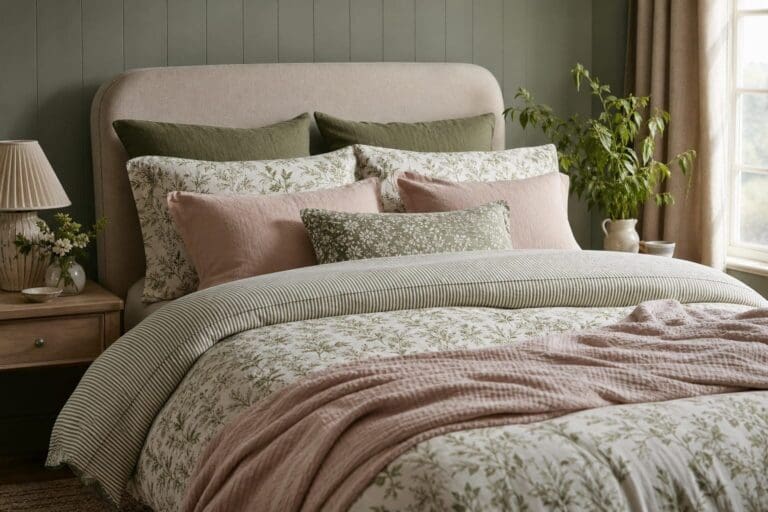
Adopt small, room-by-room rules: choose one focal piece in the living room—a sofa or fireplace—keep surfaces clear and favour a single artwork over a gallery wall. In the kitchen, hide appliances behind cabinetry, use uniform storage jars and simple tapware from Grohe or Bristan. For bedrooms, prioritise a good mattress, a plain bedframe and blackout curtains; soft linen or wool textiles add warmth without clutter. Use negative space deliberately and limit focal pieces to one or two per room to avoid visual competition.
Maintain the look with weekly tidy routines, quarterly reviews and seasonal swaps. Bring in low-maintenance plants such as Sansevieria or ZZ plant and source sustainable linen from UK suppliers to balance minimalism with comfort. For inspiration, study small London flats that created multifunctional zones with bespoke joinery, or Manchester terraces that swapped heavy furniture for streamlined pieces and found easier maintenance and more natural light. Try simple mini-projects—neutral paint and one statement artwork, a single streamlined shelf in place of side tables, or matching dining chairs—to see quick, striking minimalist before and after UK results. Start with one room, focus on quality not quantity, and treat minimalism as an ongoing, rewarding shift toward sustainable, functional living.