
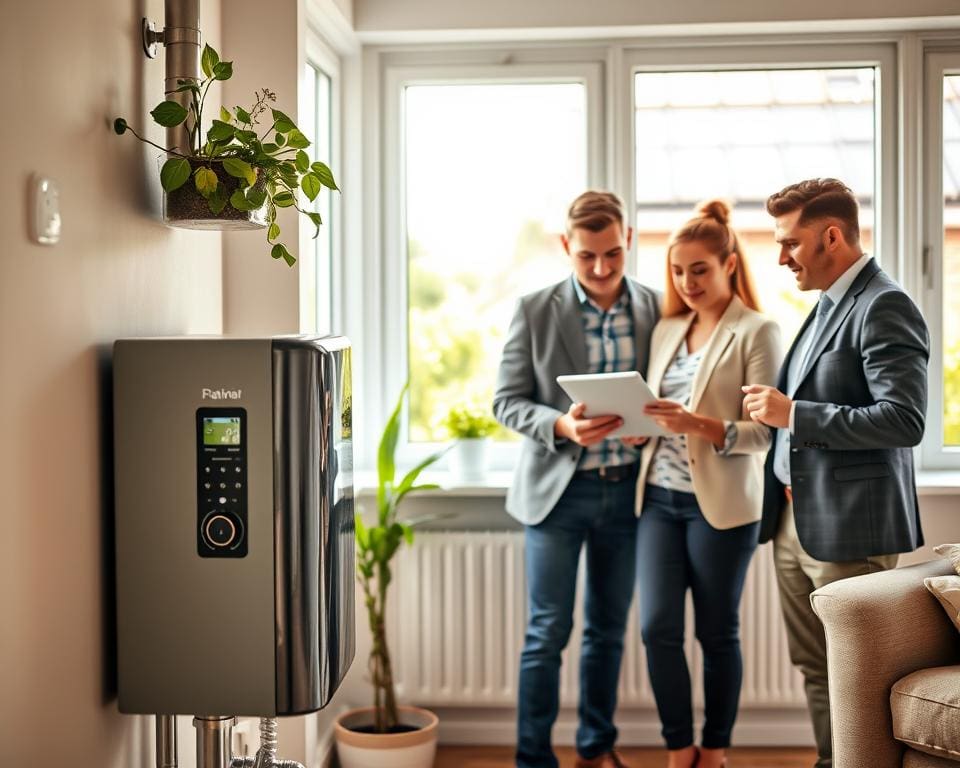
Heating homes responsibly is now a practical choice as well as a moral one. With UK net zero targets and tighter building standards, homeowners should ask: why invest in sustainable heating solutions? Heating accounts for around 40% of household energy use and a large share of domestic carbon emissions, so cutting that footprint matters for the planet and the pocket.
Investment in sustainable heating UK options — from heat pumps by Mitsubishi Electric and Daikin to biomass boilers and solar thermal panels — aims to deliver eco-friendly heating while reducing long-term bills. As energy prices climb and regulations move away from fossil-fuel boilers, low-carbon home heating becomes a way to future-proof properties and avoid costly retrofits later.
This article will give clear, evidence-based reasons to choose energy-efficient heating systems. Expect practical guidance on likely costs and savings, real-world performance from brands such as Vaillant and NIBE, and impartial insights from BEIS, the Energy Saving Trust and TrustMark-registered installers. The goal is to inspire action while equipping you to make a sound, long-term decision for comfort, value and environmental stewardship.
Why invest in sustainable heating solutions?
Upgrading to sustainable heating offers clear benefits for households and the planet. Replacing a gas or oil boiler with an air-source or ground-source heat pump often cuts heating carbon emissions by roughly 50%–70%, depending on grid intensity and home insulation. As the UK grid decarbonises, electrically driven systems become cleaner over their lifetimes, boosting the case for home carbon reduction.
Environmental gains include lower local air pollution when households move away from oil or solid fuel. Modern biomass boilers must use certified fuel and low-emission models to limit particulates. Choosing compliant systems helps homes meet rising regulations and future boiler bans while supporting Minimum Energy Efficiency Standards for rented properties.
Long-term cost savings come from higher seasonal performance of heat pumps versus gas boilers. Well-insulated homes can see notable heating cost savings and lower bills for hot water when paired with solar thermal. Typical payback for a heat pump ranges from 7 to 15 years, influenced by grants, energy prices and insulation levels.
Think in whole-life terms. Installation, maintenance, fuel or electricity costs and expected lifespans (often 15–20 years for heat pumps and modern biomass boilers) determine true heating ROI. Manufacturer data from Daikin, Mitsubishi Electric and Vaillant, alongside independent tests by Energy Saving Trust, help set realistic performance expectations.
Property value and marketability improve as buyers and renters favour low-carbon homes. Upgrading heating systems can lift an EPC rating, for example moving a property from D to B, which appeals to purchasers and can be required for rental compliance. Professional installation records, TrustMark accreditation and robust warranties give buyers confidence and enhance property value sustainable heating.
For landlords, lower running costs and compliance with evolving MEES rules can mean stronger rental yields and reduced voids. Growing demand in the green home market boosts green home marketability and positions properties more attractively in a competitive market.
- Cut heating carbon emissions with heat pumps or efficient biomass where suitable.
- Maximise heating cost savings through insulation and smart controls.
- Document warranties and certifications to support heating ROI and property value sustainable heating.
Types of sustainable heating technologies and product review focus
Choosing between options means weighing efficiency, space and lifestyle. This section outlines main types of sustainable heating and highlights the product aspects reviewers check. It helps homeowners match technology to home fabric and budget.
Air-source and ground-source heat pumps
Air-source units extract heat from outside air using a refrigerant cycle. Ground-source systems use buried loops to draw steady warmth from the soil. Both supply heating and hot water while using less primary energy than direct electric systems.
Key performance metrics are COP and SCOP. Modern air-source models deliver COPs around 2.5–4.0. Ground-source systems often achieve 3.0–5.0 depending on loop design and ground conditions. Reviewers compare SCOP, noise levels, inverter technology and space needs.
Top models from Mitsubishi Electric Ecodan, Daikin, NIBE, Panasonic and Vaillant are assessed for radiator compatibility and underfloor heating integration. Ground-source suits larger plots and well-insulated homes, while air-source fits tighter budgets and smaller gardens.
Drawbacks include lower flow temperatures that can reduce radiator output. Solutions include larger radiators, underfloor heating or buffer tanks. Consider an air-source heat pump review when checking noise and seasonal performance.
Biomass boilers and sustainable fuel options
Biomass boilers burn wood pellets, chips or logs to heat central systems and hot water. They can cut fossil fuel use when fuel is certified and combustion is efficient.
For buyers in Britain, look at pellet boilers from Hargassner, Froling and Windhager. Reviews focus on hopper capacity, automatic feed, ash handling and emissions controls. Choosing ENplus-certified pellets improves lifecycle carbon outcomes.
Practicalities include secure, dry fuel storage and routine ash removal. Emissions and particulates are higher than for most electric heat pumps unless advanced flue filters are fitted. Those interested in a biomass boiler UK should factor in storage space and chimney access.
Solar thermal systems and integration with other heating
Solar collectors heat domestic hot water or pre-heat a store to reduce boiler or heat pump load. In the UK they are most cost-effective for hot-water preheat and can cover 30–60% of annual hot-water demand depending on orientation and size.
Reviewed products include evacuated tube and flat-plate collectors from Kingspan, Viessmann and Worcester Bosch. Assess compatibility with thermal stores, controllers and integration with heat pumps or biomass boilers.
Solar thermal systems pair well with heat pumps and boilers to lower running hours. A thorough solar thermal review will note mounting options, controller logic and how the system prioritises solar energy.
Hybrid systems and smart controls
Hybrid heating systems combine sources such as a heat pump plus boiler, or solar plus heat pump. Intelligent controls manage which source runs to cut carbon and cost while meeting comfort needs.
Smart heating controls from Nest, Honeywell, Tado and manufacturer-specific systems enable weather compensation, time-of-use tariffs and remote monitoring. Reviews examine interoperability, open protocols like Modbus or OpenTherm, warranty conditions and installer support.
Using smart heating controls to charge thermal stores when electricity is cheap can reduce bills. Good system design lets homeowners use solar and heat pumps together, switch to biomass when desired and optimise for carbon intensity.
- Assess COP/SCOP and real-world seasonal performance.
- Check fuel certification for biomass and storage needs.
- Confirm compatibility between solar, heat pumps and existing radiators.
- Prioritise controllers with open protocols for future upgrades.
Costs, incentives and practical considerations for UK homeowners
Choosing sustainable heating brings questions about price, permission and upkeep. This short guide walks through typical figures, the main support schemes and the practical steps homeowners must take before committing.
Upfront costs vary by technology. Air-source heat pump installs commonly range from £8,000 to £18,000 while ground-source systems often sit between £15,000 and £30,000 depending on groundworks. Biomass boilers can cost £8,000–£25,000 and solar thermal systems £3,000–£7,000. Finance options, including green mortgages and energy-efficiency-linked loans, can spread these sums over time.
Grants and government schemes can cut initial expense. The Boiler Upgrade Scheme offers upfront support for eligible heat pump and biomass installs. Some households may access ECO or local authority help. To claim many grants you will need MCS certification, TrustMark-registered installers and an appropriate EPC as evidence.
RHI replacement has shifted the incentives landscape. The original RHI closed and was replaced by newer schemes that focus on upfront grants rather than long-term payments. Check current BEIS guidance and ask installers about eligibility before signing contracts.
Installation logistics start with a thorough site survey. Installers assess insulation, radiator sizing and required flow temperatures. They will check space for an external unit or a ground collector and confirm fuel storage for biomass. Simple air-source swaps can take a few days. Ground loops or larger biomass installs may take several weeks because of excavation and groundwork.
Planning and compliance matters for some projects. Air-source heat pumps usually avoid planning permission but ground-source arrays, large biomass boilers or works on listed buildings may need consent. Building Regulations apply to water and heating work and flue rules cover biomass units. Always confirm whether planning permission ground-source requirements affect your property.
Neighbour and noise considerations are practical. External unit siting should reduce noise and visual impact. Follow manufacturer decibel ratings and local limits to prevent complaints. A good installer will model siting to keep neighbours content.
Maintenance and warranties protect your investment. Annual servicing is recommended for heat pumps and biomass boilers. Pellet systems need ash removal and fuel checks. Solar thermal collectors benefit from periodic checks of pumps and glycol levels. Manufacturer warranties typically cover key components for 5–10 years. Extended cover and service plans from brands such as Worcester Bosch and Vaillant help with long-term care.
Lifecycle expectations shape cost-per-year calculations. Expect heat pumps and biomass boilers to last around 15–20 years. Solar thermal collectors often exceed 20 years when maintained. Factor spare part availability and the presence of UK support networks into your choice to ensure future servicing and warranty fulfilment.
Practical next steps are simple. Arrange a certified site survey, confirm eligibility for heat pump grants UK and the Boiler Upgrade Scheme, and request clear estimates that spell out installation costs heat pump projects. Ask for documented handover, service plans and proof of certifications that qualify you for grants.
How to choose the right sustainable heating solution for your home
Start by assessing your property fabric. Prioritise insulation and draught-proofing because low-temperature systems work best in well-insulated homes. Calculate annual heat and hot-water demand (kWh) and peak loads so you can size a system correctly; this step helps decide whether to choose sustainable heating such as an air-source heat pump or a biomass boiler.
Consider space and site constraints next. Check garden size for ground-source loops, fuel storage needs for biomass, and outdoor unit siting for air-source noise. Listed buildings and conservation areas often limit external changes, which affects heat pump suitability and whether solar thermal integration is practical.
Balance budget and whole-life costs. Compare upfront investment, running costs, likely maintenance and replacement timing under different fuel-price scenarios. For many UK homes, the best heating system for home UK combines a heat pump with solar PV to cut bills and carbon. In rural properties with good fuel access, weigh biomass vs heat pump against delivery and storage needs.
Match technology to priorities. Choose heat pumps paired with solar PV if you want low carbon and low maintenance. Opt for biomass or a hybrid heating choice where off-grid or high-heat demand favours solid fuel. Use hybrid setups and smart controls to future-proof, allowing you to switch sources as tariffs and grid carbon intensity change.
Select reputable installers. Hire MCS- or TrustMark-registered firms with local references and ask for detailed quotations that explain sizing, SCOP expectations, parts lists and forecasted running costs. Request manufacturer-backed warranties, service packages and local engineer availability to protect performance.
Before purchase, confirm grant eligibility and secure a written contract with clear milestones, commissioning and performance guarantees. Plan occupant training and a first-year service to validate warranties and ensure the system meets predicted efficiency, whether you pursue solar thermal integration, a heat pump, biomass or a hybrid heating choice.