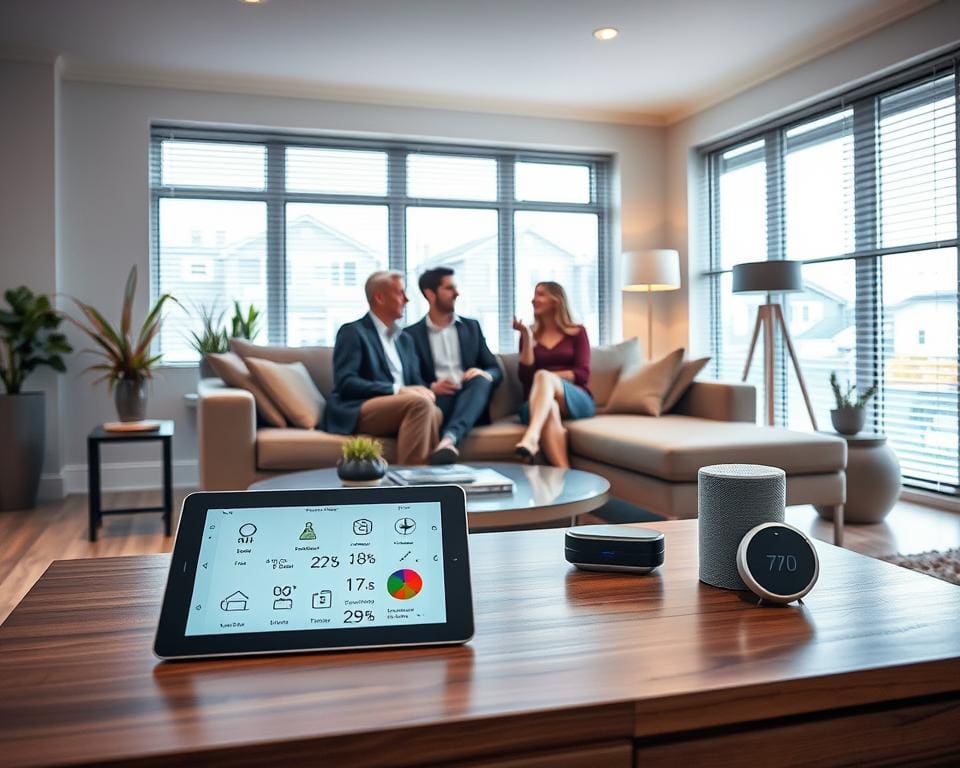
Smart home systems are reshaping home life across the United Kingdom. From flats in London to suburban houses in Manchester, devices from Philips Hue, Google Nest, Amazon Echo with Alexa, Apple HomeKit, Samsung SmartThings and Ring make home automation everyday life a practical reality.
This article examines how smart home systems enhance daily living by delivering comfort, safety, energy savings and improved accessibility. Readers will see smart home benefits in clear, measurable terms: time saved on routine tasks, lower energy bills through kWh monitoring, security logs from cameras and sensors, and personalised settings that suit individual needs.
Adoption has risen quickly, driven by falling device costs and stronger broadband coverage, though interoperability and privacy remain key decisions for UK households. We will look at smart home advantages UK residents can expect, with examples of smart home improvements that turn ideas into everyday gains.
Subsequent sections guide you through comfort and convenience, productivity and accessibility, safety and efficiency, and practical buying and setup tips tailored to the UK market. Imagine routines simplified, bills reduced and a safer, more responsive home — that is the promise of home automation everyday life.
Everyday comfort and convenience through smart automation
Smart home tech turns routine chores into small joys. By linking lighting, heating and voice control, homes become more responsive to personal habits. Families and professionals gain time, comfort and a sense of calm from systems that act when we need them to.
Smart lighting and climate control for personalised comfort
Smart lighting UK options such as Philips Hue offer colour temperature and brightness control that match mood and daylight. Use warm dimming for evening relaxation and daylight-matching bulbs to lift energy levels in the morning. Motion-activated lamps in hallways and stairwells reduce trips and falls, while LED smart bulbs cut energy use and can be scheduled to simulate presence when away.
Smart thermostat benefits include learning routines, remote control via apps and weather-aware scheduling. Devices like the Nest thermostat UK, Hive and Ecobee adapt heating to your day and work with smart radiator valves from brands such as Tado to create zoned warmth. Connected thermostats can report usage and link to the UK Smart Metering Programme to help lower bills.
Voice assistants and centralised control hubs
Hands-free control brings simple acts to life. An Amazon Echo UK or Apple HomePod with Apple HomeKit UK makes it easy to switch lights, set temperatures and play music by voice. Amazon Echo UK and other assistants respond to quick prompts so routines feel natural.
Central hubs such as Samsung SmartThings unify devices across Zigbee, Z‑Wave and Wi‑Fi, letting Philips Hue, Nest and other brands work together. A smart home hub creates automations that span products, removing friction from daily tasks and keeping the experience consistent.
Routines and schedules that simplify mundane tasks
Routines save minutes every day. Alexa routines and HomeKit automations let a single command trigger many actions. A “Good Morning” routine can raise blinds, pre‑heat the kettle and read the day’s calendar aloud. An “Away” routine locks doors, lowers heating and arms security systems.
- Morning routine: gentle lights, boiler pre‑heat, quick news briefing.
- Leaving home: lights off, thermostat setback, presence simulation.
- Evening wind‑down: dimmed lights, cosy temperature, soothing music.
Small time savings add up across a week. Automations cut decision fatigue and free attention for work, family or rest. For busy households, these smart systems turn daily friction into predictable comfort.
How can smart home systems enhance daily living?
Smart home systems do more than add comfort; they reshape daily routines so life runs smoother and takes less time. Small automations remove repetitive tasks. Smart schedules and voice controls free up minutes across the day, creating tangible smart home time savings for busy households.
Improving time management and reducing daily friction
Automated lights and thermostats remove the need to adjust settings manually. A morning routine can warm a bedroom, start a kettle and open blinds at set times. Smart plugs let a washing machine run on Economy 7 or during a smart tariff, cutting both cost and effort. Using voice commands cuts the time spent searching apps, which boosts smart home productivity in everyday tasks.
Seamless integration of devices for a cohesive experience
Interoperability standards such as Matter, Zigbee and Z‑Wave mean devices from different brands work together. One voice command can trigger a scene: lights, blinds and music change at once. A security sensor can turn off heating and send a phone alert. Platforms like Apple HomeKit, Amazon Alexa and Google Home help integrate smart devices while offering options for privacy or deep Android account integration.
Accessibility benefits for elderly and disabled residents
Smart homes support independence through assistive features. Voice control helps people with limited mobility operate doors and lights. Automated lighting reduces trip hazards at night. Smart locks and video doorbells from Ring or Nest allow remote visitor checks. Medication reminders and geofencing alerts can notify carers when someone leaves a safe zone. These accessibility smart home measures, paired with assistive technology UK initiatives, can reduce reliance on full‑time care and support ageing in place.
Local councils and health services in the UK are exploring smart solutions within telecare schemes. Early evidence links smoother routines to reduced stress and better wellbeing, while the ability to integrate smart devices into care pathways strengthens long‑term support for vulnerable residents.
Enhanced safety and energy efficiency with connected devices
Connected devices bring visible gains to home safety and running costs. Smart cameras and sensors give live insights, while energy tools show where money leaks from day-to-day use. These systems work together to protect property and cut bills without daily fuss.
Smart security: cameras, sensors and remote monitoring
Doorbells and cameras from Ring doorbell UK, Nest Cam and Arlo offer live streaming and recorded clips to cloud storage. Two-way audio and motion detection zones let you speak to visitors and focus alerts on high-risk areas. Some devices provide facial recognition where offered, making alerts more relevant.
Contact and motion sensors link to the whole system. You can share temporary access with cleaners or tradespeople and watch the house from anywhere via a phone. Smart lighting tied to cameras deters intruders by creating the impression of occupancy.
Privacy and legal obligations matter in the UK. Check data retention rules, consent for recordings and how cloud providers handle sharing. Good practice keeps families safe while respecting neighbours.
Energy monitoring and cost savings with intelligent systems
Smart energy monitoring uses plugs, meters and hub integrations to track what each appliance draws in real time. Hive, Tado and Octopus Energy connections let you schedule use for off-peak tariffs and reduce waste.
Tado energy savings appear when heating zones avoid warming empty rooms and schedules align with daily routines. Turning off phantom loads and shifting washing to cheaper hours often produces noticeable reductions on bills.
Households vary, so expected savings differ. Adoption of time-of-use tariffs such as Octopus Agile is growing, giving more scope for optimisation that smart devices can automate.
Automated alerts and preventative maintenance
Sensors for water leaks, CO and smoke like Nest Protect send instant alerts to smartphones to cut response times. Early warnings reduce damage and risk by stopping small issues before they escalate.
Predictive uses are expanding. Integrations that monitor boiler performance or track filter life and battery levels enable preventative maintenance smart home setups to flag service needs. That lowers emergency call-outs and spreads repair costs over planned visits.
Together, smart security UK and smart energy monitoring lift peace of mind while adding measurable value. Balance convenience with strong passwords, two-factor authentication and cautious sharing to keep data secure and benefits long lasting.
Choosing the right smart home setup for your UK household
Start by listing practical goals: security, energy saving, accessibility or entertainment. Match each goal to core devices — a smart thermostat for warmth control, cameras and sensors for security, smart bulbs for mood and energy savings, and a smart speaker for hands‑free control. For most households, the best smart home setup UK begins small: one thermostat, two bulbs and a voice speaker to test the benefits before scaling up.
Choose an ecosystem with care. Amazon Alexa supports a broad range of kit, Google Home ties neatly into Google services and Apple HomeKit offers strong privacy and tight Apple‑device integration. Consider HomeKit vs Alexa vs Google in light of your devices and habits, and favour Matter‑compatible products where possible to keep future options open and simplify multi‑brand setups.
Check connectivity and weigh installation options. Verify broadband reliability and Wi‑Fi coverage in every room; larger homes often need a mesh Wi‑Fi system. For complex jobs like integrated heating or motorised blinds, seek smart home installation UK professionals accredited by manufacturers such as Hive or Google Nest partners. If you choose DIY, follow manufacturer guidance and UK electrical safety regulations closely.
Budget realistically for upfront costs and subscriptions. Typical device prices vary from affordable smart bulbs to premium thermostats, while ongoing fees can include cloud storage and services like Ring Protect or Nest Aware. Factor installation fees and estimate payback from energy savings and time reclaimed through automation. Prioritise devices that deliver measurable comfort, safety or savings and review smart home privacy UK practices — update firmware, use strong unique passwords and enable two‑factor authentication.
Use a short checklist before you buy smart home devices UK: define your goals, pick an ecosystem, ensure Wi‑Fi coverage, start small, check Matter compatibility, and plan for subscriptions. Imagine simple routines made smoother by automation, and take the first practical step today to bring greater comfort and efficiency to your home.