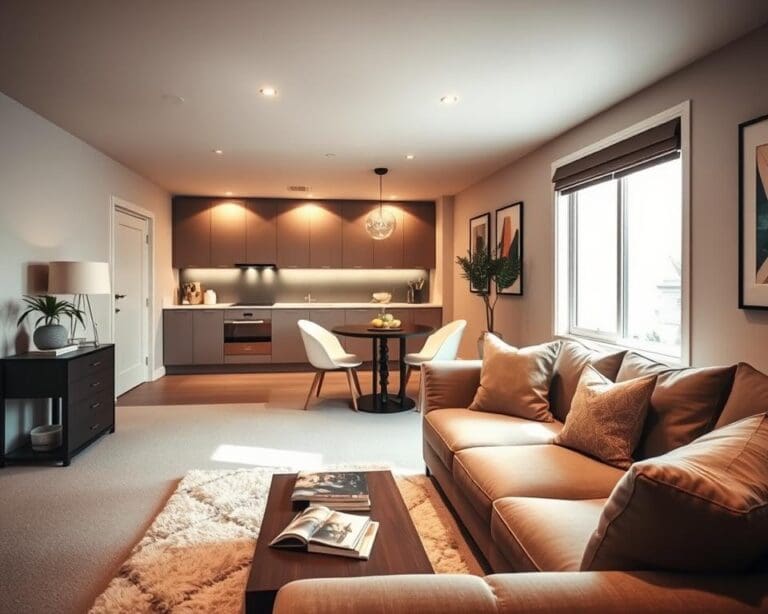

Thinking about kitchen remodelling UK? Many homeowners ask: How can kitchen renovations increase property value? The kitchen is often the room that most influences buyer decisions. Estate agents and chartered surveyors regularly report that a modern, well‑laid‑out kitchen can shorten time on the market and strengthen a seller’s negotiating position.
This article looks at kitchen renovation value across the UK market. It covers buyer appeal, likely return on investment, energy savings and practical choices that lift market worth. Readers will find advice tailored to homeowners preparing to sell, landlords aiming to increase rental yield, and owner‑occupiers investing for the long term.
Beyond numbers, a smart project boosts daily life. Thoughtful design makes a home feel more usable, contemporary and emotionally appealing — factors that underpin how to increase property value with kitchen upgrades. Later sections give evidence‑based guidance on which upgrades deliver the best home improvement ROI and how to plan and manage costs in the UK context.
How can kitchen renovations increase property value?
Well-planned kitchen work lifts a home’s appeal and makes a strong first impression on prospective buyers. A bright, well-laid-out kitchen signals tidy maintenance and modern living. Estate agents such as Savills and Foxtons often flag updated kitchens in listings to boost interest on portals like Rightmove and Zoopla.
Improved market appeal and buyer perception
Kitchens are emotional selling points. A clean, open layout and tidy surfaces help shape buyer perception kitchen in a positive way. Simple staging—good lighting, decluttered worktops and minimal personal items—raises click-through and viewing rates.
Practical expectations in the UK include integrated storage, solid worktops and islands for family homes. Durable finishes suit investment properties and reduce future maintenance worries for buyers. Adaptable zones, such as breakfast bars and flexible islands, cater to homeworking and family life and widen the kitchen market appeal.
Return on investment: what to expect
Typical kitchen ROI UK figures vary by project scale. Mid-range renovations often recoup between 60% and 80% of costs at sale. Small cosmetic upgrades—refaced cabinets, new worktops and modern handles—can yield strong percentage returns because the initial outlay is lower.
Full remodels that move walls or add major plumbing cost more and do not always lift the sale price proportionally. Match the spend to the local property bracket to avoid overcapitalising. RICS guidance shows kitchen condition affects survey valuations and buyer offers, so check local comparables for realistic uplift.
Energy efficiency and long-term savings
An energy efficient kitchen wins attention from eco-aware buyers and cuts running costs. A-rated fridges, induction hobs and LED lighting reduce energy use and make EPC improvements more achievable. Better insulation around doors and windows helps too.
Improved EPC ratings matter to some lenders and to buyers who value lower bills. Long-term savings kitchen features, such as efficient appliances and durable fittings, translate into tangible benefits during viewings. Durable materials also reduce future maintenance concerns and strengthen buyer confidence.
Key renovation choices that boost property value
Smart choices at the design stage can lift appeal and price. Focus on practical changes that buyers notice first: flow, storage, durable finishes and bright, welcoming lighting. Below are targeted ideas that make the most impact.
Layout and functionality improvements
Prioritise a clear work triangle between sink, hob and fridge to speed up tasks and improve flow. A well-placed island can add prep space and seating without crowding the room.
Remove non‑loadbearing walls to create open-plan living, but always confirm structural details with a structural engineer and check local planning guidance first.
Fit full-width pan drawers, pull-out larders and corner carousel units to maximise usable space and show how storage transforms a kitchen.
Include universal design elements such as level thresholds and room for adaptable seating. That broadens appeal across age groups and future-proofs the layout.
Check planning consents and Building Regulations for plumbing, electrics and ventilation before work starts to avoid delays and extra costs.
Material and finish selection
Choose durable, timeless surfaces that read as premium. Quartz or granite worktops give longevity and style, while engineered timber or quality laminate suits tighter budgets.
Opt for painted or lacquered cabinetry with soft‑close mechanisms to raise perceived quality. Refacing cabinets is a cost-effective alternative when carcasses are sound.
Use water-resistant flooring such as porcelain tile or LVT to withstand UK conditions and simplify maintenance.
Select neutral palettes—muted greys, warm whites and soft greens—so prospective buyers can picture their own finishes. Add subtle timber accents as a warm counterpoint.
Appliances and fittings that add value
Targeted upgrades deliver the best return. Integrated dishwashers and fridge-freezers, induction hobs and reliable ovens from Bosch, Siemens or Miele signal quality to buyers.
Install effective extractor hoods and mechanical ventilation to protect finishes from moisture and smells.
Choose premium taps from Grohe or Bristan, undermount sinks and durable brassware to elevate the look. Soft-close drawers, strong hinges and neat handles complete a cohesive fit-out.
Introduce smart integrations such as Wi‑Fi ovens or lighting controls sparingly. They should add convenience without overcomplicating the space or dating quickly.
Lighting and colour schemes
Use layered lighting: ambient ceiling fittings, under-cabinet task lights and pendant lights over islands to create flexibility and atmosphere.
Maximise natural light with glazed doors or skylights where possible. Bright kitchens feel larger and more inviting to buyers.
Adopt a neutral base with one accent to follow current kitchen colour trends UK while keeping the scheme timeless. Test samples under kitchen lighting at different times of day to ensure the finish reads well.
Finish with coordinated hardware, simple splashbacks in glass or tile, and restrained tiling patterns to modernise appearance without a large budget.
Practical planning and cost management for successful renovations
Begin any kitchen renovation planning UK project by defining clear objectives: resale, improved living or rental income. That choice guides scope and spend and prevents over-investing. Check recent sales on Rightmove and Zoopla to match the expected finish to the neighbourhood and set a realistic kitchen budget tips plan with bands for budget, mid‑range and premium work.
Obtain at least three written quotes from credible kitchen contractors UK and trades. Use Gas Safe engineers for gas, NICEIC or Part P‑compliant electricians for electrics, and accredited fitters for worktops. Ask for references, portfolios and public reviews on Trustpilot or Checkatrade before you sign a contract with clear milestones, payment stages and warranties.
To manage renovation costs, prioritise high‑impact, low‑cost upgrades such as repainting cabinetry, new handles, improved lighting and splashbacks. Where carcasses are sound, refacing often delivers a contemporary look at a fraction of replacement costs. If budgets are tight, phase works so structural and functional items come first and cosmetic details follow.
Plan the renovation timeline realistically: small cosmetic refurbishments usually take 1–3 weeks, while full remodels can run 6–12 weeks. Factor lead times of 6–12 weeks for bespoke units and appliances, and ensure all electrical and gas work has certificates for conveyancing. Complete a snagging list, keep guarantees and manuals, and arrange professional photography to capture the uplift once practical completion is achieved.