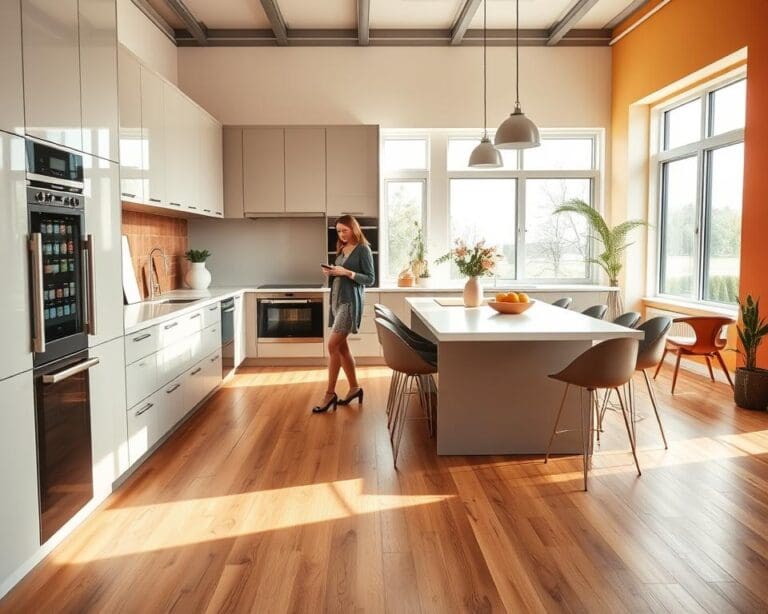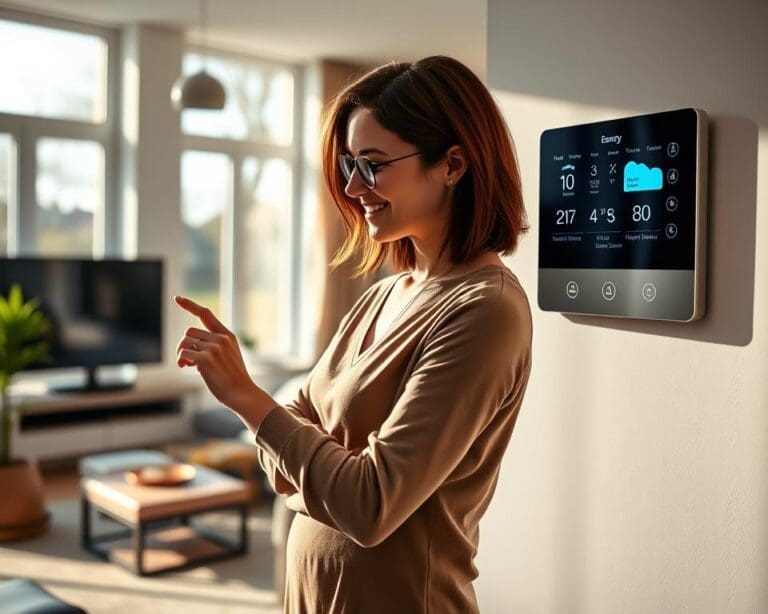
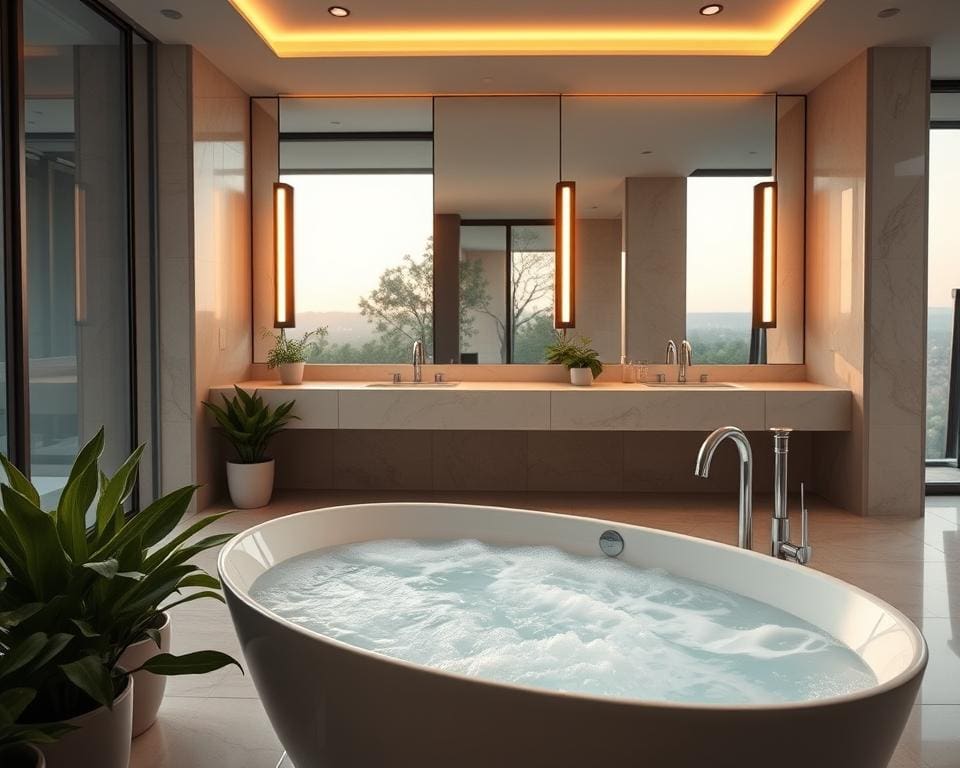
Modern bathroom design in the UK is about more than aesthetics; it is about improving everyday bathroom comfort and lifting overall bathroom wellbeing. This section outlines how thoughtful layouts, sensory choices and practical technologies come together to make daily routines smoother and more enjoyable.
Ergonomic layouts reduce physical strain and speed morning and evening rituals. In smaller Victorian or period houses, clever planning and tailored fixtures can transform awkward spaces into functional rooms that feel larger and calmer.
Sensory design—lighting, acoustics and tactile materials—shapes mood. Warm, layered lighting and quieter fittings cut stress, while anti-slip, low-maintenance surfaces improve hygiene and reduce mould risk in colder, damp climates.
Convenience technologies such as Aqualisa and Grohe digital showers, Triton and Myson heating systems, and heat-pump compatibility from Mitsubishi and Daikin add control and efficiency. These choices support bathroom wellbeing by saving time, water and energy.
Compliance with Building Regulations Part L and Part G, alongside Waterwise guidance, helps homeowners lower bills and protect long-term value. Upgrades that focus on sustainable materials and efficient fittings deliver both everyday comfort and stronger appeal for buyers or renters across the UK market.
How do modern bathrooms improve everyday comfort?
Modern bathrooms blend thoughtful layout, clever technology and pleasing finishes to make daily routines feel effortless. Small choices in plan, fittings and surfaces change how a space performs for every age and ability. The result is a room that supports comfort, safety and calm.
Design principles that prioritise comfort
Start with clear movement paths and sensible clearances. An accessible bathroom layout uses 700–900 mm clearances around doors and basins to aid circulation. Walk-in showers and barrier-free thresholds reduce trip hazards. Correctly placed grab rails and a wall-hung basin make daily tasks easier and cleaning quicker.
Choose muted, warm neutrals and natural textures to lower visual stress. Matt tiles, timber-effect ceramics and large-format porcelain expand sightlines and create a relaxed backdrop. Integrated storage and concealed plumbing keep surfaces tidy and strengthen the balance of form and function.
Technology that enhances daily convenience
Digital shower valves from Aqualisa, Grohe SmartControl and Mira give precise temperature control and preset routines. Temperature memory showers cut the fuss of adjusting the water and add a safety layer for children and older adults. Mobile-linked controls let users save their preferred settings for a reliable start to the day.
Heated towel rails, electric underfloor heating and demisting mirrors increase comfort after a shower. Brands such as Warmup supply underfloor systems that suit retrofit projects. Humidity-sensing fans from Vent-Axia and Airflow reduce condensation, lower mould risk and keep air fresh with minimal user input.
Materials and finishes that improve tactile comfort
Underfoot comfort and slip resistance matter in family and older-adult bathrooms. Textured porcelain tiles and R10–R11 slip-rated floors give grip without looking clinical. Safety vinyls provide warmth and a soft feel underfoot.
Choose engineered stone and solid-surface basins from makers like Corian or quality matte ceramics for low-maintenance luxury. These comfortable bathroom materials resist staining and feel pleasant to touch. Low-VOC paints, FSC timber vanities and recycled-content tiles support a healthier interior while adding a warm, sustainable aesthetic.
Creating a spa-like atmosphere to boost relaxation and wellbeing
A calm bathroom lifts mood and supports daily rituals. Small design choices shape a spa-like bathroom that feels restful and organised. Focus on light, sound and tidy storage to turn a functional space into a wellbeing bathroom design.
Lighting strategies for mood and functionality
Plan layered lighting to balance tasks and ambience. Fit CRI 90+ LED strips around mirrors for accurate grooming, use ambient ceiling fixtures for even illumination and add accent lights to showcase tile texture or niches.
Choose dimmable LED circuits with warm whites at 2700–3000K for evening calm and cooler 3000–3500K for daytime tasks. Use IP-rated fittings (IP44 minimum) in wet zones to keep the design safe and elegant.
Maximise daylight where possible. Frosted glazing, VELUX rooflights and light-tubes bring natural light into compact rooms, while adjustable blinds protect privacy without losing brightness.
Acoustic and sensory considerations
Reduce noise with acoustic insulation in walls and ceilings using materials such as Rockwool and acoustic plasterboard. Soft surfaces like bath mats and fabric shower curtains absorb sound and make acoustic bathrooms more tranquil.
Introduce sensory elements that feel natural. Low-maintenance plants such as Sansevieria or spider plants bring a living touch. Controlled aromatherapy dispensers and subtle reed diffusers from brands like Neom add scent without overwhelming.
Choose plush textiles for tactile comfort. Towels at 600–800 GSM, bamboo or linen bath mats and ergonomic seating support rituals such as shaving or skincare and increase the sense of luxury.
Storage and organisation to reduce daily friction
Decluttered surfaces create calm. Use recessed niches, built-in cabinetry and wall-hung vanities to hide toiletries. Clever bathroom storage solutions keep counters clear and make routines smoother.
Consider mirrored cabinets with integrated lighting and charging sockets. Modular shelving from retailers such as IKEA, John Lewis and B&Q offers flexible options for different budgets and styles.
Designate zones for wet, dry, grooming and linen storage. Clear zones and easy-to-access shelving speed morning routines and ease evening wind-downs, reinforcing a wellbeing bathroom design that supports daily life.
Practical upgrades and energy-efficient solutions for long-term comfort
Start with water efficiency: fit modern low-flow shower heads and mixers that use aerating or laminar flow technology to keep a satisfying spray while cutting consumption. Dual-flush toilets in 4/6 litre or 3/4.5 litre formats follow Waterwise guidance and can shave thousands of litres from annual household use. These energy-efficient bathroom upgrades deliver immediate low-flow shower benefits and help create a water-efficient bathroom without sacrificing performance.
Upgrade taps and add smart leak detection to protect plumbing and reduce waste. Aerated taps and inline flow regulators make handwashing feel full while limiting flow. Devices such as Flo by Moen and Phyn detect leaks early and can automatically shut off supplies, preventing damage and saving water and heat. Together, these measures reduce hot-water demand and lower bills.
Address ventilation and fabric warmth to improve comfort and longevity. Install humidity-controlled extract fans or consider whole-house ventilation to manage condensation and provide ventilation to prevent mould in UK bathrooms. Add targeted bathroom insulation UK measures—insulated plasterboard, underfloor insulation and thermal breaks behind radiators and towel rails—to cut heat loss and remove cold spots, especially in older properties.
Plan upgrades with priorities and budgets in mind. Focus first on ventilation and heating for quick comfort gains, then on water-saving fittings and smart controls. Simple DIY actions like renewing sealant or swapping taps cost little, while larger works—underfloor heating retrofits (£1,000–£3,000), heated towel rails (£300–£800) or full renovations (£6,000–£15,000+)—need tradespeople and compliance with Part P or Gas Safe rules. Energy-efficient bathroom upgrades repay in lower bills, steadier hot water and long-term comfort, and they can improve resale appeal for UK buyers.