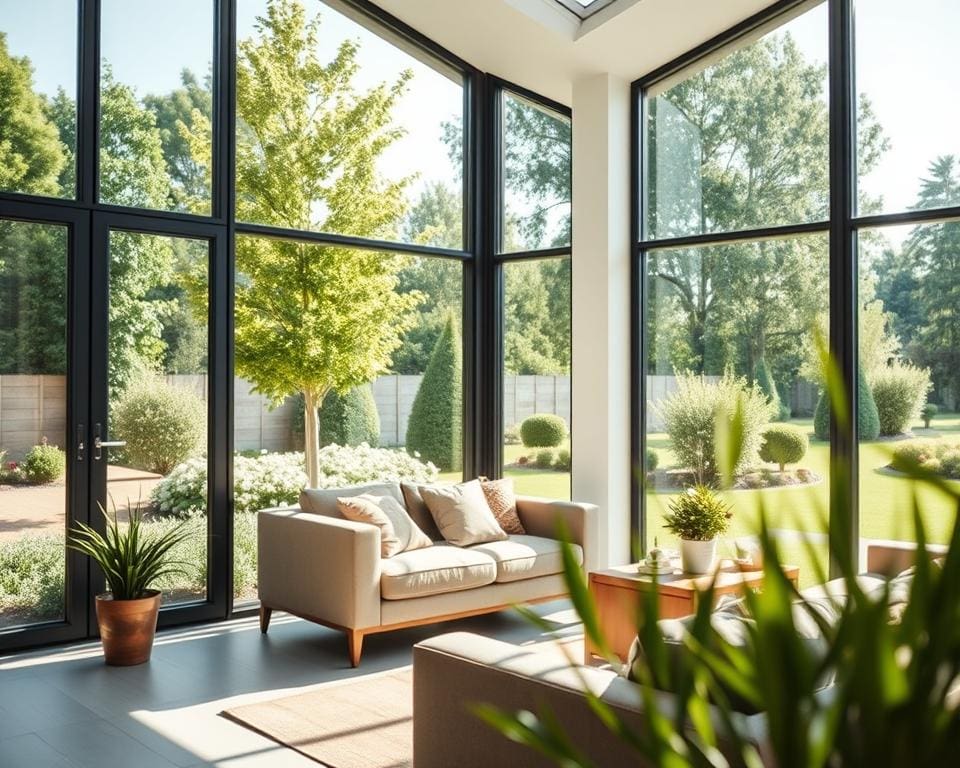
Energy-efficient windows are one of the most effective improvements a homeowner in the UK can make to boost home comfort and reduce energy bills. By combining low-E glass, multiple glazing panes and inert gas fills such as argon, these glazing systems cut heat loss in winter and limit unwanted heat gain in summer. They also rely on thermally broken or insulated frames to improve window insulation around the edges.
Windows account for a large share of heat loss in older or single-glazed houses. Poorly sealed frames and thin glazing create draughts and uneven temperatures that force heating systems to work harder. Replacing them with modern energy-efficient windows immediately lifts comfort and can lower running costs.
Upgrading glazing also supports the UK’s net zero ambitions and aligns with Building Regulations Part L for energy performance in renovations and new builds. Industry bodies and manufacturers such as Pilkington and Saint-Gobain, together with guidance from Glass for Europe, explain how low-E glass and inert gas fills improve thermal performance.
This article will show the immediate comfort benefits of swapping old windows, likely energy and cost savings based on Energy Saving Trust findings, how to choose suitable materials and technologies for UK homes, and what to expect on installation, costs and available funding.
Why are energy-efficient windows a smart home upgrade?
Upgrading windows transforms how a home feels and performs. New units reduce draughts and bring steadier indoor temperatures, cutting the need to keep the thermostat high. That change can make rooms more comfortable and reduce reliance on heating controls during cold months.
Immediate benefits for home comfort
Replacing single-glazed or poorly sealed windows removes cold spots and stops unwanted air infiltration. Modern seals and thermally broken frames keep warm air inside and cold air out. Good installation combined with draught-proofing gives quieter rooms and fewer condensation issues on cold evenings.
Energy savings and lower utility bills
High-performance glazing with low-E glass and insulated frames lowers conductive heat loss at the edges where it matters most. U-value measures the whole window’s heat transfer; aiming for U-values around 1.2 W/m²K or better is a sensible target for replacements in UK homes. In some cases, triple glazing can deliver even lower U-values and stronger savings.
Solar heat gain coefficient guides how much solar radiation passes through a window. That helps with passive gains in south-facing rooms and reduces heating demand in winter when sun is available. Householders often see household savings UK when switching from single glazing to modern double or triple units, though exact payback depends on fuel costs and how well the rest of the property is insulated.
Environmental impact and carbon footprint reduction
Lower energy use cuts household emissions and supports national carbon reduction targets. Replacing poor glazing with contemporary units reduces space heating demand and trims CO2 output when combined with cleaner grid electricity. National guidance and Building Regulations Part L set expectations for performance that help push homes towards net zero homes over time.
- Energy Saving Trust reports typical annual heating savings for upgrades from single to high-performance glazing.
- Manufacturer data from Pilkington and Saint-Gobain show achievable U-value and solar heat gain coefficient figures for various glass types.
- Combined with solid insulation and efficient heating, window upgrades contribute to measurable carbon reduction across the housing stock.
Many homeowners accept a multi-year payback period because of improved comfort, lower bills and greater property appeal. When windows are chosen and installed to the right specifications, they become a lasting part of a retrofit plan that moves more UK homes closer to net zero homes goals.
Choosing the right energy-efficient windows for UK homes
Picking new windows needs a balance of style, performance and planning. This short guide helps homeowners match materials and glass technology to property type, budget and long-term goals. Read on to compare common frames, glazing options and the certifications that show real-world performance.
Window materials and frame options
uPVC remains a popular, cost-effective choice. Multi-chamber profiles deliver strong thermal performance with minimal maintenance. Expect a lifespan of around 20–40 years depending on care and exposure.
Aluminium suits large apertures where slim sightlines matter. Older aluminium frames had poor insulation. Modern thermally broken frames with polyamide thermal breaks close that gap, though cost is higher than uPVC.
Timber offers natural insulation and a classic look for period properties. It needs regular painting or staining, but well-maintained timber can last many decades. Consider engineered timber or timber-aluminium composites to reduce upkeep.
Coastal homes should favour corrosion-resistant finishes. Condensation management and regular seals checks help all frame types perform well over time.
Glass technologies to look for
Double glazing remains the cost-effective upgrade for most homes. Modern double glazing with a low-emissivity coating and an inert gas fill can approach the performance of triple glazing at lower cost.
Triple glazing gives lower U-values and better sound insulation. It adds weight and may need deeper frames. For north-facing rooms or busy roads, the extra acoustic and thermal benefit can be worthwhile.
Argon gas is the common choice between panes for steady thermal gains. Krypton gas performs better in narrow gaps but raises the price. Warm edge spacer bars reduce thermal bridging and lower the risk of edge condensation.
Certifications, ratings and standards
Look for the Window Energy Rating (WER) on BFRC labels. BFRC rates windows from A++ to E, showing likely energy performance, light transmittance and noise figures under standard test conditions. Use WER to compare products objectively.
Part L compliance matters for replacement windows in extensions or during major works. Building Regulations set U-value targets for new and replacement windows. Listed buildings and conservation areas may require Listed Building Consent or local authority discussion before changes are made.
Consult technical datasheets from reputable manufacturers such as Rehau, Schüco or Velfac for material properties and recommended uses. BFRC guidance and Historic England advice can clarify testing standards and planning constraints.
Installation, costs and financial incentives
Upgrading windows is an investment in comfort, value and lower bills. Costs vary with size, frame material, glass type and any special features such as sash or bay units. Access difficulties, scaffolding and removal of old windows can add to the total. Getting several itemised quotes helps compare true value and avoid surprises.
Estimating installation costs and long-term value
Typical price bands depend on materials and complexity. Basic double-glazed replacements often sit in a lower range, while triple glazing, low-E coatings and argon fill push costs higher. Specialist sash or bay windows and hard-to-reach installations will increase labour and scaffolding charges.
Use quotes that list U-values, WER/BFRC ratings, removal and disposal and any scaffolding costs. That detail makes it easier to compare the payback period from energy bill savings and potential uplift in saleability. Estate agents and the Energy Saving Trust have shown that better-performing windows can improve EPC ratings and attract buyers willing to pay a premium.
Grants, schemes and financing options in the UK
Several local authority and national programmes have supported retrofit measures. Availability varies by region and household eligibility. Check local council guidance and government pages for current energy efficiency grants that apply to your area.
Green mortgages are now offered by several lenders to reward energy-efficient homes with preferential rates. Homeowners can also consider unsecured retrofit loans or green home improvement loans to spread the cost of works. VAT on windows is typically charged at the standard rate for replacement windows, though some energy-saving materials may qualify for reduced rates in certain cases. Always confirm VAT guidance with HMRC and seek clarification on quotes.
Choosing an installer and ensuring quality workmanship
Insist on installer certification and written guarantees. Look for members of FENSA or CERTass to ensure compliance and traceability. Request evidence of public liability insurance and ask for references from recent projects.
Check warranties from manufacturers on frames and seals; many reputable brands offer ten-year guarantees or longer on frames and sealed units. Make sure the installer’s warranty and the manufacturer warranty are documented separately.
After installation, verify seals and watch for condensation patterns. Where warranted, use thermal imaging or blower-door tests to confirm performance. Keep all warranty paperwork safe and register guarantees with manufacturers when required. These steps protect your investment and help if you need to make a claim.
Practical tips to maximise performance and homeowner satisfaction
Upgrading to energy-efficient windows is only the start. Small, targeted actions around the installation and in daily care deliver the full benefits for comfort, bills and building health. Below are practical, proven steps used in retrofit pilots and homeowner case studies UK to cut heat loss and reduce condensation.
Sealing, insulation and draught-proofing improvements
Check and improve the area around frames: insulating window reveals and applying silicone or low-expansion foam sealant will stop cold spots. Use brush seals and weatherstripping on sashes to tackle micro-draughts and follow draught-proofing tips such as fitting compression seals on opening units. Where night-time heat loss is a concern, heavy-lined curtains or insulated reveals make a measurable difference.
Window treatments and ventilation strategies
Combine high-performance glazing with thermal blinds, lined curtains or secondary glazing for chilly rooms or period homes where full replacement is not an option. Maintain controlled ventilation through trickle vents and short, regular airing to balance airtightness with indoor air quality. This approach helps with condensation prevention while preserving the energy gains from improved glazing.
Maintenance, repair decisions and homeowner guidance
Regular window maintenance extends lifespan: clean frames and glass with manufacturer-recommended products, lubricate hinges and locks annually, and inspect seals for compression loss. Replace degraded seals promptly to avoid draughts and water ingress. Repair sash cords or individual panes if frames are sound; choose full replacement when frames are rotten or warped. Homeowner case studies UK and advice from the Energy Saving Trust and Historic England show that selecting accredited installers (FENSA or CERTass), checking WER/BFRC labels and requesting thermal data leads to better long-term satisfaction.