This guide helps UK homeowners from terraced houses to flats and period properties to approach a home layout redesign with confidence. It sets out a practical, inspirational route so you can improve home flow, balance style with function and make spaces adaptable for working from home or multigenerational living.
Redesign home layout effectively begins with clear goals. Think about comfort, natural light, resale appeal and lower running costs through better insulation and energy efficiency. These outcomes shape sensible choices in layout planning UK and a successful home renovation layout.
We follow a three-stage workflow: clarify priorities such as budget and timeline; diagnose the existing plan to spot chokepoints and structural limits; and implement solutions via design strategies, materials and the right professionals. This approach keeps changes measured and reversible where possible.
Before you commit, measure and map every room, try modest trials like temporary screens or furniture swaps, and use sketches and mood boards to test ideas. Bear in mind common UK constraints — Victorian and Edwardian footprint issues, conservation area rules and energy‑performance expectations — when you plan to improve home flow.
How can you redesign your home layout effectively?
Start with a clear brief to guide every decision. Note practical needs, daily routines and long-term goals so the project stays focused. Establish layout goals and priorities early to avoid costly changes later and to keep the scheme aligned with family life.
Clarify your goals and priorities
List must‑have functions and nice‑to‑haves in order of importance. A ranked list helps separate essentials such as a ground‑floor bedroom or home office from desirable extras like a feature island. Use that list to set a realistic budget for layout redesign and a staged timeline with a contingency for surprises.
Think about lifestyle shifts: remote work, caring needs or teenagers will change how rooms are used. Record peak times for activity to decide which spaces need the most attention.
Assess existing flow and problem areas
Carry out a home flow assessment by mapping daily movement paths. Mark chokepoints, narrow corridors and congested thresholds to see where circulation fails. Simple sketches reveal where circulation can be improved without major structural work.
Note awkward room shapes, underused alcoves and poor light. For older UK homes, single‑aspect rooms and deep plans often need creative solutions. Check walls that may be loadbearing, and consider loft or basement potential when weighing options.
Create a concept plan
Produce at least three concept options that balance openness with privacy and sensible service adjacency. Compare pros and cons for each layout and think about a concept plan for home layout that you can test with furniture layouts and door swings.
Use simple tools such as SketchUp Free, RoomSketcher or graph paper at a clear scale to refine measurements. Prioritise adaptable home design by including sliding doors, demountable partitions and spare capacity for future services to keep later disruption to a minimum.
Practical design strategies to improve space and circulation
Good layout changes start with clear aims. Think about how you want to use each room, how people move through the house and what moments need privacy or openness. Small adjustments yield big gains when guided by practical design strategies that focus on light, flow and storage.
Open-plan versus defined zones
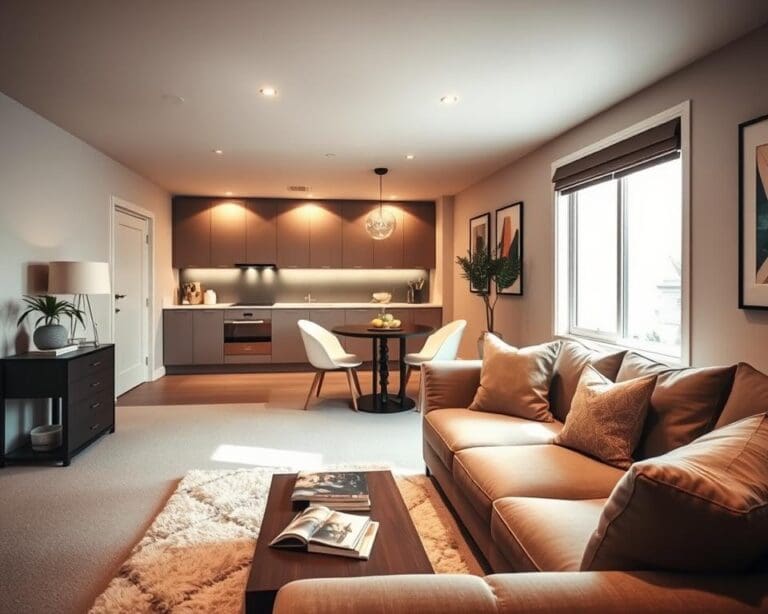
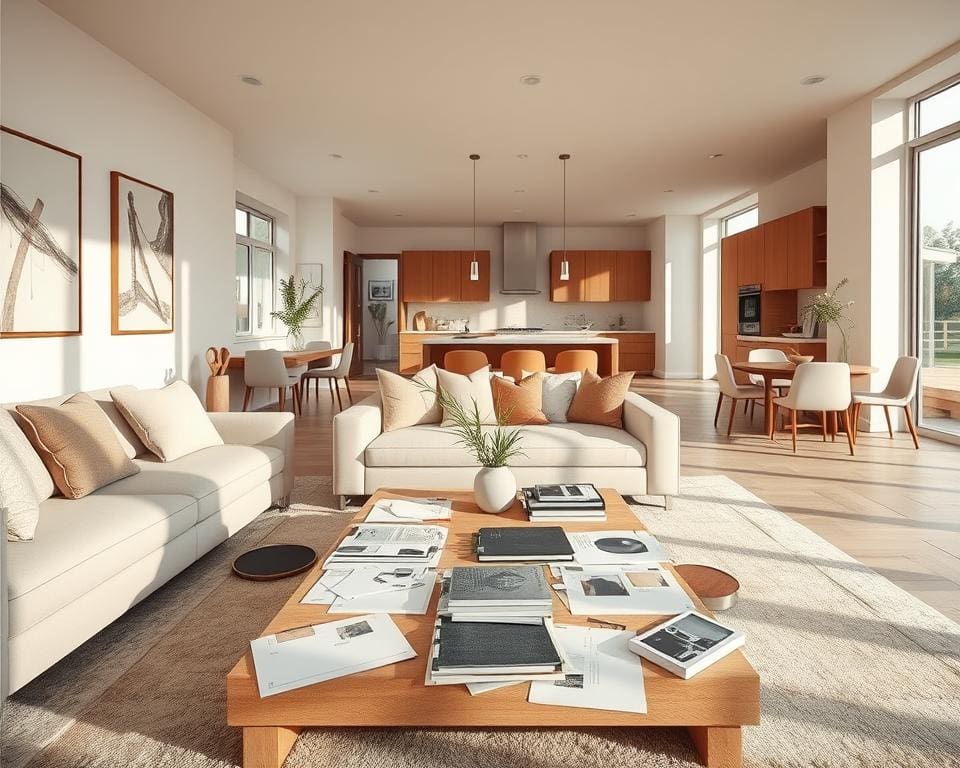
Decide where openness benefits daily life and where defined rooms keep order. Open-plan layouts suit sociable kitchens and living areas, creating a sense of space and making it easier to improve space circulation for family life.
Keep partitions where acoustic privacy or thermal separation matters, such as bedrooms and home offices. In older UK homes, preserve key features like fireplaces and cornices while reworking adjacent spaces to feel more connected.
Use non-structural solutions for flexibility: pocket doors, glazed sliding screens and half-height walls define zones without blocking light. These devices let you balance open-plan vs zones so rooms can adapt as needs change.
Optimising natural light and sightlines
Place social rooms on the south or west side to catch afternoon sun. Put service spaces to the north so daylight reaches the areas that benefit most. For flats with limited windows, concentrate living spaces on the best aspect to improve space circulation and comfort.
Share daylight deeper into the plan with internal glazing and mirrors. Glazed screens and doors move light between rooms while keeping privacy. Mirrors and pale finishes reflect light to enhance sightlines and make circulation feel effortless.
Storage-first thinking
Design storage early in the plan to free floor space and reduce clutter. Built-in storage strategies such as floor-to-ceiling cupboards, under-stair drawers and fitted wardrobes cut the need for bulky furniture and keep walkways clear.
Choose bespoke joinery from reputable UK cabinetmakers to fit awkward alcoves and preserve character. Pair built-in solutions with multi-purpose furniture, like ottomans with storage and extendable tables, to maintain a flexible, airy plan.
Adopt simple decluttering habits and a storage-led approach. When possessions have a place, rooms feel larger and movement becomes smoother, helping to improve perceived space and circulation throughout the home.
Materials, finishes and ergonomics to enhance comfort and style
Choosing the right materials and layouts turns a good redesign into a great one. Thoughtful finishes and ergonomic choices make spaces feel calm, easy to use and stylish. Below are practical ideas to guide decisions on durability, scale and long‑term running costs.
Choose finishes that balance durability and ambience
Pick finishes for home redesign that stand up to daily life while creating the mood you want. Engineered oak brings warmth and age‑resistance. Luxury vinyl tile options such as Amtico or Karndean offer hardwearing surfaces for busy zones.
Use tiles in kitchens and utility rooms where damp is a concern. Introduce wall finishes like feature paint, panelling or textured plaster to define zones without heavy building work. Vertical panelling, such as tongue‑and‑groove, adds warmth with minimal disruption.
Scale and proportion for furniture and fittings
Furniture scale matters for movement and comfort. Aim for furniture scale that respects room dimensions so pieces do not dominate circulation routes.
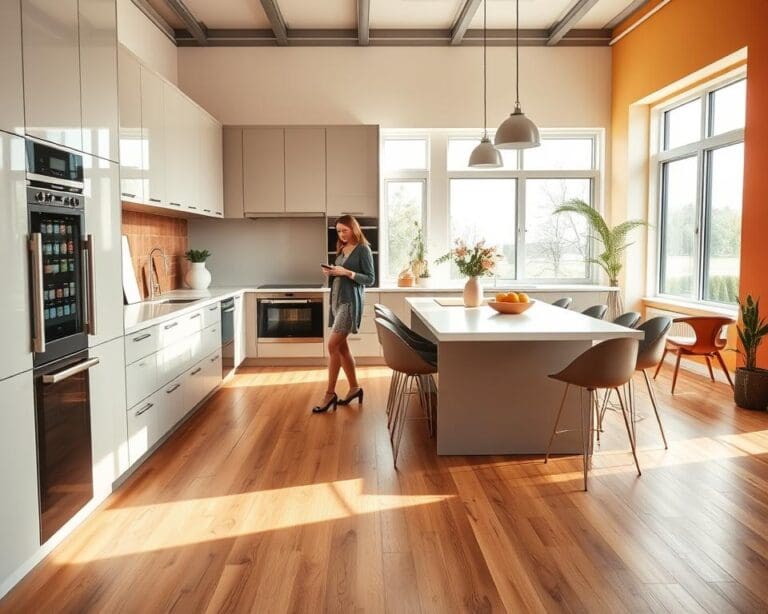
Keep primary walkways at 800–900mm and leave at least 600mm beside seating for comfort. Allow door swings and appliance clearances, including oven and dishwasher openings. Around islands and dining tables give enough room for chairs to be pulled out easily.
Choose sofas, beds and tables in proportion to room size. Oversized items can interrupt flow. Consider modular furniture to adapt to changing needs while keeping clearances intact.
Sustainability and energy efficiency
Opt for sustainable home materials and energy efficiency upgrades UK owners can rely on. Cavity wall and loft insulation reduce heat loss and lower bills. Upgrade glazing to double or triple panes where permitted by building regulations or conservation rules.
Fit zoned heating controls and smart thermostats such as Nest or Hive to manage comfort and running costs. Use low‑VOC paints, breathable finishes and FSC‑certified timber joinery to improve indoor air quality and lifecycle sustainability.
Choose long‑lasting finishes to reduce replacement cycles. Thoughtful material choice and simple energy efficiency upgrades UK households adopt will improve comfort and cut environmental impact over the building’s life.
Planning, costs and working with professionals
Before moving walls or changing room layouts, check whether your plans trigger planning and costs for layout changes or building regulations UK. Structural alterations such as removing a loadbearing wall, adding or relocating stairs, changing means of escape, upgrading thermal performance, or altering the external appearance can require consent. Internal, non‑structural work often only involves building regulations for services, but it is wise to confirm with your local authority or an approved inspector.
To lodge applications expect site surveys and, for major works, a structural engineer’s report. Building Regulations approval can be sought through your local council or an approved inspector; planning applications go through local planning portals. Allow statutory decision times — typically eight to thirteen weeks for full planning applications — and allow time for neighbour notifications where required.
For renovation costs UK, use broad ranges as a guide: minor non‑structural reconfiguration from a few hundred to around £5,000; removing a loadbearing wall with a steel beam and finishes £3,000–£12,000+; full kitchen/diner reconfiguration £10,000–£40,000+; creating or relocating a bathroom £5,000–£20,000+; and loft conversions or rear extensions running into tens of thousands or over £100,000. Regional variation is significant, so obtain multiple quotes and compare scope carefully.
When briefing an architect or interior designer, prepare measured drawings, an annotated priorities list, notes on lifestyle and entertaining, a budget band and timescale, plus visual references from Instagram or Houzz. Check credentials: look for RIBA membership for architects or Chartered Society of Designers membership for designers, review portfolios of similar UK projects, request references, and confirm professional indemnity insurance and workmanship warranties.
Project management tips help keep a job on schedule: appoint a single decision lead, set a clear contract (JCT or RIBA where appropriate), hold regular site meetings, agree milestone payments and document variations in writing. Aim for fixed‑price quotes when possible and use recognised trade bodies such as the Federation of Master Builders to find vetted contractors. Maintain a 10–20% contingency and prioritise spending on structural fixes and insulation for the best long‑term value.