Modern interior design UK has moved beyond looks to influence how we live, work and rest. This opening section asks a simple question: how do modern interior design trends shape living spaces across the United Kingdom?
Household patterns have shifted. Smaller families, more single-person households and an increase in multi-generational living, together with urban growth in London, Manchester and Edinburgh, demand flexible layouts. Rising remote and hybrid work also means homes must perform as offices, playrooms and quiet retreats.
Market signals underline this change. The Royal Institute of British Architects highlights adaptability in briefs, the British Retail Consortium notes stronger sales in multifunctional homewares, and Clerkenwell Design Week shows growing interest in sustainable finishes and tech-ready furniture. These indicators point to contemporary home trends that balance form and function.
This article will unpack definitions of “modern”, explore spatial and emotional effects, and examine material, colour and sustainability choices. It will finish with a look at technology, lighting and furniture that reshape everyday life, offering practical tips and living space design inspiration for homeowners, renters, designers and property professionals.
How do modern interior design trends shape living spaces?
Contemporary homes in the UK are changing how we live, work and relax. The modern interior definition UK has moved beyond strict Modernist rules. Today it blends clean lines with warmth, local craft and global influences. This shift shapes choices in layout, materials and daily routines.
Designers such as Studio McGee and British practices that restore Victorian homes show what contemporary home design meaning looks like in practice. Neutral bases meet bold accents. Integrated storage and an emphasis on provenance signal a modern approach. Natural light, uncluttered lines and sustainable materials guide many decisions.
Defining “modern” in contemporary UK homes
Modern in the UK is not a single style. It draws on Scandinavian simplicity, Japanese restraint and British heritage. The result is cosy minimalism with crafted detail. Homeowners expect practicality as much as beauty. This balance defines the contemporary home design meaning for many families.
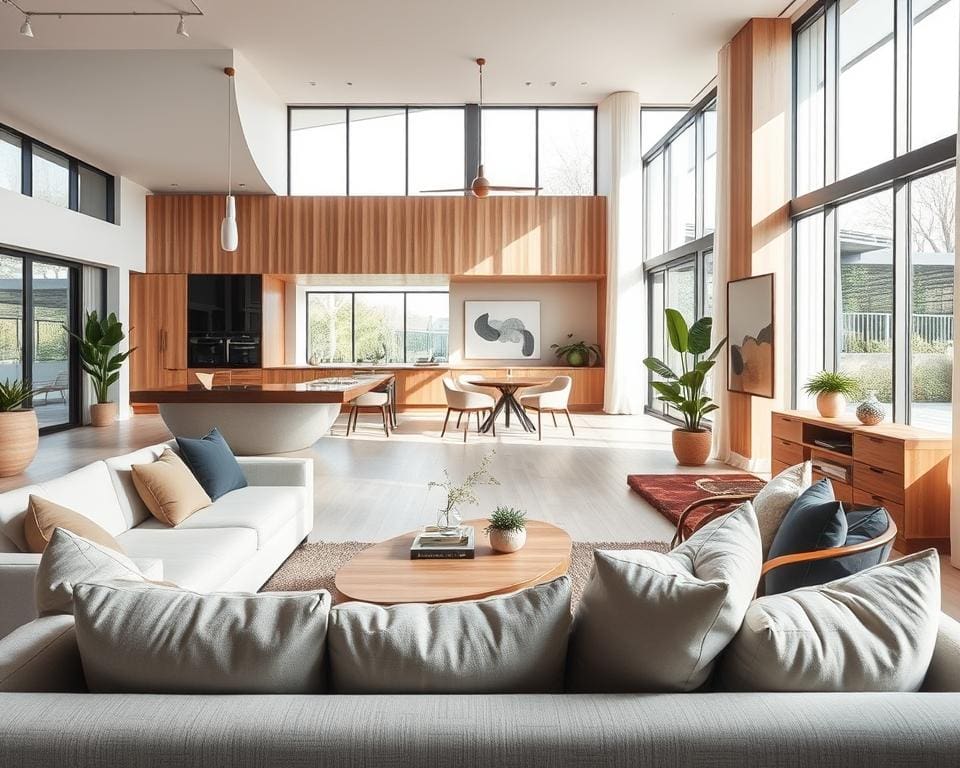
Hallmarks include a neutral palette, layered textures and built-in joinery. Architects who adapt period villas or convert warehouses prioritise daylight, flow and material authenticity. New-build flats interpret the same ideas through compact, efficient planning.
Spatial transformation through layout and multifunctionality
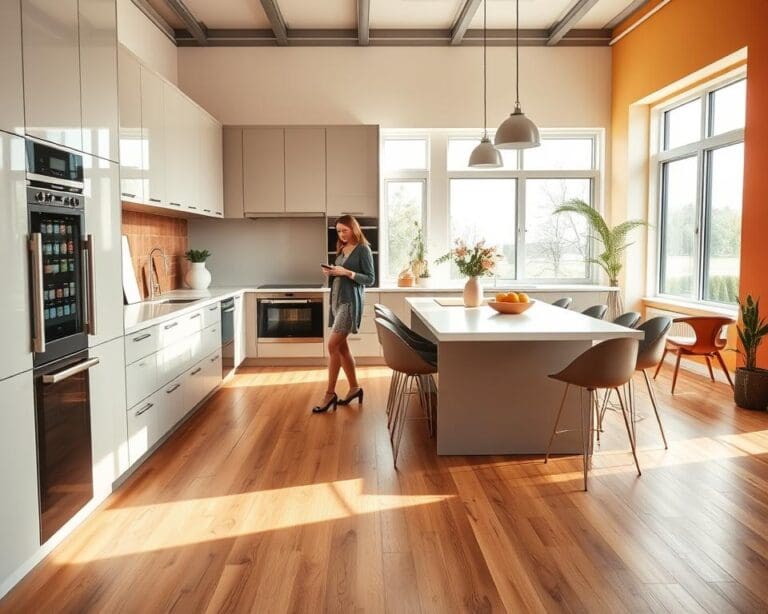
Smaller urban footprints and hybrid work create demand for open-plan living and multifunctional spaces. Single-use rooms are giving way to adaptable zones that change by hour or task. A kitchen-diner may double as an office during the day and a dining room at night.
Design strategies support this change. Sliding partitions and folding doors create privacy on demand. Bespoke cabinetry and modular systems from brands such as Made.com and Swoon provide concealed storage that keeps rooms calm. UK joiners produce tailored solutions that fit period proportions.
Practical issues guide these plans. Soundproofing supports work-from-home routines. Ventilation and daylight rules shape window placement. Conservation area controls can limit external changes, so internal ingenuity becomes key.
Emotional and behavioural impact on occupants
Layout and material choices influence mood and behaviour. Well-lit, decluttered spaces lower stress and boost concentration. Biophilic touches such as windows to nature and indoor plants improve wellbeing. These factors form part of the behavioural impact of interiors.
Rituals matter. Clear zones for work, rest and socialising help people switch roles during the day. This separation supports mental health in hybrid households. Design that considers accessibility and sensory needs promotes dignity across life stages.
Designers and homeowners who plan for inclusivity see long-term benefits. Thoughtful transitions, textured surfaces and acoustic planning support diverse households. The behavioural impact of interiors becomes a design priority rather than an afterthought.
Material, colour and sustainability trends influencing home aesthetics
Design choices now place material, colour and circular thinking at the heart of a room. Homeowners in the UK are choosing pieces that tell a story about origin and lifespan. This shift favours sustainable materials interior design UK and celebrates craft, repair and resale.
Natural and sustainable materials
FSC-certified timber, engineered oak and reclaimed beams are shaping contemporary schemes. British makers such as David Linley and smaller joiners emphasise provenance and long life. Recycled metals and ceramics appear in fixtures and fittings, offering character without excess waste.
Practical eco-innovations are entering mainstream use. Earthborn Paints and other bio-based paints reduce indoor toxins. Low-VOC adhesives, wool insulation and cork flooring add carbon-friendly credentials. Recycled glass worktops give durability with an ethical story.
Longevity sits at the core of circular interiors. Durable, repairable furniture from heritage British makers blends with upcycled finds from charity shops and online marketplaces. Choosing items that can be mended, reused or resold reduces demand for new production.
Colour palettes and finishes shaping atmosphere
Palettes for modern UK homes lean toward soft neutrals, muted greens and blues inspired by the landscape. Warm beiges and greys set a calm backdrop. Deeper accents such as terracotta and deep teal add depth and focus.
Finish choice alters mood as much as colour. Matte paints create a contemporary, serene feel. Brushed metals and natural stone textures convey tactility and weight. Brass and aged copper introduce warmth and a handcrafted touch to living spaces.
Farrow & Ball and Dulux continue to guide seasonal shifts. A painted accent wall or coloured cabinetry can redefine proportions and bring fresh energy without major renovation. These interventions support current colour trends 2026 UK while remaining timeless.
Textiles, patterns and tactile layering
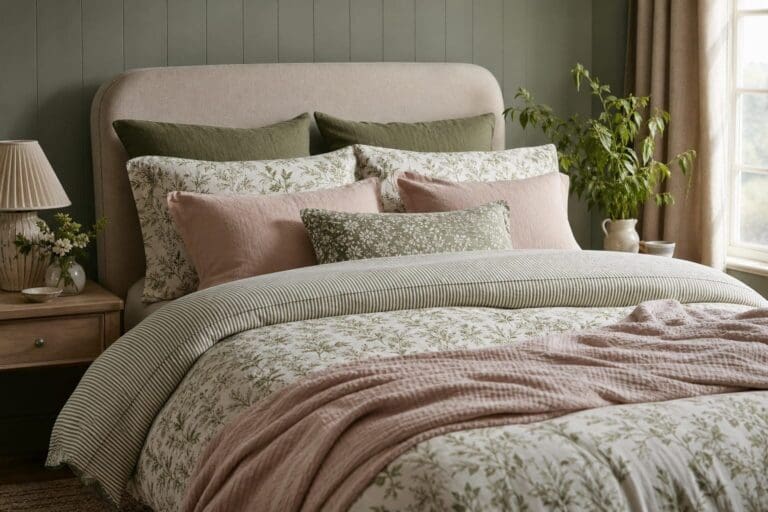
Textiles deliver comfort and acoustic benefit in open-plan homes. Wool rugs, linen curtains and organic cotton cushions provide texture and breathability. Blended performance fabrics handle high-use areas and stay soft to the touch.
Pattern choices favour subtle geometrics and heritage motifs reworked in modern tones. Checks, herringbone and restrained florals work best when scaled sparingly. One or two statement patterns perform well when balanced with plain textures.
Practicality matters for family life. Stain-resistant finishes, washable cushion covers and acoustic panels keep rooms usable and calm. Thoughtful interior textiles layering creates depth while meeting everyday needs and complements eco-friendly finishes throughout the scheme.
Technology, lighting and furniture design that reshape everyday living
Smart home design UK has moved from novelty to norm. Systems such as Nest thermostats and Hive heating now sit alongside integrated speakers and discreet security cameras. Bespoke installers and interior-focused integrators hide wiring and panels so technology supports a room without dominating it. Energy-monitoring features and smart blinds add sustainability, while careful device selection helps manage data privacy.
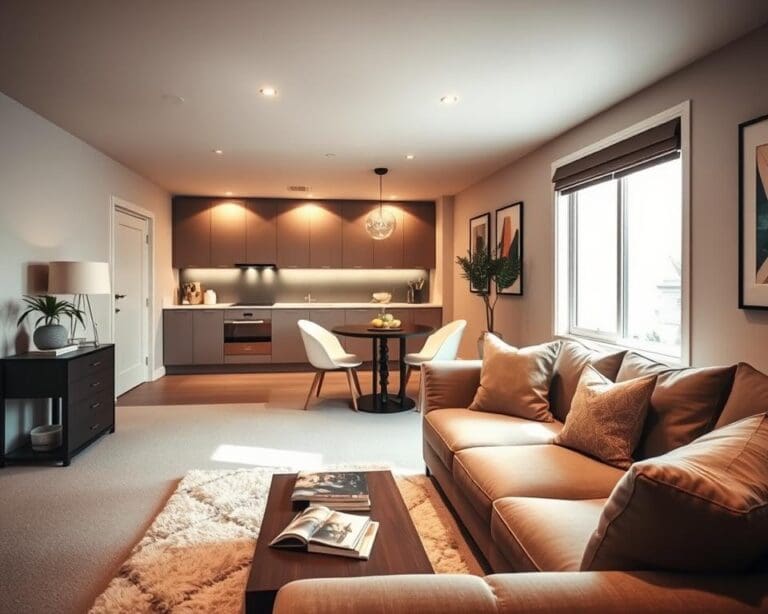
Interior lighting trends put mood and function at the heart of planning. A layered approach — ambient, task and accent lighting — with dimmable LEDs and adjustable colour temperature supports daily rhythms and lighting for wellbeing. British names in lighting design combine form and function, with pendant clusters, under-cabinet strips and integrated LED profiles in joinery becoming commonplace in contemporary kitchens and living rooms.
Furniture design multifunctional solutions are essential in modern UK homes. Convertible sofas, wall beds, extendable tables and modular shelving maximise small spaces without sacrificing style. Ergonomics matter too: adjustable desks and supportive seating from established British manufacturers help sustain posture during remote working. High-quality joinery and materials such as powder-coated steel and responsibly sourced timber marry craft with durability.
To future-proof a home, begin with a clear plan that prioritises function and resilience. Invest in sustainable finishes, embrace integrated technology interiors that remain discreet, and select adaptable furniture to suit changing needs. Consult accredited professionals, including RIBA architects or Chartered Institute of Architectural Technologists members, to ensure designs meet regulations and achieve cohesive, long-lasting interiors.