Colour psychology home explores how hues, tones and saturation shape feeling and behaviour in domestic spaces. The psychology of colour interiors shows that colour can alter heart rate, appetite and perceived temperature, and that those physiological effects translate directly into choices for living rooms, kitchens and bedrooms.
In the UK, colour in home design must account for variable northern light, common housing types such as Victorian terraces, semi‑detached homes and flats, and practical limits like period features, planning rules and rental agreements. These factors change how a shade reads on a bay window, a hallway or a compact kitchen.
This article will explain core theory, then guide you through building a palette and applying mood and colour to each room. You will learn how designers use colour to make spaces feel larger, highlight architectural detail and balance natural and artificial light.
Readers can expect practical outcomes: improved mood, better room function, optimised perception of space and light, and contemporary advice on colour choices for homes UK, from heritage tones to calming pastels and confident feature walls.
Psychological research underpins this approach, and leading brands such as Farrow & Ball, Dulux and Little Greene reference these effects in their palettes and trend forecasts for British homes. Together, science and design show how colour choices for homes UK transform both atmosphere and daily life.
How does colour psychology influence home design?
Colour in the home is more than decoration. It links wavelengths of light to the brain’s responses, shaping mood and behaviour. This short guide explains basic principles, practical tools and how choices change perception of rooms.
Defining colour psychology in interiors
At its heart, definition colour psychology interiors ties hue, value and chroma to emotional and physiological reactions. Hue names the colour, value notes lightness or darkness and chroma measures intensity. Temperature groups tones into warm or cool families.
Designers rely on colour wheels, tester pots and digital visualisers. They place swatches on walls at different times of day to see the effect of natural and artificial light. Practical tools help translate interior colour theory UK into confident choices for clients and homeowners.
Emotional and behavioural effects of colours
Evidence from psychology and design practice links specific palettes to common responses. Blues and greens often calm and lower stress, while reds and oranges increase energy and, in dining spaces, appetite. Yellows can lift mood, though high saturation may feel jarring.
Neutrals such as beige, grey and warm off-white provide a stable backdrop and read differently depending on undertone. Cultural background, past experience and room context change the emotional effects of colours, so testing is vital before committing to a scheme.
How colour choices shape perception of space and light
Colour perception space light matters when planning layout. Light colours reflect more light and make rooms seem larger and brighter. Darker shades absorb light and create intimacy or the sense of a smaller room.
Warm colours visually advance and make areas feel cosier. Cool colours recede and lend spaciousness. Orientation and daylight also alter appearance; north-facing rooms often gain warmth from creams and soft yellows, while south-facing rooms can carry deeper greens or slate blues with ease.
- Use tester pots on different walls to check colour under various light.
- Match palette to function: restful tones for bedrooms, lively hues for social spaces.
- Remember interior colour theory UK when choosing finishes and textiles.
Choosing a colour palette to create mood and atmosphere
Choosing a colour palette shapes how a home feels. A carefully chosen palette for mood UK homeowners will guide decisions about light, texture and furniture. Start with the effect you want, then bring in temperature, accents and finish to refine the scheme.
Warm palettes use reds, oranges, warm yellows and warm neutrals to make spaces feel intimate and energetic. They suit sociable rooms and kitchens when applied with restraint. In dim, north-facing rooms a soft warm hue or warm neutral brings cosiness. Use testers from Farrow & Ball or Dulux to see how light alters warmth.
Cool palettes rely on blues, greens, violets and cool greys to promote calm and clarity. These tones create a sense of space in bedrooms, bathrooms and home offices. South-facing rooms with strong daylight take cooler choices well, which balances exuberant light. Avoid an overdose of desaturated grey; bring in texture or a single warm accent to prevent a muted feel.
Warm versus cool palettes and their psychological impact
Warm vs cool colours psychological impact shows up in mood and behaviour. Warm hues stimulate conversation and appetite. Cool hues support focus and restfulness. Select the temperature to match room use and natural light.
Combining neutrals with accent colours for balance
Neutrals act as a canvas and link rooms. Popular British neutrals include off-whites, warm greiges and mid greys with clear undertones. Use accent colours neutrals to create focal points with cushions, artwork or a feature wall.
Try a 60-30-10 rule: dominant neutral 60%, secondary 30%, accent 10%. Homeowners who prefer bold looks can shift those ratios for more drama. Little Greene tester pots and Dulux Colour of the Year collections help trial combinations before commitment.
Using tones, tints and saturation to refine atmosphere
Understand the vocabulary: tints blend a hue with white, shades add black and tones mix in grey. Saturation measures intensity. Lower saturation or muted tones create calm sophistication. Higher saturation brings vibrancy and theatre.
Use tones tints saturation interiors to fine-tune how a room reads at different times of day. Light tints open compact spaces. Deep shades give depth and cosiness in larger rooms. Test finishes too; matte, eggshell and satin change perceived depth and warmth.
- For open-plan homes use muted tones to ensure flow.
- Reserve high saturation for small, deliberate accents or snug rooms where energy is wanted.
- Sample across finishes and view at different times of day before committing.
Practical applications of colour psychology in different rooms
Applying colour psychology by room helps you pick shades that match how you live. A thoughtful palette can lift mood, support routines and make spaces feel purposeful. Below are practical ideas for each key area of a UK home.
Living spaces
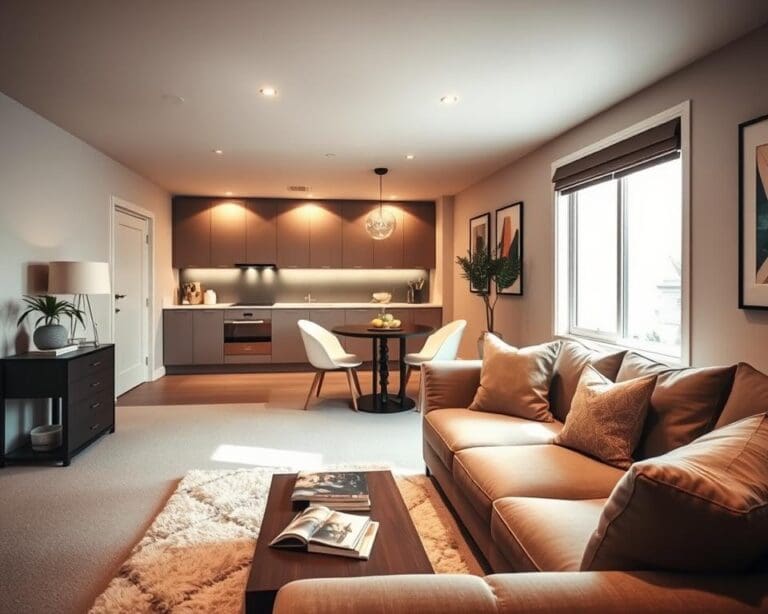
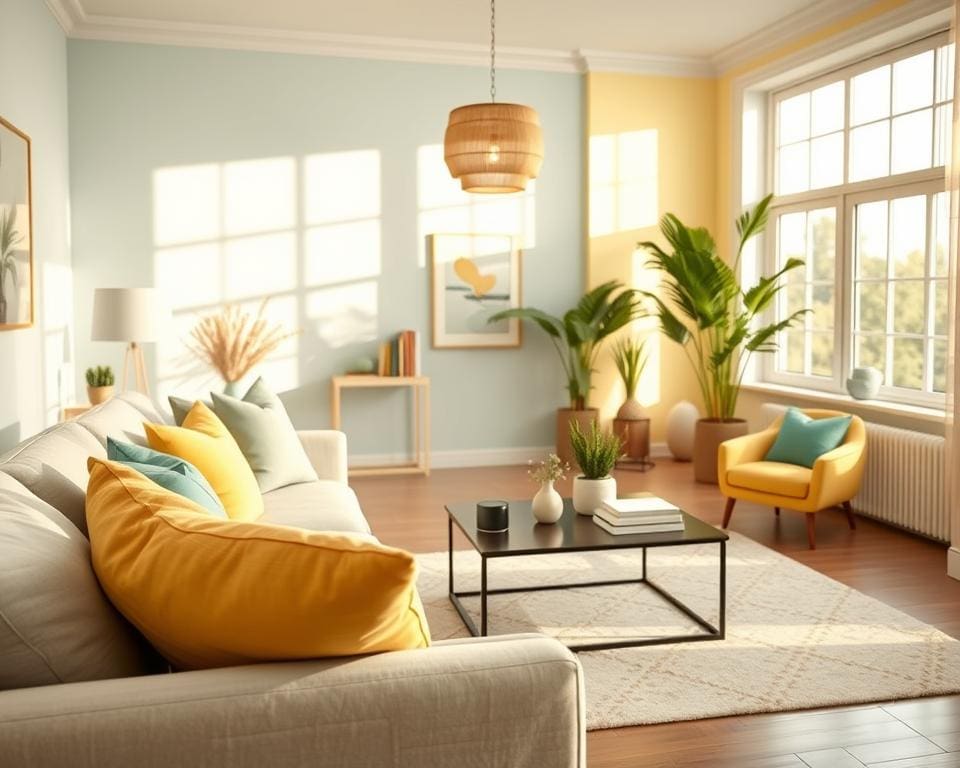
For communal rooms choose warm neutrals or soft blues and greens to balance sociability and relaxation. Use warm accents such as terracotta or ochre to add energy without overwhelming. Open-plan living rooms work well with a cohesive neutral base and zoned accents to define dining, lounging and kitchen areas.
Practical tips: pick washable paints for high-traffic walls and layer textiles and adjustable lighting to shift the mood from lively to cosy. For UK homeowners seeking living room colour ideas UK, focus on tones that adapt from day to night.
Kitchens and dining
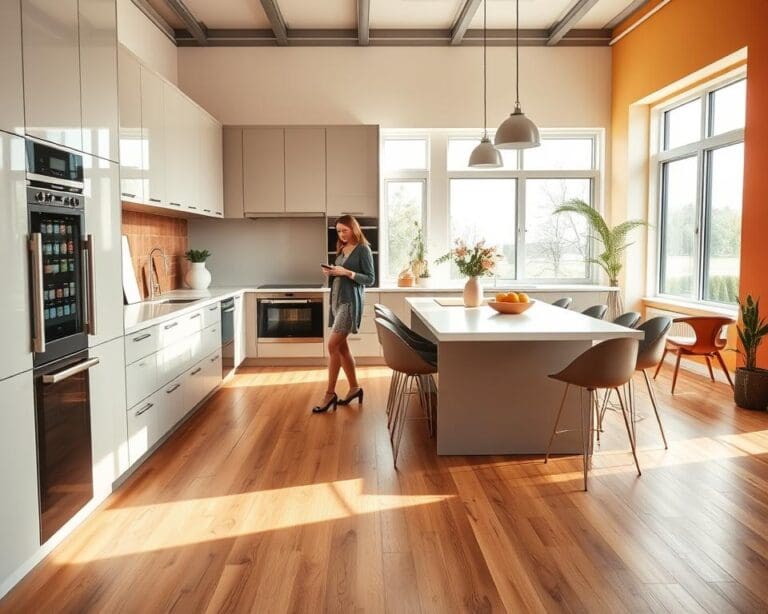
Kitchen colours appetite and conviviality when you select warm reds, rich oranges or golden yellows. Greens like sage and olive suggest freshness and suit a modern British food culture. Deep blue or forest green cabinets make a stylish, durable choice that hides wear and pairs nicely with stone worktops.
In small kitchens, use lighter backsplashes and reflective surfaces to avoid a heavy feel. Ensure ventilation and task lighting keep the space bright and welcoming.
Bedrooms
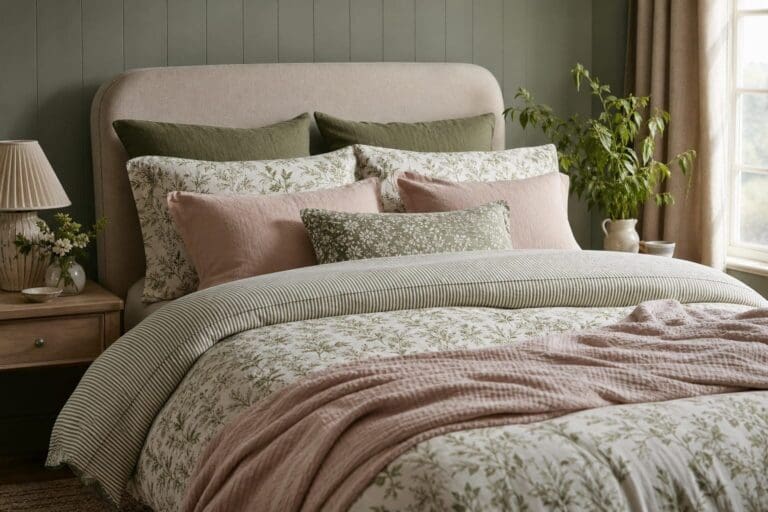
Choose bedroom colours for sleep that soothe: calming blues, soft greens, mauves and dusty pastels lower arousal and aid rest. Neutral warm bases can work when layered with soft textiles such as linen and wool.
Avoid high-saturation reds or bright yellows in sleep zones; use them only as tiny accents. Match colour temperature to room orientation and pair paint with blackout curtains to ensure true darkness at night.
Home offices and study areas
For concentration, select home office colours focus on cooler blue-greens that support sustained attention. Muted yellows or energising oranges suit creative studios where idea flow matters. Steer clear of aggressive reds that raise stress when long periods of focus are required.
Use a calm neutral background with a small area of bright colour for stimulation. Fit task lighting with a CRI of 90+ so colours read accurately under artificial light.
Bathrooms and utility rooms
Bathroom colour calm comes from crisp whites, pale blues and soft greens that convey hygiene and serenity. Dark tiles add drama when balanced with lighter grout and fittings to keep a fresh look. Choose moisture-resistant, washable paints and consider grout and sealant colours as part of the palette.
High-contrast cues, such as coloured grab rails or contrasting tiles, help people with visual impairment find fixtures more easily.
- Use washable, durable finishes in busy zones.
- Layer textiles and lighting to change mood without repainting.
- Match paint choices to room orientation and function.
Styling tips, trends and cultural considerations for UK homes
Test paint samples at different times of day and on sizeable boards or a whole wall to see how light changes colour. Consider how flooring, joinery and textiles interact with your chosen hues; a green kitchen looks very different against oak than against pale grey. For budget-friendly updates, paint skirtings, doors or the ceiling to refresh a scheme without full redecoration, or try removable wallpaper and peel-and-stick tiles in rental properties.
Layer texture and material to soften flat colour palettes. Wood, brushed metal, woven textiles and houseplants add warmth and depth that complement cool or muted schemes. Use warm LED tones (2700–3000K) in living areas for cosiness and cooler light (3500–4000K) in task spaces to boost alertness; lighting is as vital as paint when styling with colour UK.
Keep an eye on paint trends 2026 UK: a return to heritage shades inspired by Farrow & Ball and Little Greene, earthy terracottas and ochres, muted pastels from Scandinavian minimalism, and jewel-tone accents for maximalist looks. Sustainability shapes choices too — low‑VOC paints and natural pigments are rising in prominence. Sources such as Dulux Colour of the Year and features in House & Garden and Grand Designs often preview these shifts in UK home colour trends.
Respect cultural colour considerations and local heritage. Colour meanings can differ across communities, so blend contemporary trends with personal and cultural preferences to make homes feel authentic and inclusive. For conservation areas or listed properties, consult local conservation officers and architects before changing external colours, and seek local decorators or designers for complex palettes; manufacturers’ visualiser tools from Farrow & Ball, Dulux and Little Greene are useful starting points.