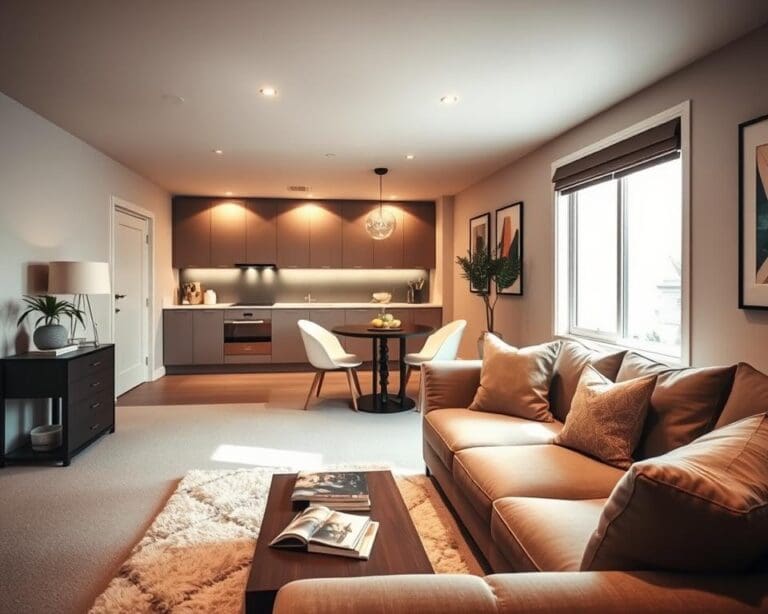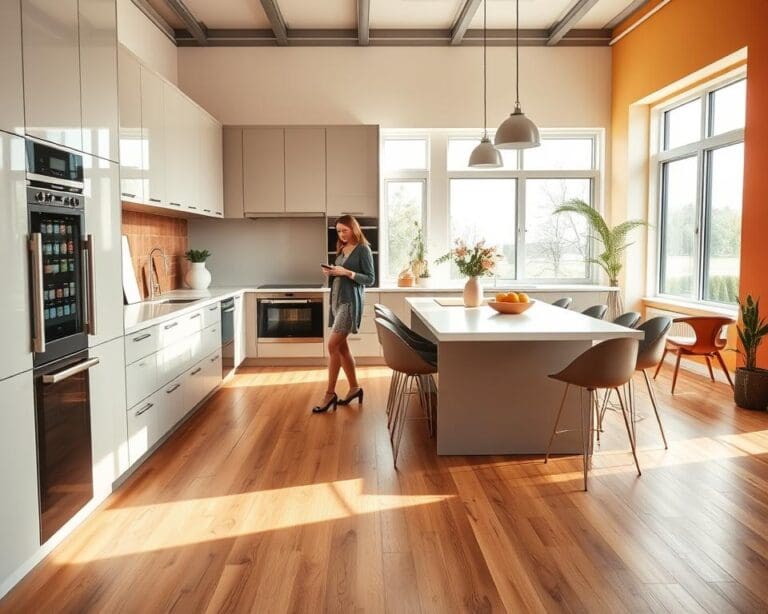
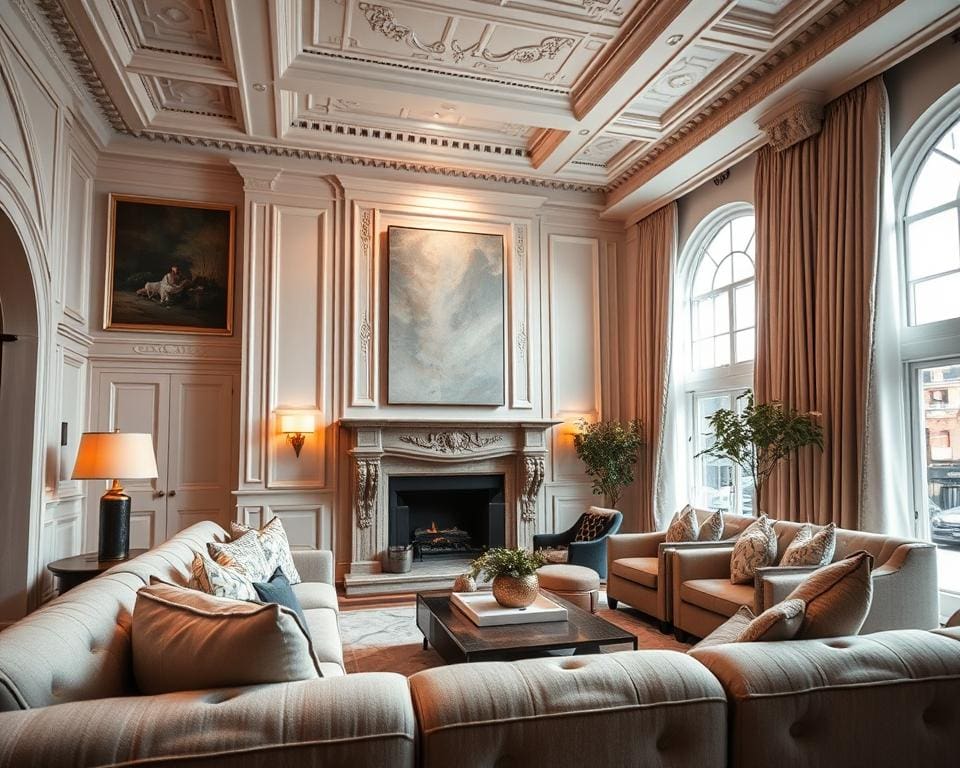
Architectural details do more than decorate; they shape how a home feels and functions. From cornices and architraves to bespoke joinery and glazed partitions, these interior architectural enhancements define scale, light and movement. In an architectural details living room, a simple change in moulding or a new fireplace can transform atmosphere and focus.
Across the United Kingdom, properties from Georgian terraces to mid-century houses respond well to considered detailing. Using traditional materials such as timber, lime plaster and cast iron alongside modern steel, aluminium and high-performance glazing allows homeowners to balance period character with contemporary needs. This balance is central to elevating home design while respecting a building’s original integrity.
This article combines design theory, the psychological impact of space, and practical examples. It draws on guidance from Historic England, RIBA principles on proportion and light, and trade practice from manufacturers such as Vicaima, Fletchers and British Gypsum. The aim is to help homeowners, renovators and interior designers identify which bespoke architectural features suit their property and how to prioritise interventions.
By understanding how detail influences perception and desirability, readers will learn to choose interventions that boost liveability and market appeal. Whether restoring period panelling or adding contemporary glazed partitions, the right architectural details can lift a room from ordinary to memorable.
How can architectural details elevate a living space?
Architectural details shape how a room looks, feels and performs. Defining architectural details means naming elements such as cornices and coving, ceiling roses, dado rails, architraves, skirting boards, built-in cabinetry, panelling, fireplaces and surrounds, window casements and sashes, French doors, glazing systems, thresholds, flooring transitions and bespoke joinery.
Defining architectural details clarifies the role of architectural features in both function and ornament. Architraves hide construction tolerances while framing doors. Sash windows and draught-sealed casements provide weatherproof glazing and thermal performance. Skirting and dado protect walls, and built-in cabinetry adds storage without clutter. When design elements explained include proportion, material and junctions, interiors work better.
Good detailing aligns with interior architecture UK practice and with RIBA guidance on proportion and circulation. Scale and materiality must suit the building’s style. Softwood or hardwood joinery, lime or gypsum plaster, engineered timber floors and stone hearths offer distinct tactile and visual results. Choosing FSC-certified timber, low-VOC finishes or reclaimed materials supports sustainability and longevity.
Psychological and emotional impact of well-considered detailing
Details influence mood through scale, symmetry and texture. High ceilings and ornate cornices can convey grandeur. Lower ceilings with warm panelling provide cocooning comfort. These emotional impact architectural details create a sense of calm, order or luxury depending on treatment.
Research in environmental psychology and neuroaesthetics links natural light, tactile finishes and coherent visual rhythm to reduced stress and improved wellbeing and interiors. Clear sightlines, thoughtful thresholds and accessible transitions follow RIBA’s inclusive design guidance and demonstrate the psychological effects of design in everyday use.
Real-life examples: period features, modern additions and hybrid approaches
Period features examples include Victorian bay windows, ornate cornices and original fireplaces restored with lime plaster and repaired sash cords. Historic England advises sympathetic repair and like-for-like reinstatement in listed properties.
Modern architectural details can be slim aluminium-framed sliding doors by manufacturers such as Schüco or Reynaers, offering thermal performance and light. Secondary glazing and insulation upgrades meet Part L requirements while protecting visible detail.
Hybrid architectural approaches blend old and new. A restored panelling scheme might sit beneath a contemporary rooflight from Velux to bring daylight into a deep plan. Adaptive reuse projects keep stone external walls and add insulated timber frames to create comfortable new rooms.
How details influence perceived value and desirability of a home
Architectural detail value often shows up in the market. Estate agents report that original mouldings, fireplaces and quality joinery boost property appeal and home desirability UK, especially in conservation areas and period terraces.
Buyer psychology favours features that seem hard to replicate. Well-preserved period detail and high-spec modern fittings both signal care. Small upgrades, such as reinstating skirting or replacing outdated handles, sit low on cost but can enhance perceived quality. Larger works, like restoring sash windows or installing bespoke panelling, may pay a stronger return in detailing and house price.
UK case studies from sympathetic refurbishments by practices such as John Pawson and Simon Conder show how restraint and technical care improve usability and market appeal. Professional joiners, plasterers and glazing specialists ensure longevity and reduce future maintenance anxiety, which helps to boost property appeal in competitive markets.
Key architectural elements that transform rooms
Small shifts in detail change how a room feels. Thoughtful choices in ceilings cornices UK or a simple decorative cornice can lift a low room. Consider ceiling treatment ideas such as recessed plaster, timber battens or dramatic mouldings to alter height perception interiors.
Ceilings and cornices: Deep cornices and traditional lime plaster cast shadow lines that add drama. Modern gypsum cornices and exposed timber beams suit contemporary schemes. British Gypsum supplies many plaster systems and skilled plasterers are needed when retrofitting to preserve authenticity.
Windows and glazing: Window design UK defines daylight, view and scale. Use glazing for light, transoms or a glazing wall to expand sightlines where planning allows. Improvements such as performance glazing or careful sash window repair boost thermal comfort and reduce noise.
Doors and architraves: Internal doors architraves UK frame movement and create thresholds that guide flow. Full-height doors and bespoke joinery doors raise perceived height. Choose hardware from trusted suppliers and add acoustic seals or FD30 doors where regulations demand.
Mouldings, panelling and built-ins: Decorative panelling UK and skirting and mouldings bring texture and rhythm. Panelling ideas range from tongue-and-groove to raised panels that conceal built-in storage design. Combine modular systems with bespoke joinery for crisp results and hidden services.
Fireplaces and focal points: A considered fireplace design UK anchors a focal point living room. Traditional surrounds and cast-iron inserts suit period homes. Modern fireplace options include linear gas or electric units and suspended stoves by makers such as Stovax. Observe hearth ideas, clearances and use registered installers for fuel appliances.
Flooring and thresholds: Flooring transitions UK and threshold details determine continuity and tactile pleasure beneathfoot. Timber flooring UK laid in herringbone adds rhythm. Use flush thresholds for level access or rebated thresholds for acoustic containment. Choose tactile flooring choices that match function and underfloor heating needs.
Each element links to the next. Use continuous cornice runs to unify open-plan spaces, align window proportion with furniture placement, and match door detail design to panelling for coherent framing transitions. Small, well-crafted interventions create lasting impact.
Practical strategies to introduce architectural detail in UK homes
Begin with a careful audit of your home to decide what to keep and where to intervene. Identify original features worth preserving, areas that feel flat and any structural limits. Prioritise changes that give the biggest experiential gains, such as improved daylight, window repairs or a clear focal point in a main room.
For small-scale, high-impact measures, reinstate skirting and architraves, fit picture rails or dado rails and add bespoke joinery like window seats or alcove shelving. A thoughtful paint scheme that uses contrast can deepen moulding and panelling, while well-chosen finishes bring out texture. These are practical ways to learn how to add architectural detail UK homeowners can achieve quickly and affordably.
Medium works include draught-proofing sash windows or upgrading to slim-profile double glazing, reconfiguring ceilings with panelling or recessed cove lighting, and introducing statement doors or full-height glazing to improve flow and daylight. Major interventions — such as enlarging openings for glass walls or a full restoration of period cornices and fireplaces — should involve a structural engineer and a RIBA chartered architect, and follow Historic England guidance where relevant.
Plan budgets and contractors carefully: obtain quotes from joiners, plasterers, conservation specialists and glazing installers, and consider a phased approach to spread cost. Use retrofit architectural features that improve energy performance while protecting visible detail, choose durable low-VOC finishes and FSC-certified timber, and create a visual brief before requesting detailed quotes. Practical budget detailing strategies, plus visits to showrooms and consultation with local professionals, will help you confidently introduce detailing at home and lift the character and value of your property.