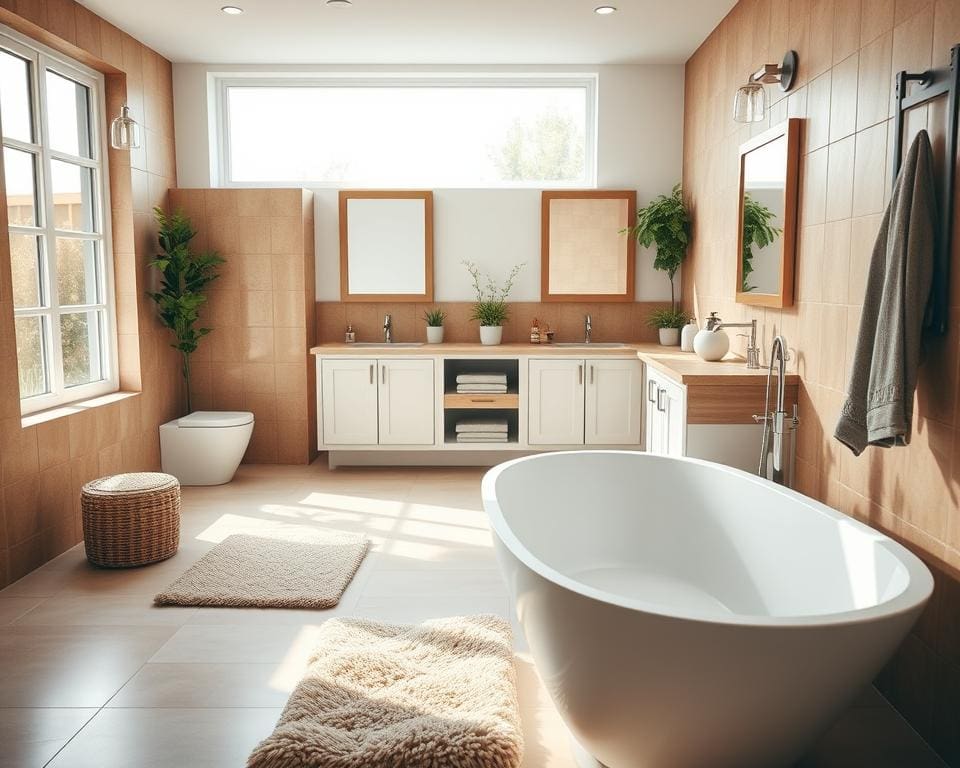
A thoughtful bathroom layout can change how you start and finish each day. In this section we ask how simple decisions about space and flow can improve daily comfort, and set an inspirational tone for bathroom design in the UK.
Daily comfort in a bathroom means more than appearance. It covers ease of movement, faster routines, lower stress, thermal comfort, acoustic privacy, safety and small sensory pleasures such as light, texture and scent. These elements together shape a comfortable bathroom layout that supports wellbeing at home.
Layout matters because spatial organisation underpins every other choice. Industry practice shows that good planning reduces clutter, speeds morning and evening rituals, and avoids conflict in shared homes. A clear bathroom flow informs fixture selection, storage design and lighting, so the room works as a cohesive whole.
Research from environmental psychology links domestic environments to mental health and sleep quality. A bathroom that supports rituals — a brisk morning refresh or a calm evening unwind — can lift mood and boost daily productivity. That connection makes bathroom layout ideas relevant to overall wellbeing at home.
For UK readers, many homes pose specific challenges: compact flats, terraced houses and period properties with awkward footprints. Clever planning and smart bathroom design UK can transform small or Victorian-era spaces into functional, restful rooms.
Across the article you can expect practical layout strategies, design elements that enhance comfort and wellbeing, and actionable planning tips for renovation or new build projects. These ideas will help you create a comfortable bathroom layout that truly improves daily comfort.
How can bathroom layouts improve daily comfort?
Thoughtful planning lifts a bathroom from functional to restorative. Good design shapes user flow, reduces friction at busy times and makes each visit calm and efficient. The following points set practical rules to improve everyday comfort while meeting UK standards and real-world habits.
Creating an intuitive circulation path
Bathroom circulation means the route people take from the door to the basin, toilet and shower. Clear sightlines and sensible spacing prevent awkward manoeuvres. Aim for 750–900mm clearances for single-person movement. Use 1,200mm where two people may pass.
Choose door types that protect the user flow. Sliding doors work well in compact en suites. Hinged doors with the correct swing avoid blocking fixtures. Position the basin near the entrance for quick handwashing. Place the shower or bath at the far end to contain moisture and give privacy.
Consider common layout patterns. A wet wall simplifies plumbing and suits small UK bathrooms. A gallery layout places fixtures in a line for narrow spaces. L-shaped or zoned plans offer separation for family bathrooms. Manufacturers such as Roca and Duravit publish ergonomic clearances to guide decisions.
Prioritising privacy and acoustic comfort
Privacy in bathrooms starts with door placement and sightline control. Use screens or partial partitions to shield the toilet from view. Choose obscured or laminated glazing to keep natural light while preventing visibility.
Plumbing noises, extractor fans and adjacent activity can disrupt a calm space. Improve acoustic comfort bathroom-wise by specifying insulated partition walls and acoustic underlay for floorboards. Fit silencers on fans and choose soft-close fittings to cut sudden sounds.
Household patterns shape requirements. Multi-occupancy homes benefit from sound-dampening partitions so one person can bathe in peace. Brands such as Knauf and British Gypsum offer acoustic linings. Manrose and other ventilation makers list quieter units suitable for sensitive households.
Optimising placement for accessibility and safety
An accessible bathroom layout follows universal design principles and, where applicable, Part M of the Building Regulations. Allow a 1,500mm turning circle for wheelchair users. Place controls and fittings at reachable heights and choose lever taps for ease of use.
Safe bathroom design reduces slips and prevents scalds. Specify non-slip finishes tested to BS EN standards. Fit thermostatic mixer valves and consider TMV2 or TMV3 where required. Include grab rails near wc and shower areas and level thresholds for wet-room conversions.
Plan fixture positions for lateral transfers and clear manoeuvring zones near doors. Walk-in showers and wet rooms give easier access for less mobile users. Trusted suppliers such as Mira Showers and Grohe offer approved accessible fittings and guidance on compliant layouts.
Design elements that enhance comfort and well-being
A thoughtful layout needs supportive design choices. Small decisions about light, storage and finishes shape daily comfort and reflect wellbeing design principles. Use these elements to make a bathroom feel calm, practical and resilient.
Natural light and ventilation strategies
Maximising daylight lifts mood and helps regulate sleep patterns. Fit high-level or narrow vertical windows and consider rooflights or solar tubes where privacy or planning limits wall glazing. Place mirrors to amplify daylight without compromising privacy.
Good ventilation protects finishes and prevents mould. Select extract fans sized to room volume and duty (l/s) that meet Building Regulations Part F. For quieter, smarter control, choose humidity-sensing or timer units. Passive ventilation, trickle vents and, in high-performance homes, MVHR systems from manufacturers such as Nuaire add energy benefits.
Use low-energy LED fittings that simulate daylight for morning routines. This keeps energy use low while supporting a bright, natural light bathroom environment and meeting modern sustainability targets.
Storage solutions integrated into the layout
Clear storage reduces visual clutter and speeds routines. Plan zones for daily items, linen and cleaning products so essentials sit near the basin or shower. Built-in niches, recessed medicine cabinets and vanity drawers keep counters free and accessible.
Use tall linen cupboards to preserve circulation and overhead storage where ceiling height allows. Pull-out organisers, soft-close drawers and labelled shelving help those with mobility needs. Consider bespoke joinery from local carpenters or modular systems such as IKEA’s GODMORGON and Neptune to suit compact UK footprints.
These bathroom storage ideas keep spaces tidy while supporting calm rituals and efficient movement around the room.
Material and finish choices that complement layout
Choose materials that feel warm under hand and stand up to moisture. Matte surfaces reduce glare and textured tiles improve grip. Use MR MDF or moisture-resistant boards for joinery and porcelain tiles in wet zones for durability.
Light palettes expand perceived space and reflect light, while contrasting tones help users with reduced vision. Place tactile finishes where people touch most, such as benchtops and grab rails, and put harder-wearing surfaces on floors and in showers.
Select low-VOC paints, responsibly sourced timber and accredited tiles for sustainable bathroom finishes. These bathroom materials support wellbeing design by balancing comfort, maintenance and environmental care.
Practical planning tips for renovating or designing a comfortable bathroom
Start with a short pre-design checklist to guide planning a bathroom layout. Note who will use the room, daily routines, storage needs and any accessibility or ageing-in-place requirements. Survey existing constraints such as soil stack positions, structural walls, window locations and floor loading before moving fixtures or rerouting services.
Set a realistic budget and phase work sensibly: prioritise waterproofing and the core layout first, then finishings and bespoke storage later. When renovating small bathroom spaces, mock-ups or cardboard templates help verify circulation, sightlines and clearances before committing to plumbing changes.
Engage the right professionals early. Consult a structural engineer for wall removals, a qualified plumber for waste and hot-water alterations, and a certified electrician for lighting and underfloor heating. Ensure compliance with Building Regulations and Part P requirements, and request detailed drawings, product models, installation details and warranty information from contractors and suppliers.
Choose industry-standard waterproofing systems and insist on certified installers for tanking solutions such as Wedi or Kerdi. Plan layered lighting with task, ambient and accent sources and use IP-rated fittings near water. Finally, include accessible service points, select easy-clean finishes and schedule routine checks of grout and seals to protect the investment and uphold long-term comfort.