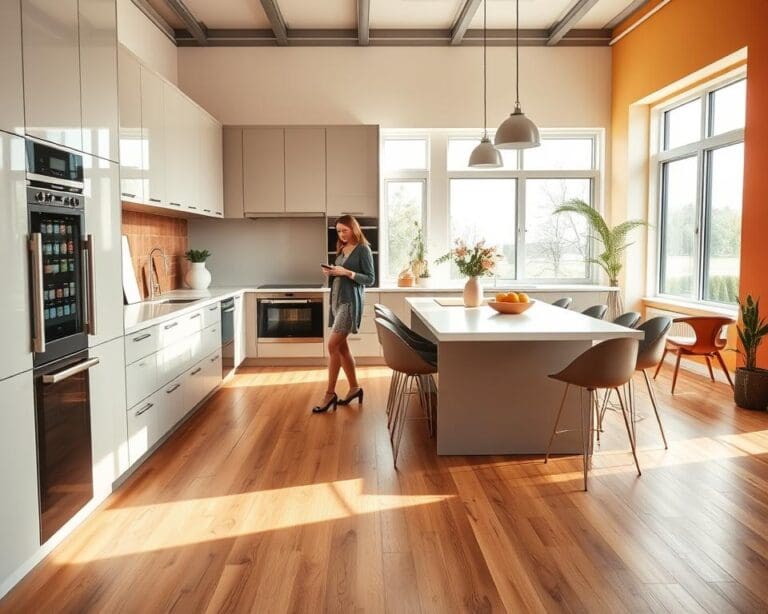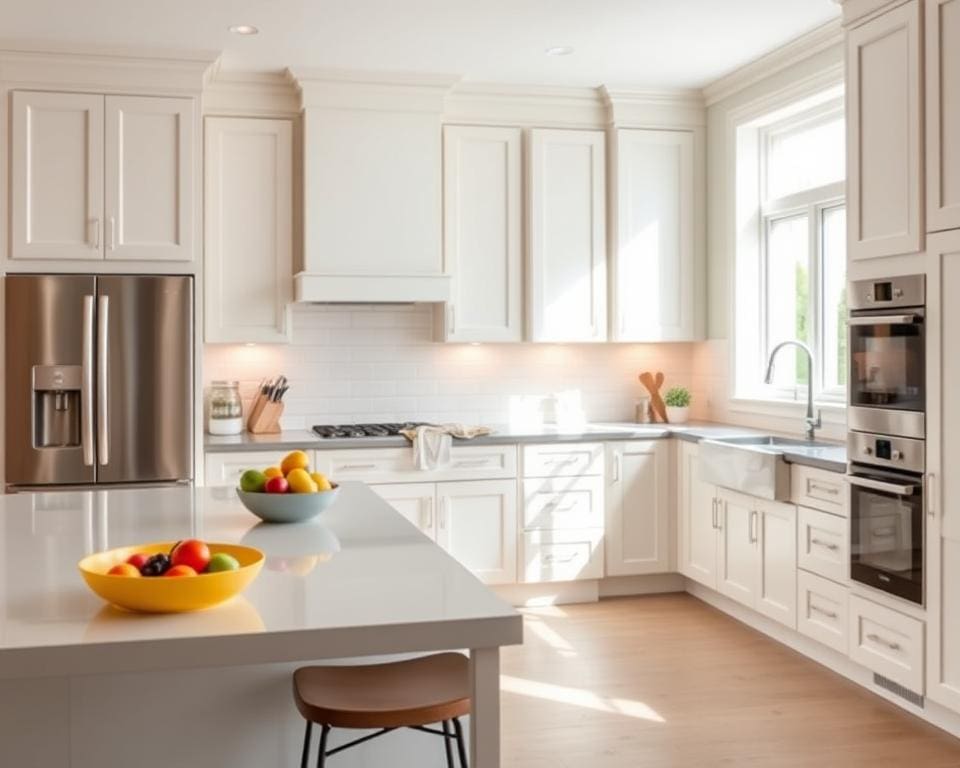
Want a fresh kitchen without tearing everything out? A focused approach to kitchen upgrades without remodel can deliver big impact for a fraction of the cost and disruption of a full renovation. Choosing targeted, low-cost kitchen improvements lets you upgrade kitchen on a budget, keep the household running, and still boost daily comfort and resale appeal.
Avoiding a full remodel is often smarter: it costs less, finishes faster, and usually needs fewer permits. Homeowners commonly seek improved aesthetics, smarter storage, modernized appliances, better lighting, and greater resale value. These goals align well with kitchen refresh ideas and quick kitchen makeover tactics that limit upheaval.
Start with a simple, phased plan: assess needs and prioritize aesthetic versus functional changes; set a realistic budget and timeline; pick focal points like cabinets, countertops, or lighting; and decide when to hire pros for painting, electrical work, or cabinet refacing. For reliable product comparisons and inspiration, consult Better Homes & Gardens, Houzz, and Consumer Reports, and visit local showrooms or big-box stores such as Home Depot and Lowe’s to compare finishes and pricing.
Research shows targeted upgrades often recoup much of their value at sale. For context on returns, see Remodeling Magazine’s Cost vs. Value Report and practical findings like those summarized by industry sites—this links to a useful resource on kitchen value: how kitchen renovations increase property value.
Keep changes intentional and modest. With clear priorities and thoughtful choices, you can achieve a quick kitchen makeover that feels new, works better, and avoids the time and expense of a full overhaul. These low-cost kitchen improvements can transform the heart of your home without breaking the bank.
Quick cosmetic upgrades to refresh your kitchen
A few focused updates deliver big visual impact without a full remodel. Fresh color on walls or cabinets ranks as the most cost-effective change. Choose durable, washable paints such as Benjamin Moore Aura or Sherwin-Williams Emerald for long-lasting results. Use satin or semi-gloss finishes on trim and cabinet faces to resist grease and make cleaning easy.
Paint and color strategies for a high-impact change
Light, neutral palettes—soft whites, warm grays, greiges—open tight spaces and brighten natural light. Try two-tone cabinetry with dark lower cabinets in navy or charcoal and light uppers to add depth. For a focal point, paint an island or an accent wall in forest green or deep blue.
Prep is crucial: clean surfaces, de-gloss existing finishes, sand lightly, and use quality brushes or a paint sprayer for smooth cabinet work. For timing and cost, DIY cabinet painting can take a weekend; hiring pros raises the price but delivers a flawless finish. Use cabinet painting tips like thin coats and proper curing time to avoid drips and uneven sheen.
Hardware and fixture swaps that look like a remodel
Replacing pulls, knobs, faucets, and light fixtures modernizes a kitchen quickly. Select finishes that work together—matte black, brushed brass, or satin nickel—to keep a coherent look. Measure cabinet door and drawer sizes before buying so hardware proportions feel right.
Shop trusted brands: Delta and Moen for faucets, Top Knobs, Amerock, and Liberty for pulls and knobs, Wayfair or Rejuvenation for lighting. Most installations are simple DIY tasks with basic tools. For plumbing changes that alter valves or lines, hire a licensed plumber to avoid issues.
Cabinet refresh techniques: refacing, painting, and open shelving
Options range from simple paint to full cabinet refacing. Painting is the most affordable route and works well for a weekend project when paired with good cabinet painting tips. Cabinet refacing replaces doors and veneer for a semi-custom look close to new cabinetry without the demolition.
Consider selective removal of upper doors to create open shelving. Use reclaimed wood or floating shelves with metal brackets to add warmth and display dishes. Style shelves sparingly to avoid clutter and keep storage functional. For complex refacing work, hire professionals and choose durable materials like solid wood or thermofoil doors.
Backsplash and countertop surface updates that are budget-friendly
Budget backsplash options include peel-and-stick backsplash tiles, beadboard, stainless steel panels, and tile stickers. Brands such as MSI and Smart Tiles offer peel-and-stick solutions that are renter-friendly and quick to install. Note that peel-and-stick backsplash products work best in low-splash zones and may not last as long as traditional tile.
To refresh counters, consider modern laminate options, epoxy resurfacing kits, concrete overlays, or butcher block overlays for islands. Paint countertops with specialty kits for small surfaces if budget dictates; careful prep and sealing are essential for longevity. Each choice has trade-offs: epoxy can be durable but tricky to apply, while butcher block needs regular oiling.
- Quick wins: a coordinated kitchen hardware update and new light fixtures.
- Weekend projects: cabinet painting with proper prep and paint sprayer use.
- Medium investment: cabinet refacing or a professional countertop overlay.
- Rental-friendly: peel-and-stick backsplash for instant style with minimal commitment.
For more hands-on ideas and simple DIY approaches to shelving, decor swaps, and paint techniques, see a practical guide on small projects and storage solutions at home upgrade ideas.
How can you upgrade your kitchen without a full remodel?
Start with a short kitchen refresh checklist to map problems and priorities. Note layout pain points, storage gaps, lighting dark spots, appliance age, and the cosmetic finishes you want to change.
Set a clear budget and timeline. For a quick refresh, plan $200–$1,000 for paint, hardware, and small kitchen improvements. Mid-level upgrades run $1,000–$5,000 for a backsplash, better lighting, or quality faucet. High-impact non-remodel kitchen ideas fall between $5,000–$15,000 for professional cabinet refacing, a new sink, or custom shelving.
Time estimates help you pick projects that fit your schedule. Weekend projects include painting and hardware swaps. One- to two-week jobs cover backsplash install or countertop overlays. Two- to six-week efforts suit cabinet refacing and professional electrical or plumbing work.
Decide what to DIY and what to hire out. DIY-friendly tasks are painting, hardware swaps, shelving, and peel-and-stick backsplashes. Hire pros for electrical rewiring, gas work, plumbing, cabinet refacing, and complex countertop overlays.
When hiring contractors, check licenses and insurance. Read reviews on Angie’s List or Houzz, ask for references, and collect three written quotes before committing.
Prioritize focal points that deliver high perceived value. Focus on cabinets, countertops, lighting, and appliance finishes. Pair visual changes like fresh paint and new hardware with functional upgrades such as pull-out drawers and under-cabinet lighting for the most impact.
Know when permits are needed. Most cosmetic work does not require permits. Any electrical rewiring, gas line changes, or structural work usually does. Call your local building department if you are unsure.
Choose sustainable materials when possible. Use low-VOC paints, LED lighting, and consider recycled or salvaged wood for shelving and countertops. These choices support durability and appeal to eco-conscious buyers.
For inspiration, browse Pinterest boards and Instagram profiles from designers such as Emily Henderson and Studio McGee, and visit local showrooms for samples that help finalize your plan for a smart, achievable upgrade kitchen without remodeling.
Functional and styling upgrades to improve usability and appeal
Start with kitchen organization upgrades that make daily tasks easier. Install pull-out shelves and deep-drawer organizers from brands like Rev-A-Shelf to improve access to pots and pans. Add vertical dividers for baking sheets, lazy Susans for corner cabinets, and drawer inserts for utensils. Measure cabinet interiors—account for hinge clearance and drawer slide depth—before ordering to ensure a smooth fit.
Lighting transforms both function and mood. Layer ambient overhead lights with task under-cabinet lighting such as Philips Hue strips or commercial LED strips, and add accent pendants over an island. Choose color temperatures thoughtfully: 2700K–3000K for warm ambience and 3000K–4000K for neutral task lighting. Dimmable LEDs save energy, last longer, and integrate with smart systems for convenient control.
Update appliances and tech without a full replacement. Cosmetic fixes like stainless steel stick-on panels or new appliance handles can freshen older units. Replace one item at a time—swap an old microwave or dishwasher for an energy-efficient model. Add smart plugs for small appliances, Moen or Delta touchless faucet retrofit kits, and under-cabinet Bluetooth speakers to boost convenience and modernize the space.
Finish with kitchen styling tips that maximize visual appeal. Use uniform Glasslock or OXO POP containers for pantry cohesion, curated dishware and plants on open shelving, and textiles—rugs, towels, window treatments—in coordinating colors. Practical upgrades such as roll-out trash bins, magnetic knife strips, over-the-sink cutting boards, and mounted pot racks free counter space. Regular maintenance—seal natural stone, oil butcher block, and schedule monthly grout checks—protects your investment and keeps the kitchen functioning beautifully.