Living in New York, San Francisco, or Chicago often means trading square footage for city life. To maximize space in a small apartment while keeping style, comfort, and function requires intention, not sacrifice.
Why this matters: rising urban rents and smaller floorplans make small space living the norm for many Americans. Efficient layouts and small apartment space-saving strategies reduce clutter, lower stress, and improve daily routines. Interest in compact living tips and apartment organization has grown as people seek calm, useful homes.
This article rests on three practical pillars. First, multifunctional furniture and clear zoning let pieces do double duty and make every square foot purposeful. Second, smart storage and organization systems—both products and habits—keep essentials accessible and out of sight. Third, design choices such as color, lighting, and reflective finishes create perceived space. We’ll also cover layout changes, targeted renovations, and lifestyle shifts to boost livability.
Here’s what to expect: section two covers furniture choices and zoning; section three digs into storage and organization; section four explains design, color, and lighting to open rooms visually; section five explores layout, renovation, and everyday habits that sustain a roomy feel. Along the way you’ll find compact living tips and small apartment space-saving ideas you can try immediately.
Before making big changes, measure carefully and experiment. Simple swaps—rugs, lighting, or a different sofa placement—often make the biggest difference. Use tools like Bosch or DeWalt laser distance meters, a tape measure, and free room-planning apps such as IKEA Place or Planner 5D to plan and test layouts.
Transforming a compact apartment can be empowering and creative. Small interventions and thoughtful apartment organization frequently yield dramatic gains in comfort and style.
How do you maximize space in a small apartment?
Smart furniture choices and clear zone planning turn tight layouts into flexible homes. Pick pieces that do double duty, keep sightlines open, and plan circulation so movement feels natural and unobstructed.
Adopt multifunctional furniture to multiply usable areas
Invest in well-made multifunctional furniture to boost utility without crowding the room. Consider sofa bed ideas from trusted brands such as Joybird, West Elm, and Article for stylish sleepers that pull double duty as seating and guest beds.
Look at wall beds from Resource Furniture or custom Murphy options by California Closets for a full bed that tucks away. Explore daybeds with trundles, nesting tables, and storage ottomans to add function while preserving floor space.
Assess trade-offs: mattress comfort, mechanism durability, and visual weight. Choose slim frames and lighter finishes from makers like CB2 to reduce bulk while keeping comfort and durability in mind.
Plan zones to make each square foot purposeful
Use rugs, lighting, and low shelving to define living, sleeping, and work zones without blocking light. Zone planning small apartment tactics, such as pendant lamps or an open KALLAX divider, make areas feel intentional while keeping openness.
Floating shelves and drop-leaf tables can act as subtle boundaries and work surfaces. Affordable options like the IKEA BRÄDA shelf work surfaces fit tight spots. For built-in efficiency, consult local cabinetmakers to tailor storage and seating to your plan.
Use scale, proportion, and circulation for a roomy feel
Choose furniture scale small rooms requires: smaller sofas, armless chairs, and pieces with exposed legs to create visual air. Maintain clear pathways of about 30 inches for main circulation to preserve flow to doors and windows.
Favor space-saving furniture with slim profiles, glass tops, and metal frames to lessen perceived weight. Measure doorways and elevators before purchasing larger items. Flat-pack or modular pieces ease transport through narrow stairwells.
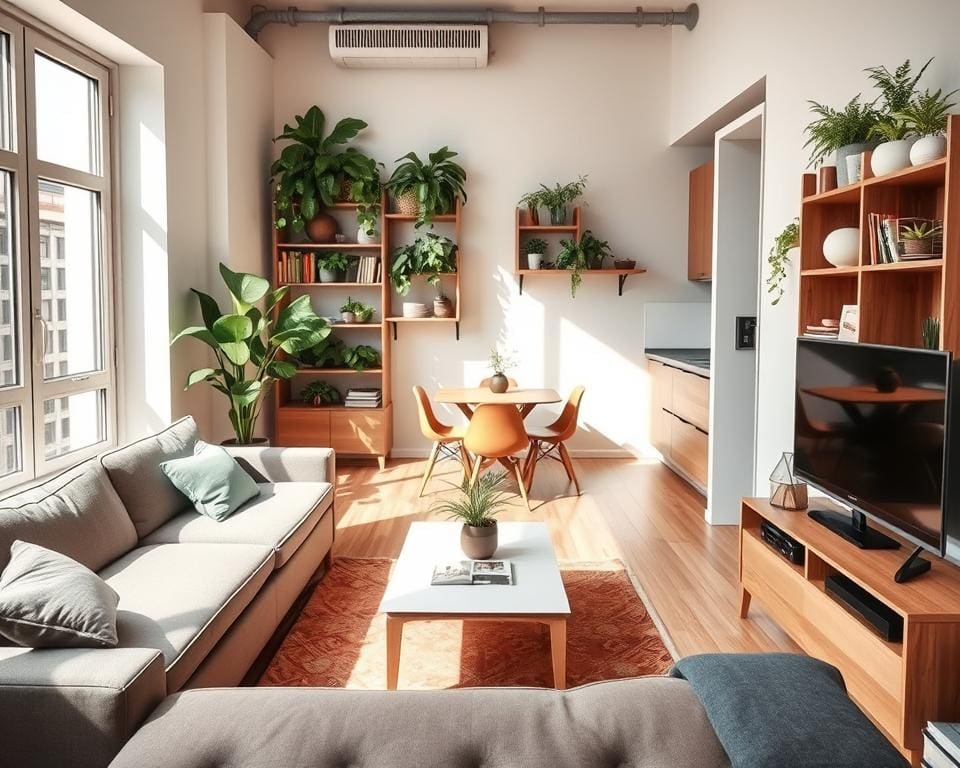
Layer vertically: floor seating and storage, midline shelves and tables, and tall plants or lighting. This strategy increases usable surfaces while keeping the main walking footprint clear.
For extra guidance on planning and decorating a compact home, see this practical resource: small apartment decorating tips.
Smart storage strategies and organization tips for small apartments
Great storage in a compact home comes from using vertical zones, hidden nooks, and simple habits that prevent clutter from returning. Choose systems that work with daily routines so essentials stay reachable and seasonal items stay tucked away.
Exploit vertical and hidden spaces
Install floor-to-ceiling shelving like IKEA BOAXEL or Elfa by The Container Store to store books, bins, and decor while freeing floor area. Secure tall bookcases to studs and add top-shelf bins for seasonal items you access rarely.
Use over-door organizers for shoes and accessories, and mount vertical bike racks to reclaim hallway or closet floor space. In the kitchen, a pegboard kitchen setup such as IKEA SKÅDIS or a pegboard from The Container Store keeps utensils and pans visible and off counters.
Declutter and curate to prioritize essentials
Adopt capsule wardrobe thinking and the one-in-one-out rule to keep closets functional. Try the Four-Box method: keep, donate, sell, trash. Donate items to Goodwill or local consignment shops when appropriate.
Measure under-bed clearance before buying under-bed storage. Use drawers on casters, vacuum-seal bags for seasonal bedding, or platform beds with integrated drawers to maximize under-bed storage. Clear bins with labels make seasonal swaps fast.
Organizational products that make a visual difference
Choose closet systems with adjustable shelves, double-hang rods, and pull-out shelves. Brands like Elfa and California Closets offer modular solutions that adapt as needs change. Use drawer dividers and modular inserts such as Joseph Joseph to tame small items.
- Slim rolling carts from mDesign or Seville Classics for pantry overflow
- Stackable clear bins and under-shelf baskets to expand existing shelving
- Magnetic knife strips, wall rails with hooks, and over-sink cutting boards to free counter space
Adopt a daily five-minute reset, label storage containers, and photograph packed boxes to remember contents. Use a simple note app or Google Sheet to track long-term storage. For electronics, wireless chargers from Anker or Belkin and cord management with Velcro ties reduce visible mess.
For a quick guide on combining vertical storage with smart curation, see a practical walkthrough at smart storage ideas. These small steps turn compact apartments into calm, usable spaces without extra square footage.
Design, color, and lighting choices to create perceived space
Thoughtful choices in color, pattern, and light make a small space feel open and calm. Use a consistent language across floors, trim, and key furniture to avoid visual breaks. That continuity helps small apartment design read as one flowing area instead of a patchwork of rooms.
Color palettes and patterns that visually expand rooms
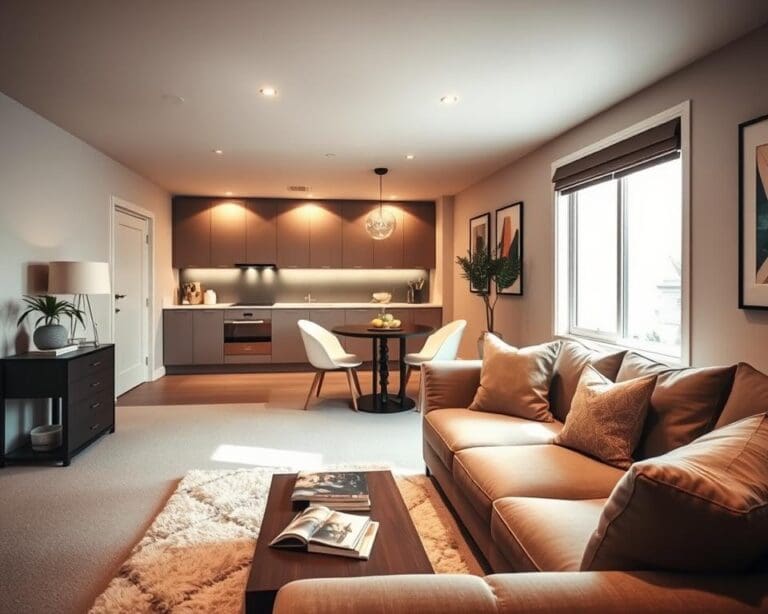
Favor light color schemes such as soft whites, warm beiges, pale grays, and muted pastels. A mostly monochromatic palette unifies adjoining zones and reduces visual clutter. Keep accent colors to pillows, small rugs, or a single accent wall to add personality without chopping the space.
Choose subtle textures like linen or boucle for large surfaces. Avoid big, busy patterns on sofas or curtains. Reserve bold prints for throw pillows, art, or a small rug to maintain balance.
Lighting strategies to open up a compact apartment
To maximize natural light, use sheer or translucent window treatments from brands such as West Elm or Pottery Barn and keep windows free of heavy furniture. Clean windows and trim exterior foliage so daylight floods the room. Arrange seating to face or flank windows instead of blocking them.
Adopt layering lighting by combining ambient fixtures, task lamps, and accent lights. Plug-in wall sconces and pendant lights free floor and table surfaces while delivering focused light. Brands like Schoolhouse Electric and CB2 offer options that pair form with function.
Mirrors and reflective finishes for added depth
Place mirrors opposite or adjacent to windows to amplify daylight. Large or full-length mirrors such as IKEA STAVE or West Elm metal-framed styles visually double the room. Mirrored closet doors work well where they fit the budget and layout.
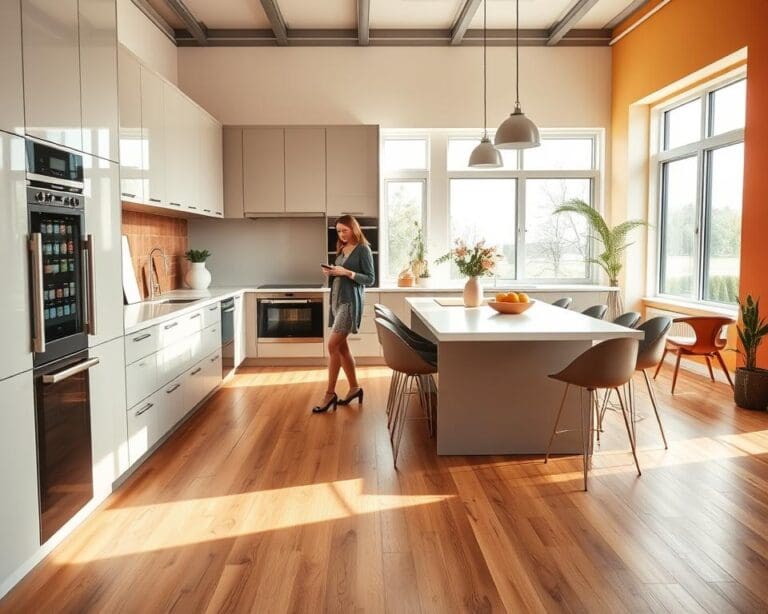
Use reflective finishes selectively: glossy cabinetry, metallic hardware, glass tabletops, or lucite pieces bounce light and open sightlines. Balance these with warm textures so the space feels inviting rather than clinical.
Practical styling matters. Keep artwork at eye level, use slim-profile blinds that tuck into frames, and choose area rugs that anchor furniture groups instead of scattering small rugs that chop the floorplan. Small moves like these make a compact apartment feel brighter and more expansive.
Layout, renovation, and lifestyle changes to maximize livability
Small apartment renovation can quietly transform how you live. Start with low-impact upgrades: swap swinging doors for pocket doors small spaces or sliding barn doors, and consider open shelving kitchen options to free visual weight. Built-in bench seating with storage and bypass closet doors give immediate gains without major upheaval.
When you think bigger, consult a licensed contractor and structural engineer before removing non-structural walls or widening doorways. The benefits include better sightlines, more natural light, and improved circulation, but vents, wiring, and plumbing often need relocating and permits vary by municipality. Make a floor plan, measure doorways, and budget for contingency costs before work begins.
Practical access solutions and lifestyle habits small home residents adopt matter day to day. For renters, removable sliding door kits or tension-rod curtains save space. Design a drop zone with a slim console, wall hooks, and a key tray; affordable pieces from IKEA, Target, or HomeGoods make this easy. Rotate furniture seasonally and keep a weekly tidy reset to preserve usable surfaces.
Buy and dispose with intention: measure rooms before purchasing, favor multifunctional pieces, and sell or donate items via OfferUp or Facebook Marketplace. Embrace compact routines like a capsule wardrobe or limited cookware sets and research local storage units only when necessary. Follow a final checklist—measure, plan, check building rules, and get permits—and you’ll find a small apartment can feel calm, open, and fully livable.