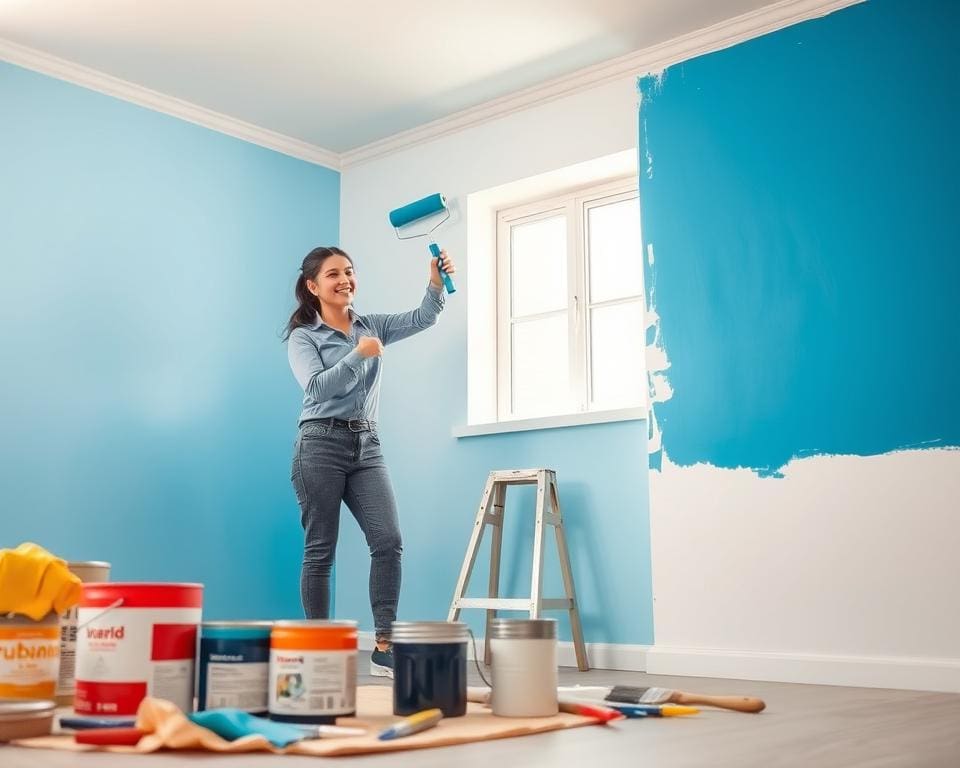
Painting a room like a professional is less about talent and more about planning, the right tools, and steady technique. This short room painting guide promises practical steps so homeowners across the United States can get durable, low-maintenance finishes that improve daily comfort and boost resale appeal.
Why finish matters: the right color and execution change mood, make spaces feel larger or cozier, and protect surfaces for years. Priorities like durability, low-VOC paints for healthier indoor air, and easy-clean finishes drive better long-term value when you paint a room like a professional.
What you will achieve here: accurate paint estimates, fewer mistakes such as bleeding or lap marks, crisp edges, smooth surfaces, and efficient workflows that lead to a polished reveal with hardware reinstalled and floors cleaned. These outcomes come from following a clear sequence: plan → prepare → paint → finish.
Many pro results are within reach if you follow the right order and use trusted brands when choosing products. Later sections will recommend options from Benjamin Moore, Sherwin-Williams, and Behr and explain how they fit different budgets and room needs.
This guide is organized into four parts to help you find what you need fast: project planning and preparation, professional painting techniques, tools and paint selection, and a step-by-step workflow with finishing touches. For more simple DIY inspiration and project ideas related to home upgrades, see this helpful resource from Evovivo: simple DIY projects.
How can you paint a room like a professional?
Great results start with clear planning. A simple plan saves time, cuts waste, and keeps the finish consistent from corner to corner. Use painting project planning to set a realistic schedule, list supplies, and decide when to test colors and finishes.
Planning your project for professional results
Choose paint color selection based on room use. Pick restful hues for bedrooms and durable mid-to-high sheen for trim and kitchens. Consider color temperature and undertones. Buy pint testers from Benjamin Moore or Sherwin-Williams and watch samples at morning and evening light before committing.
Estimate materials by measuring wall square footage: height × width for each wall and subtract windows and doors. Use estimating paint quantity with two finish coats plus primer. Typical coverage is about 350–400 sq ft per gallon, but double-check the manufacturer label. Budget for quality paints like Benjamin Moore Regal, Sherwin-Williams Emerald, or Behr Marquee to reduce coats and long-term maintenance.
Plan timing around drying times and environment. Allow prep days, then primer and paint with recommended intervals. Latex paints often dry to the touch in 1–2 hours and recoat in 4–6 hours. Oil-based products need longer. Keep temperature near 50–70°F and moderate humidity. Use a dehumidifier or heater when conditions are cool or damp.
Preparing the space like a pro
Start room prep for painting by clearing furniture when you can. If items must stay, move them to the center and cover with breathable canvas drop cloths. Use rosin paper or cardboard for protecting high-traffic floors. Use painter’s plastic for fixtures when taped correctly.
Inspect and repair surfaces before coating. Patch holes with ready-mix spackle like DAP or use setting joint compound for larger damage. Emphasize priming and sanding: sand patched areas with 120–220 grit for a smooth finish. Clean walls with a TSP alternative such as Krud Kutter or Simple Green to remove grease and smoke before priming.
Masking and taping techniques affect the final lines. Use FrogTape or 3M ScotchBlue and apply tape with steady pressure; seal the edge with a putty knife. For textured ceilings, use angled tape or a paint shield when cutting in. Remove tape at a 45-degree angle while paint is slightly flexible for crisp edges.
Professional painting techniques
Master the cutting in technique with a 2½–3-inch angled sash brush from Purdy or Wooster. Load the brush, brush off excess, and use short steady strokes to form a wet-edge barrier before rolling. Keep the wet edge between cut-in sections and rolled areas to avoid lap marks.
Use rolling tips for even coverage. Apply paint in a “W” or “M” pattern, then back-roll without lifting to smooth the coat. Match nap length to texture: 3/8″–1/2″ for smooth to light textures and 3/4″–1″ for heavy orange-peel or rough walls. Keep consistent pressure and reload the roller often to prevent thin spots.
Know when to prime. Use primer on new drywall, raw wood, heavy stains, or big color changes. Choose primers such as Zinsser Bullseye 1-2-3, Kilz Original, or BIN shellac for severe stains. Tint primer when shifting to deep colors to improve opacity and cut down on finish coats.
Tools, materials, and paint selection for expert finishes
Ready the right gear and the paint will follow. A concise painting tools list and careful material choices lift a job from good to gallery-ready. Use durable equipment, match the product to the surface, and plan for safety and cleanup.
Essential tools professionals always use
Start with the best paint brushes for trim and cutting-in. Choose 2½–3″ angled sash brushes from Purdy or Wooster for crisp edges. For water-based paints pick synthetic (nylon/polyester). For oil-based work, select natural-bristle brushes to get a smooth laydown.
Combine mini rollers and full-size frames. Keep 4″ mini rollers for tight spaces and a 9″ frame for main walls. Invest in quality roller sleeves like mohair or microfiber blends to reduce texture and keep a consistent finish.
Use threaded extension poles from Wooster to reach high walls without scaffolding. Pair sturdy trays or a spinner-bucket system with a grid when you want fast refills and less bending. Protect surfaces with canvas drop cloths and use high-adhesion tape such as FrogTape ultra for sharp lines.
Choosing the best paint and finishes
Decide between latex vs oil paint based on room use. Latex dries faster, cleans with soap and water, resists yellowing, and suits most interior walls. Oil-based paints give a hard, durable finish for trim but emit stronger VOCs and need longer cure times. Consider waterborne alkyds like Benjamin Moore Advance when you want oil-like durability with easier cleanup.
Follow a simple paint sheen guide to pick the right level. Flat or matte hides imperfections and fits ceilings and low-traffic walls. Eggshell works well in living spaces. Satin handles tougher rooms and trim. Semi-gloss and gloss suit cabinets, trim, and bathrooms where scrubbability matters. Keep in mind sheen shifts how color reads and how flaws appear on the wall.
Choose low-VOC paints when indoor air quality matters. Brands such as Benjamin Moore Natura, Sherwin-Williams Harmony, and Behr Premium Plus Low VOC offer options that reduce odors and exposure. Use these products for homes with children, seniors, or anyone with breathing sensitivities.
Advanced supplies that elevate the result
Use specialty primers and select the right caulk. Keep Zinsser BIN shellac primer on hand for stain blocking and tannin bleed. For glossy surfaces use a bonding primer. For trim gaps, choose DAP Alex Plus painter’s caulk and smooth it before paint dries.
Sand between coats with 120–220 grit sanding sponges to create an even surface for the next layer. Invest in reliable painter safety gear: NIOSH-approved 3M N95 or P100 respirators for general work, and respirators rated for organic vapors when using oil-based products or shellac primers. Add safety goggles and ventilation fans to the setup.
Keep a labeled leftover pint of mixed job color, a small foam brush, and a touch-up kit for future repairs. A clear labeling habit with room, date, and batch tint saves hours when matching color down the road.
Step-by-step professional workflow and finishing touches
Start with a clear, staged plan: clear the room, repair walls, clean surfaces, caulk trim gaps, sand and wipe clean. Apply primer where needed and allow the recommended cure time. This sequence sets the foundation for a professional painting workflow and reduces the chance of bubbles, lifts, or poor adhesion later.
On paint days follow a simple rhythm: cut in with an angled brush along top edges and corners, then immediately roll each wall to keep a wet edge. The cutting in vs rolling method maintains uniform coverage and prevents lap marks. Work wall-by-wall for solo projects or assign one painter to cut in while another rolls to move faster without cutting quality.
Inspect under varied lighting, sand light imperfections with 220–320 grit, then apply the second coat using the same cut-in then roll sequence. Light sanding between coats smooths texture and improves sheen uniformity. If you spot drips or uneven coverage, remove fresh drips with a brush or sand once dry and recoat; bubbles often mean contaminants or wrong primer and should be stripped and re-primed.
Finish carefully: pull remove painter’s tape at a 45-degree angle while paint is slightly soft, or score thick edges first to avoid peeling. Reinstall hardware after the paint cures and clean tools with a brush comb and roller spinner or by hand. Photographing finished room shots in natural light, from corners at eye level, showcases depth—share before/after images and note products and paint touch up tips to help others replicate the result. For broader remodel sequencing and structural priorities, see this practical remodeling primer on initial steps.