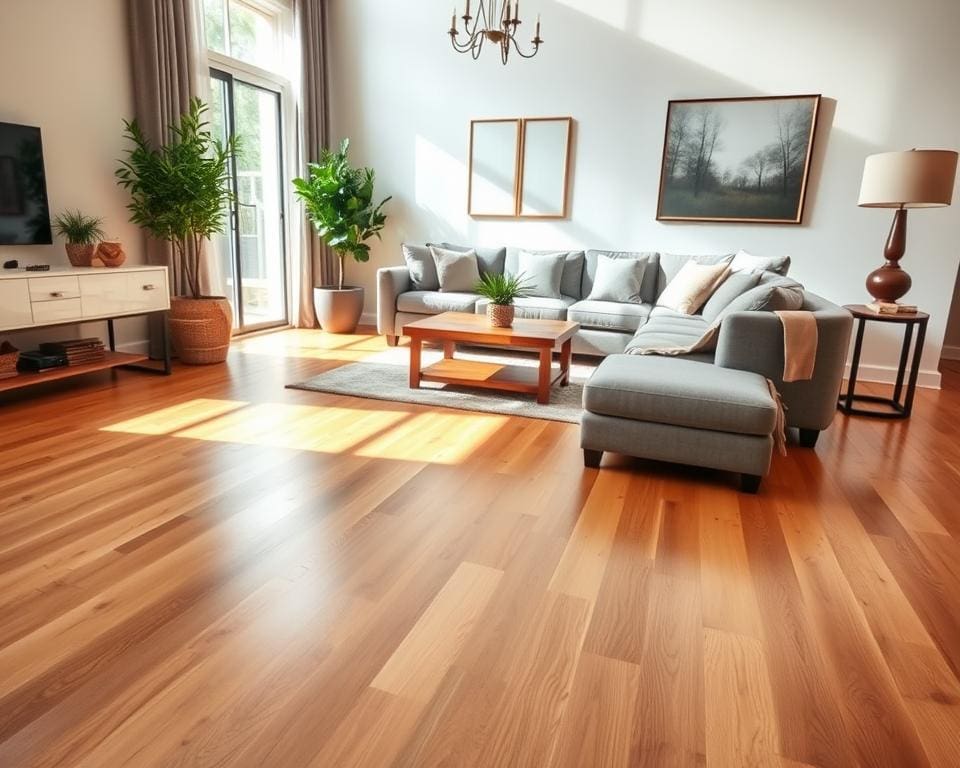
Hardwood floors blend timeless beauty with practical performance, making them a top choice for many homeowners across the United States.
Beyond visual warmth and character, hardwood flooring benefits include long-term durability and strong resale appeal. National reports from the National Association of Realtors and Remodeling Magazine regularly show that hardwood floors value holds up well compared with carpet or laminate, often delivering a solid return on investment.
For busy families and renovators, hardwood floor advantages extend to ease of maintenance, allergy-friendly properties, and the option to sand and refinish rather than replace. These qualities translate into decades of use and a lower lifecycle cost for the home.
This piece will explore the full range of hardwood floors US homeowners care about: increased home value, design versatility, durability, health and cleaning benefits, choices in species and finishes, and the installation and care considerations that make hardwood a smart lifestyle investment. Learn practical tips and real-world comparisons in the sections that follow, including guidance from practical resources like flooring options for busy households.
What are the benefits of hardwood floors?
Hardwood brings an immediate sense of warmth and quality to a home. Buyers notice polished planks in listings and open houses. That attention often translates into stronger offers and improved hardwood floors resale value.
Enhanced home value and resale appeal
Real-estate surveys regularly rank hardwood as a top feature for buyers. Homes with wood floors typically sell faster and can command higher asking prices. Realtors highlight hardwood in MLS photos because it signals low maintenance and lasting quality.
Refinishing an existing floor often restores market value at a fraction of replacement costs. Investors and sellers see strong hardwood ROI when they refresh rather than replace.
Timeless aesthetic and design versatility
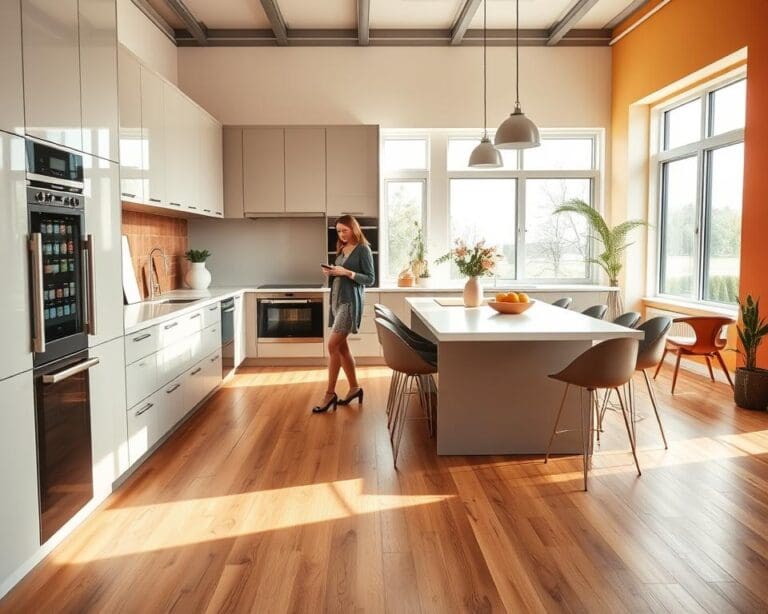
Wood offers many choices in tone, grain, and plank width. Installations can be straight, herringbone, or chevron to suit modern lofts or traditional craftsman homes. Designers from brands like Bruce, Mannington, and Mohawk show how classic hardwood design fits diverse interiors.
The natural texture and color of hardwood create a neutral backdrop that complements paint, cabinetry, and textiles. That flexibility enhances hardwood floors aesthetics in almost any room.
Durability and long-term cost-effectiveness
High-quality species such as oak, maple, and hickory resist heavy foot traffic and can last for decades. Solid planks can be sanded and refinished multiple times. Engineered options add dimensional stability for rooms with variable humidity.
When you factor in lifespan and fewer replacement cycles, durable hardwood flooring often costs less over time than short-lived alternatives. That durability underpins the strong hardwood ROI many homeowners experience.
Health and maintenance advantages of hardwood flooring
Hardwood floors bring practical health benefits and honest day-to-day upkeep. They cut down trapped dust, pollen, pet dander, and mold spores that often hide in soft surfaces. That change improves indoor air quality flooring and makes life easier for allergy sufferers.
Allergy-friendly flooring: reduced allergens and improved indoor air quality
Unlike carpet, solid and engineered boards do not harbor particulates. Regular vacuuming with a HEPA filter and damp mopping remove irritants quickly. Proper humidity control with a dehumidifier or HVAC settings prevents moisture that can feed mold between boards.
Many allergists recommend hard surfaces for homes with asthma or seasonal allergies. Choosing low-VOC finishes and adhesives adds another layer of protection for families focused on health.
Simple cleaning routines and spill management
Daily care is straightforward: sweep or vacuum with a soft-floor attachment, then use a microfibre mop and manufacturer-approved cleaner for stubborn spots. This approach keeps hardwood cleaning quick and effective compared with deep-cleaning carpets.
Wipe spills promptly to protect finishes. Modern seals offer water resistance that helps in kitchens and entryways. Use felt pads under furniture, runners in high-traffic areas, and door mats to limit wear and scratches.
Refinishing options to restore appearance without full replacement
Solid hardwood can be sanded and refinished multiple times, restoring surface damage and renewing color. Engineered hardwood with a thick wear layer often allows one or more refinishing cycles depending on construction and warranty.
Refinishing hardwood floors usually costs less and creates less waste than full replacement. That extends lifecycle and preserves the embodied energy of quality timber, supporting sustainable choices for long-term hardwood maintenance.
For design and long-term care guidance, explore practical upgrade ideas at flooring upgrade insights.
Types of hardwood and choosing the right option for your home
Choosing hardwood begins with matching performance to lifestyle. Think about where the floor will live, how much foot traffic it will take, and the look you want to create. Below are focused comparisons to guide your decision and inspire confidence.
Solid vs engineered hardwood
Solid hardwood is traditionally 3/4″ thick and can be sanded many times. It offers a classic look and long lifespan. Expect sensitivity to humidity and the need for a stable subfloor.
Engineered hardwood has a real hardwood veneer over layered cores. It resists moisture better and suits basements and radiant heat. Refinishing depends on veneer thickness, so check specs before choosing.
Hardwood species comparison
Oak remains a top U.S. choice for good reason. Red and white oak balance durability, stain response, and cost. Consider oak vs maple flooring when you want a clear grain that adapts to many stains and styles.
Maple brings a tighter grain and lighter tone. It resists dents well and fits modern, airy interiors. Use maple where a smooth, uniform look matters.
Hickory hardwood ranks among the hardest domestic species. Its bold grain and color variation work well in rustic or high-traffic homes where toughness counts.
Exotic hardwood floors like Brazilian cherry, teak, and walnut deliver unique color and grain. They are often harder and pricier. Check sustainability and sourcing before selecting an exotic species.
Finish types and their impact on look, durability, and maintenance
Factory-cured finishes such as aluminum oxide provide strong abrasion resistance and long wear. Brands like Mohawk and Armstrong use these systems for extra durability.
Polyurethane choices split into oil-based and water-based options. Oil-based polyurethane amber slightly and deepens tone. Water-based polyurethane stays clearer and dries faster. Both give solid surface protection.
Oil finishes and hard-wax oils offer a more natural, low-luster feel. They are easy to spot-repair but need more frequent upkeep than factory-cured systems.
Consider hardwood finishes matte vs gloss when picking sheen. Matte and satin hide scratches and daily wear better than high-gloss. Match sheen to your household activity and aesthetic goals.
- Match species Janka rating to pets, kids, and heavy furniture.
- Choose engineered for below-grade or over concrete.
- Decide between polyurethane vs oil finish based on desired look and maintenance rhythm.
Practical considerations: installation, costs, and long-term care
Choosing the right installation method shapes both initial expense and performance. Nail-down is common for solid hardwood over wooden subfloors, glue-down fits engineered planks over concrete, and floating click-lock systems are ideal for many DIY hardwood flooring projects. Each method affects hardwood floor installation cost through labor time and materials.
Costs vary with species, plank width, finish, subfloor prep, labor rates, and region. Removing old flooring or correcting subfloor issues adds to the bill. For an accurate range, request local estimates from certified installers and retailers such as Mannington, Mohawk, or Shaw. Consider whether savings from DIY hardwood flooring outweigh risks like poor acclimation, missed moisture tests, or improper fastening.
Professional hardwood installation brings faster turnaround, tighter tolerances on transitions, and installer warranties. DIY hardwood flooring can lower upfront cost but demands skill and the right tools. Balance savings against the value of a solid warranty and proper handling of complex layouts when deciding who should install your floors.
Long-term care affects lifetime expense. Routine sweeping, vacuuming, and occasional damp mopping keep floors looking their best. Expect recoats roughly every 3–7 years in high-traffic zones and refinishing every 10–30 years depending on species and construction. Use area rugs, felt pads, and humidity control (35–55% ideal) to prevent cupping and warping and to manage hardwood maintenance cost.
Warranties and lifespan differ by product and installer. Quality solid hardwood can provide an extensive hardwood lifespan when maintained; engineered planks’ longevity ties to veneer thickness. Look for responsibly sourced options certified by the Forest Stewardship Council and consider brands that offer sustainable or reclaimed lines, such as Anderson Tuftex or Bruce.
Assess your home’s needs, order samples from trusted brands, and consult a certified installer to compare hardwood floor installation cost and projected maintenance. Thoughtful choices today can enhance style, reduce replacement waste, and deliver long-term value for years to come.