Across the United States, homeowners increasingly ask what makes vinyl flooring a popular choice for modern living. The answer rests on a mix of durability, design, affordability, and simple installation that fits busy family life.
Advances in materials science and printing have pushed vinyl floors popularity higher, especially in the luxury vinyl plank flooring (LVP) and luxury vinyl tile (LVT) categories. These formats deliver realistic wood and stone visuals while offering improved wear layers and stronger core constructions.
Vinyl product options range from sheet vinyl to vinyl composition tile (VCT), and the performance gains now let vinyl compete with hardwood, ceramic tile, and laminate. Homeowners value vinyl flooring benefits like water resistance for kitchens and bathrooms, pet-friendly surfaces, and low maintenance for high-traffic rooms.
Later sections will dig into vinyl’s market adoption and comparisons, durability and performance, design versatility, and the cost and installation choices that matter for renovations. For a practical look at how vinyl supports busy households, see this overview from a specialist source on flooring for active homes: what flooring options are best for busy.
What makes vinyl flooring a popular choice?
Vinyl has moved from budget option to design favorite. Rising interest reflects practical strengths and modern looks. Homeowners and builders cite fast installation, strong warranties from brands like Shaw, Mohawk, Armstrong, and COREtec, and wide use across open-plan living rooms, kitchens, bathrooms, basements, and rental units.
Overview of vinyl flooring popularity in the United States
Recent vinyl market trends show growth driven by improved vinyl plank and tile that mimic wood and stone. Both DIY homeowners and professional installers specify LVP and LVT for remodels and new builds. Market share gains come from realistic visuals, easier installation, and lower upfront costs versus hardwood or natural stone.
Typical American use-cases favor vinyl where moisture, traffic, or budget are concerns. Laundry rooms, bathrooms, and busy kitchens often get vinyl. Property managers pick vinyl for rentals because it balances cost and durability.
Key benefits that drive homeowner decisions
Protective wear layers add scratch resistance measured in mils, which helps pet owners and families. Waterproof and water-resistant constructions let vinyl go where hardwood cannot.
Comfort and sound control improve with underlayment or attached backing. Low maintenance keeps daily care to sweeping and occasional damp mopping, without sanding or refinishing.
High-resolution printing and embossing recreate grain and veining with striking realism. When combined with lower labor costs, these features deliver long-term value and the clear benefits of vinyl flooring.
How vinyl compares to other popular flooring types
In LVT vs hardwood debates, vinyl wins on moisture resistance, cost, and upkeep. Hardwood keeps its ability to be refinished and ages naturally, which some buyers prefer.
Compared with laminate, modern LVP/LVT typically offers better water performance and more convincing visuals. Laminate may feel harder underfoot and struggles in damp rooms.
When weighing vinyl vs tile, vinyl feels warmer and softer underfoot, installs faster, and often costs less. Tile remains strong for extreme heat or certain luxury looks.
Engineered wood gives a real wood veneer but tends to cost more and handle moisture less well. Overall, vinyl balances style, performance, and price in a way that appeals to a broad range of homeowners.
Durability and performance benefits for busy households
Busy homes demand flooring that stands up to daily life. Vinyl offers strong vinyl flooring durability when you choose the right construction and finish. Small choices at purchase and during installation make a big difference in how long your floors stay beautiful.
Wear layers and scratch resistance
The wear layer is a clear protective coating measured in wear layer mils that controls resistance to abrasion, scratches, and scuffs. Entry-level products start around 6 mil. For most families, 12–20 mil provides a durable balance of cost and protection. Homes with large dogs or heavy traffic should seek 20+ mil or commercial-grade options.
Manufacturers may add urethane or aluminum oxide finishes to boost scratch resistance and reduce cleaning needs. Look for brands that publish wear layer mils and abrasion testing. Warranties often cover wear-through, so compare residential terms before you buy.
Waterproof and moisture-resistant options for kitchens and bathrooms
Water issues no longer rule out stylish floors. Fully waterproof constructions such as SPC (stone plastic composite) and WPC (wood plastic composite) protect against standing water and moisture better than older sheet vinyl. Waterproof vinyl flooring can be installed over concrete slab basements and in moisture-prone rooms without the warping problems seen with hardwood.
Installation details matter. Seams and transitions must be sealed in wet areas. Floating click-lock systems still risk edge ingress if not fitted properly. Test concrete for moisture and prepare subfloors so they are level and dry. Proper vapor barriers prevent hidden failures over time.
Life expectancy and maintenance tips to extend durability
Mid- to high-quality LVP and LVT typically offer vinyl life expectancy of 15–25 years with good care. Sheet vinyl and lower-end products usually last less. Regular vinyl maintenance stretches lifespan and keeps finishes intact.
- Sweep or vacuum often using a non-beater bar to remove grit.
- Damp mop with cleaners recommended by the manufacturer.
- Avoid steam mops that can damage wear layers or adhesives.
- Place entry mats to trap dirt and use felt pads under furniture legs.
- Trim pet nails and use coasters under heavy appliances.
Many planks and tiles can be replaced individually if damaged. Glued sheet installations need patching or professional repair. Review warranties for coverage of wear-through, water damage, and stains so you know what to expect long term.
Design versatility and aesthetic appeal
Vinyl opens design possibilities that feel premium without the premium price. Modern printing and embossing bring photographic detail and depth to floors, so a room can capture the look of timber, stone, or ceramic tile while staying practical for daily life.
Realistic wood, stone, and tile visuals with modern printing technology
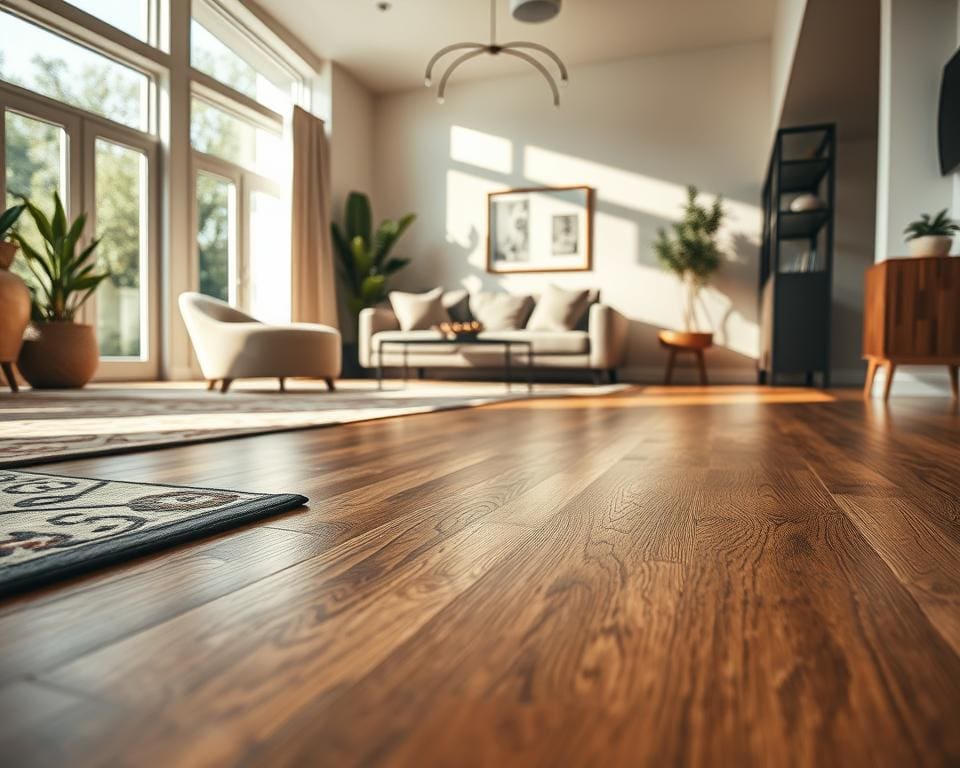
High-resolution photographic printing recreates wood grain, knots, saw marks, and stone veining with striking clarity. Registered embossing and embossed-in-register (EIR) technology match texture to the printed pattern, giving tactile realism that complements the visual detail.
Major manufacturers like Shaw, Mohawk, and Armstrong use enhanced imaging and multi-layer embossing to align the look and feel. That pairing makes realistic vinyl wood and stone convincing to the eye and pleasant underfoot.
Range of colors, textures, and plank/tile formats
Vinyl is available in wide planks, narrow planks, long-length boards, square tiles, and mosaic formats. Sheet vinyl still serves projects that need seamless, continuous patterns.
Popular palettes include classic oaks, hickory and walnut tones, bleached and gray finishes for modern interiors, warm neutrals, and bold contemporary hues. Surface options span smooth, hand-scraped, wire-brushed, distressed, matte, and higher-sheen finishes.
- Specialty features: attached underlayment and cork backings for comfort and sound control.
- Edge details: beveled or micro-beveled edges that mimic hardwood plank definition.
How vinyl supports interior design trends and room transformations
Designers use vinyl to create cohesive flows in open-plan homes by continuing the same floor from room to room. Homeowners can also zone spaces with changes in plank direction or by mixing tile formats for visual separation.
Styles from farmhouse and coastal to Scandinavian and modern industrial all benefit from LVT visuals that replicate raw materials with less upkeep. Quick room makeovers, rental upgrades, and staged homes gain instant style with low disruption during installation.
High-quality finishes and varied vinyl textures help boost perceived value and appeal to buyers who want stylish, low-maintenance floors. Thoughtful vinyl flooring design lets you achieve trend-forward rooms without sacrificing practicality.
Cost, installation, and practical considerations for homeowners
Vinyl flooring cost varies widely, from budget sheet vinyl and entry-level LVP to mid-range LVT and premium SPC or WPC products. Entry-level options can start at just a few dollars per square foot, while designer LVT and rigid-core floors from brands like Shaw, Armstrong, Mohawk, and COREtec sit at higher price points. When you factor in vinyl maintenance cost—low regular cleaning and no sanding or refinishing—the lifecycle cost often compares favorably to hardwood or tile.
Installation choices affect both price and timeline. Common methods include click-lock floating systems, glue-down planks, loose-lay, and full-spread adhesive for sheet goods. Many click-lock LVP products lend themselves to DIY vinyl flooring projects and can be installed over existing hard surfaces or plywood. Glue-down and sheet installations typically require professional skill. A single room can often be completed in a day or two, though subfloor preparation, moisture testing on concrete, and patching can add time and expense.
Expect additional costs for underlayment, moisture barriers, transition strips, trim, and professional labor if you opt out of DIY. Professional installers deliver precise leveling, sealed seams for wet areas, and adherence to warranty terms, which can be important for bathrooms and basements. Weigh vinyl flooring pros and cons: the material offers water resistance, easy upkeep, and design variety, but some lower-end products may show wear sooner and have limited repair options.
Make choices based on room use and traffic. Choose waterproof vinyl for kitchens, bathrooms, and basements, and select thicker wear layers for entryways and hallways. Compare residential warranties and wear-through policies from reputable brands, and look for low-VOC, FloorScore-certified options if indoor air quality matters. Order samples, check them in your home lighting, and feel the underfoot comfort before committing. Balancing appearance, performance, budget, and installation willingness will help you select the right vinyl solution for long-term value.