Choosing the best finishes for interior walls sets the tone for every room. Homeowners, designers, and renovators need clear guidance on interior wall finishes that balance style, function, and budget.
This article compares common wall finish types: paints in varied sheens from brands like Sherwin-Williams and Benjamin Moore, plasters including Venetian and limewash, textured finishes such as skip trowel and knockdown, and wallcovering options from York Wallcoverings and Brewster.
Key decisions come down to durability and maintenance, moisture exposure in kitchens or bathrooms, aesthetic goals—whether modern or rustic—and cost. We’ll weigh paint vs plaster and explore specialty finishes like milk paint and metallics that add visual impact but may raise labor costs.
Think room function first: high-traffic areas need tough, cleanable choices while low-traffic rooms allow more delicate textures. Later sections detail installation, upkeep, and resale value so you can pick the right finish for each space.
What are the best finishes for interior walls?
Choosing the right finish transforms a room from good to unforgettable. This section walks through common options, matches finishes to room function, and outlines cost and installation factors so you can plan with confidence.
Overview of common finish types
Paint remains the most versatile choice. Flat is low-reflective and masks imperfections, making it ideal for adult bedrooms and formal living areas. Eggshell gives a soft luster that suits bedrooms and guest rooms. Satin works well in family rooms for a warm, easy-clean surface. Semi-gloss is the go-to for trim, kitchens, and areas that need frequent wiping. High-gloss is best for cabinetry and surfaces that take heavy wear.
Traditional plaster and Venetian plaster deliver smooth, durable walls with depth and character. Venetian plaster, when burnished, yields a marble-like sheen. Brands such as Ardex and Knauf supply professional plasters that finish well but need skilled applicators.
Textured wall finishes like skip trowel, knockdown, and stucco hide flaws and add dimension. These finishes often use spray or trowel techniques and are common in rentals and casual spaces.
Wallcovering types span paper, vinyl, fabric, and grasscloth. Commercial vinyl is highly durable and washable. Fabric and grasscloth bring tactile warmth but demand more care.
Specialty wall finishes include limewash, milk paint, and metallics. Limewash breathes and feels historic. Milk paint creates a layered, matte patina suited to cottages. Metallic and pearlescent finishes work well as accents when used sparingly.
How to match finishes to room function
High-traffic zones need scrubbable surfaces. Choose satin or semi-gloss paints, commercial vinyl wallcoverings, or durable plasters sealed for wear.
For moisture-prone rooms, pick mildew-resistant paints and semi-gloss sheens. Cementitious or water-resistant plasters pair well with tile in splash areas.
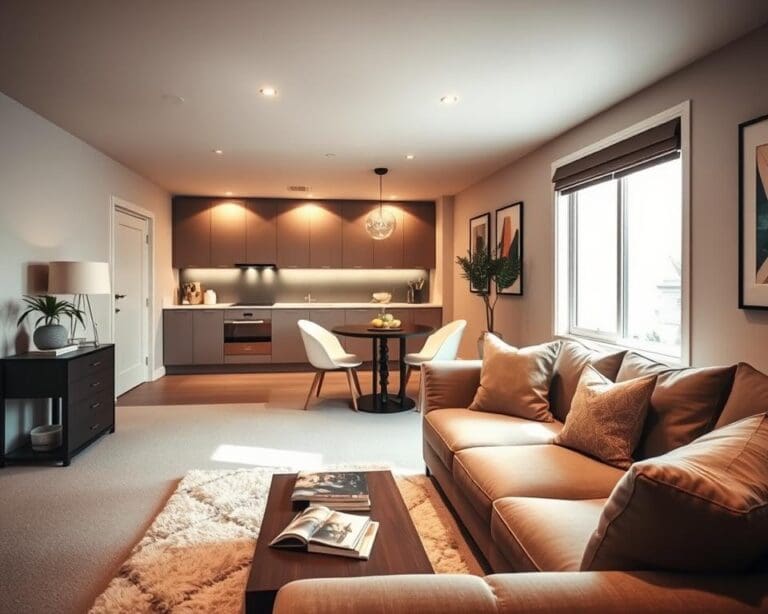
Living rooms and bedrooms call for comfort and look. Flatter sheens create cozy atmospheres. Consider fabric or grasscloth in formal spaces if maintenance fits your lifestyle.
Cost and installation considerations
Most paints are DIY-friendly and cost-effective. A basic paint job remains the lowest-cost option for materials and labor. Textured finishes and many wallcoverings sit in the mid-range. Venetian plaster and bespoke wallcoverings rank high in price because of labor intensity and finish quality.
Complex plaster work often requires professionals. Expect higher labor charges and longer cure times. If you want a quick sense of how sheens affect light in a room, this guide on brightening darker spaces is useful: paint sheens comparison.
Budget for prep: drywall repair, priming, and substrate treatment add both cost and time. The cost to install plaster varies with scope, surface prep, and finish detail, so get quotes from experienced contractors before committing.
Long-term value favors neutral, durable finishes. Quality paint and well-installed plaster appeal to most buyers. Specialty wall finishes can add luxury value in upscale markets but may narrow resale appeal if overly personal.
Durability and maintenance: finishes that stand up to daily life
Choose finishes that match how a room is used and how much upkeep you want. Durable wall finishes pay off in busy households. They simplify cleaning and keep walls looking fresh for years.
High-durability paint options and cleaning tips
Satin and semi-gloss sheens resist scuffs better than flat paint. High-gloss gives the easiest cleanability but can show brush marks and imperfections. Look for scrub-rated, washable paint from respected brands like Sherwin-Williams Duration Home, Benjamin Moore Aura, and Behr Marquee for reliable performance.
Use mild detergent and a soft cloth for routine cleaning. Test any cleaner in a hidden spot before doing the whole wall, especially on specialty finishes. Keep a small labeled jar of leftover mixed paint for touch-ups and lightly scuff-sand edges to blend repairs.
Resilient alternatives to paint
Commercial vinyl coverings and Type II/III wallcoverings work well in corridors, kitchens, and play spaces. Brands such as York and Brewster offer washable lines that handle heavy wear. Follow vinyl wallcovering maintenance guidelines from manufacturers and avoid excess water on fabric-based coverings.
Water-resistant plaster options, like cement-based or acrylic-modified plasters, take a clear sealer to resist moisture. Venetian plaster benefits from a protective wax or a polyurethane barrier when exposed to high traffic. For porous finishes, a clear water-based topcoat can add durability without changing the look.
When to choose low-maintenance textures
Slight texture hides small dings and seams better than smooth walls. Knockdown, skip-trowel, and light spray textures mask imperfections and reduce the need for frequent touch-ups. These low-maintenance wall textures suit rental units and older houses where perfect drywall is not guaranteed.
For high-use rooms, pair scuff-resistant paint with a subtle texture or a durable vinyl covering for the best long-term results. This mix cuts cleaning time and keeps walls presentable without constant repair. Choose finishes that match daily life and protect your investment.
Design and aesthetics: finishes that elevate style and ambiance
Choose finishes that shape mood and tell a story. A layered approach helps you mix tactile surfaces with polished highlights to create rooms that feel intentional and warm.
Creating visual depth with specialty paints and plasters
Venetian plaster design brings a marble-like luminosity when burnished, making living rooms and entryways feel luxe. This finish rewards skilled installers from specialist plaster firms and often pairs well with feature mouldings.
Limewash aesthetics add a soft, chalky patina to walls and works beautifully on old plaster or lime-based surfaces. For a different direction, metallic wall finishes and pearlescent glazes create shimmer where you want focal drama. Use metallic wall finishes sparingly on niches, ceilings, or a single accent to avoid overpowering the space.
Using texture and pattern to define spaces
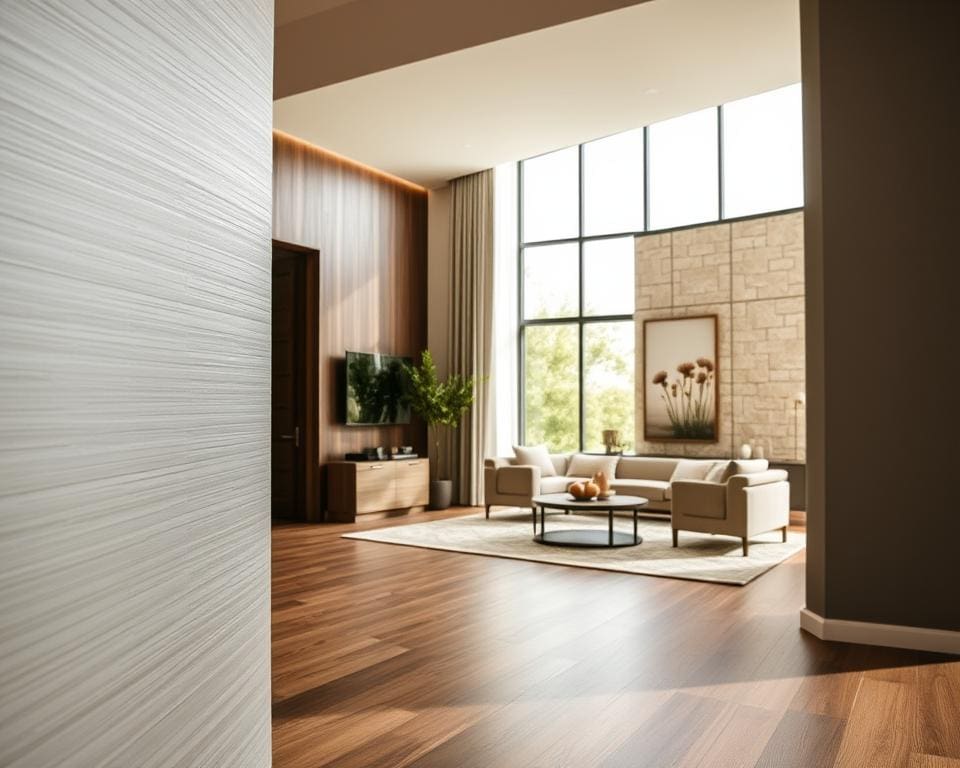
Texture and light interact to reveal depth. Matte, tactile plasters absorb light and highlight irregularities, which makes rooms feel snug and lived-in. Smooth, patterned wallcoverings deliver crisp graphic detail when you need repeatable motifs or easy replacement.
Layer textures: start with a matte base on broad walls, add a mid-sheen for panelling or wainscoting, and reserve glossier accents for trims or splashbacks. This simple rule keeps the composition balanced and durable in high-traffic zones.
Color, sheen, and ambiance
Sheen impact on room mood is real. Flat or matte surfaces conceal flaws and calm a bedroom, while satin or eggshell adds a gentle sheen useful for family rooms. Semi-gloss and gloss reflect light to expand small spaces, but they can make imperfections more visible.
Accent wall finishes should be used as punctuation. A deep, saturated tone on a single wall reads dramatic in a dining room when paired with durable finishes. For practical advice on how texture adds depth and how to layer surfaces effectively, read this guide: texture and depth in interiors.
- Matte base to reveal texture.
- Satin mid-level for durability and subtle sheen.
- Gloss accents to catch light without overwhelming.
Keep your palette to three or four tones and repeat textured elements to build rhythm across rooms. Thoughtful pairing of finish, color, and light will elevate a house into a coherent, expressive home.
Practical selection guide: choosing the right finish for each room
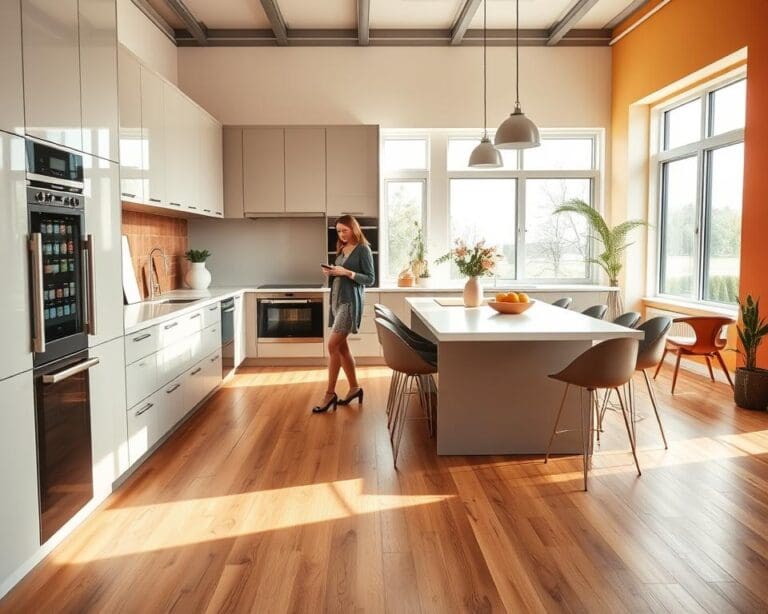
Choose finishes by matching room use, moisture levels, and traffic. For bathrooms and kitchens, prioritize bathroom wall finishes and kitchen wall finishes that resist water and stains. Semi-gloss or satin water-based paints labeled for kitchen and bath work well. In high-splash zones, use ceramic or glass tile, acrylic-backed wall panels, or waterproof plasters sealed with a protective topcoat.
Start with a mold-resistant primer such as Zinsser or KILZ before painting in humid areas to maximize longevity. Cement-based or modified plasters with proper sealers and mold-resistant wall coatings are good alternatives where humidity is constant. Use silicone caulk at stove backsplashes and around sinks, and add ventilation like exhaust fans to reduce moisture buildup.
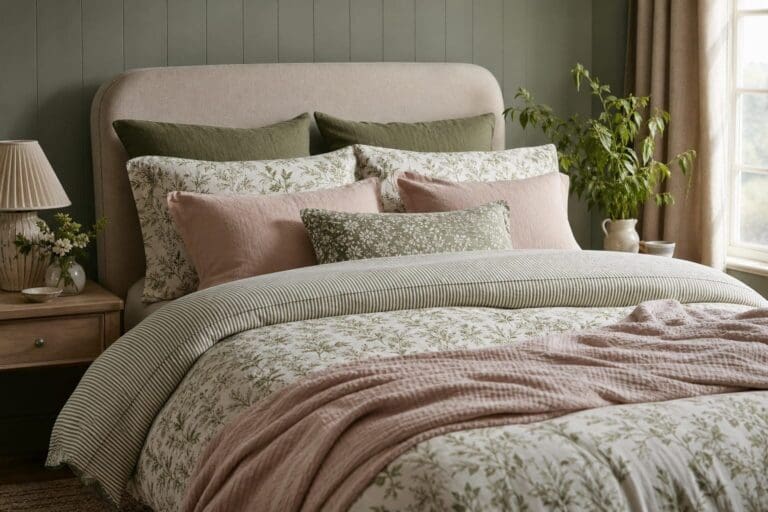
For living rooms and bedroom wall finishes, eggshell or matte paints create a warm, low-reflective backdrop. Consider grasscloth or fabric in formal rooms with low traffic, but plan for professional cleaning. Kids’ rooms and playrooms benefit from scrubbable, high-durability formulations, washable vinyl, or epoxy wipeable coatings. Entryways and hallways do well with durable eggshell or satin and washable wallcoverings.
Balance beauty and durability by reserving specialty treatments for low-exposure focal points and using durable neutral finishes for everyday surfaces. Use durable accent wall ideas like peel-and-stick wallpaper or a single metallic glaze for impact without long-term commitment. Test samples in real light, keep touch-up paint and basic tools on hand, and follow a simple maintenance routine to extend finish life.