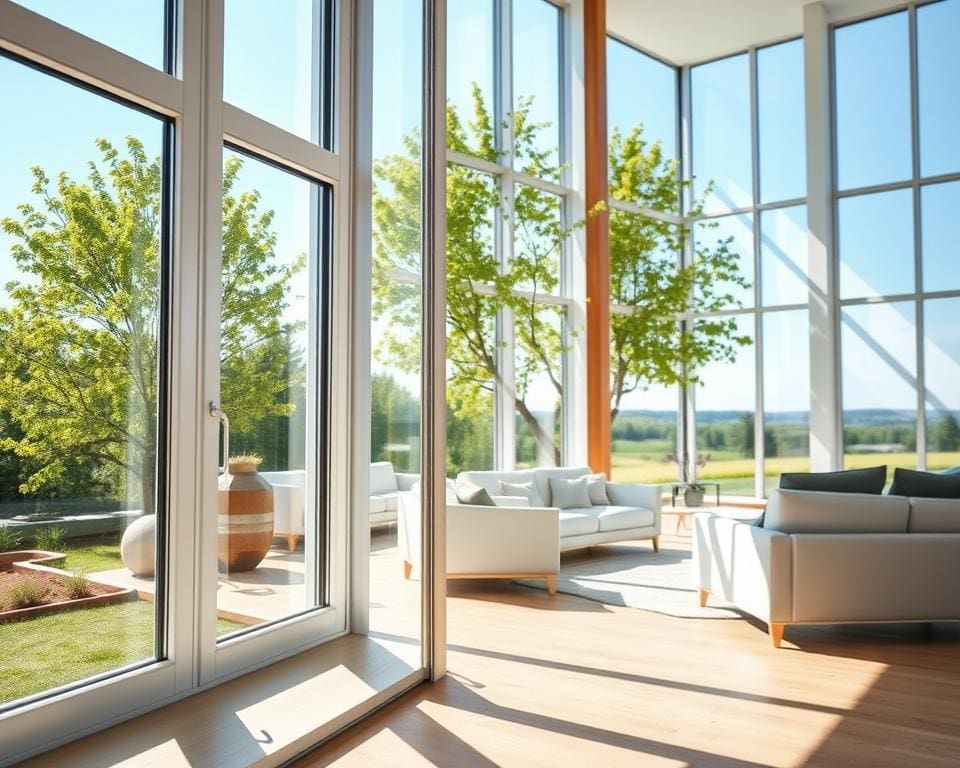
Upgrading to energy-efficient windows is one of the most strategic home improvements a U.S. homeowner can make. Windows are a major pathway for heat gain in summer and heat loss in winter, and properly specified, energy saving windows cut conductive and radiative transfer to reduce HVAC runtime and improve comfort.
The benefits of energy-efficient windows go beyond lower utility bills. They help reduce heating cooling costs, minimize drafts and cold spots, and control solar heat gain so living spaces stay more consistent year-round. Proper glazing and frames also limit moisture issues that lead to mold and rot, creating healthier indoor air quality.
Homebuyers and residential investors see measurable returns from window replacement benefits: improved comfort, lower operating costs, and stronger resale appeal. Later sections will explain the technical features to look for—Low-E coatings, gas fills, multi-pane construction, and metrics like U-factor and SHGC—and why professional installation matters to protect performance and warranties. For practical guidance on installation standards and how installers preserve window performance, see this installer overview.
What are the benefits of energy-efficient windows?
Energy-efficient windows transform how a home feels and performs. They cut heat transfer through glass and frames, which helps homeowners lower energy bills while making rooms more stable year-round. Upgrading windows pairs well with insulation and air sealing to boost HVAC efficiency and extend equipment life.
Lower energy bills and improved HVAC efficiency
High-performance glazing and insulated frames reduce unwanted heat gain in summer and heat loss in winter. The U.S. Environmental Protection Agency and ENERGY STAR note real savings versus single-pane units. These gains shrink monthly utility costs, and the shorter HVAC cycles cut wear on furnaces and air conditioners.
Enhanced indoor comfort and temperature consistency
Features like Low-E coatings and multi-pane glass smooth out temperature swings near windows. Rooms stay more even from corner to corner, which improves indoor comfort for families and guests. Reduced drafts mean fewer thermostat adjustments and steadier living spaces.
Reduced condensation and moisture problems
Insulating windows raise interior glass temperatures enough to reduce surface moisture. Less condensation limits mold growth, protects wood sills, and helps maintain healthy indoor air. This is vital in humid regions and in tightly sealed modern homes where trapped moisture can be a big problem.
Environmental impact and reduced carbon footprint
Using less energy for heating and cooling directly lowers greenhouse gas output, supporting carbon footprint reduction at the household level. ENERGY STAR-rated products contribute to broader efficiency goals and can reduce peak demand on the grid during hot summer months.
Energy-efficient window features to look for and how they deliver value
Choosing the right windows changes how a home feels, costs, and performs. Look beyond style and focus on the technologies that cut energy use, limit drafts, and improve comfort. Small upgrades in glazing, gas fills, frame design, and installation add measurable value over time.
Low-E coatings and gas fills explained
Low-emissivity coatings sit on the glass to reflect unwanted infrared heat while letting daylight through. In cold regions, a passive Low-E helps capture solar warmth. In hot climates, solar-control Low-E reduces cooling needs.
Filling the space between panes with an inert gas like argon reduces conductive heat transfer compared with air. An argon gas fill is common, affordable, and pairs well with Low-E coatings to lower the U-factor and improve SHGC performance.
Multi-pane construction and insulating frames
Double-pane windows provide a solid thermal barrier for many homes. Triple-pane windows increase insulation further and add sound control for busy streets or cold winters.
Frame choice matters. Fiberglass and vinyl often resist heat flow better than traditional aluminum. Thermally broken aluminum and composite frames strike a balance between strength and insulation. Warm-edge spacers and tight edge seals reduce perimeter heat loss and minimize condensation risk.
U-factor, SHGC, and U.S. ENERGY STAR ratings
Understand the numbers on the NFRC sticker before you buy. U-factor shows how well a window insulates; lower is better for winter heating savings. SHGC measures solar heat admitted; lower helps in hot, sunny areas while a higher value can aid passive heating in cold climates.
Look for ENERGY STAR windows rated for your climate zone. The label and NFRC data together make it easier to match performance—U-factor and SHGC—to regional needs and to compare products from brands like Andersen or Pella.
Professional installation and air-sealing benefits
Even top-rated products fall short if installed poorly. Proper window installation air sealing prevents drafts, water intrusion, and wasted energy. Installers should use correct flashing, shims, and insulation to preserve the rated U-factor and SHGC in real homes.
Hire certified professionals with manufacturer certifications or Building Performance Institute credentials. A quality install protects warranties and ensures the performance you expect from Low-E windows with argon gas fill, multi-pane glazing, and insulated frames.
Long-term advantages: cost, health, and home value
Replacing windows is an investment that pays back over time. Upfront costs vary with glass type, frame material, and installation complexity, but energy savings and lower HVAC maintenance shorten the energy savings payback period. Federal tax credits, utility rebates, and programs from ENERGY STAR or state energy offices can further improve window replacement ROI.
Beyond dollars saved, there are clear health benefits of energy-efficient windows. Reduced condensation and mold risk improve indoor air quality and lower allergy and respiratory triggers. More consistent indoor temperatures cut drafts and cold surfaces, which helps infants, older adults, and people with chronic conditions sleep and breathe better.
Energy-efficient windows also boost curb appeal and home value increase. Real estate data show quality window replacements make homes more competitive and often yield favorable returns at resale. Warranties, ENERGY STAR certification, and documentation of measured energy savings make a compelling case for buyers and support a stronger asking price.
Durability matters for long-term gains. High-quality units with proper installation extend window lifespan for decades and reduce maintenance needs. Financing options like energy-efficiency loans or on-bill financing let homeowners capture immediate benefits while spreading costs, improving short-term affordability and long-term return on investment.