
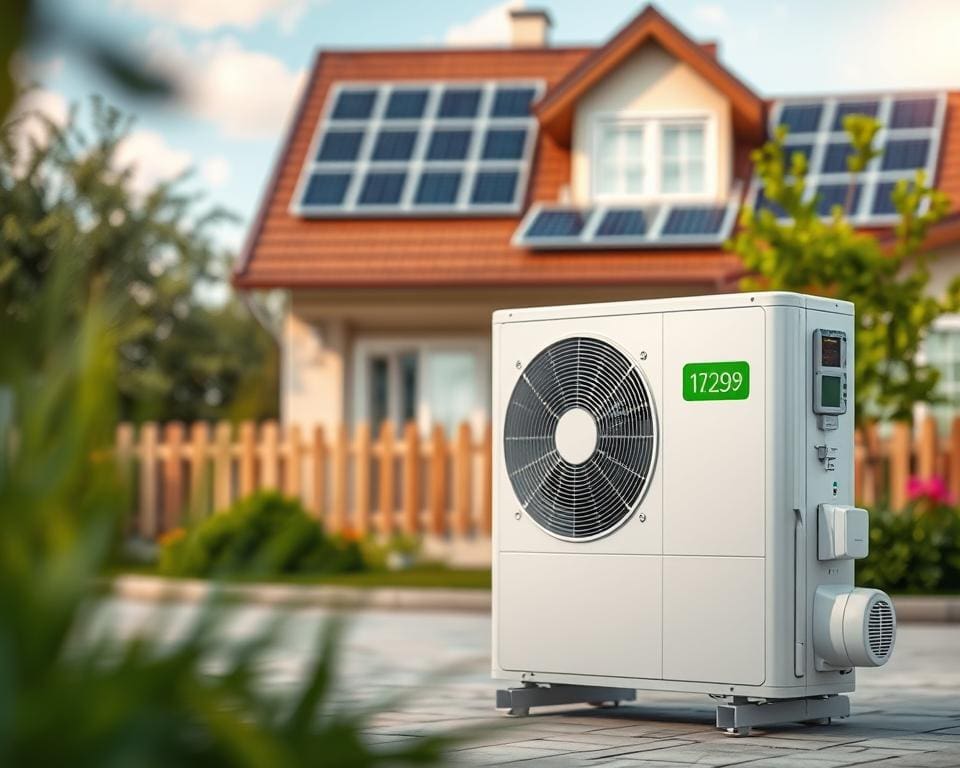
A heat pump moves heat instead of creating it by burning fuel or using resistive electric heat. This simple shift in approach is the core of how heat pumps save energy: they transfer ambient heat from outdoor air, ground, or a water source into your home in winter, and reverse the process for cooling in summer. That transfer can deliver several units of heating or cooling for each unit of electricity used, making heat pump energy efficiency a practical advantage for homeowners.
Key performance metrics help compare systems. The Coefficient of Performance (COP) shows how much heat a unit delivers per unit of electricity; a COP above 1 means more heat out than energy in. Seasonal metrics like HSPF for heating and SEER for cooling summarize performance across real-world conditions. Higher HSPF and SEER values indicate better seasonal efficiency, which translates directly to lower monthly bills.
Beyond numbers, heat pump benefits include reduced fossil fuel use and support for energy-efficient HVAC upgrades tied to U.S. clean-energy goals. Brands such as Carrier, Trane, Mitsubishi Electric, and Daikin follow DOE and ENERGY STAR guidance, so consumers can compare certified ratings when choosing equipment. Modern cold-climate models extend efficient home heating into much of the continental United States, making heat pumps a viable retrofit for many housing types.
For homeowners weighing an upgrade, the appeal is both practical and aspirational: efficient home heating that lowers costs and shrinks your household carbon footprint. With federal and state electrification incentives, switching to a heat pump can be a measurable step toward greener, more economical living.
How does a heat pump improve energy efficiency?
Heat pumps move thermal energy rather than creating it. The basic refrigeration cycle uses an evaporator to absorb ambient heat, a compressor to raise temperature and pressure, a condenser to release heat into the home, and an expansion valve to lower pressure and restart the loop. This heat pump operating principle lets the system deliver far more heat energy than the electricity it consumes.
Basic operating principle that saves energy
In heating mode, air-source units extract outdoor air heat while ground-source systems tap stable soil temperatures. The compressor and fans use electricity to concentrate that heat for indoor use. Inverter-driven, variable-speed compressors match output to demand, cutting short cycling and boosting seasonal performance.
Typical efficiency gains compared to furnaces and electric resistance
Air-source heat pumps commonly achieve COP values between 2 and 4, meaning 2–4 times the heat output per unit of electricity. Electric resistance heat has a COP near 1, so heat pump savings can be large in many homes. Geothermal systems often exceed COP 4 under favorable conditions.
Gas furnaces report AFUE ratings up to about 98%. Still, comparing COP vs furnace efficiency shows heat pumps can deliver more useful heat per unit of primary energy, especially as grids decarbonize. Hybrid systems pair a heat pump with a gas furnace to keep comfort and performance during extreme cold.
Seasonal metrics such as HSPF and the newer HSPF2/SEER2 ratings from DOE and ENERGY STAR give realistic estimates of year-round performance and heat pump savings for homeowners.
Factors that influence efficiency in everyday use
Climate matters. Colder air reduces air-source efficiency, while geothermal units remain steadier because ground temperatures change little. Cold-climate models and low-temperature refrigerants help offset winter drops.
Sizing and installation are crucial. Proper refrigerant charge, correctly sized equipment, sealed ductwork, and good placement of outdoor units preserve rated performance. Poor installation can cut expected savings significantly.
Home envelope and controls affect realized gains. Improved insulation, draught sealing, and programmable thermostats lower load and raise savings. The fabric-first approach to renovation supports these upgrades; see practical guidance at what makes a renovation project cost-effective.
Routine maintenance keeps efficiency high. Regular filter changes, coil cleaning, and annual professional checks protect output. Electrical rates and grid mix determine the economic and environmental benefits of a switch, while smart controls and demand-response strategies can maximize long-term heat pump savings.
Types of heat pumps and their efficiency advantages
An informed choice about heating starts with knowing the main heat pump types and where each shines. This short guide highlights how different systems save energy, cut bills, and fit real homes in the United States.
Air-source units move heat between outdoor air and indoor space. They come as split systems or packaged units and work well in mild to moderate climates. Modern versions use inverter-driven compressors that ramp capacity up or down to match demand. This reduces on/off cycling, raises comfort, and improves seasonal metrics like SEER2 and HSPF2.
Many cold-climate models from brands like Mitsubishi Electric, Fujitsu, and Carrier use advanced refrigerants and larger heat exchangers. These design choices keep performance strong at subfreezing temperatures and make the air-source heat pump a practical retrofit option when ductwork exists.
Geothermal systems tap stable ground temperatures with buried loops. They deliver very high seasonal performance and steady COPs year-round. The system design yields lower operating costs in many regions and longer equipment life for loops and compressors.
Upfront installation for geothermal can be higher because of drilling or trenching. That trade-off often pays off over time through energy savings. Geothermal heat pump efficiency makes these systems attractive for new construction and properties with suitable yard space and soil conditions.
Hybrid arrangements pair an electric heat pump with a gas furnace. The heat pump handles mild periods. The furnace steps in during extreme cold to maintain comfort and optimize fuel use. These hybrid heat pump systems balance performance with cost across seasons.
Ductless mini-split models offer targeted zone control and avoid duct losses. They are electrically driven and often include inverter compressors for smooth, quiet operation. Brands such as Mitsubishi Electric, Daikin, and LG provide multi-zone options that reduce energy use and simplify retrofits.
The ductless mini-split benefits include minimal installation disruption and improved room-by-room comfort. Homeowners gain efficiency by conditioning only occupied spaces rather than heating or cooling an entire house.
- Air-source heat pump: best for mild climates, retrofit-friendly.
- Inverter heat pump technology: smooth capacity control, better seasonal efficiency.
- Geothermal heat pump efficiency: top-tier performance, long-term savings.
- Hybrid heat pump systems: dual-fuel flexibility for cold regions.
- Ductless mini-split benefits: zone control, no duct losses, easy retrofit.
Energy-saving benefits and long-term cost implications
Switching to a heat pump can transform household energy use and stretch every utility dollar further. Many homeowners see 20–50% lower heating bills when they replace electric resistance systems, and 10–30% savings compared with older gas or oil boilers depending on local fuel prices and climate. Heat pump savings grow when a home is well insulated and controls are smartly scheduled.
Monthly bill reductions and payback period estimates
Air-source systems typically cost less to install than ground-source units yet often deliver fast returns. Typical simple payback period heat pump estimates put air-source systems in a 3–10 year window and geothermal systems more commonly in a 7–20 year range. Grants, local incentives, and rising fossil fuel prices can cut those timelines dramatically.
Proper sizing and high-quality installation shorten payback and increase realized savings. Heat pumps also reduce summer cooling costs because a single system handles heating and cooling, which improves annual household economics.
Environmental benefits and reduced carbon footprint
Electrifying space and water heating with heat pumps lowers on-site fossil fuel combustion and reduces greenhouse gas emissions as the grid decarbonizes. Agencies like the EPA and the U.S. Department of Energy report that most U.S. regions see lower lifecycle emissions after switching to heat pumps.
Beyond CO2, heat pump adoption cuts local air pollutants such as NOx and particulate matter by replacing combustion appliances. These gains make carbon reduction heat pumps a strong choice for homeowners who want both lower bills and cleaner air.
Available rebates, tax credits, and incentives in the United States
Federal programs provide meaningful support for clean heating. Many homeowners qualify for a federal tax credit heat pump benefit under recent federal clean energy provisions, which can reduce out-of-pocket cost for qualifying equipment and installation. Check current IRS guidance for exact eligibility and amounts.
State and utility programs add point-of-sale rebates, performance incentives, and low-interest financing. Examples include California’s statewide incentives, New York’s NYSERDA rebates, and Massachusetts’ Mass Save offerings. Installer promotions and manufacturer deals can further lower upfront expense. For up-to-date details and local opportunities consult resources such as this guide to sustainable heating solutions and your utility or ENERGY STAR listings.
- Consider heat pump rebates available through utilities to reduce installation cost.
- Pair incentives with weatherization to shorten the payback period heat pump estimates.
- Track promotions from trusted manufacturers and certified installers to capture seasonal savings.
Maximizing heat pump efficiency through proper selection and maintenance
Choosing a heat pump that fits your home and climate is the first step to long-term savings. Work with certified HVAC professionals to get a Manual J load calculation for accurate heat pump sizing; the right size prevents short-cycling and keeps seasonal performance high. Compare SEER2, HSPF2 ratings and ENERGY STAR models, and weigh air-source or ductless mini-splits for mild regions, cold-climate models or hybrid systems for colder areas, and geothermal if peak efficiency and lifetime savings are top priorities.
Proper installation is as important as choosing the right unit. Hire NATE-certified technicians or equivalent to set refrigerant charge, seal and insulate ducts, balance airflow, and position outdoor units to avoid airflow restrictions and icing. Ductwork improvements recover wasted energy, while ductless systems sidestep duct loss entirely. Controls and zoning—programmable thermostats, smart connected controls, and multi-zone mini-splits—let you condition only occupied spaces and further improve heat pump efficiency.
Routine care preserves performance and extends heat pump lifespan. Homeowners should clean or replace filters every 1–3 months, keep outdoor units clear of leaves and snow, and ensure indoor airflow is unobstructed. Schedule annual or biannual professional tune-ups to check refrigerant levels, test defrost and reversing valves, clean coils, and verify electrical connections. Keep warranty records and plan for responsible refrigerant recycling and disposal at end of life.
Combine system choices with weatherization and smart controls to multiply savings. Upgrades like insulation, air sealing, and efficient windows reduce load and let the heat pump work less. Smart thermostats, time-of-use strategies, and home energy monitors help shift runtime to lower-cost periods and track gains. With informed choosing a heat pump, quality installation, and steady heat pump maintenance, homeowners unlock cleaner comfort, lower bills, and a longer-lasting system.