
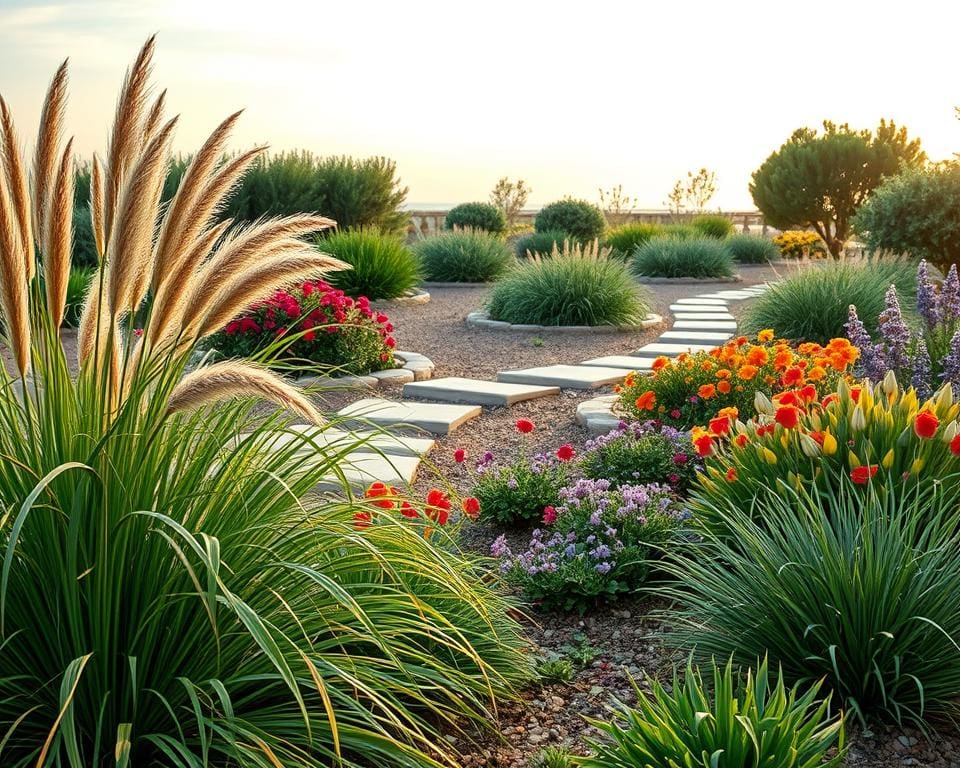
Busy homeowners across the United States want beauty without constant labor. A low-maintenance landscaping plan saves time, cuts water and chemical use, lowers long-term costs, and boosts curb appeal. Simple garden design and smart choices let you enjoy a polished yard without daily chores.
Core principles are clear: design with intention, choose resilient plants, reduce turf and high-maintenance beds, add practical hardscaping, and use water-wise practices. Low maintenance yard does not mean low appearance—thoughtful plant placement and structure deliver season-long interest and curb appeal.
This article will guide you step-by-step: assess site conditions, pick easy-care plants, adopt maintenance shortcuts, and set up systems and tools that save time. Start small—rework one bed or border and grow from there. Small changes often produce big returns.
Actionable first steps include a simple site survey: observe sun patterns for a day, note drainage and soil types, take photos, and sketch a rough plan. Use the USDA Plant Hardiness Zone map, contact your county extension office, and consult reputable nurseries such as Proven Winners or Monrovia for plant recommendations.
Measure success by tracking fewer maintenance hours per month, reduced water use, and steady plant health through the seasons. With a few intentional moves, easy-care garden ideas can transform your outdoor space into a durable, beautiful retreat.
How can you create a low-maintenance garden?
Start with clear intent. Good garden planning saves hours of work each year and makes the space more enjoyable. A quick site assessment and thoughtful choices set the stage for a landscape that needs less fuss but gives more pleasure.
Plan with purpose: assess site, sunlight, soil, and microclimates
Walk the property at different times of day and note spots that get full sun, partial sun, or full shade. Mark wind directions and any frost pockets. Use a 12-inch hole test after rain to check drainage. These simple steps take minutes and prevent major mistakes later.
Get a basic soil test from your local extension or a kit such as Luster Leaf. Results guide amendments like compost, lime, or sulfur so plants thrive with minimal extra care. Match plants to your USDA Plant Hardiness Zone and consider Sunset Climate Zones on the West Coast for finer detail.
Microclimates—warm walls, sheltered corners, cool low spots—shape plant success. Put Mediterranean herbs near south-facing walls and ferns in shady, moist nooks. Small adjustments cut replacement and rescue planting down a lot.
Choose durable layouts and hardscaping to reduce upkeep
Lay out beds and paths for easy access. Keep bed widths to four to six feet so every plant is reachable without stepping into the soil. Define edges with metal, stone, or plastic to stop grass from invading beds.
Hardscaping to reduce maintenance includes patios, gravel paths, permeable pavers, and mulched beds. Durable choices such as porcelain pavers, decomposed granite, and natural stone need little attention and limit mowing, edging, and weeding.
Cut lawn size by replacing turf with native groundcovers like ajuga or creeping thyme, decorative gravel, or a small patio. Less lawn means less mowing, fertilizing, and watering. Plan irrigation routes to fit drip lines or soaker hoses so hand-watering becomes rare.
Design for seasons: select plants that provide multi-season interest
Choose seasonal interest plants that layer into spring bulbs, long-blooming perennials, fall-color shrubs, and evergreens for winter form. Early bulbs such as daffodils, perennials like salvia, and shrubs like dogwood create a sequence of interest and structure year-round.
Use canopy trees for shelter, mid-level shrubs for shape, and groundcovers to hold soil and suppress weeds. Stagger bloom times with repeat bloomers so chores are steady and predictable, not frantic during one short season.
Favor species that attract pollinators and resist pests. Native plant lists from the Xerces Society or Lady Bird Johnson Wildflower Center help you pick low-chemical, high-benefit options that keep the garden resilient and easy to care for.
Smart plant selection for easy-care gardens
Choose plants that work with your site rather than against it. Selecting native plants and drought tolerant plants matched to your USDA zone cuts water use and reduces chores. Start with trusted sources like the Lady Bird Johnson Wildflower Center or regional native plant societies to find species that thrive near you.
Prioritize native and drought-tolerant plants suited to your USDA zone
Native plants such as coneflower (Echinacea) and black-eyed Susan (Rudbeckia) need less feeding and support local pollinators. For dry spots, select Mediterranean herbs like lavender and rosemary, or succulents such as sedum. These drought tolerant plants keep the garden healthy with minimal intervention.
Group plants by water and sunlight needs to simplify irrigation
Use plant grouping to create hydrozones: high, moderate, and low. Place thirsty vegetables and hostas near water sources. Put drought lovers on slopes or well-drained beds. This approach simplifies irrigation and keeps watering schedules predictable.
Match container and in-ground beds so irrigation systems run efficiently. Smart layouts lower the risk of overwatering and save time during the growing season. For practical irrigation tips and tech options, see this guide on low-maintenance systems: low-maintenance irrigation systems.
Use long-lived perennials, groundcovers, and slow-growing shrubs
Favor perennials for low maintenance that return year after year. Strong choices include daylilies, salvia, and clump-forming sedum. These plants reduce division and replanting chores.
Replace frequent mulch refreshes with groundcovers instead of mulch to suppress weeds and soften borders. Creeping thyme, Pachysandra, and native grasses make durable, attractive carpets that save effort.
Pick slow-growing shrubs like Ilex, Spiraea, or select Viburnum for lasting structure and low pruning needs. Buy varieties from reputable nurseries such as Monrovia or Proven Winners to avoid early replacements and enjoy a steady, low-effort landscape.
Low-effort maintenance techniques and routines
Simple routines let your garden thrive with less time and stress. Focus on a few high-impact habits that cut chores while keeping plants healthy. Use mulching strategies, practical pruning tips, regular soil testing, and a seasonal garden checklist to make low-effort garden care feel intentional and rewarding.
Mulching strategies start with the right material. Choose organic mulches like shredded bark, compost, or leaf mulch to add nutrients as they break down. Apply 2–3 inches around beds, keeping mulch pulled away from stems to prevent rot.
In beds where plants change often, avoid landscape fabric because it can hinder long-term soil health. For paths or permanent rock gardens, inorganic mulches such as pea gravel or crushed rock offer lasting coverage. Refresh organic mulch yearly or every 18 months, depending on decomposition.
Pruning tips focus on structure and health instead of constant shaping. Save major pruning for late winter or early spring for many shrubs. Deadhead perennials selectively to encourage rebloom without overworking the bed.
Use quality tools like a Felco or Fiskars bypass pruner, sturdy loppers for thicker stems, and a lightweight pruning saw for larger cuts. Clean blades after use to prevent disease. Set a minimal schedule of three to four quick tasks each month to inspect, remove diseased foliage, deadhead, and do light pruning.
Soil testing gives you targeted results so you feed plants only what they need. Order a test from your county extension or use a reliable commercial kit. Add compost annually to build structure and use slow-release granular fertilizers when tests show deficiencies.
For most native and drought-tolerant plants, minimal fertilization is best. Apply balanced or specific amendments in early spring, with a midseason feed only for heavy feeders.
Seasonal garden checklist keeps chores short and predictable. In spring, clear debris, refresh mulch, inspect irrigation, and plant new specimens. Summer calls for monitoring water, spot deadheading, and pest checks. In fall, cut back perennials selectively, mulch where needed, service tools, and plant bulbs. Winter is the time to prune dormant shrubs and protect tender plants with burlap or extra mulch.
Budget your time to match garden size. A small yard often needs 30–60 minutes per week during peak season. Larger established gardens do well with one half-day per month. These low-effort garden care rhythms preserve beauty without overwhelming the gardener.
Water-wise systems, hardscaping, and tools that save time
Smart watering systems and drip irrigation are the backbone of a low-maintenance garden. Install a drip system with pressure regulators and emitters sized to individual plants to cut evaporation and send water straight to roots. Brands such as Rain Bird, Hunter, and Netafim offer reliable components, and weather-based controllers like Rachio or Hunter WAND can automate schedules and adjust for rain to save both time and water.
Rainwater harvesting and soil improvements further reduce irrigation needs. Capture roof runoff in barrels or a small cistern and feed it into your system when possible. Increasing soil organic matter with compost helps retain moisture so you water less often. For compact or balcony setups, consider compact systems and gadgets that automate lighting and feeding—see a practical roundup for balcony gardening here: smart garden gadgets.
Thoughtful hardscaping ideas cut chores and clarify movement. Use permeable pavers, decomposed granite, or composite decking to define paths and minimize edging. Rock gardens, xeriscaping, and native gravel beds paired with drought-tolerant plants create attractive zones that need little upkeep. If you prefer green turf, weigh artificial turf’s no-mow convenience against environmental trade-offs.
Invest in quality low-maintenance garden tools and good upkeep habits to make every chore faster. Keep Felco or Corona pruners sharp, choose battery leaf blowers from DeWalt or Greenworks for quick cleanups, and use hoses with shutoff and pressure-compensating nozzles. For busy schedules, hire seasonal pros for pruning or mulching via trusted platforms. Start small, monitor results for a year, and adapt irrigation, mulch, and plant groupings to build a resilient, water-wise landscaping plan that fits a busy life.